Let’s face it—trust is everything. Patients come to chiropractors with problems they don’t fully understand, hoping for solutions they can believe in. But here’s the catch: when care plans feel vague or overly subjective, trust can break down fast.

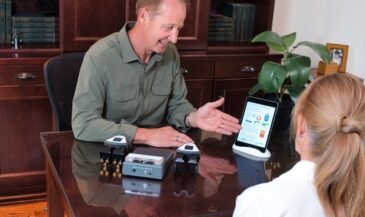
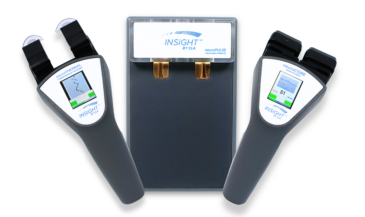
That’s where objective data comes into play. It’s not just a buzzword; it’s the key to showing patients the why behind their care. With tools like the INSiGHT neuroTECH suite, you’re not guessing or asking patients to take your word for it—you’re showing them the proof.

Why Trust Is the Backbone of Retention

Patients don’t just want to feel better—they want to know why they’re feeling better and how your care is making it happen. When trust is strong, retention skyrockets, referrals pour in, and your practice thrives.

Here’s how objective data builds that trust:

  • It removes guesswork: Patients can see measurable results, which eliminates doubt.
  • It personalizes care: Scans make care plans feel specific to the patient, not one-size-fits-all.
  • It builds accountability: When patients see data improve, they know their efforts (and yours) are paying off.

Trust doesn’t just happen—it’s earned. And data is your strongest tool for earning it.

What Patients Want to See

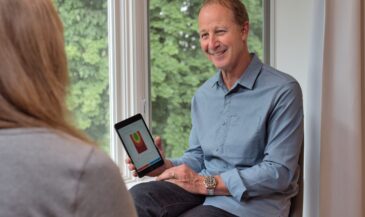
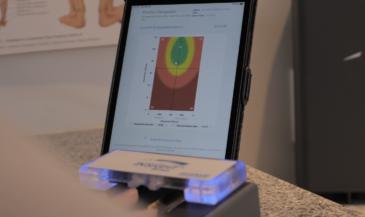
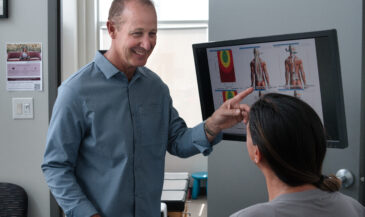
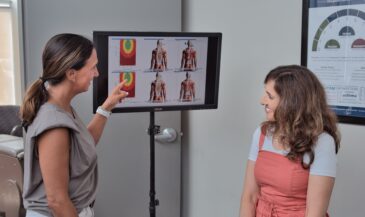
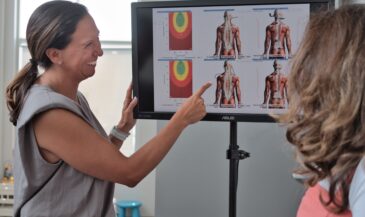
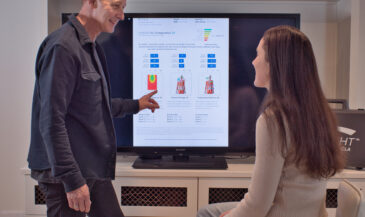
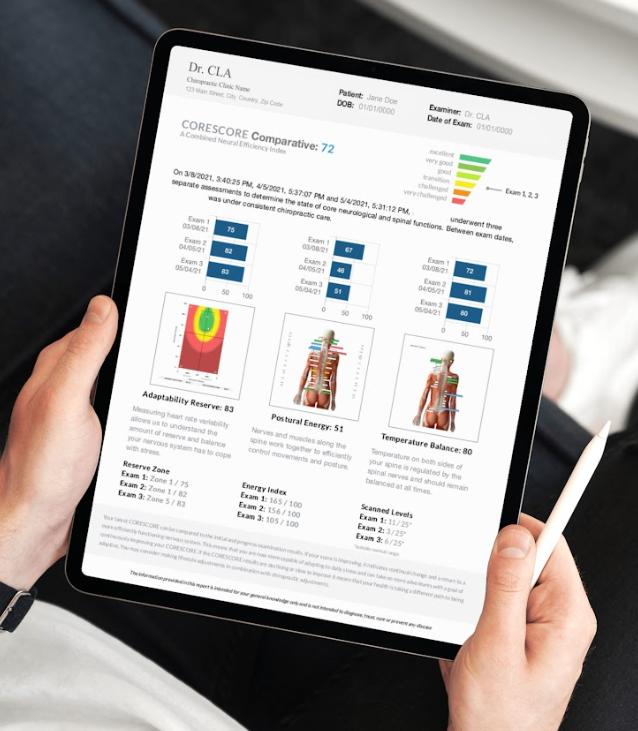
Patients aren’t looking for technical jargon or complicated explanations. They want clear visuals and simple, relatable insights that connect directly to their health.

When you present scan results, focus on:

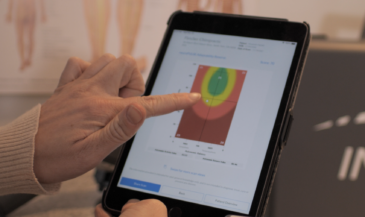
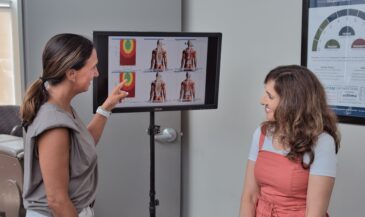
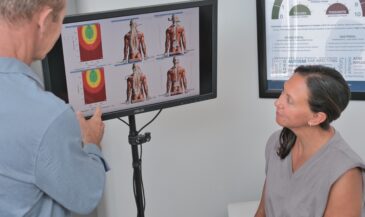
  • Clarity: Use visuals to explain exactly what’s happening in their body.
  • Relevance: Tie the data to their symptoms, goals, or concerns.
  • Progress: Show how your care is improving their health over time.

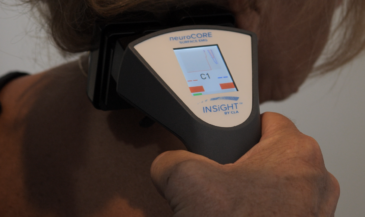
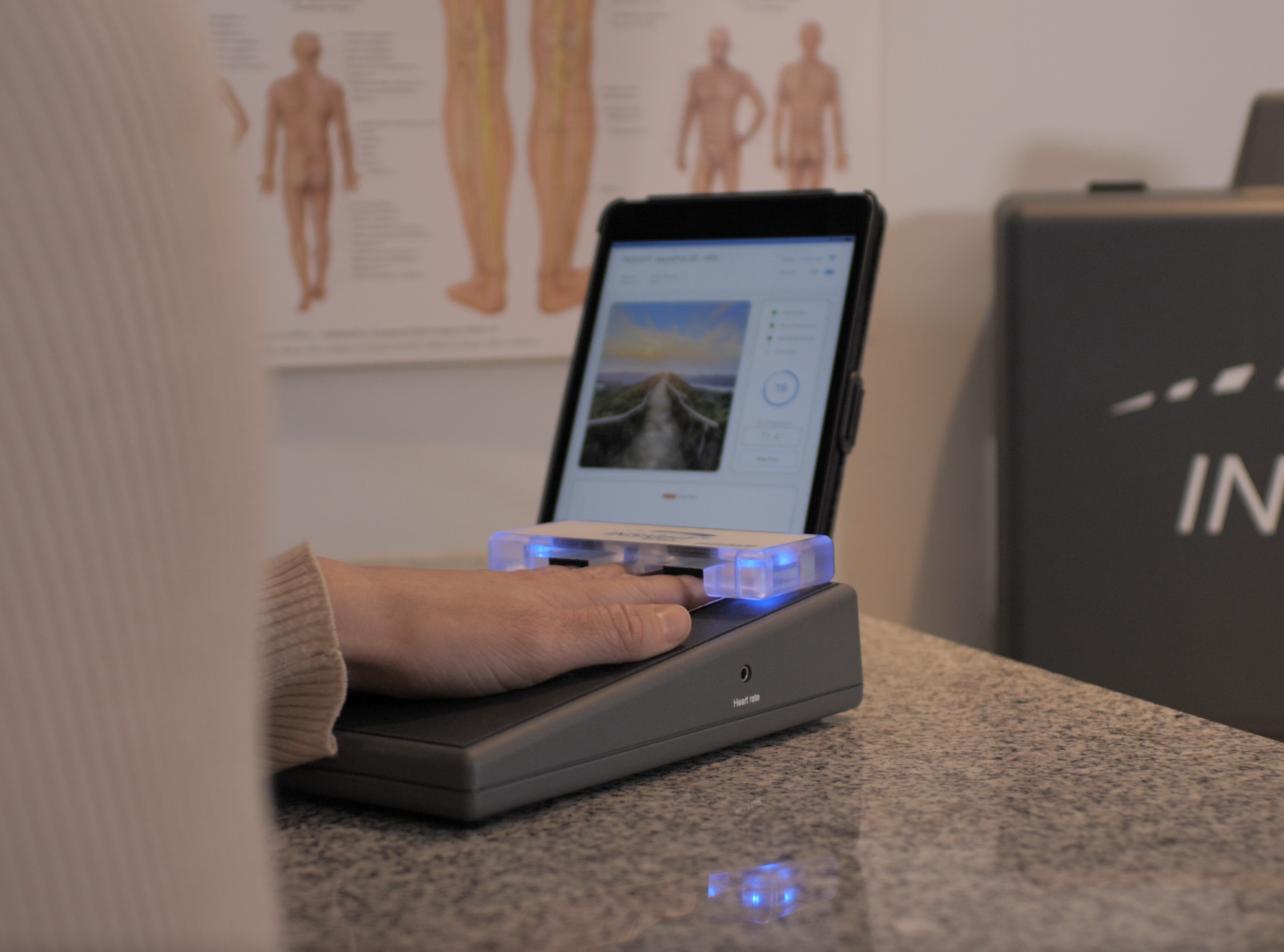
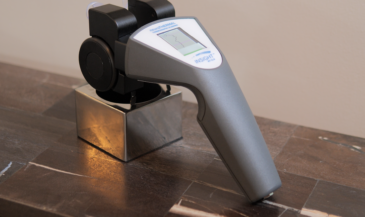
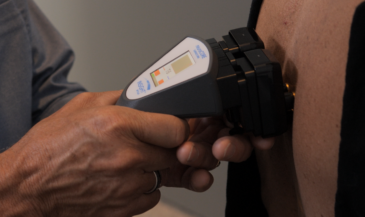
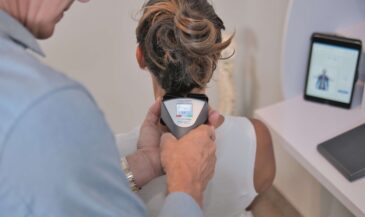
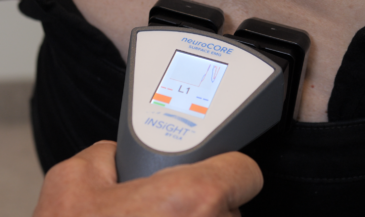
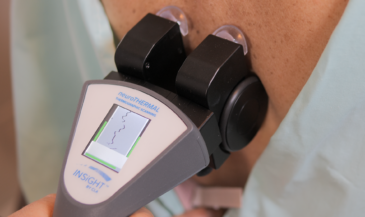
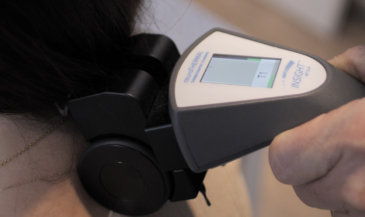
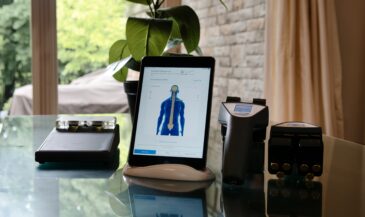
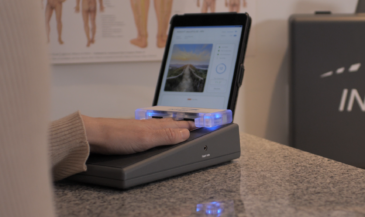
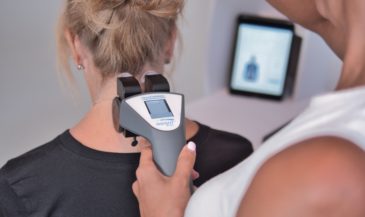
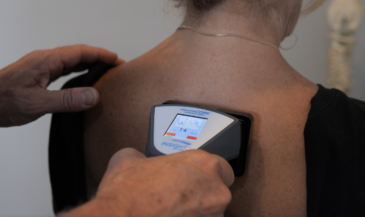
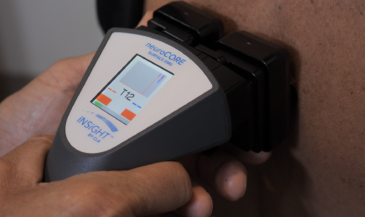
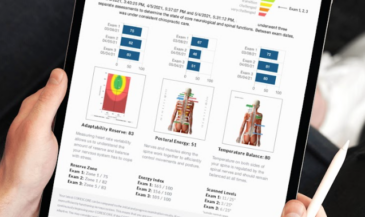
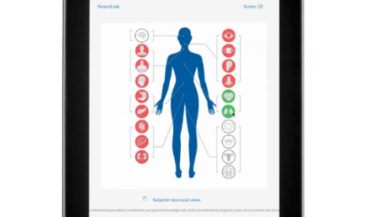
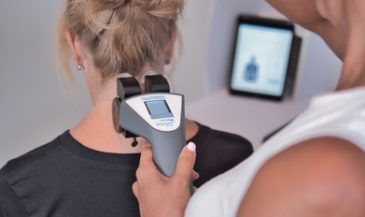
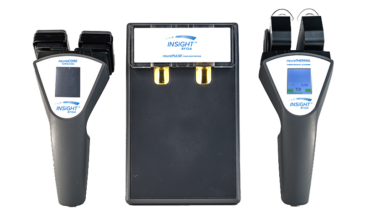
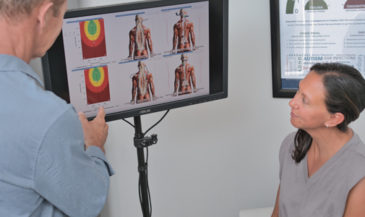
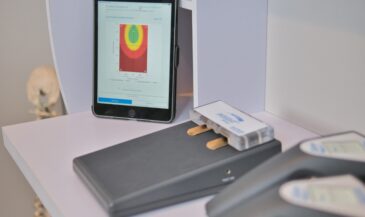
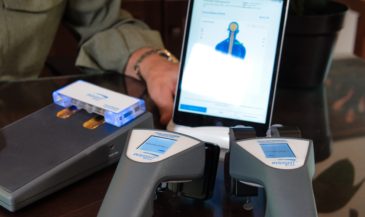
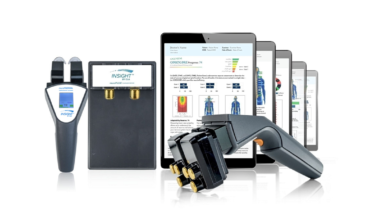
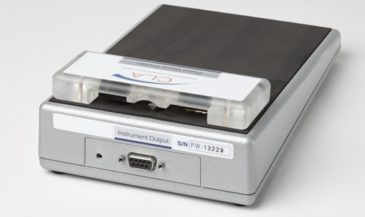
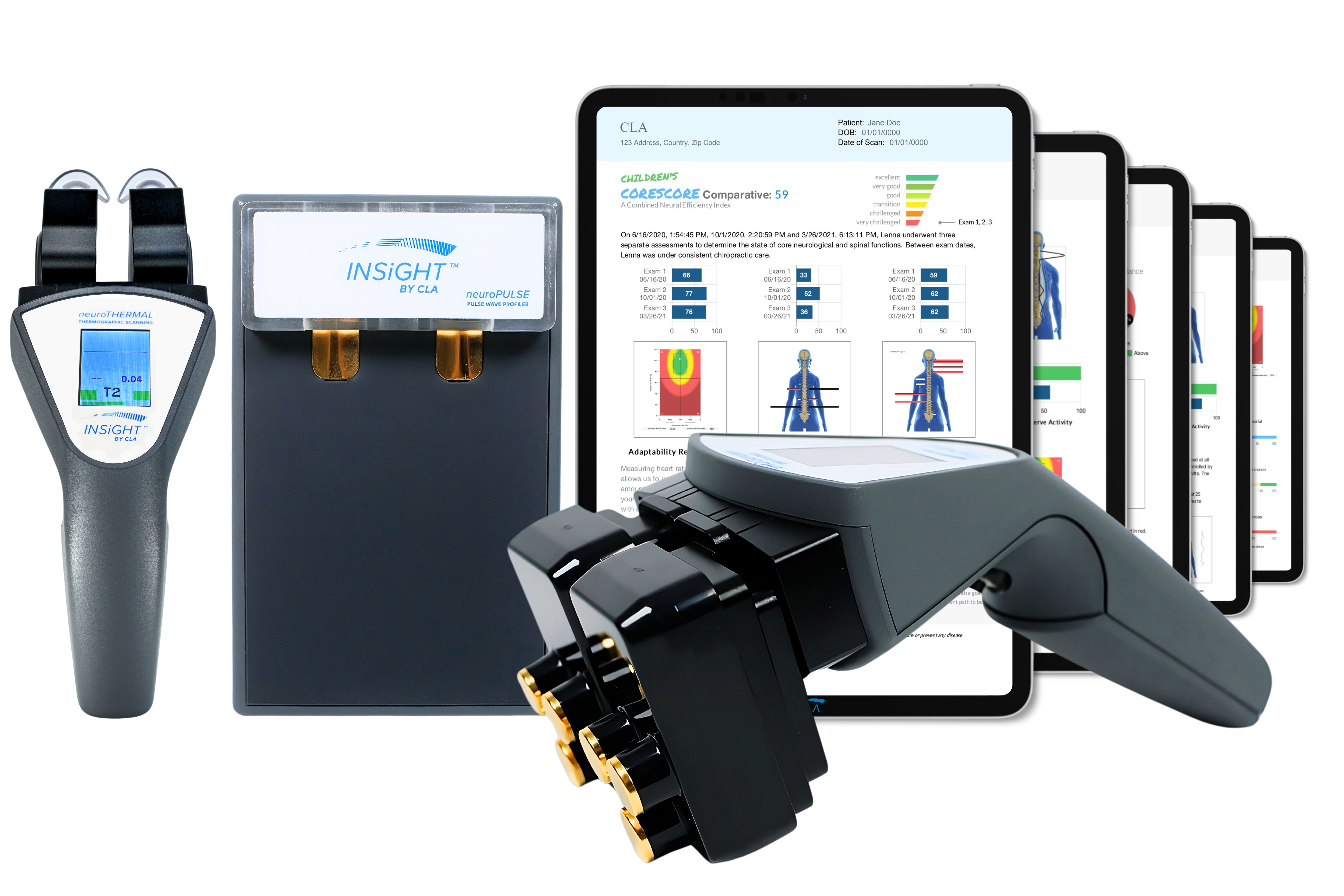
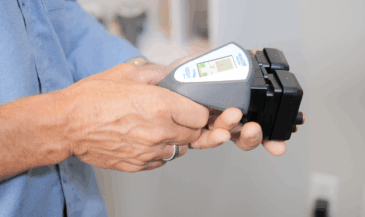
This is why tools like the neuroPULSE (HRV), neuroCORE (sEMG), and neuroTHERMAL are game-changers. They make nervous system health visible and easy to understand.

The Impact of Data on Patient Decisions

When patients see objective data, it flips a switch. They’re no longer making decisions based on feelings or assumptions—they’re basing them on facts.

Here’s how this changes the game:

  • Increases commitment: Patients are more likely to stick to care plans when they see measurable improvements.
  • Justifies long-term care: Data proves that chiropractic is about more than short-term symptom relief.
  • Encourages referrals: Patients who trust your care are the first to tell their friends and family about it.

The more informed patients feel, the more they trust your recommendations.

How the INSiGHT neuroTECH Suite Builds Trust

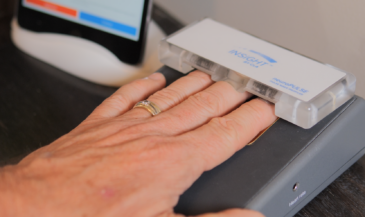
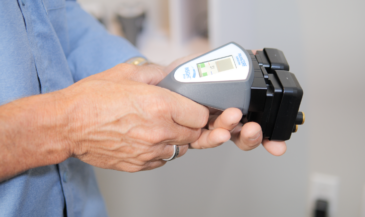
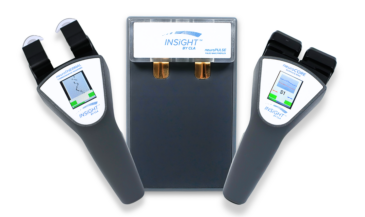
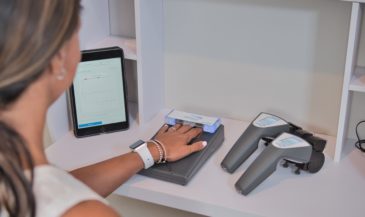
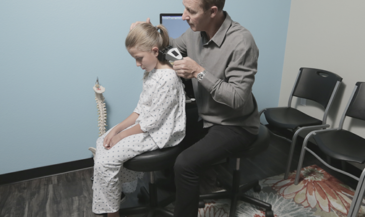
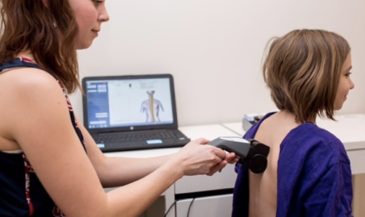
The INSiGHT neuroTECH suite takes objective data to the next level with tools that measure nervous system health in real time.

Here’s how each tool contributes:

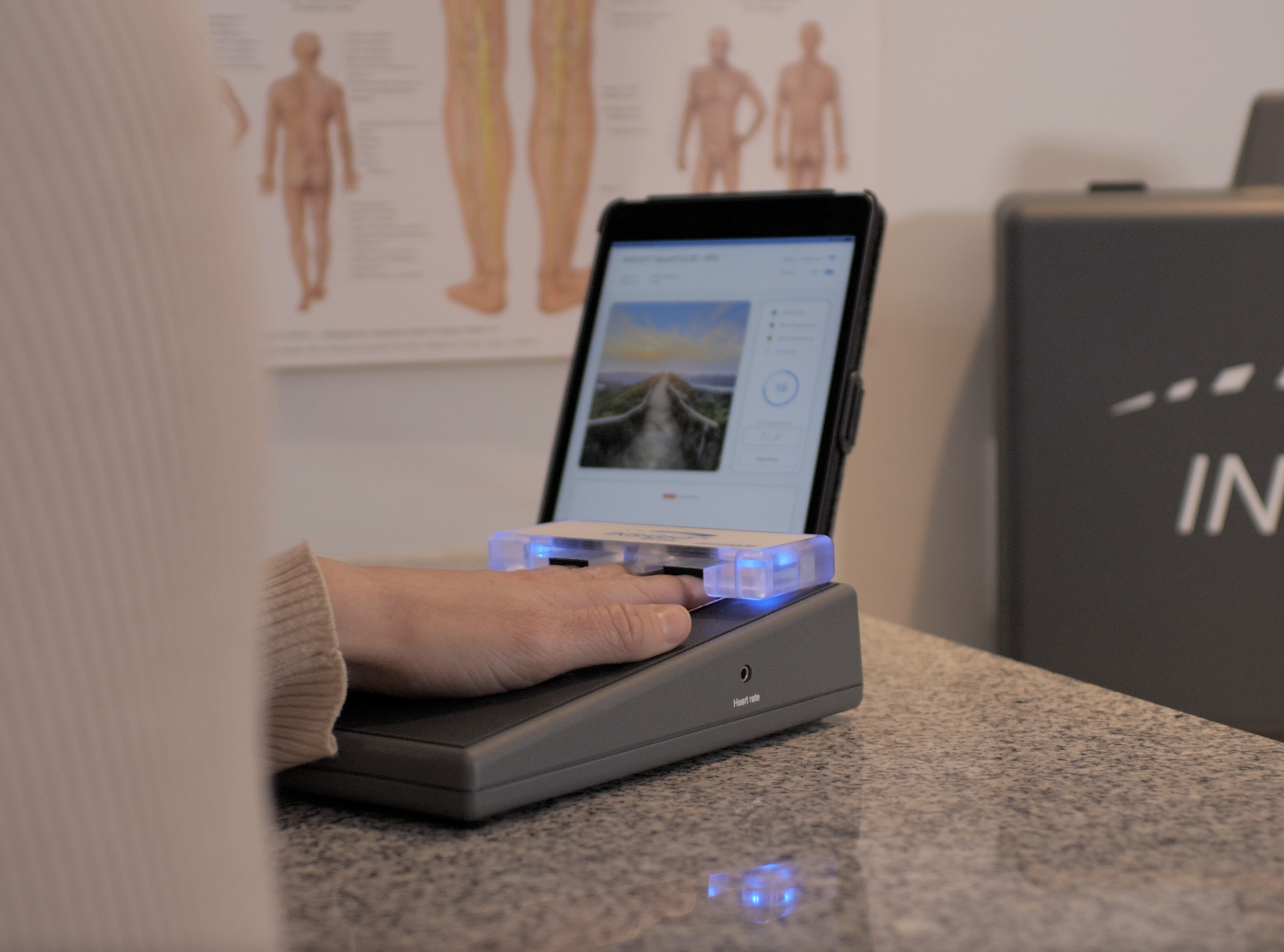
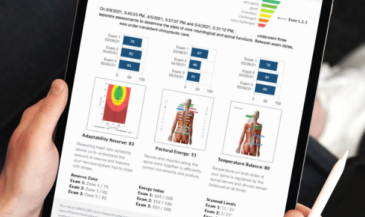
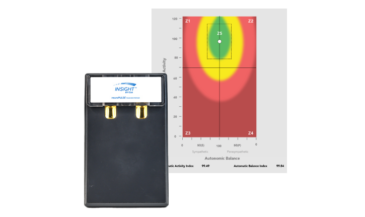
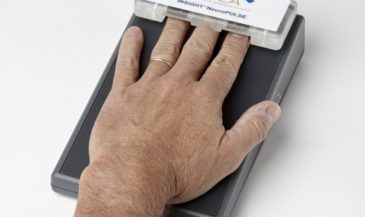
  • neuroPULSE (HRV): Tracks heart rate variability to show how well the nervous system is adapting to stress and recovery.
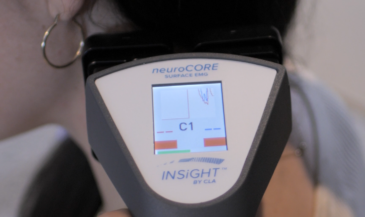
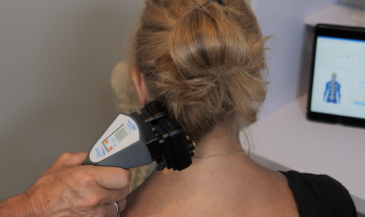
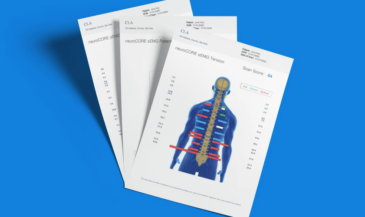
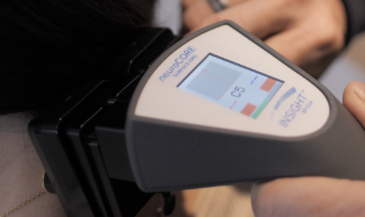
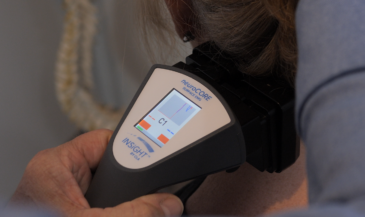
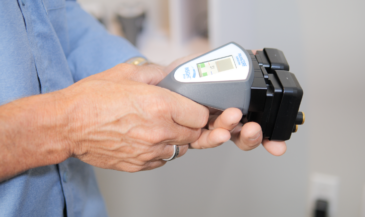
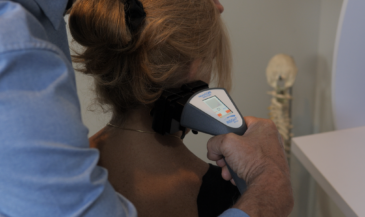
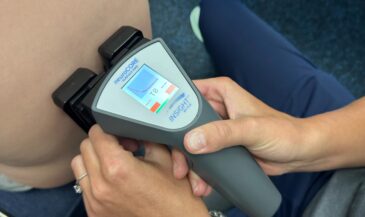
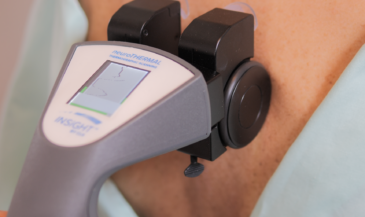
  • neuroCORE (sEMG): Measures muscle tension and fatigue, highlighting areas of nerve interference.
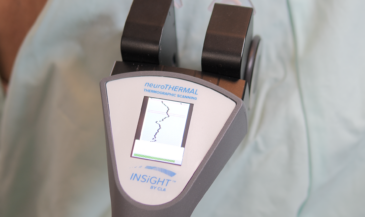
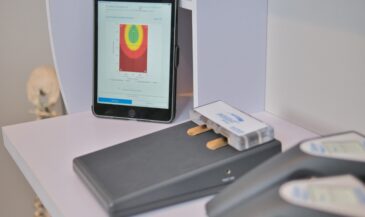
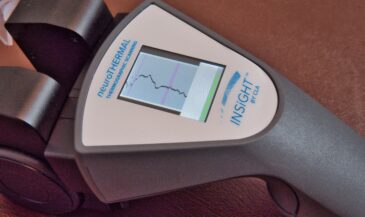
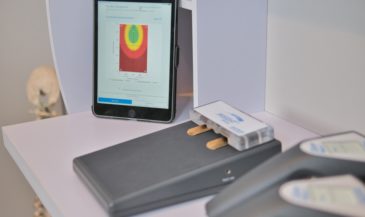
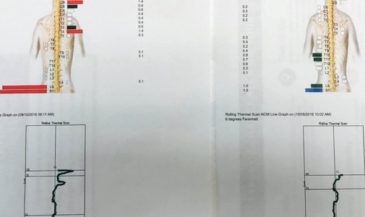
  • neuroTHERMAL: Maps temperature changes along the spine, revealing stress patterns that could impact overall health.

Together, these tools create a full picture of nervous system function, making it easy for patients to see and believe in their care.

Breaking Down a Typical Scan Conversation

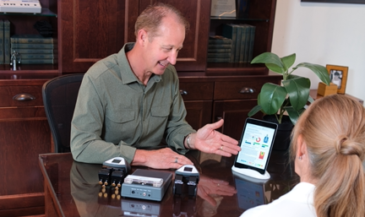
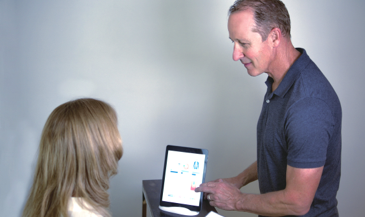
Here’s how you can use objective data during patient consultations:

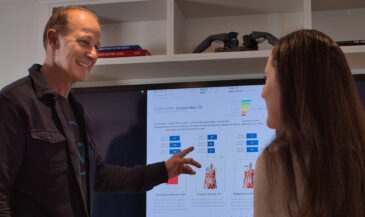
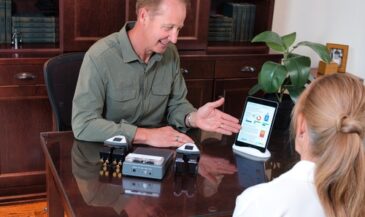
  1. Show the baseline: “This is where your nervous system is right now. See these areas of stress? That’s what we’re working on.”
  2. Tie it to their concerns: “This nerve interference could explain the headaches or fatigue you’ve been experiencing.”
  3. Set expectations: “With consistent care, we’ll reduce this interference and improve how your body adapts to stress.”
  4. Celebrate progress: “Look at how your scan has improved since your last visit! This shows your nervous system is getting stronger.”

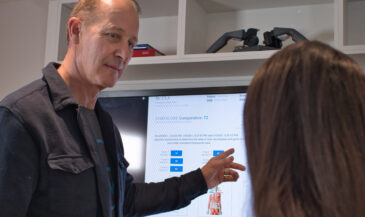
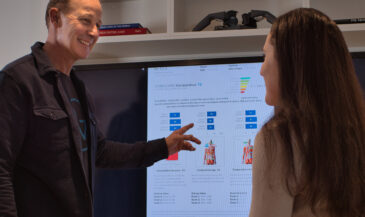
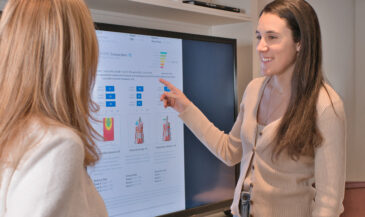
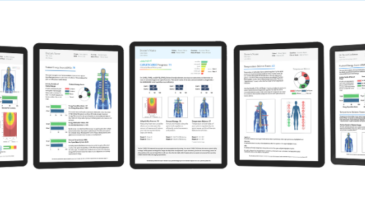
When patients see their results in black and white, the conversation shifts from opinion to evidence.

FAQs About Using Data in Chiropractic Care

Why is objective data important for patient trust?
It removes the guesswork and provides measurable proof of progress, which helps patients understand and believe in their care.

How do scanning tools improve patient retention?
By tracking improvements over time, scanning tools keep patients engaged and motivated to stick with their care plans.

What’s the role of visuals in patient education?
Visual data from scans makes it easier to explain complex concepts, helping patients see the value of their care.

Are scanning tools safe?
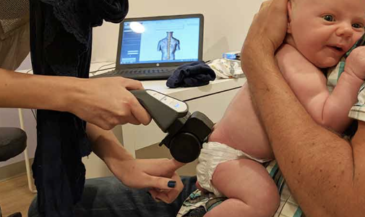
Yes, tools like the neuroPULSE, neuroCORE, and neuroTHERMAL are non-invasive and safe for patients of all ages.

How often should scans be performed?
Regular scans during initial exams, progress check-ins, and wellness visits provide the best insights into patient health.

Turning Data Into Results

Objective data isn’t just about fancy tools—it’s about delivering better results for your patients and your practice. When you use tools like the INSiGHT neuroTECH suite, you’re building trust through transparency, proving the value of care, and creating a foundation for long-term success.

Want your patients to stay engaged, refer others, and trust your expertise? Show them the data. It’s that simple.


Get Started with INSiGHT Scanning

Take our Free Practice Strategy Assessment. A Personalized Guide and Expert Strategy Call to Help Determine How Scanning will Help you Grow
ABOUT THE AUTHOR

Dr. David Fletcher is actively involved in all aspects of innovation teaching and research connected to the INSiGHT™ scanning technologies. He is widely recognized for his ability to share his expertise in compelling and easy to understand ways.

Dr David is a renowned chiropractor who practiced for many years with his associates in a scan-centric thriving principled family-based practice in Toronto. He is a sought-after teacher mentor and keynote speaker who takes every opportunity to share the wisdom and the power of chiropractic as it is meant to be.

https://insightcla.com/wp-content/uploads/2022/07/david-1.png
Dr. David Fletcher
DC FRCCSS(C) – Founder & CEO CLA Inc.
LIKE THIS ARTICLE? HELP US SPREAD THE WORD

Be Seen. Be Heard. Be Certain

In today’s saturated healthcare market, chiropractors face an ongoing challenge: being visible. Discover key marketing tactics to ensure you can BE SEEN, BE HEARD, and BE CERTAIN in your practice!
Read these Next…

Get Informed

Join 23,121 other Chiropractors and receive topics covering day to day challenges of running your practice.

Let’s talk growth. If you’re running a family-based chiropractic practice, you already know the challenges—keeping patients engaged, educating parents, and managing a wide range of needs from newborns to grandparents. Scaling your practice isn’t just about adding more appointments to your schedule; it’s about working smarter, not harder.
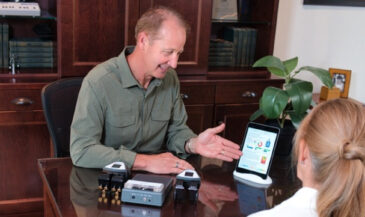
That’s where technology comes in. Advanced tools like the INSiGHT neuroTECH suite don’t just make your practice more efficient—they transform how you deliver care and connect with patients.

Why Scaling Family Practices Can Be Challenging

Family chiropractic practices come with unique challenges. You’re not just dealing with individual cases—you’re managing the health and wellness of entire families.

Here’s what makes scaling difficult:

  • Patient diversity: Every family member has different needs, from pediatric adjustments to senior care.
  • Education demands: Parents often need extra guidance to understand the benefits of chiropractic for their kids.
  • Retention struggles: It’s easy for families to fall off care plans without clear, measurable progress.

Scaling a family-based practice requires systems that simplify your workflow while delivering exceptional care.

How Technology Supports Growth

Technology doesn’t replace what you do—it enhances it. Tools like the neuroPULSE, neuroCORE, and neuroTHERMAL give you the data, visuals, and insights to streamline your practice and improve patient outcomes.

Here’s how tech helps:

  • Boosts efficiency: Scanning tools quickly assess nervous system health, saving time during exams.
  • Improves communication: Visual data makes it easier to explain care plans to patients of all ages.
  • Tracks progress: Regular scans show measurable improvements, keeping families engaged and committed.

When you integrate technology into your practice, scaling becomes less about juggling and more about delivering consistent, high-quality care.

The Role of Scanning Tools in Family Care

The INSiGHT neuroTECH suite is designed to meet the demands of family chiropractic practices. Here’s how each tool contributes to better care and practice growth:

  • neuroPULSE (HRV): Tracks heart rate variability to assess how well the nervous system is balancing stress and recovery, perfect for patients of all ages.
  • neuroCORE (sEMG): Measures muscle activity and tension, revealing areas of nerve interference and helping guide precise adjustments.
  • neuroTHERMAL: Maps temperature changes along the spine to identify stress patterns affecting organs and glands.

These tools are non-invasive, fast, and easy to use, making them ideal for busy family practices.

Educating Families with Visual Data

One of the biggest barriers to scaling is patient education. Parents need to understand why chiropractic care is essential for their kids, and visuals are the best way to tell that story.

Here’s how scanning tools make education easier:

  • Show don’t tell: Use scan results to visually demonstrate areas of nerve interference or stress.
  • Simplify complex concepts: Tools like the neuroPULSE make it easy to explain nervous system function and stress adaptation.
  • Track progress: Regular scans let families see how their care is making a difference over time.

When families see the value of care, they’re more likely to stay engaged and refer others to your practice.

Scaling While Maintaining Quality

Growth shouldn’t mean sacrificing quality. Technology helps you scale without losing the personal touch that makes family practices unique.

Here’s how to maintain quality while expanding:

  • Standardize workflows: Scanning tools provide consistent, objective data for every patient, ensuring a high level of care.
  • Streamline exams: Quick, non-invasive scans free up time for more meaningful patient interactions.
  • Enhance patient trust: Measurable data builds confidence in your care, even as your patient base grows.

With the right systems in place, you can scale sustainably while continuing to deliver exceptional care.

FAQs About Scaling Family-Based Chiropractic Practices

What is the best way to educate families about chiropractic care?
Use tools like the INSiGHT neuroTECH suite to provide visual, easy-to-understand data that explains how chiropractic care benefits the nervous system.

Can scanning tools help with retention?
Yes, regular scans show families measurable progress, keeping them engaged and committed to their care plans.

Are these tools suitable for all ages?
Absolutely. Tools like the neuroPULSE and neuroTHERMAL are non-invasive and safe for everyone, from newborns to seniors.

How do scanning tools improve practice efficiency?
They provide fast, objective data during exams, saving time and allowing you to focus on delivering personalized care.

Can technology really help scale a practice?
Yes, by streamlining workflows, improving patient education, and building trust, technology makes it easier to grow without sacrificing quality.

Why Technology Is the Key to Scaling

Scaling a family-based chiropractic practice isn’t just about seeing more patients—it’s about creating a system that works for you and your patients. With tools like the neuroPULSE, neuroCORE, and neuroTHERMAL, you’re not just keeping up—you’re staying ahead.

Technology gives you the power to deliver consistent, high-quality care while growing your practice sustainably. Ready to take your family practice to the next level? It starts with integrating the right tools. Book a call with an INSiGHT Advisor today.

Get Started with INSiGHT Scanning

Take our Free Practice Strategy Assessment. A Personalized Guide and Expert Strategy Call to Help Determine How Scanning will Help you Grow
ABOUT THE AUTHOR

Dr. David Fletcher is actively involved in all aspects of innovation teaching and research connected to the INSiGHT™ scanning technologies. He is widely recognized for his ability to share his expertise in compelling and easy to understand ways.

Dr David is a renowned chiropractor who practiced for many years with his associates in a scan-centric thriving principled family-based practice in Toronto. He is a sought-after teacher mentor and keynote speaker who takes every opportunity to share the wisdom and the power of chiropractic as it is meant to be.

https://insightcla.com/wp-content/uploads/2022/07/david-1.png
Dr. David Fletcher
DC FRCCSS(C) – Founder & CEO CLA Inc.
LIKE THIS ARTICLE? HELP US SPREAD THE WORD

Be Seen. Be Heard. Be Certain

In today’s saturated healthcare market, chiropractors face an ongoing challenge: being visible. Discover key marketing tactics to ensure you can BE SEEN, BE HEARD, and BE CERTAIN in your practice!

Read these Next…

Get Informed

Join 23,121 other Chiropractors and receive topics covering day to day challenges of running your practice.

As we know, chiropractic isn’t just about quick fixes. Long-term care is where the magic happens and the key to successful long-term care? Tracking neurological recovery.

Patients don’t just want to feel better—they want to know they’re getting better. That’s why measuring and monitoring nervous system health is a game-changer for chiropractors. It keeps patients engaged, improves outcomes, and sets your practice apart.

Why Neurological Recovery Matters in Chiropractic

The nervous system runs the show. It controls every function in the body, from movement to digestion to stress recovery. When the nervous system isn’t working well, patients feel the effects everywhere.

Neurological recovery means restoring the nervous system’s ability to adapt, heal, and perform at its best. It’s not just about fixing symptoms—it’s about creating long-term health and resilience.

How to Track Neurological Recovery

Tracking neurological recovery starts with data. The INSiGHT neuroTECH suite is built for this purpose, providing chiropractors with real-time insights into nervous system performance.

Here’s how each tool helps:

  • neuroPULSE (HRV): Tracks heart rate variability to measure how well the nervous system is balancing stress and recovery.
  • neuroCORE (sEMG): Measures muscle tension along the spine, showing areas of nerve interference and compensation.
  • neuroTHERMAL: Maps temperature changes along the spine to identify stress patterns affecting the nervous system.

These tools work together to create a comprehensive picture of neurological health, making it easy to track changes over time.

The Benefits of Monitoring Neurological Recovery

When you track neurological recovery, you’re giving patients more than just adjustments—you’re giving them proof of progress.

Here’s why this matters:

  • Keeps patients engaged: Regular scans show measurable improvements, keeping patients motivated to stick with their care plans.
  • Guides personalized care: Tracking recovery allows you to adjust care plans based on real-time data, ensuring the best outcomes.
  • Builds trust: When patients see objective results, they’re more likely to trust your expertise and stay committed to care.

Tracking isn’t just about data—it’s about delivering better results and stronger patient relationships.

Why Long-Term Care Plans Need Objective Data

Long-term care plans are all about consistency and progress. But without objective data, it’s hard for patients to see the value of sticking with care.

Objective data from tools like the neuroPULSE and neuroCORE:

  • Shows progress over time: Patients can see how their nervous system is improving with each scan.
  • Reinforces the importance of care: When patients see results, they understand why ongoing adjustments are crucial.
  • Provides a roadmap: Data-driven insights help you set clear goals and timelines for recovery.

With objective data, long-term care plans become more engaging and effective.

How to Explain Neurological Recovery to Patients

Patients need to understand what neurological recovery is and why it matters. Here’s how to break it down:

  1. Start with the basics: “Your nervous system controls everything in your body. When it’s under stress, it can’t perform at its best.”
  2. Connect it to their goals: “By improving your nervous system function, we’re not just addressing your symptoms—we’re helping your body work better overall.”
  3. Show them the proof: Use scan results to explain what’s happening and how care is making a difference.

The more patients understand, the more they’ll value their care plans.

FAQs About Tracking Neurological Recovery

What is neurological recovery?
Neurological recovery is the process of restoring the nervous system’s ability to adapt, heal, and function optimally.

How do chiropractors measure neurological recovery?
Tools like HRV scans, sEMG, and thermal imaging provide objective data on nervous system performance, making it easy to track progress over time.

Why is tracking recovery important for long-term care?
Tracking recovery keeps patients engaged, guides care plans, and shows measurable progress, making long-term care more effective and meaningful.

Can all patients benefit from tracking neurological recovery?
Yes, from athletes to families to seniors, everyone benefits from understanding and improving their nervous system health.

How often should neurological recovery be measured?
Regular scans during initial exams, progress checks, and wellness visits provide the best insights into recovery and long-term outcomes.

Why Tracking Neurological Recovery Is a Must for Chiropractors

Long-term care isn’t just about keeping patients coming back—it’s about helping them achieve lasting health. By tracking neurological recovery with tools like the neuroPULSE, neuroCORE, and neuroTHERMAL, you’re giving patients the proof and progress they need to stay engaged.

This isn’t just good for patients—it’s good for your practice. Objective data builds trust, improves retention, and sets you apart as a leader in chiropractic care. Ready to take your long-term care plans to the next level? It starts with tracking neurological recovery.

Book a call with an INSiGHT Advisor today to learn how you can bring this transformative technology into your chiropractic practice.

Get Started with INSiGHT Scanning

Take our Free Practice Strategy Assessment. A Personalized Guide and Expert Strategy Call to Help Determine How Scanning will Help you Grow
ABOUT THE AUTHOR

Dr. David Fletcher is actively involved in all aspects of innovation teaching and research connected to the INSiGHT™ scanning technologies. He is widely recognized for his ability to share his expertise in compelling and easy to understand ways.

Dr David is a renowned chiropractor who practiced for many years with his associates in a scan-centric thriving principled family-based practice in Toronto. He is a sought-after teacher mentor and keynote speaker who takes every opportunity to share the wisdom and the power of chiropractic as it is meant to be.

https://insightcla.com/wp-content/uploads/2022/07/david-1.png
Dr. David Fletcher
DC FRCCSS(C) – Founder & CEO CLA Inc.
LIKE THIS ARTICLE? HELP US SPREAD THE WORD

Be Seen. Be Heard. Be Certain

In today’s saturated healthcare market, chiropractors face an ongoing challenge: being visible. Discover key marketing tactics to ensure you can BE SEEN, BE HEARD, and BE CERTAIN in your practice!

Read these Next…

Get Informed

Join 23,121 other Chiropractors and receive topics covering day to day challenges of running your practice.

The landscape of chiropractic care is shifting, and at the core of this transformation is the ability to measure nervous system performance while tracking and communicating the power of chiropractic using objective technologies. The Critical Shift isn’t about adjusting spinal fixations—it’s about empowering chiropractors to become leaders in nervous system-focused care.

At the heart of this shift are four essential Pillars, each designed to elevate patient understanding, engagement, and commitment to chiropractic. The game-changer? INSiGHT scanning technologies—a suite of neurological assessment tools that make the invisibe visible and help chiropractors communicate and build care plans with even greater certainty.

Pillar One: Nerves First

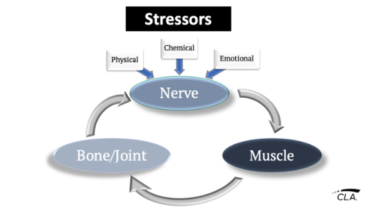
Chiropractic isn’t about simply correcting spinal alignment—it’s about resetting the tone of the nervous system. A nervous system burdened by stress—whether from physical injuries, emotional tension, or chemical imbalances—loses its ability to adapt, regulate, and heal. This leads to a cascade of dysfunction, inflammation, and decreased immune resilience that can persist for years. 

Chiropractors must help patients shift their focus from spinal symptoms to the neurological consequences of stress. Yes, subluxations involve the spine, but the real issue is the way they impair nervous system function. This is where INSiGHT scans come in—they reveal how stress patterns are locked into the spine and nervous system and how chiropractic adjustments restore adaptability and resilience.

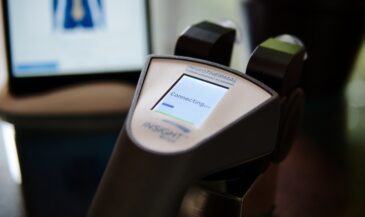
By using instruments like the neuroPULSE to measure heart rate variability (HRV), the neuroCORE to assess surface electromyography (sEMG), and the neuroTHERMAL to track thermal regulation by the nervous system, chiropractors can show patients the direct impact stress has on their nervous system and how chiropractic can restore neurological control. This approach elevates the conversation from managing pain relief to life-changing neurofunctional improvement.

insight scanning neurological scanning tech

Pillar Two: Tell AND Show

Telling the chiropractic story is one thing—showing it is where the real “shift” happens.

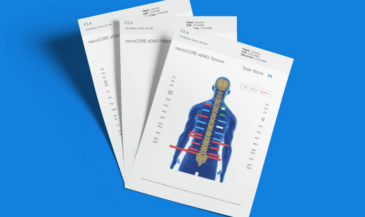
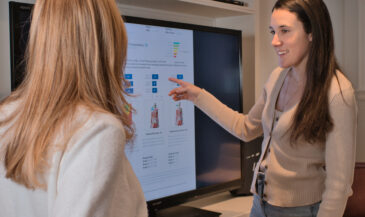
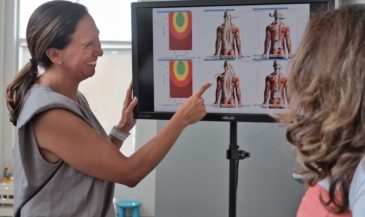
Stress is an invisible force, but its effects are profound. INSiGHT scans bridge the gap between what patients feel and what is actually happening within their nervous system. These scans deliver measurable, color-coded, and data-driven insights that help patients understand their health and performance status at a glance.

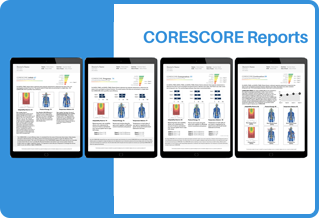
A picture is worth a thousand words. Instead of relying on explanations, chiropractors who leverage CORESCORE reporting provide a visual, objective, and trackable way to showcase nervous system function. The moment a patient sees their scan results, the conversation shifts—from confusion to clarity, from skepticism to certainty. This is the essence of the “Critical Shift”. 

Technology doesn’t just validate chiropractic care planning—it enhances trust, compliance, and retention. Patients see their progress, engage with their results, and, most importantly, commit to their care journey with renewed enthusiasm.

neurological scanning tech

Pillar Three: Aware Care vs. Scare Care

Many healthcare models focus on fear-based decision-making, showing patients worst-case scenarios and pushing them into reactive, crisis-driven choices. Chiropractic stands apart as a proactive and empowering solution.

Rather than focusing on X-rays with degenerative changes and warning patients about inevitable decline, INSiGHT scans provide a framework for progress. They track improvement over time, reinforcing the innate healing potential within every patient.

Scans don’t just document problems—they showcase possibilities. Patients see how their nervous system evolves with care, reinforcing their decision to stay committed to wellness. This shifts the mindset from fear to confidence; from managing disease to unlocking vitality.

Pillar Four: Becoming a Trusted Advisor 

Chiropractic is more than just a profession—it’s a vitalistic movement. And within every movement, there are mentors who inspire and uplift. The choice is simple: become a trusted guide who leads patients toward an empowered, health-conscious lifestyle. Think of yourself as becoming their Tor-Mentor where a ChiropracTOR stays focused on arousing a patient’s innate abilities.  

The most successful chiropractors don’t just adjust—they educate, inspire, and lead their communities toward sustainable wellness. INSiGHT scanning makes mentorship easier by providing tangible, relatable evidence of nervous system function. Patients don’t just hear about health; they see their progress and feel motivated to share their experience with others.

INSiGHT technology transforms the chiropractor-patient relationship into a partnership—one built on trust, understanding, and data-driven results that drive referrals and retention.

The Critical Shift is Happening

The world of chiropractic is evolving, and those who embrace objective neurological assessment are leading the charge. They are seeing entire families, from newborns to seniors, embracing the NeuroAge of Chiropractic. The future belongs to those who confidently communicate the value of nervous system-focused care using INSiGHT technologies.

Chiropractors who take the time to master the art of scanning, reporting, and educating with certainty build practices that are thriving, respected, and deeply rooted in their communities. The Chiros of CLA are making this shift daily—transforming lives, elevating the profession, and creating lasting impact.

Join the movement. Elevate your communication, expand your influence, and embrace the future of chiropractic with INSiGHT scanning.

Get Started with INSiGHT Scanning

Take our Free Practice Strategy Assessment. A Personalized Guide and Expert Strategy Call to Help Determine How Scanning will Help you Grow
ABOUT THE AUTHOR

Dr. David Fletcher is actively involved in all aspects of innovation teaching and research connected to the INSiGHT™ scanning technologies. He is widely recognized for his ability to share his expertise in compelling and easy to understand ways.

Dr David is a renowned chiropractor who practiced for many years with his associates in a scan-centric thriving principled family-based practice in Toronto. He is a sought-after teacher mentor and keynote speaker who takes every opportunity to share the wisdom and the power of chiropractic as it is meant to be.

https://insightcla.com/wp-content/uploads/2022/07/david-1.png
Dr. David Fletcher
DC FRCCSS(C) – Founder & CEO CLA Inc.
LIKE THIS ARTICLE? HELP US SPREAD THE WORD

Be Seen. Be Heard. Be Certain

In today’s saturated healthcare market, chiropractors face an ongoing challenge: being visible. Discover key marketing tactics to ensure you can BE SEEN, BE HEARD, and BE CERTAIN in your practice!

Read these Next…

Get Informed

Join 23,121 other Chiropractors and receive topics covering day to day challenges of running your practice.
+