We have all asked ourselves…what is the ROI of Scanning?  

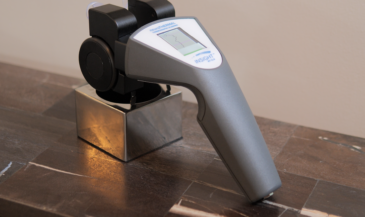
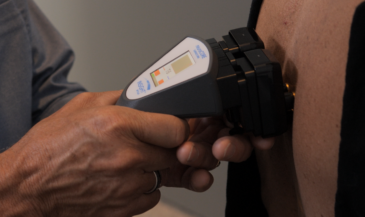
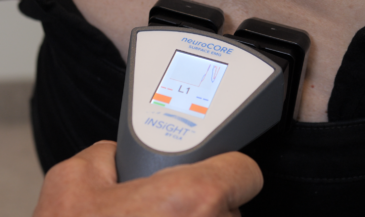
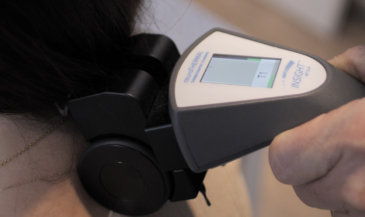
As chiropractors, we often hear about investments—investments of time, energy, education, and, of course, money. We’re constantly weighing the value of new tools, new systems, and new technologies. So, when it comes to INSiGHT scanning technologies, the question many doctors find themselves asking is: What is the Return on Investment (ROI)? 

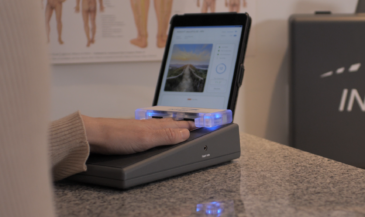
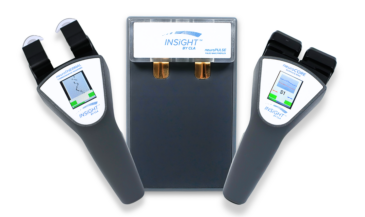
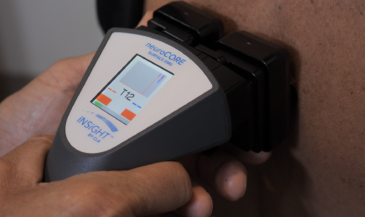
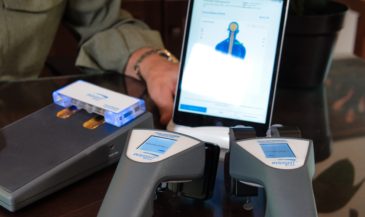
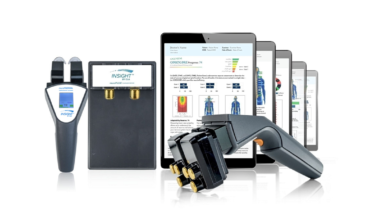
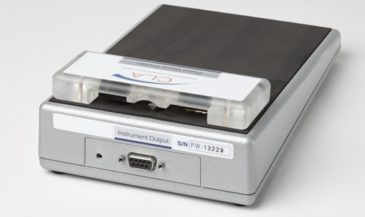
Let me tell you, the answer lies not just in theory but in the data, we’ve gathered from practices using the INSiGHT. The ROI isn’t just significant—it’s transformative. INSiGHT is more than diagnostic instrumentation. It’s a powerful catalyst that drives practice growth, patient engagement, and revenue generation. Let me show you how. 

Your Practice Will Grow Using the INSiGHT 

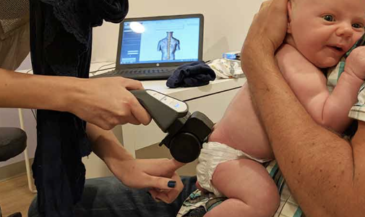
We’ve seen it time and time again—when a practice adopts INSiGHT scanning technologies, patient referrals increase, and so does the overall patient volume. One of the most remarkable areas of growth? Pediatric care. Families want certainty and clarity when it comes to their children’s health, and INSiGHT’s objective data and infant friendly instruments provide just that. The result? More families, more pediatric patients, more trust from parents, and a significant boost in family care volume. 

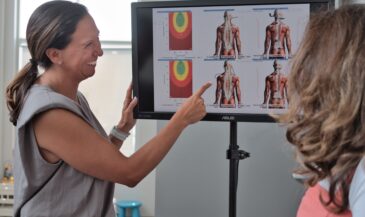
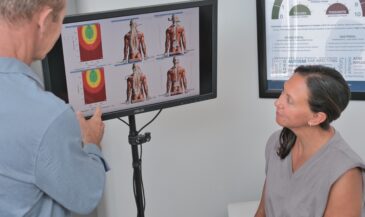
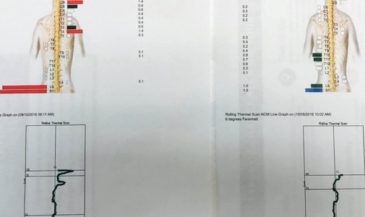
The data also shows increased patient engagement. Why? Because patients can see their results. It’s no longer a subjective conversation about how they feel—they can visually track their progress. They understand where they stand, and that understanding drives commitment. In fact, the average practice can expect to see an increase of up to ~24 patient visits per week simply by implementing the INSiGHT system. Imagine what that means for your bottom line over the course of a year. 

The Power of Visual Engagement: From Insurance to Cash 

Here’s another key area where INSiGHT scanning creates value—cash conversion. The moment you introduce technology that provides visible, measurable results, it becomes easier for patients to move from an insurance-based mindset to one of value-based care. Patients are willing to invest in their health when they see the data supporting the care they’re receiving. They’re not just paying for visits—they’re paying for results. 

Our data backs this up. Before using INSiGHT, the average re-exam fee was around $25. After implementing INSiGHT, that fee typically rises to $50. Patients are willing to pay more for their re-exams because they understand the value of tracking their neurological health in real-time. And it doesn’t stop there—the number of re-exams increases as well. Before INSiGHT, the average practice was performing around 14 re-exams per month. After INSiGHT, that number rises to approximately 38 re-exams monthly, thanks to a more structured, data-driven care plan (typically re-scanning every 12 visits). 

The ROI in the Numbers 

Let’s break down the real dollars and cents. Before implementing INSiGHT, the average monthly re-exam revenue is around $350. After INSiGHT, that number can go up to $1,900 per month. That’s an increase of $1,550 in monthly recurring revenue. And here’s the best part: most chiropractors achieve these results in as little as three months. 

You’ve just added nearly $2,000 in monthly revenue by integrating INSiGHT into your practice, with minimal adjustments beyond using the technology to enhance your care. 

The Wow Factor 

Let’s not forget the wow factor that comes with using cutting-edge technology. In today’s world, patients expect their healthcare providers to be up to date with the latest technologies and methods. Think about it: everyone’s wearing the latest smartwatch, constantly upgrading to the latest tech. Your practice should reflect that same forward-thinking. When patients walk into a clinic using INSiGHT scanning technologies, they immediately know they’re in a place that’s committed to using the best tools to deliver the best care. 

This isn’t just about enhancing your image—though that’s certainly part of it. It’s about creating a patient experience that is aligned with the modern, tech-driven world we live in. It’s about providing clarity, certainty, and results. INSiGHT’s neuro-scanning technology bridges the gap between what we know as chiropractors and what patients want to see as tangible proof. And that’s a game-changer. 

A Lifelong Investment 

When you look at the ROI of INSiGHT scanning technologies, it’s not just about the immediate increase in revenue, patient visits, or engagement—though those are all important. It’s about the long-term impact on your practice. You’re building trust, fostering deeper patient relationships, and setting the stage for lifelong care. The investment you make in INSiGHT pays off not just in numbers, but in the certainty, it brings to your communication, your recommendations, and the care you deliver. 

In chiropractic, we often talk about the lifetime value of a patient. What’s the lifetime value of a technology that transforms how you connect, how you care, and how you grow your practice? 

The ROI of INSiGHT is clear—both in dollars and in impact. In my opinion, it’s an investment you can count on. 

— Dr. David Fletcher  

Get Started with INSiGHT Scanning

Take our Free Practice Strategy Assessment. A Personalized Guide and Expert Strategy Call to Help Determine How Scanning will Help you Grow
ABOUT THE AUTHOR

Dr. David Fletcher is actively involved in all aspects of innovation teaching and research connected to the INSiGHT™ scanning technologies. He is widely recognized for his ability to share his expertise in compelling and easy to understand ways.

Dr David is a renowned chiropractor who practiced for many years with his associates in a scan-centric thriving principled family-based practice in Toronto. He is a sought-after teacher mentor and keynote speaker who takes every opportunity to share the wisdom and the power of chiropractic as it is meant to be.

https://insightcla.com/wp-content/uploads/2022/07/david-1.png
Dr. David Fletcher

DC FRCCSS(C) – Founder & CEO CLA Inc.
LIKE THIS ARTICLE? HELP US SPREAD THE WORD

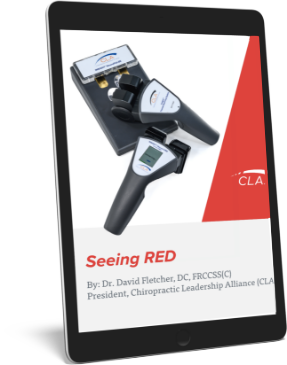
Seeing RED: A Guide to Scan Interpretation and Communication

This RED E-Book summarizes the chiropractic paradigm while providing a concise and easily remembered protocol to use when both performing and sharing scan data. It has been designed to be used by staff members and doctors as a communication tip sheet.

Read these Next…

Get Informed

Join 23,121 other Chiropractors and receive topics covering day to day challenges of running your practice.

The nervous system is the command center of the body, influencing everything from muscle movement to digestion. Yet, for many chiropractors, the role of a nervous system scan remains the second story behind spinal care. While traditional methods like X-rays focus on structure, nervous system scans dive deeper into function.

Nervous system scans,like the  INSiGHT scanning technology, are essential for understanding and improving your diagnostic capabilities, improving patient outcomes, and providing you with an edge in the competitive world of family chiropractic practice.

What is a Nervous System Scan and How Does It Work?

A nervous system scan is a non-invasive assessment tool that evaluates how well the central nervous system is functioning. Unlike X-rays, which provide a static image of the spine, these scans measure nerve function, revealing where stress or interference is impacting the body.

Different types of scans include:

  • EMG scans, which track neurological activity in the muscles.
  • Thermal scans, which measure temperature changes along the spine to detect areas of inflammation or nerve interference.
  • HRV scans, which evaluate the balance between the sympathetic and parasympathetic nervous system.

These scans provide a dynamic, functional view of a patient’s health, helping chiropractors uncover root causes rather than just treating symptoms.

Why Understanding the Nervous System is Vital in Chiropractic Care

Chiropractic care is rooted in the idea that the nervous system controls the body’s ability to heal and regulate itself. When the spinal nerves are under stress, the whole system can fall out of balance.

By integrating nervous system scans, chiropractors can:

  • Identify areas where the nervous system is struggling to communicate effectively.
  • Target adjustments that restore balance and function.
  • Provide data-driven care that resonates with patients.

In short, understanding the function of the nervous system takes your chiropractic approach from reactive to proactive.

How Nervous System Scans Compare to X-Rays

Both X-rays and nervous system scans are valuable tools, but they serve different purposes. While X-rays reveal structural misalignments, nervous system scans measure how those misalignments are impacting function.

For example:

  • X-rays might show a shifted vertebra, but they won’t reveal if it’s disrupting nerve flow or causing inflammation.
  • A nervous system scan pinpoints how that vertebral shift is affecting the surrounding nerves, muscles, and organs.

Combining these tools gives a complete picture, allowing for more precise and effective care.

When the central nervous system is disrupted by stress, injury, or subluxations, the effects can ripple throughout the body. Patients might experience:

  • Chronic pain or tightness.
  • Immune issues.
  • Difficulty regulating digestion or sleep.

A nervous system scan helps chiropractors pinpoint these disruptions, addressing the root cause and restoring the patient’s overall health.

The Power of EMG Scans in Measuring Nerve and Muscle Function

EMG scans are one of the most powerful tools in a chiropractor’s arsenal. They measure the neurological activity of the muscles, revealing patterns of tension and imbalance.

Why does this matter? Because muscles act as a feedback loop for the nervous system. If the muscles are overactive or underactive, it’s often a sign that the nerves are struggling to communicate.

By using EMG scans, chiropractors can:

  • Detect areas of stress before they become symptomatic.
  • Tailor adjustments to improve nerve conduction.
  • Track progress over time, showing patients tangible results.

How INSiGHT Scans Reveal the Impact of Subluxations

Subluxations are a key focus of chiropractic care, but understanding their impact requires more than just feel or intuition. INSiGHT scans measure the stress and tension caused by these misalignments, revealing how they’re affecting the nervous system.

For example:

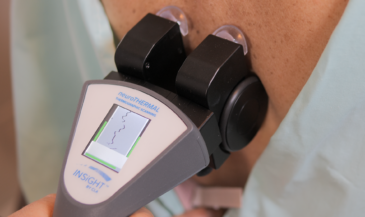
  • A neurothermal scan of a child struggling with focus might reveal how stress along the spine is interfering with the autonomic nervous system.
  • An EMG scan detects patterns of muscle imbalance caused by nerve pressure on the right and left sides of the body.
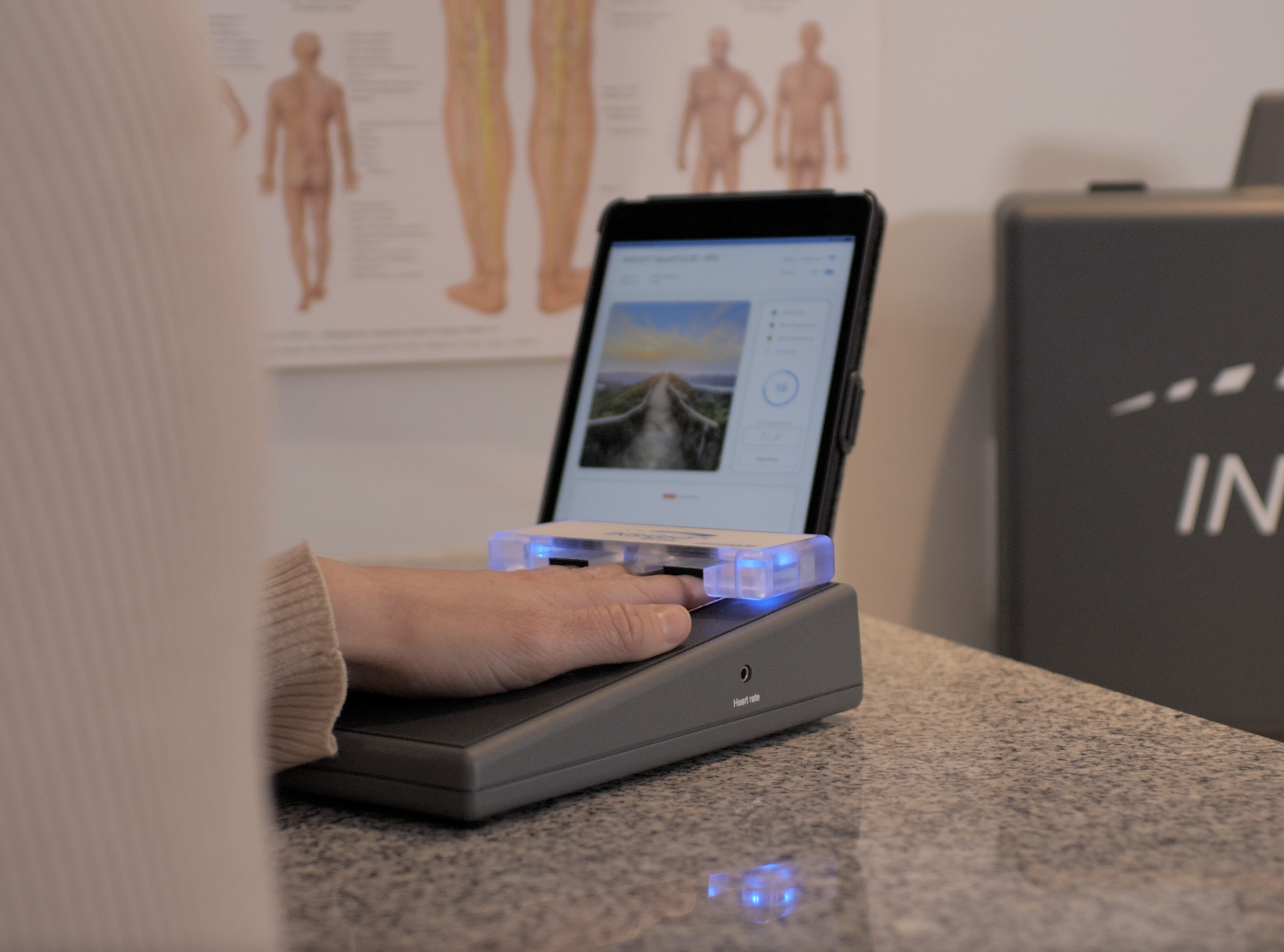
  • An HRV scan measures the balance between the sympathetic (fight or flight) and parasympathetic (rest and digest) systems. This provides a marker of neurological health and helps chiropractors address deeper issues affecting a patient’s overall brain function and coordination.

This data not only improves your adjustments but also helps patients understand why ongoing care is necessary.

Why Nervous System Scans Are Essential for Pediatric Chiropractic Care

Children’s bodies are still developing, and their nervous system is still learning how to function at full capacity. Early interference can lead to long-term issues, from sensory integration disorders to immune challenges.

The exciting thing about pediatric chiropractic is the ability to intervene early. Scans like HRV or neuroTHERMAL scans help chiropractors see how the nervous system is functioning and track progress in areas like:

  • Brain function and development.
  • Coordination and muscle tone.
  • Immune system resilience.

For parents, this offers peace of mind and a clearer understanding of their child’s health journey.

How Scans Help Chiropractors Track Progress and Build Trust

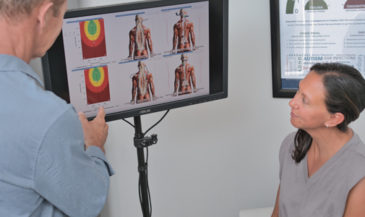
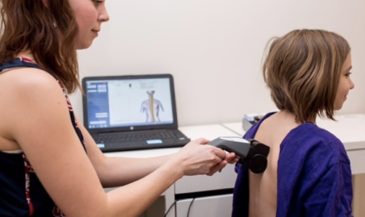
One of the main benefits of nervous system scanning is how it improves patient communication. Instead of asking patients how they feel, you can show them measurable data on how their body is improving.

Patients can see:

  • Areas of improvement after an adjustment.
  • The long-term impact of care on their nervous system.
  • How their stress levels are affecting their overall health.

This builds trust and keeps patients engaged in their care plan, improving retention and outcomes.

How to Implement Scanning Technology in Your Chiropractic Practice

Integrating scanning technology into your practice doesn’t have to be complicated. Start with a tool like INSiGHT Scanning Technology, which offers multiple scan types in one system.

Steps to get started:

  1. Introduce scans during initial patient evaluations to establish a baseline.
  2. Use scan results to guide adjustments and track progress.
  3. Educate patients with clear, visual data that explains the importance of their care plan.

With tools like these, you’re not just adding technology. You’re elevating your practice and providing better care.

Key Takeaways

  • Nervous system scans reveal the function behind the structure, offering insights X-rays can’t.
  • Tools like EMG scans and neuroTHERMAL scans highlight stress, tension, and interference in the nervous system.
  • Combining scans with traditional chiropractic care improves accuracy and patient outcomes.
  • Pediatric chiropractic care benefits immensely from these tools, allowing for early intervention and better development.
  • Incorporating scanning technology like INSiGHT builds trust and helps patients stay committed to their care.

Nervous system scans aren’t just another tool—they’re a game changer for chiropractors who want to provide cutting-edge care. Start integrating them today, and watch your practice and patient outcomes soar.

Book a call with an INSiGHT Advisor today to learn how you can bring this transformative technology into your chiropractic clinic so you can lead your patients on a journey toward optimal health and wellness.

Get Started with INSiGHT Scanning

Take our Free Practice Strategy Assessment. A Personalized Guide and Expert Strategy Call to Help Determine How Scanning will Help you Grow
ABOUT THE AUTHOR

Dr. David Fletcher is actively involved in all aspects of innovation teaching and research connected to the INSiGHT™ scanning technologies. He is widely recognized for his ability to share his expertise in compelling and easy to understand ways.

Dr David is a renowned chiropractor who practiced for many years with his associates in a scan-centric thriving principled family-based practice in Toronto. He is a sought-after teacher mentor and keynote speaker who takes every opportunity to share the wisdom and the power of chiropractic as it is meant to be.

https://insightcla.com/wp-content/uploads/2022/07/david-1.png
Dr. David Fletcher

DC FRCCSS(C) – Founder & CEO CLA Inc.
LIKE THIS ARTICLE? HELP US SPREAD THE WORD

The Incredible Value of Chiropractic Screenings

This practical guide provides details on how to use screenings to maximize the opportunity to share the message of chiropractic in your community. Practical tips and tricks for using the INSIGHT for all ages while screening makes this a super useful tool.

Read these Next…

Get Informed

Join 23,121 other Chiropractors and receive topics covering day to day challenges of running your practice.

Chiropractors, it’s time to ask a critical question: Are you still focusing solely on structural issues, or are you addressing the nervous system’s performance as the key to patient health?

Many chiropractors rely exclusively on traditional tools like X-rays, which provide great insights into structural misalignments. But let’s face it, those tools don’t tell the full story.

If we’re serious about helping patients achieve optimal health, we need to start looking at function, not just structure. That’s where nervous system scanning steps in. It gives you the ability to measure the very system that controls every organ, muscle, and tissue in the body.

If you’ve been hesitant to embrace neuroscience, it’s time to see how these tools can elevate your chiropractic care!

Why X-Rays Alone Aren’t Enough Anymore

X-rays have been a staple in chiropractic care for decades, and for good reason. They’re excellent at showing structural misalignments and abnormalities.

But here’s the catch… they only show the bones! They don’t give you any information about how those misalignments are impacting the nervous system.

Misalignments are a problem not because they’re out of place, but because they interfere with the body’s ability to communicate and heal. X-rays don’t reveal that interference. They don’t show you where the nervous system is stressed, or how your adjustments are helping restore function.

If you’re only relying on X-rays, you’re working with incomplete information. You’re addressing symptoms but not the deeper cause.

What Nervous System Scans Reveal That X-Rays Miss

Nervous system scans give you something X-rays can’t: a functional look at how the body is working.

Instead of just seeing bones and pathology, these scans measure the nervous system’s ability to regulate and respond. They show you exactly where stress, tension, or miscommunication is happening in the body.

For example:

  • EMG scans measure the electrical activity of muscles. They highlight areas where the neuromuscular systems are under stress due to poor nerve communication.
  • Neurothermal scans track temperature variations along the spinal skin, which can indicate inflammation or nerve interference that control the organs and glands.
  • Heart Rate Variability (HRV) scans provide insights into the balance between the sympathetic and parasympathetic nervous systems.

This combined data allows you to pinpoint the root cause of your patient’s health issues and make adjustments that directly improve nervous system function.

Why the Nervous System is the Core of Chiropractic Care

Let’s take it back to basics. Chiropractic care isn’t just about aligning bones. It’s about restoring balance and communication within the nervous system.

The nervous system controls everything. It regulates movement, sensation, and even the body’s ability to heal. When there’s interference—whether from stress, injury, or subluxations—the body can’t function properly.

By focusing on the nervous system, you’re addressing the foundation of your patient’s health. This leads to better outcomes, fewer recurring issues, and a deeper understanding of what’s really going on in the body.

How Nervous System Scans Complement Traditional X-Rays

If you’re thinking, “Does this mean I need to stop using X-rays?” the answer is no. Nervous system scans don’t replace X-rays, they complement them!

While X-rays show you the structure, nervous system scans show you the function. Together, they provide a complete picture of your patient’s health.

For instance, you can use X-rays to identify a misalignment and a nervous system scan to see how that misalignment is affecting nerve communication. After an adjustment, you can compare scans to see if the nervous system is functioning better.

This dual approach takes your care to the next level, making it more precise and results-driven.

How Scans Improve Your Adjustments

One of the biggest benefits of nervous system scanning is that it makes your adjustments more targeted and effective.

Without functional data, you’re relying on subjective feedback from your patients. You’re adjusting based on how they feel, not on how their body is actually functioning.

With nervous system scans, you can:

  • Pinpoint exactly where the interference is happening.
  • Measure the impact of your adjustments in real-time.
  • Track long-term progress by comparing scans over time.

This allows you to provide more precise care and build trust with your patients, who can see their progress in clear, measurable terms.

How Nervous System Scanning Enhances Patient Communication

Let’s talk about patient retention.

How many patients have stopped coming to their appointments because they “felt better”? It’s a common problem in chiropractic care.

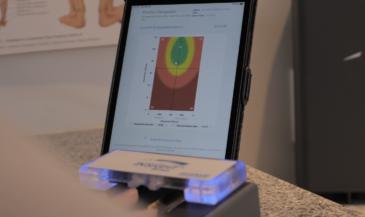
Nervous system scans solve this issue by giving you a visual, measurable way to show patients what’s happening inside their bodies. You can explain that while their symptoms might have improved, their nervous system still needs care to maintain proper function.

When patients see their scan results, they understand the need for continued care. This builds trust, improves retention, and helps them commit to their treatment plans.

Why Patients Care About Nervous System Scans

Patients today are more informed than ever. They want data. They want proof that their care is working.

Nervous system scans provide that proof. They show patients exactly where their body is under stress and how your adjustments are helping restore function.

This isn’t just about giving patients peace of mind. It’s about empowering them to take an active role in their health. When they see their scan results, they’re more likely to follow through with their care plan and recommend your services to others.

How to Introduce Nervous System Scanning Into Your Practice

If you’re ready to integrate nervous system scanning, start small. You don’t need to overhaul your practice overnight. Here’s a simple way to get started:

  1. Invest in a versatile system like INSiGHT Scanning Technology, which combines EMG, neurothermal, and HRV scans into one easy-to-use platform.
  2. Run scans on your new patients during their initial assessment to establish a baseline.
  3. Use the scans to guide your adjustments and show patients their progress over time.

By incorporating these tools, you’re adding a new layer of insight and precision to your practice without abandoning the methods you already trust.

The Benefits of Adding INSiGHT Scanning Technology

If you’re considering nervous system scanning, INSiGHT Scanning Technology is the gold standard for chiropractors.

It’s designed specifically for our profession, offering:

  • A comprehensive look at nervous system function.
  • Easy-to-read reports that help patients understand their care.
  • A scoring system to track progress over time.

It’s not just about improving your patient care; it’s also a powerful marketing tool that sets your practice apart from others. With INSiGHT Scanning, you can offer a level of care that most chiropractors can’t match.

Ready To Get Started?

Traditional tools like X-rays have their place in chiropractic care, but they’re no longer enough on their own. If we’re serious about addressing the root cause of our patients’ health issues, we need to start focusing on the nervous system.

By incorporating nervous system scanning, you’re not just adding another tool to your practice. You’re transforming the way you deliver care. You’re providing more precise adjustments, better patient communication, and measurable results.

This is the future of chiropractic care. Are you ready to be part of it?

Book a call with an INSiGHT Advisor today to learn how you can bring this transformative technology into your chiropractic clinic so you can lead your patients on a journey toward optimal health and wellness.

Get Started with INSiGHT Scanning

Take our Free Practice Strategy Assessment. A Personalized Guide and Expert Strategy Call to Help Determine How Scanning will Help you Grow
ABOUT THE AUTHOR

Dr. David Fletcher is actively involved in all aspects of innovation teaching and research connected to the INSiGHT™ scanning technologies. He is widely recognized for his ability to share his expertise in compelling and easy to understand ways.

Dr David is a renowned chiropractor who practiced for many years with his associates in a scan-centric thriving principled family-based practice in Toronto. He is a sought-after teacher mentor and keynote speaker who takes every opportunity to share the wisdom and the power of chiropractic as it is meant to be.

https://insightcla.com/wp-content/uploads/2022/07/david-1.png
Dr. David Fletcher

DC FRCCSS(C) – Founder & CEO CLA Inc.
LIKE THIS ARTICLE? HELP US SPREAD THE WORD

Seeing RED: A Guide to Scan Interpretation and Communication

This RED E-Book summarizes the chiropractic paradigm while providing a concise and easily remembered protocol to use when both performing and sharing scan data. It has been designed to be used by staff members and doctors as a communication tip sheet.

Read these Next…

Get Informed

Join 23,121 other Chiropractors and receive topics covering day to day challenges of running your practice.

If you’ve been practicing chiropractic for a while, chances are you’ve relied heavily on X-rays to guide your treatment.

You’re not alone.

A lot of chiropractors out there still swear by traditional X-rays as their main diagnostic tool. After all, X-rays have been used for over a century, giving us a clear picture of spinal misalignments.

But here’s the deal.

X-rays show structure, not function.

And if you’re only looking at structure, you’re missing the bigger picture of what’s really happening with your patients’ nervous system—the system that actually controls every movement, sensation, and bodily function.

This article is going to lay out why it’s time to move beyond just X-rays and start incorporating neuroscience and nervous system scanning into your practice. Whether you’re skeptical or just resistant to change, I’ll show you how these tools can enhance what you already do, without throwing out your trusty X-ray machine.

Why Relying Solely on X-Rays Is Limiting Your Practice

Here’s the truth.

Relying only on X-rays is like using a hammer when what you really need is a full toolbox.

X-rays show bones and pathology, but they don’t tell you anything about nerve function or how the nervous system is coping with stress.

And isn’t that what chiropractic care is all about?

We’re working with the nervous system, not just bones.

If your focus is purely on spinal misalignments as seen on X-rays, you’re only addressing part of the problem. The real magic happens when you can see how those misalignments are affecting the nervous system—and that’s where nervous system scans come in.

What Traditional X-Rays Don’t Tell You About the Nervous System

What is the problem with X-rays? Well, they show you the bones, but they completely miss what’s going on with the nerves.

And let’s be honest, misalignments are only part of the puzzle. It’s the nervous system that’s running the show. Misaligned vertebrae are a problem because they disrupt the nervous system, not just because they’re out of place.

But X-rays don’t show you that.

They don’t tell you if the nervous system is firing properly, or if it’s under stress. They don’t reveal how well your patient’s central nervous system is regulating the body. And without that information, you’re basically working with incomplete data.

Why Neuroscience Matters in Chiropractic Care

Chiropractic is about so much more than bones. At its core, chiropractic care is all about the nervous system.

Think about it! Your adjustments aren’t just about moving bones. They’re about restoring communication between the brain and the body. The nervous system runs the show, and when there’s interference, the whole body suffers.

This is why neuroscience is so important to our profession.

It’s the study of how the nervous system works and how it influences health. By understanding neuroscience, you can provide more comprehensive care to your patients—care that goes beyond just fixing misalignments and addresses the real source of the problem.

How Nervous System Scans Complement X-Rays

I’m not telling you to throw out your X-ray machine.

It still has its place, especially when it comes to diagnosing structural issues. But nervous system scans give you the missing piece of the puzzle—how those structural issues are affecting the function of the nervous system.

With tools like EMG scans, neurothermal scans, and heart rate variability (HRV) tests, you can see what the X-ray doesn’t show. You can measure how the nerves are firing, where there’s stress or inflammation, and how the body is responding to care.

This means you’re not just guessing. You’re using objective data to guide your adjustments, making them more precise and effective.

Isn’t Chiropractic About the Nervous System?

Chiropractic care has always been about the nervous system. When D.D. Palmer founded chiropractic, it wasn’t about cracking bones. It was about releasing interference in the nervous system so the body could heal itself.

But somewhere along the way, the focus shifted. We got stuck on X-rays and spinal misalignments, forgetting that the real reason those misalignments matter is because they interfere with the nervous system.

It’s time to get back to our roots. Incorporating nervous system scans helps us return to the core principle of chiropractic: restoring nervous system function.

Here’s where nervous system scans really shine.

They give you a clear picture of how your patient’s nervous system is functioning. Whether it’s an EMG scan showing muscle activity or a neurothermal scan tracking temperature changes along the spinal cord, these scans provide objective data on nervous system function.

And when you have that data, you can:

  • Make more precise adjustments
  • Track how well your patient’s nervous system is responding to care
  • Show your patients the progress they’re making in a way that’s easy to understand

Instead of relying on subjective reports of pain, you can show them hard data that proves your care is working.

That’s a game changer!

How to Get Started with Nervous System Scans Without Ditching X-Rays

It doesn’t mean throwing out your X-ray machine or changing your practice overnight. It’s about adding another layer of insight into your care.

Start by looking into nervous system scanning technology, like the INSiGHT system. This tool integrates EMG, neurothermal, and HRV scanning into one platform, giving you a full picture of your patient’s nervous system.

Here’s why this works:

  • You can still use X-rays to check for structural issues.
  • Nervous system scans give you the functional data you need to guide your care.
  • Combining both approaches gives you a more comprehensive view of your patient’s health, leading to better results.

Discover the Future of Chiropractic Care

Are you ready to revolutionize your practice and provide unparalleled patient care? Integrate INSiGHT scanning technology and experience the difference it makes.

Book a call with an INSiGHT Advisor today to learn how you can bring this transformative technology into your chiropractic clinic so you can lead your patients on a journey toward optimal health and wellness.

Get Started with INSiGHT Scanning

Take our Free Practice Strategy Assessment. A Personalized Guide and Expert Strategy Call to Help Determine How Scanning will Help you Grow
ABOUT THE AUTHOR

Dr. David Fletcher is actively involved in all aspects of innovation teaching and research connected to the INSiGHT™ scanning technologies. He is widely recognized for his ability to share his expertise in compelling and easy to understand ways.

Dr David is a renowned chiropractor who practiced for many years with his associates in a scan-centric thriving principled family-based practice in Toronto. He is a sought-after teacher mentor and keynote speaker who takes every opportunity to share the wisdom and the power of chiropractic as it is meant to be.

https://insightcla.com/wp-content/uploads/2022/07/david-1.png
Dr. David Fletcher

DC FRCCSS(C) – Founder & CEO CLA Inc.
LIKE THIS ARTICLE? HELP US SPREAD THE WORD

Seeing RED: A Guide to Scan Interpretation and Communication

This RED E-Book summarizes the chiropractic paradigm while providing a concise and easily remembered protocol to use when both performing and sharing scan data. It has been designed to be used by staff members and doctors as a communication tip sheet.

Read these Next…

Get Informed

Join 23,121 other Chiropractors and receive topics covering day to day challenges of running your practice.
+