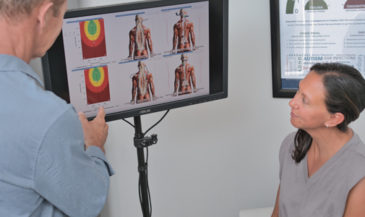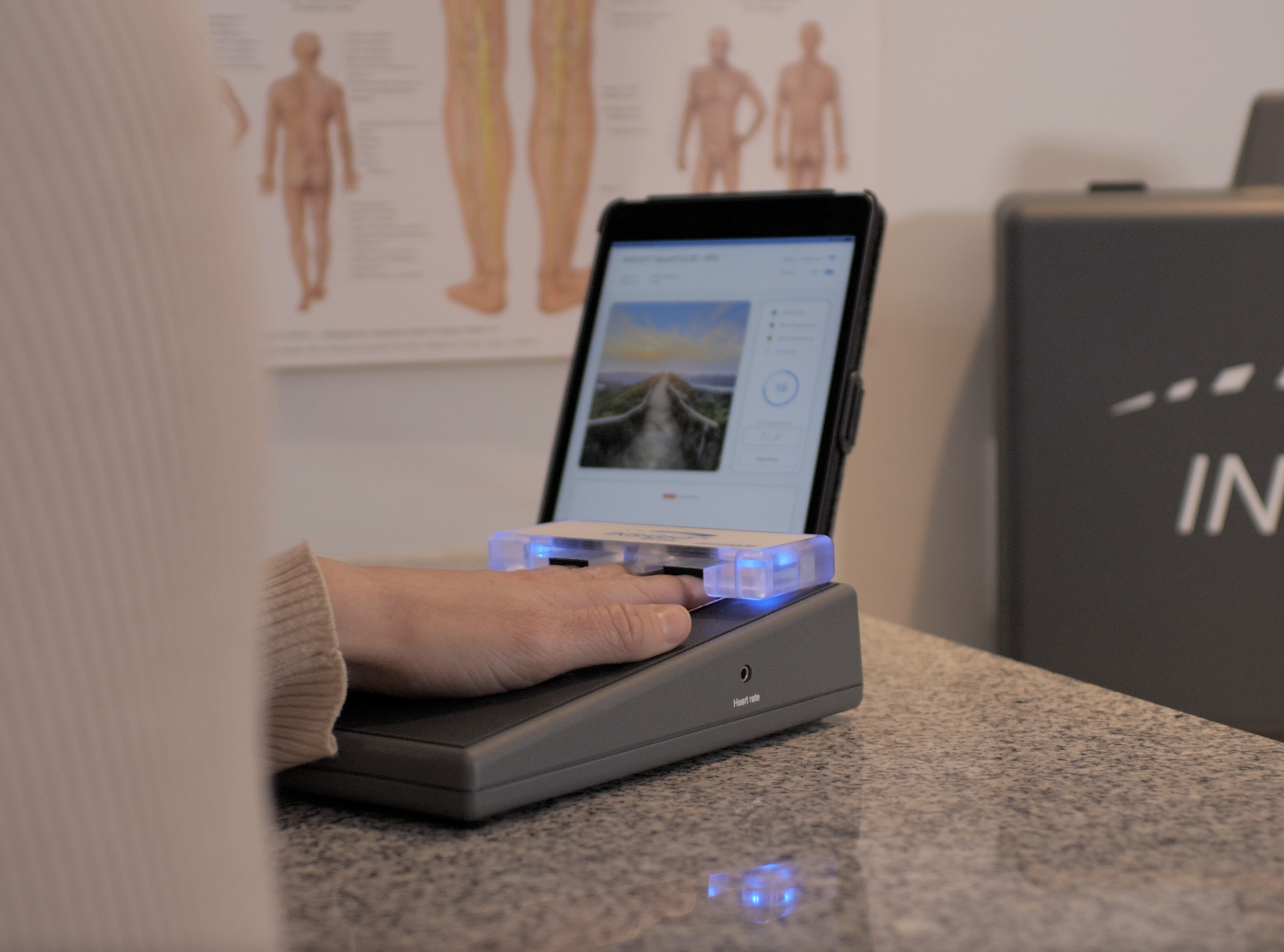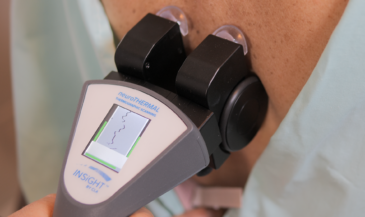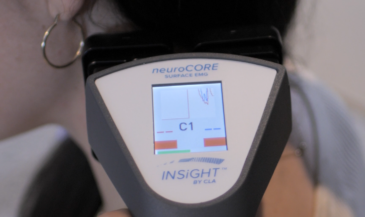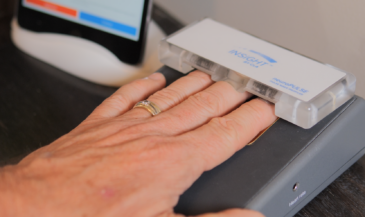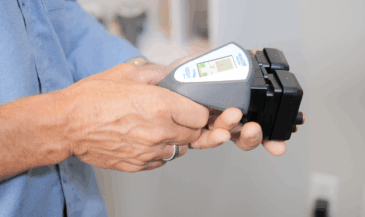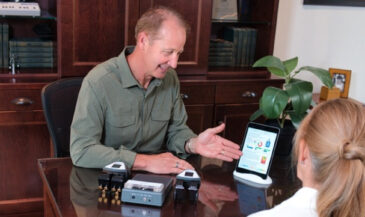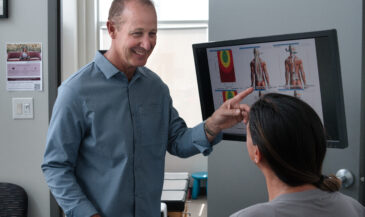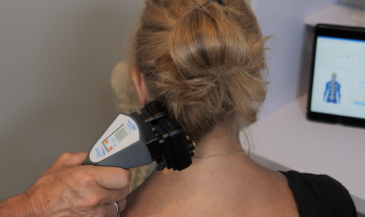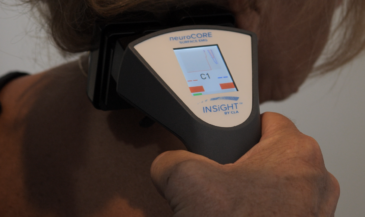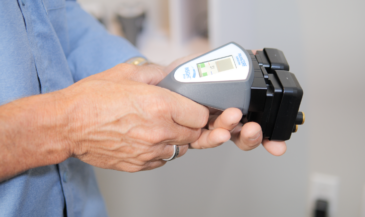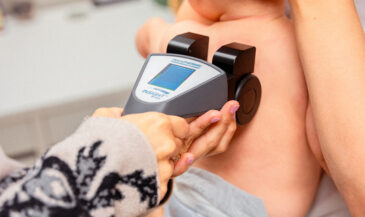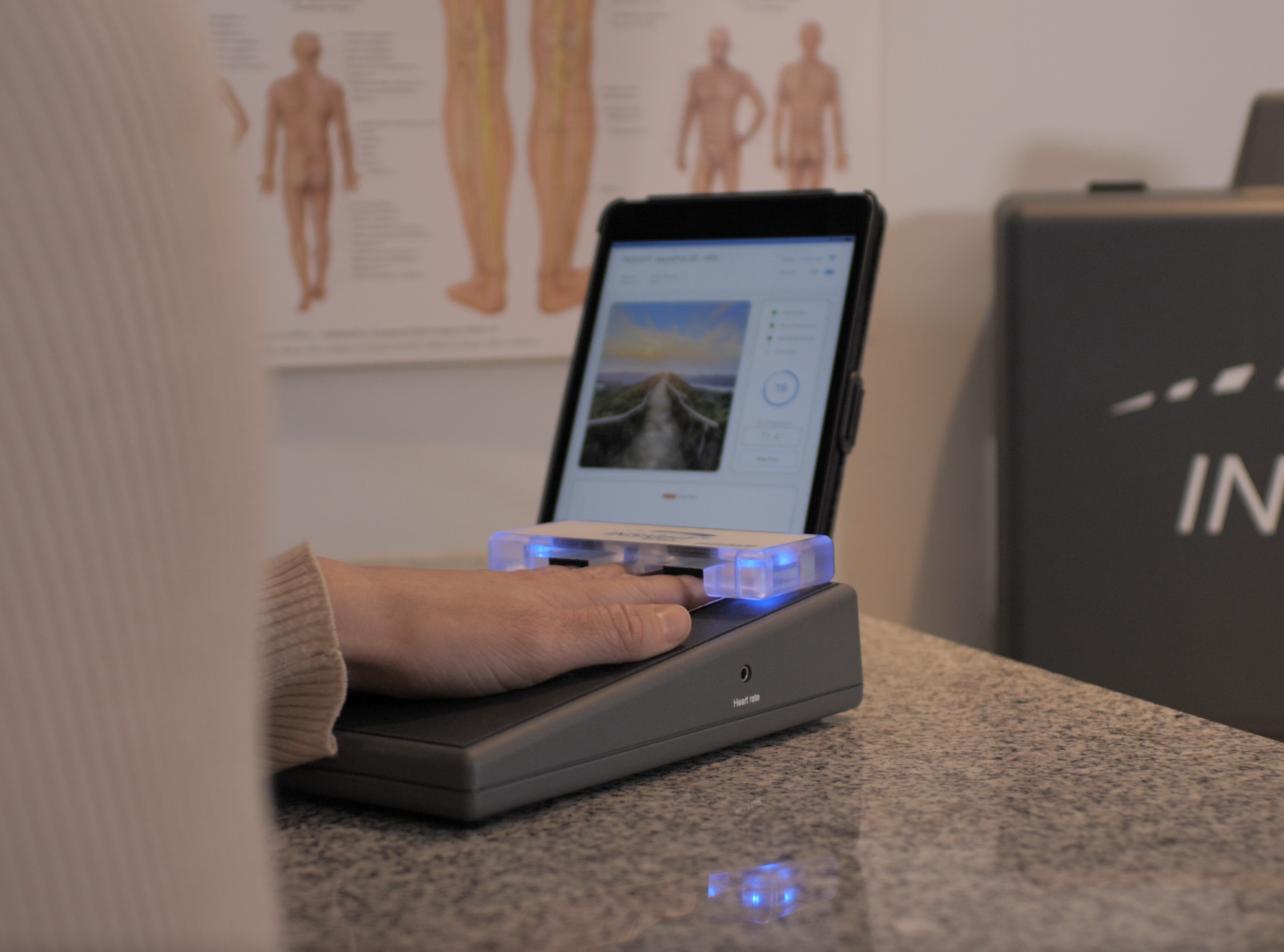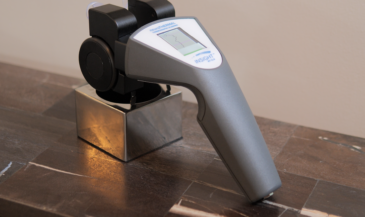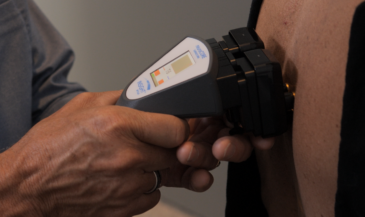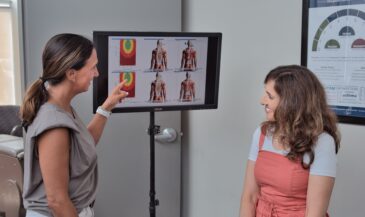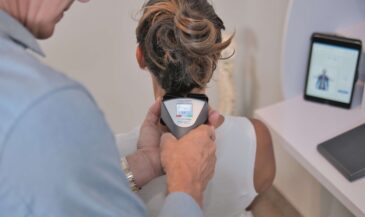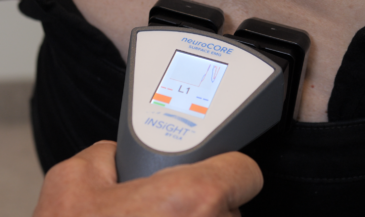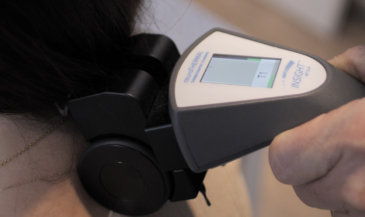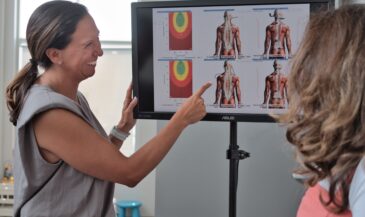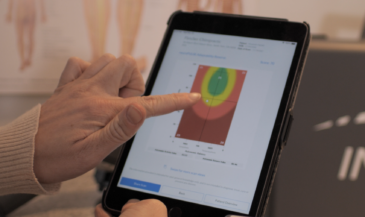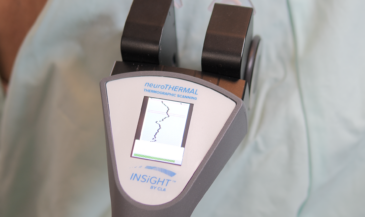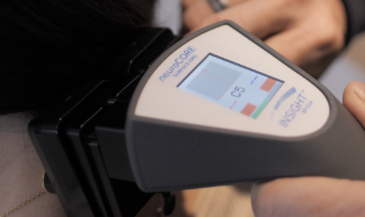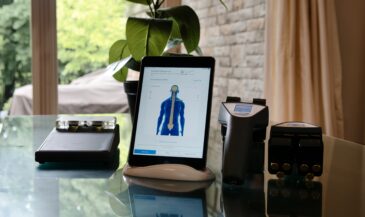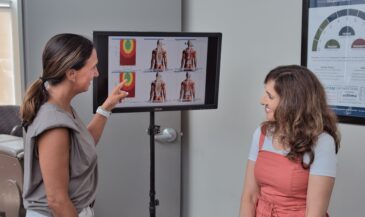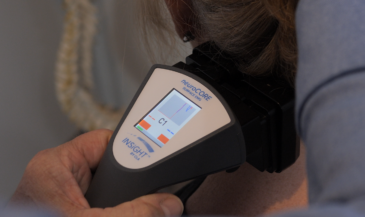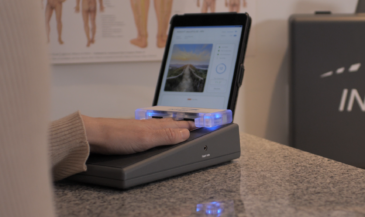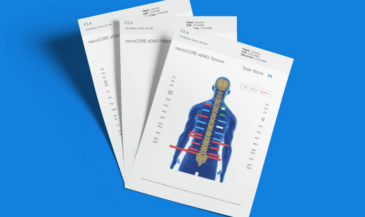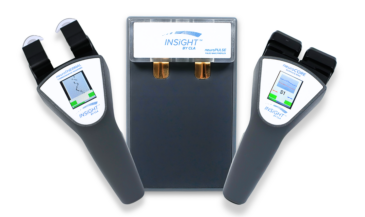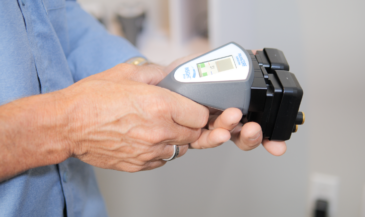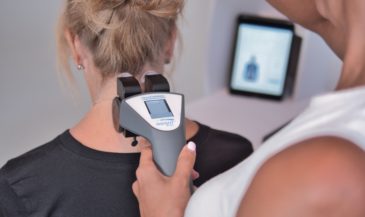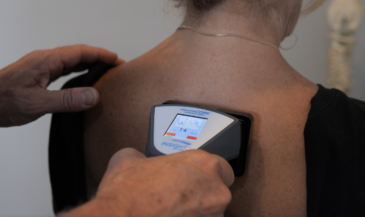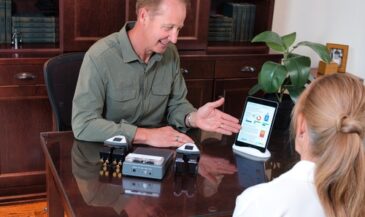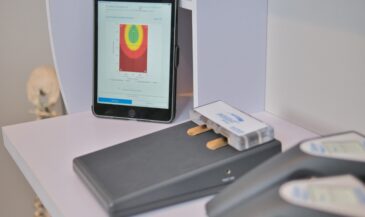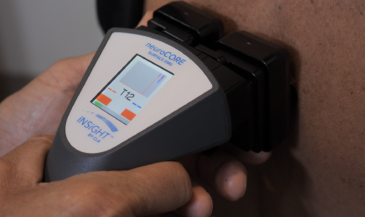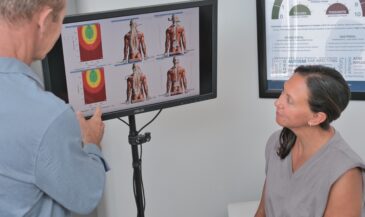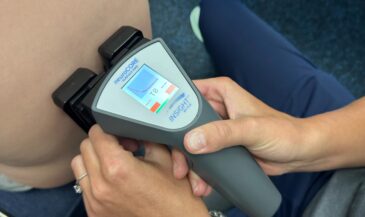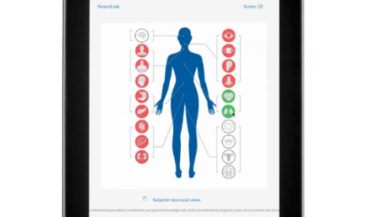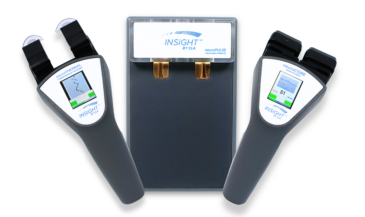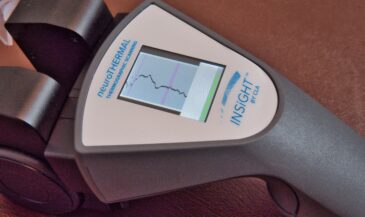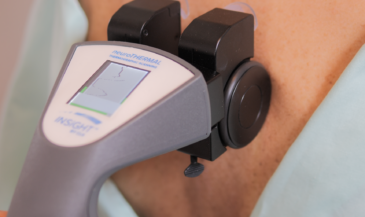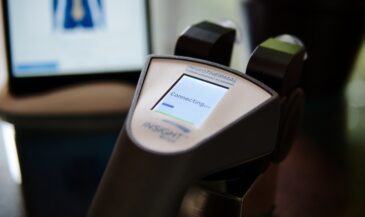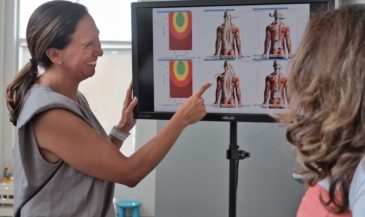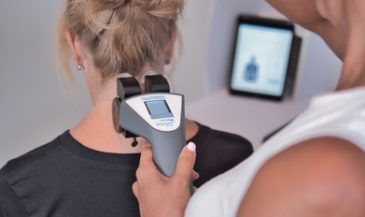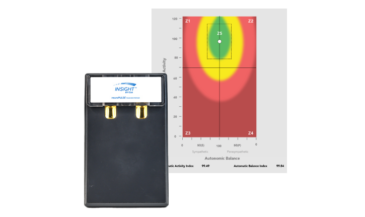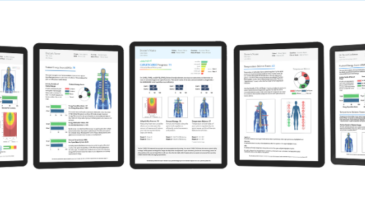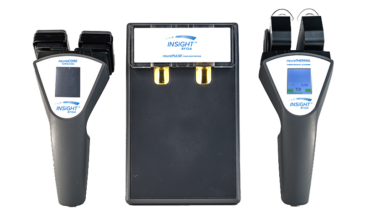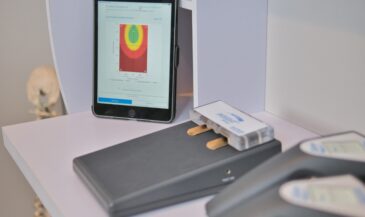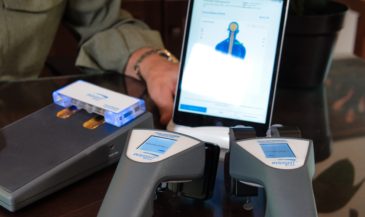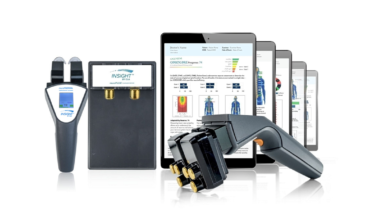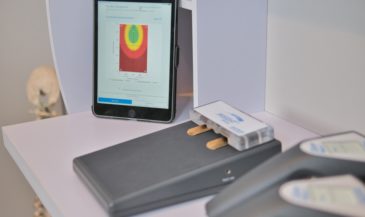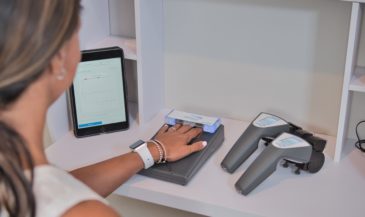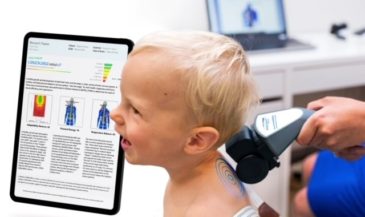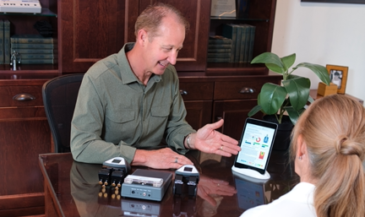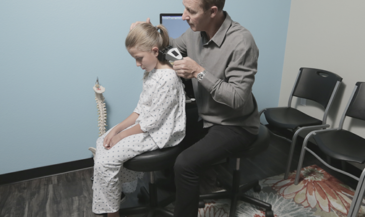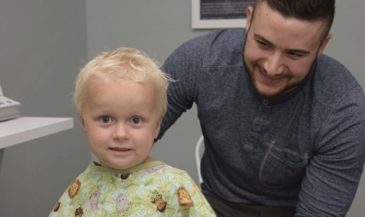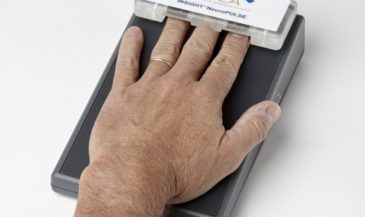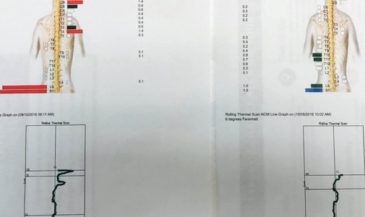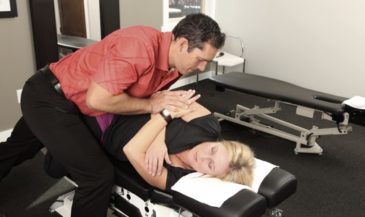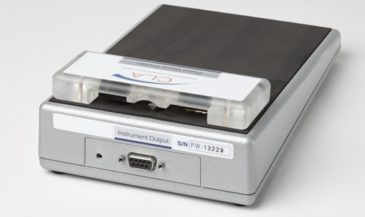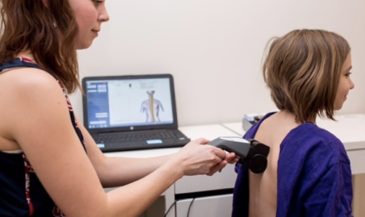
Neurological scans have revolutionized chiropractic care by providing objective, measurable insights into how the nervous system functions. By combining tools and analyses like surface electromyography (sEMG), skin temperature differentials, and heart rate variability (HRV), chiropractors can move beyond subjective assessments to deliver data-driven care. CLA’s INSiGHT neuroTECH combines these three instruments, providing the chiropractor with an advanced neurofunctional approach in their examinations and subsequent reporting.  

Christopher Kent, DC, JD, published a paper in November 2024 titled “Assessment of Somatic and Autonomic Nervous System Changes Associated with Vertebral Subluxation,” that delves into the science behind these tools, making a compelling case for their integration into modern chiropractic practices.

Click here to download our compilation of all publications supporting neurological scanning technology!

The Role of Neurological Scans in Chiropractic

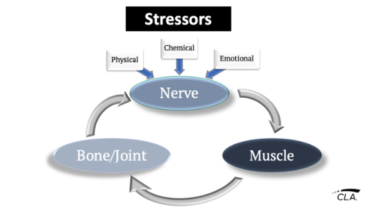
Vertebral subluxations affect more than just the spine; they disrupt nervous system function. Kent’s paper highlights how subluxations lead to dysafferentation (altered sensory input), dyskinesia (movement dysfunction), dysponesis (abnormal muscle activity), and dysautonomia (autonomic imbalances). Traditional tools like X-rays provide a structural view of the spine but cannot measure these functional impacts. This is where neurological scans excel, offering insights into the nervous system’s role in overall health.

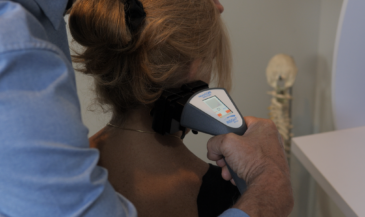
Surface Electromyography (sEMG): Measuring Muscle Activity

sEMG measures the electrical activity in paraspinal muscles, revealing patterns of overactivity or weakness that correlate with subluxations. Unlike needle electromyography, sEMG is non-invasive, painless, and ideal for routine use in chiropractic care.

Scientific Validation

Kent’s paper underscores the reliability of sEMG, citing studies that demonstrate high test-retest consistency with correlation coefficients ranging from 0.73 to 0.97. These findings validate sEMG as a dependable tool for:

  • Identifying Problem Areas: Pinpointing specific regions of muscular imbalance caused by subluxations.
  • Tracking Progress: Showing measurable changes in muscle activity after adjustments.
  • Enhancing Communication: Providing visual, objective data that patients can easily understand.

sEMG data also helps chiropractors refine their care plans, ensuring adjustments address the root causes of dysfunction.

Skin Temperature Differentials: Mapping Autonomic Imbalances

Skin temperature analysis uses paraspinal infrared technology to measure temperature differentials along the spine, reflecting autonomic nervous system activity. Kent’s research explains how subluxations disrupt autonomic function, leading to temperature asymmetries that signal nervous system imbalances.

Key Findings

  • Thermal Patterns: Healthy nervous systems exhibit dynamic, adaptable temperature patterns, while fixed patterns often indicate chronic issues. 
  • Reliability: Modern infrared thermography systems achieve reproducibility rates as high as 0.95, making them suitable for clinical use.
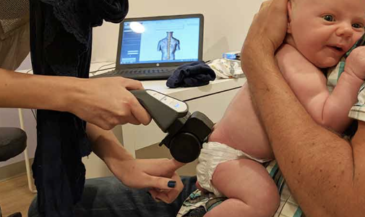
  • Practical Application: Chiropractors can use these scans to validate adjustments and monitor long-term patient progress. Thermal scanning is an excellent assessment approach for all ages, from newborns to seniors.

Kent underscores that thermal scanning is  not only valid and reliable  but also a powerful communication approach. They provide visual proof of autonomic changes, which helps patients grasp the importance of consistent care.

Heart Rate Variability (HRV): Gauging Stress and Adaptability

HRV measures the time intervals between heartbeats, offering insights into autonomic nervous system balance. A healthy nervous system shows high HRV, while stress or dysfunction leads to lower HRV.

Research Insights

Kent’s paper highlights HRV as a critical tool for:

HRV has applications beyond chiropractic, including stress management, cardiovascular health, and fitness tracking, but its integration into chiropractic care is especially impactful for showcasing functional improvements.

The Science of Reliable Measurements

Consistency is key when using neurological scans in practice. Kent’s paper provides extensive evidence of the reliability of these tools:

  • sEMG: Demonstrates excellent inter- and intra-examiner reliability, making it a cornerstone of chiropractic diagnostics.
  • Thermal Scans: Infrared systems provide highly reproducible data, ensuring consistency across visits.
  • HRV: Offers robust metrics through time-domain and frequency-domain analyses, enabling precise assessments of autonomic function.

These reliable measurements build patient trust by providing consistent results that validate the effectiveness of care.

The Practical Integration of Neurological Scans

Integrating these tools into everyday chiropractic practice is straightforward and impactful. Kent’s research suggests the following approaches:

  • Baseline Scans: Perform scans during initial consultations to establish a functional starting point.
  • Regular Monitoring: Schedule follow-up scans every 4-6 visits to track progress and refine care plans.
  • Patient Education: Use scan data to explain the significance of subluxations and the importance of ongoing care.

These strategies enhance diagnostic precision, improve patient engagement, and foster long-term trust.

The Function-First Chiropractic Paradigm

Kent’s research advocates for a shift from structure-focused to function-first chiropractic care. This approach prioritizes optimizing nervous system function to improve overall health, aligning chiropractic practices with modern scientific insights.

By addressing the root causes of dysfunction, chiropractors can move beyond symptom management to deliver comprehensive, life-changing care. This shift also positions chiropractic as an integral part of holistic health strategies.

The Scientific Future of Chiropractic Care

Neurological scans are reshaping chiropractic care by providing scientifically validated tools to assess and optimize nervous system function. Kent’s research highlights the profound impact of sEMG, skin temperature analysis, and HRV on improving diagnostic accuracy, patient communication, and care outcomes.

By embracing these tools, chiropractors can elevate their practice and deliver care that is not only measurable but also transformative. The science is clear: the future of chiropractic care lies in understanding and enhancing the nervous system.


Get Started with INSiGHT Scanning

Take our Free Practice Strategy Assessment. A Personalized Guide and Expert Strategy Call to Help Determine How Scanning will Help you Grow
ABOUT THE AUTHOR

Dr. David Fletcher is actively involved in all aspects of innovation teaching and research connected to the INSiGHT™ scanning technologies. He is widely recognized for his ability to share his expertise in compelling and easy to understand ways.

Dr David is a renowned chiropractor who practiced for many years with his associates in a scan-centric thriving principled family-based practice in Toronto. He is a sought-after teacher mentor and keynote speaker who takes every opportunity to share the wisdom and the power of chiropractic as it is meant to be.

https://insightcla.com/wp-content/uploads/2022/07/david-1.png
Dr. David Fletcher
DC FRCCSS(C) – Founder & CEO CLA Inc.
LIKE THIS ARTICLE? HELP US SPREAD THE WORD

Be Seen. Be Heard. Be Certain

In today’s saturated healthcare market, chiropractors face an ongoing challenge: being visible. Discover key marketing tactics to ensure you can BE SEEN, BE HEARD, and BE CERTAIN in your practice!

Read these Next…

Get Informed

Join 23,121 other Chiropractors and receive topics covering day to day challenges of running your practice.

Christopher Kent, DC, JD, highlights in his recent paper, “Assessment of Somatic and Autonomic Nervous System Changes Associated with Vertebral Subluxation,” that chiropractors can better understand and measure nervous system performance as it relates to the presence of vertebral subluxation using scientifically validated tools like surface electromyography (sEMG), paraspinal thermography, and heart rate variability (HRV). These neurofunctional assessments are transforming chiropractic practices by offering measurable, reliable data that inform and enhance patient care. The INSiGHT neuroTECH by CLA combines these three assessment tools. 

Why X-rays Alone Aren’t Enough

Traditional X-rays offer a view of the skeletal structure but fail to provide information about nervous system function. Kent’s paper emphasizes that while X-rays are invaluable for identifying structural misalignments, they cannot measure the neurological impact of vertebral subluxations. This is where advanced tools like sEMG and HRV come into play. These instruments focus on function, assessing how well the nervous system communicates with the rest of the body.

Kent’s operational model identifies four key components of neurological dysfunction associated with subluxations: dysafferentation (altered nerve input), dyskinesia (movement distortion), dysponesis (errors in energy expenditure related to neuromuscular activity), and dysautonomia (autonomic imbalance). Each of these components directly affects the body’s overall health, making functional assessments indispensable.

Surface Electromyography: A Window into NeuroMuscular Activity

According to Kent’s findings, sEMG is a powerful tool for assessing muscle activity along the spine. It measures electrical signals generated in muscles, which can indicate areas of overactivity or underactivity caused by subluxations. Unlike invasive needle electromyography, sEMG is non-invasive and suitable for routine clinical use.

Kent cites studies showing that sEMG provides high test-retest reliability, with correlation coefficients ranging from 0.73 to 0.97. This reliability makes sEMG a valuable diagnostic and tracking tool for chiropractors. For example:

  • Pinpointing Dysfunction: sEMG helps identify specific spinal regions where muscle activity is abnormal.
  • Tracking Progress: By comparing scans over time, chiropractors can demonstrate the effectiveness of adjustments in reorganizing the neuromuscular efficiency.
  • Patient Engagement: Visual data from sEMG scans help patients understand their need for chiropractic care and their progress.

Kent highlights that sEMG is particularly useful for evaluating changes in muscle tone after adjustments, reinforcing its role in both assessments and patient communication.

Paraspinal Skin Temperature Differentials: Measuring Autonomic Function

Skin temperature analysis offers a direct measure of spinal autonomic nervous system activity. Kent’s paper explains how infrared thermography can detect temperature asymmetries along the spine, which may indicate nerve interference caused by vertebral subluxations. These temperature changes are linked to autonomic dysregulation, a key marker of nervous system imbalance.

Key points from Kent’s research:

  • Thermal Patterns Reflect Health: Consistently symmetrical, changing thermal patterns suggest a healthy nervous system, while fixed patterns often indicate chronic subluxations.
  • Reliable and Non-Invasive: Modern infrared thermography systems provide highly reproducible results, making them ideal for clinical use.
  • Practical Application: Chiropractors can use skin temperature differentials to monitor the impact of adjustments and validate their care strategies.

Kent underscores that thermal scanning is  not only valid and reliable  but also a powerful communication approach. They provide visual proof of autonomic changes, which helps patients grasp the importance of consistent care.

Heart Rate Variability: A Marker of Stress and Adaptability

Heart rate variability (HRV) measures the variation in time between heartbeats, offering insights into the balance between the sympathetic and parasympathetic branches of the autonomic nervous system. Kent’s paper describes HRV as a “game-changer” for chiropractors.

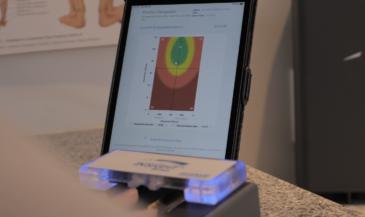
Research cited in the paper shows that HRV improves following chiropractic adjustments, indicating a shift toward a healthier nervous system balance. For example:

  • Stress Assessment: HRV reveals whether a patient’s body is stuck in a fight-or-flight state.
  • Tracking Recovery: Higher HRV scores after adjustments suggest better nervous system adaptability.
  • Proving Outcomes: HRV provides quantitative evidence that chiropractic care impacts more than just symptoms.

Kent’s research also highlights HRV’s broader applications, including its use in assessing stress, cardiovascular health, and even recovery from long-term conditions.

The Science Behind Reliable Measurements

Reliability is critical in chiropractic diagnostics. Kent’s paper provides extensive data validating the reliability of sEMG, skin temperature analysis, and HRV. For instance:

  • sEMG: Studies demonstrate excellent inter- and intra-examiner reliability, with high intraclass correlation coefficients.
  • Thermal Scans: Infrared thermography systems show reproducibility rates as high as 0.95, ensuring consistent results.
  • HRV: Time-domain and frequency-domain analyses of HRV offer robust, reproducible metrics for assessing autonomic function and Vagal tone.

By using these tools, chiropractors can build trust with patients through consistent and reproducible measurements, reinforcing the value of their care.

Transforming Patient Communication with CORESCORE

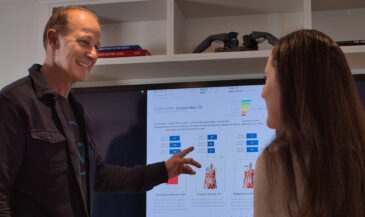
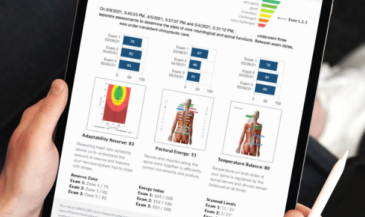
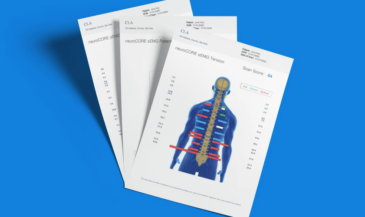
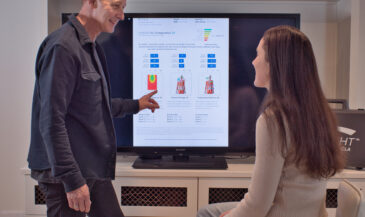
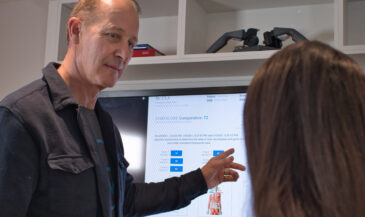
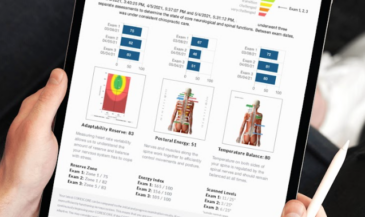
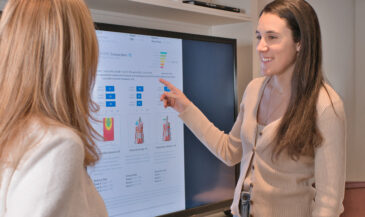
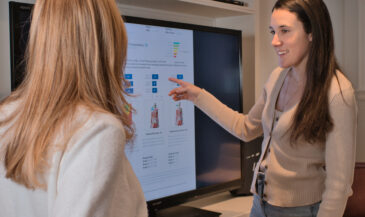
One of the challenges chiropractors face is explaining complex data to patients. The combination of data collected by the three instruments allows for the creation of  patient reports like CLA’s CORESCORE, which integrates data from sEMG, thermal scans, and HRV into a single, easy-to-understand metric. This approach simplifies patient education and improves engagement and acts like their personal  “neurological report card”.

Patients can visually track their progress, making the benefits of care tangible. For chiropractors, the CORESCORE provides a powerful way to demonstrate the impact of their adjustments over time allowing the chiropractic team to set realistic goals for anticipated outcomes. 

Practical Applications for Daily Practice

Kent’s research outlines practical steps for integrating these tools into routine chiropractic care:

  • Baseline Assessments: Conduct scans for all new patients to establish a functional starting point.
  • Regular Monitoring: Use follow-up scans to track changes and refine care plans.
  • Education Moments: Share scan results during consultations to explain the importance of continued care.

These strategies not only improve diagnostic precision but also enhance patient retention by making progress measurable and visible.

Embracing Function-First Chiropractic Care

Kent’s paper calls for a shift from structure-first to function-first chiropractic care. This approach prioritizes nervous system performance, aligning with the latest scientific understanding of health and wellness.

By focusing on function, chiropractors can address the root causes of health issues, rather than just alleviating symptoms. This paradigm shift positions chiropractic care as a vital component of holistic health management.

You can read the details of Kent’s findings in Annals of Vertebral Subluxation Research ~ November 18, 2024 ~ Volume 2024 ~ Pages 86 – 97.

Get Started with INSiGHT Scanning

Take our Free Practice Strategy Assessment. A Personalized Guide and Expert Strategy Call to Help Determine How Scanning will Help you Grow
ABOUT THE AUTHOR

Dr. David Fletcher is actively involved in all aspects of innovation teaching and research connected to the INSiGHT™ scanning technologies. He is widely recognized for his ability to share his expertise in compelling and easy to understand ways.

Dr David is a renowned chiropractor who practiced for many years with his associates in a scan-centric thriving principled family-based practice in Toronto. He is a sought-after teacher mentor and keynote speaker who takes every opportunity to share the wisdom and the power of chiropractic as it is meant to be.

https://insightcla.com/wp-content/uploads/2022/07/david-1.png
Dr. David Fletcher
DC FRCCSS(C) – Founder & CEO CLA Inc.
LIKE THIS ARTICLE? HELP US SPREAD THE WORD

Be Seen. Be Heard. Be Certain

In today’s saturated healthcare market, chiropractors face an ongoing challenge: being visible. Discover key marketing tactics to ensure you can BE SEEN, BE HEARD, and BE CERTAIN in your practice!

Read these Next…

Get Informed

Join 23,121 other Chiropractors and receive topics covering day to day challenges of running your practice.
+