If you’ve been in practice any length of time, you’ve seen it: the patient who comes in with a story that just doesn’t match their X-rays  or standard ortho tests. Maybe it’s the overworked executive who’s tired all the time, the teen athlete with postural tension and injury history, or the little one who just can’t seem to settle down—physically or emotionally, all affected by their stress response.

It’s tempting to chase symptoms or focus on the spinal region that’s “needing attention.” But after decades in the field, let me tell you—those stubborn cases, the ones that keep you up at night, almost always have one thing in common: a nervous system that’s underperforming. Research shows that when adaptation fails, chronic complaints become the new norm.

Our job as chiropractors isn’t just to help people feel better in the moment—it’s to get to the “why” behind the symptoms, to uncover where resilience is breaking down. And that, my friends, is usually a story about a stressed nervous system, not just a cranky spine. Peer-reviewed studies confirm that unresolved neurological distress can compromise healing throughout the body.

In this article, we’ll dive into the science of stress, how the nervous system gets knocked off balance, and why INSiGHT scanning technology is changing the way we process and care for every patient who walks through our doors. I’ll walk you through practical protocols, real evidence, and what it looks like when you shift your focus from symptoms to the master controller itself.

The Science of Stress—How the Nervous System Responds

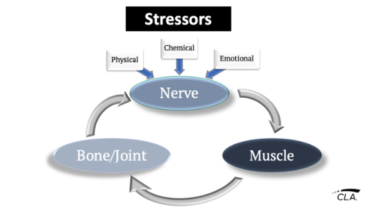
Let’s pull back the curtain on stress for a moment. Whether it’s a sudden scare or years of too little sleep, your nervous system is designed to react and adapt. But when the adaptation is pushed too far—well, that’s when you see trouble.

Not All Stress Is Bad

A little stress is healthy. Eustress—the kind that fires us up for a big game or helps us learn something new—makes us stronger and sharper. Workouts are a form of positive stress. They challenge the body and nervous system to perform at a higher level.  But when stress is too intense, too frequent, or just won’t quit, it flips from friend to foe. That’s distress, and it drains energy, resilience, and damages a person’s health.

How the Body Responds

When the body perceives a challenge, two big neurological pathways kick in:

  • Sympathetic-Adreno-Medullary (SAM) axis: This is the classic “fight-or-flight” system. Within milliseconds of a perceived threat, adrenaline and norepinephrine are released. Physiological responses include heart rate and blood pressure climbing, muscles tensing, and sugar flooding the bloodstream for fast fuel.
  • Hypothalamic-Pituitary-Adrenal (HPA) axis: If the threat sticks around, the HPA axis takes over, ramping up cortisol. Short term, it helps us cope; but as studies show, too much cortisol over time leads to neurological and metabolic wear and tear.

When the gas pedal never lets up, the nervous system gets locked in “on” mode. Heart rate and blood pressure stay up. Digestion slows. Muscles never quite relax. That’s when adaptation fails, and that’s when symptoms begin to pile up according to research.

Sympathetic vs. Parasympathetic—The Balance of Autonomic Function

Here’s where it gets interesting. The autonomic nervous system (ANS) keeps everything running behind the scenes. It’s made up of two key branches:

  • Sympathetic nervous system: The gas pedal—activates “fight-or-flight,” gets you moving in a crisis.
  • Parasympathetic nervous system: The brake—slows the heart, restores digestion, supports healing.

A resilient body toggles between these two. But life’s modern stressors (work, emotional strain, early exposure to antibiotics or environmental toxins) often mean the sympathetic system stays in charge. The result? Sympathetic overdrive.

When the balance tips, you’ll see:

  • Higher heart rate or blood pressure
  • Restless sleep or chronic fatigue
  • Inattention and emotional imbalance
  • Digestive complaints (constipation, reflux)
  • Tight spinal muscles and tension headaches
  • Poor resilience, lowered immunity and greater inflammation 

If you’ve ever noticed a patient who just can’t “turn off” or who seems to be running on fumes, odds are their nervous system is stuck in overdrive—a pattern well-documented in the literature.

Chronic Stress and Nervous System Dysregulation

Acute stress is adaptive, but chronic stress can lead to high blood pressure and other health issues. That’s where the wheels fall off.

When stressors—emotional strain, trauma, ongoing infections, or environmental exposures—don’t let up, the nervous system stops bouncing back. The sympathetic system floods the body with cortisol, adrenaline, and norepinephrine, setting off a cascade:

  • Neurological interference and the presence of vertebral subluxations: Persistent tension disrupts communication up and down the nervous system, creating patterns of “nerve dysfunction.”
  • Reduced adaptability: The body’s ability to recover and adjust wanes, and symptoms appear more easily.
  • Systemic inflammation: Chronic distress is linked to widespread inflammation and chronic health risks.
  • Energy drain: Fatigue, sleep issues, and “brain fog” become common companions, often linked to chronic stress and its impact on the spinal cord.

Common contributors include:

  • Emotional stress (grief, worry, unresolved trauma)
  • Early childhood exposures or birth interventions
  • Poor sleep and nutrition
  • Ongoing infections or inflammation

The problem is, patients often live with these patterns for years—until their adaptability finally collapses. Research shows this can go undetected until a major breakdown occurs. That’s why, as a Neurologically-Focused Chiropractor, you need more than a good history and palpation to address the activation of the stress response. You need tools to see beneath the surface.

The Far-Reaching Effects—Systems Impacted by a Stressed Nervous System

A stressed nervous system isn’t picky—it’ll throw a wrench into any body system. Evidence shows that managing the stress response can lead to improved health outcomes. shows how neurological distress can disrupt every organ system.

Cardiovascular System

  • Elevated heart rate and blood pressure become the baseline.
  • Arrhythmias and higher risk of heart disease are common.
  • Chronic stress hormones trigger oxidative stress and inflammation.

Respiratory System

  • Shallow, rapid breathing
  • Aggravation of asthma or respiratory infections

Digestive System

  • Constipation, diarrhea, reflux, or bloating
  • Gut microbiome disruption and increased inflammation

Immune System

  • Frequent colds or slow healing
  • Increased risk for autoimmune or chronic inflammatory conditions

Musculoskeletal System

  • Muscle tension, especially in the neck, shoulders, and back
  • Tension headaches and slow injury recovery

Reproductive System

  • Irregular cycles, hormonal imbalance, or reduced libido

All these signs may seem unrelated—until you step back and look at the nervous system as the “master controller.” Reviews confirm that focusing on nervous system status is the most effective way to deliver results and long-term health.

Clinical Signs and Objective Assessment of Neurological Distress

As chiropractors, we’re trained to spot patterns, but when it comes to a stressed nervous system, those patterns can be elusive. You’ll see:

  • Fatigue and restless sleep
  • Brain fog or mood swings
  • Digestive issues can be exacerbated by a stressful situation, affecting overall health.
  • Fluctuating heart rate or blood pressure
  • Muscle tension or poor posture can activate the stress response in various parts of the body.
  • Hypersensitivity to noise, light, or touch

But symptoms alone don’t tell the whole story. Many patients are walking around with nervous system dysregulation and don’t even know it. Research supports that objective assessment is crucial to reveal the real story.

Objective analysis lets you measure what’s really happening. It’s not about doing more tests; it’s about doing the right tests. That way, you and your patients see the full picture—and you can prove your care is making a difference.

The Game-Changer—INSiGHT Scanning Technology

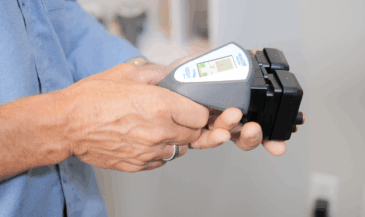
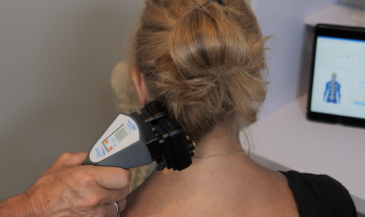
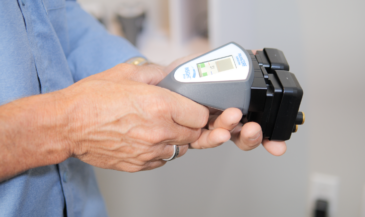
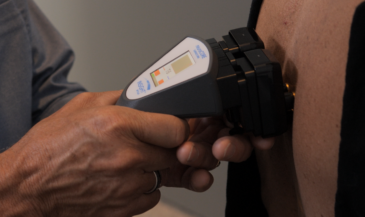
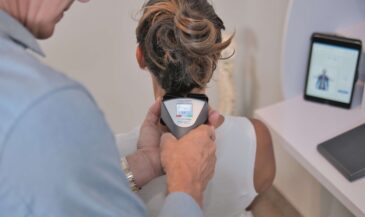
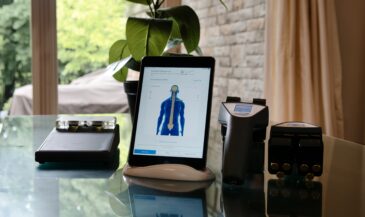
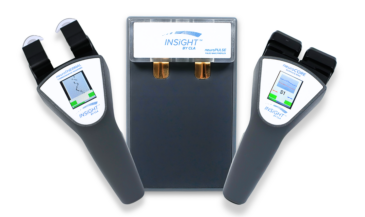
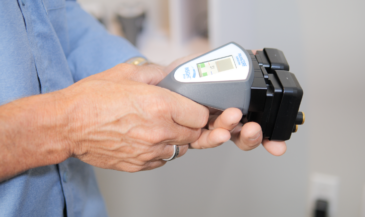
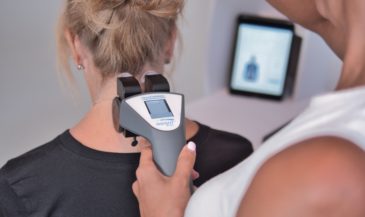
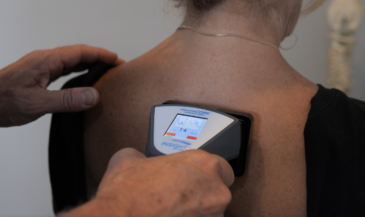
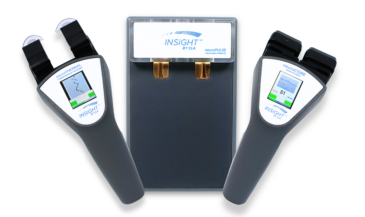
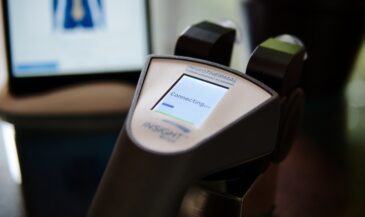
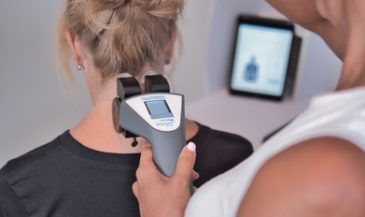
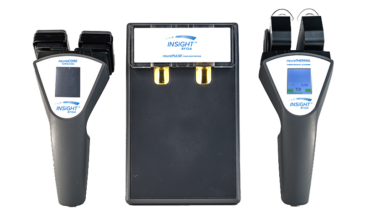
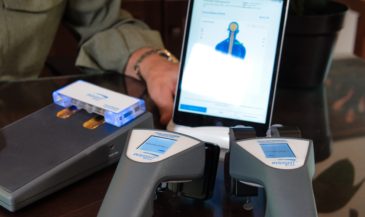
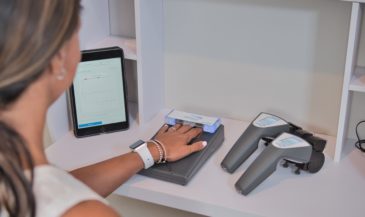
This is where the rubber meets the road. INSiGHT’s scanning technology has transformed the way we assess and track nervous system performance in chiropractic practice. No more guesswork—just clear, actionable data for practitioners worldwide, with over 12,000 chiropractic offices using these scans. By combining three integral data sets from the Autonomic and Motor Nervous Systems, a thorough functional analysis is performed, identifying the presence of vertebral subluxations.  

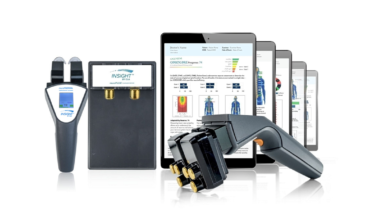
Here’s what makes INSiGHT neuroTECH and Synapse software stand out:

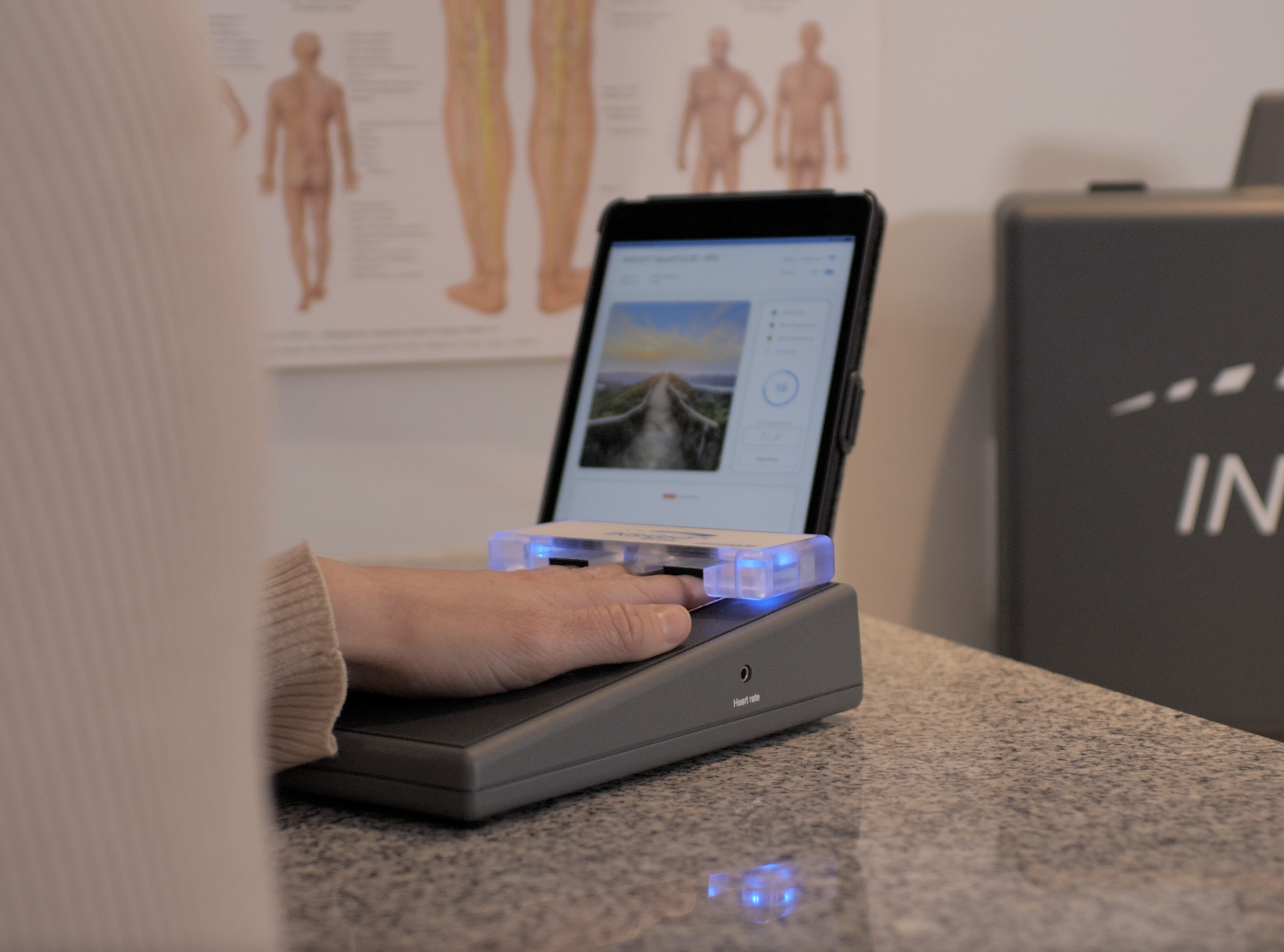
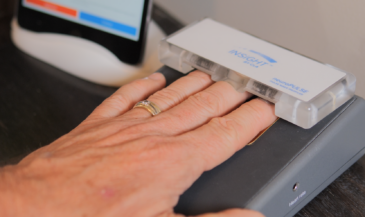
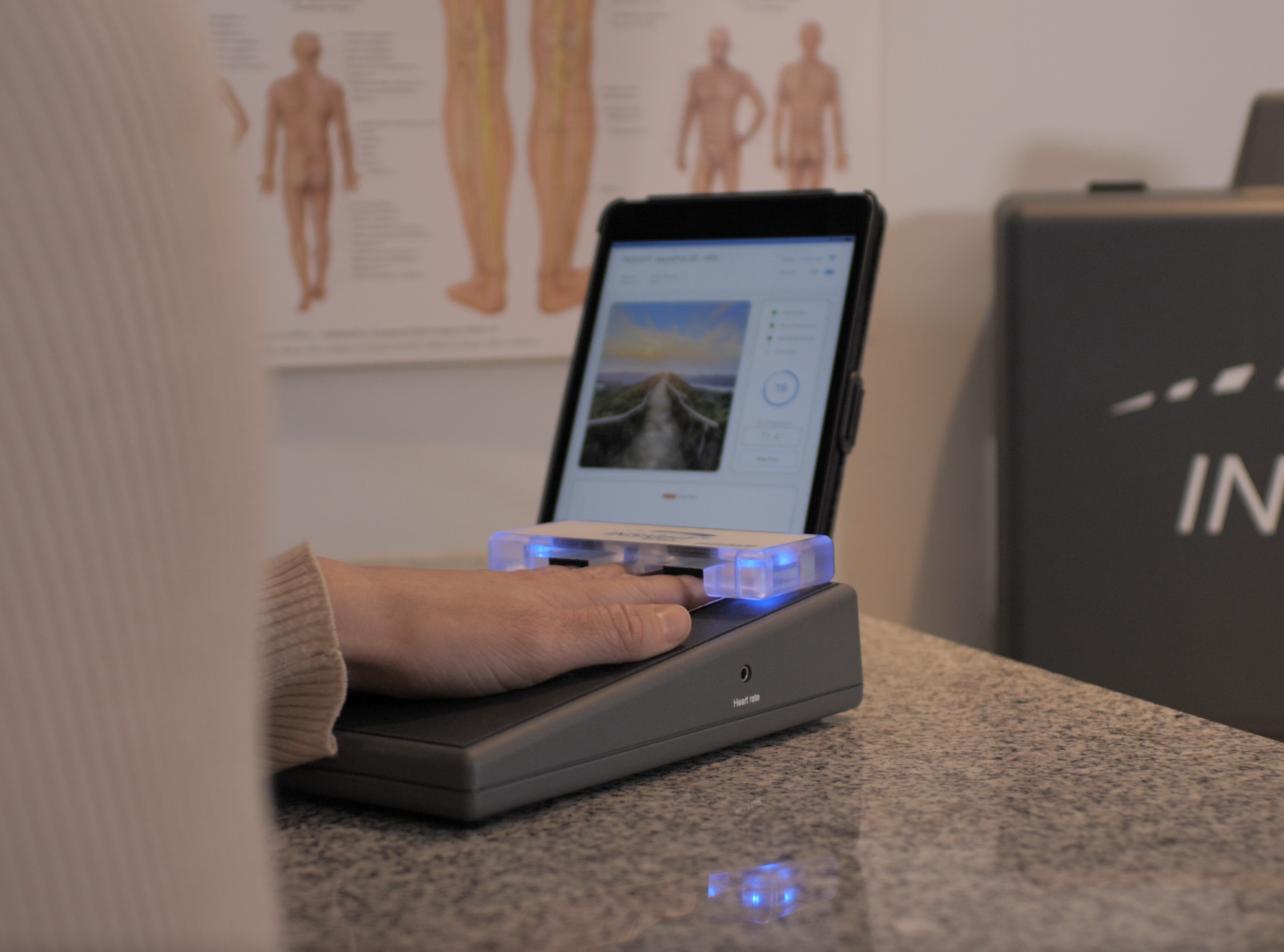
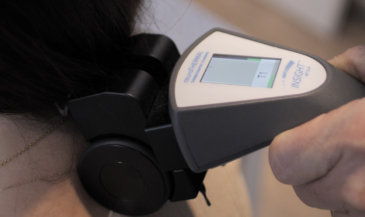
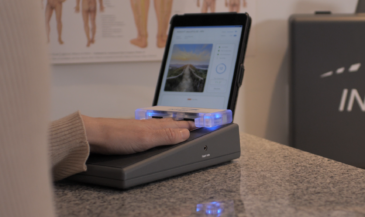
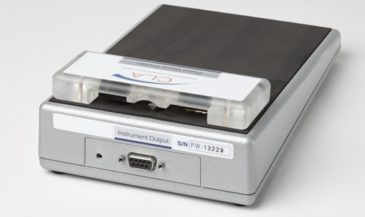
  • neuroPULSE (Heart Rate Variability): This non-invasive scan measures the balance between the sympathetic and parasympathetic branches. HRV research shows it reliably tracks adaptation, resilience, and stress levels.
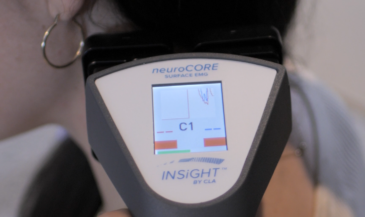
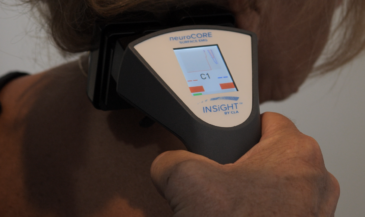
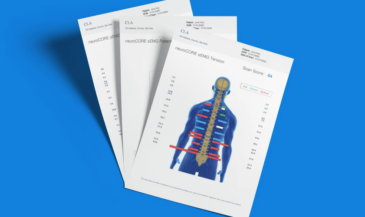
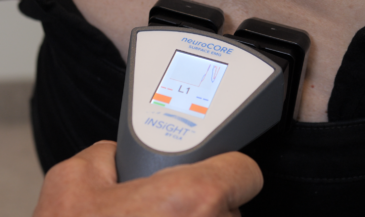
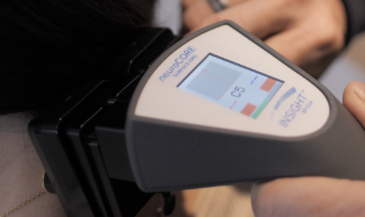
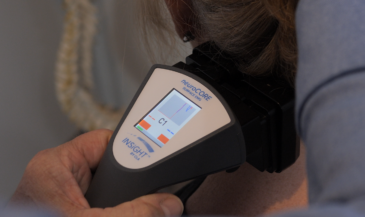
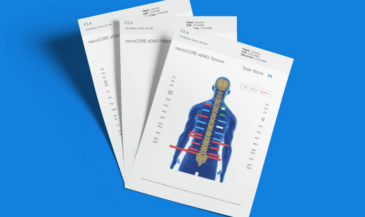
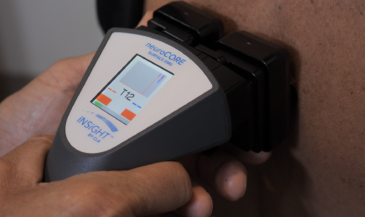
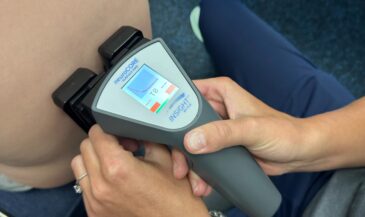
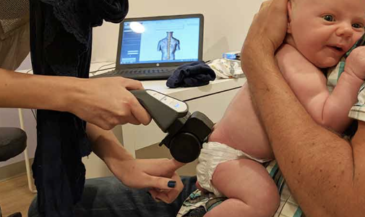
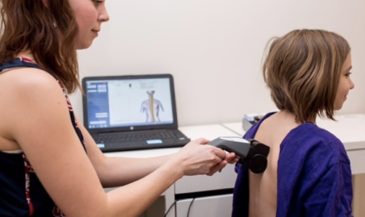
  • neuroCORE (Surface EMG): Helps visualize the activation in the Motor nervous system and its relation to distress. Clinical studies show surface EMG can identify neuromuscular tension patterns and neurological interference even before patients report symptoms.
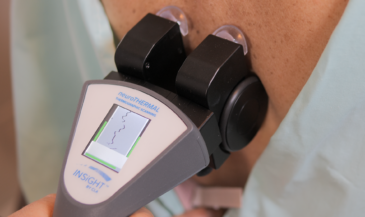
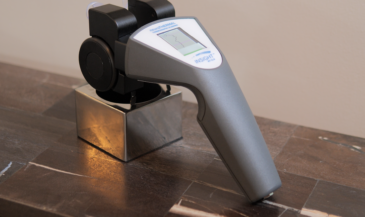
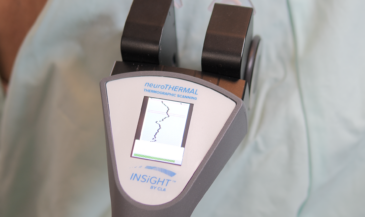
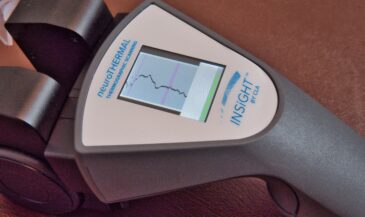
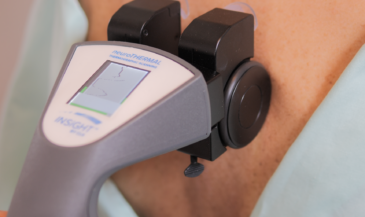
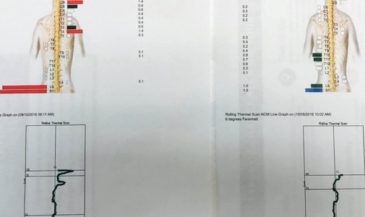
  • neuroTHERMAL: Thermal scans reveal subtle changes in blood flow and are used to detect nerve tension that is causing dysregulation in the organ and gland systems. Evidence confirms its value in tracking autonomic imbalances and regions of sympathetic overdrive.

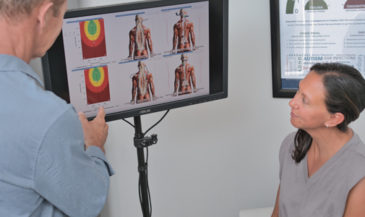
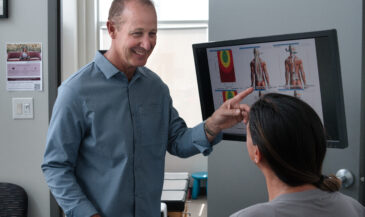
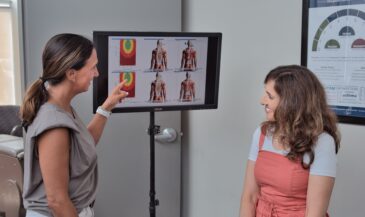
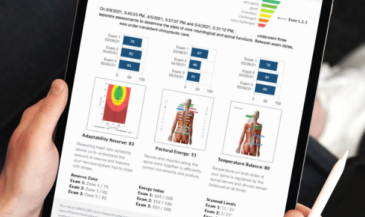
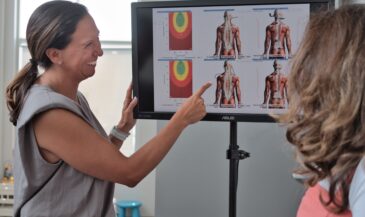
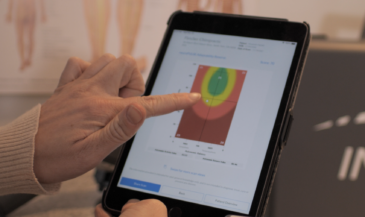
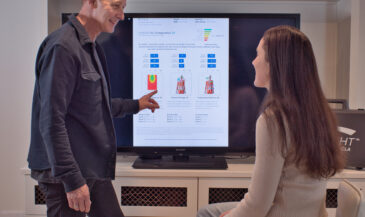
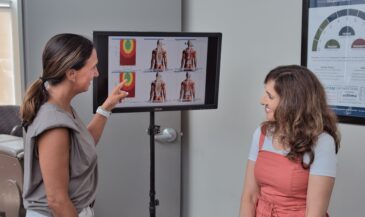
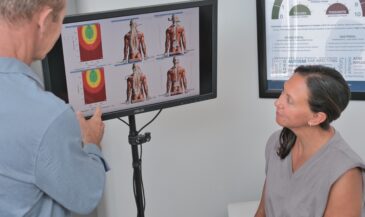
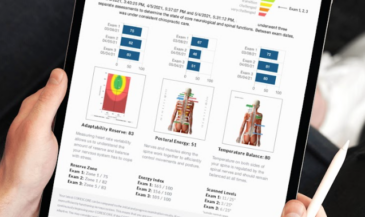
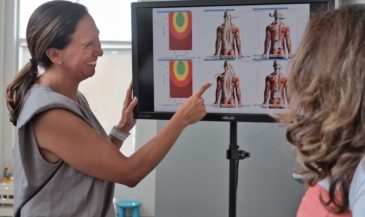
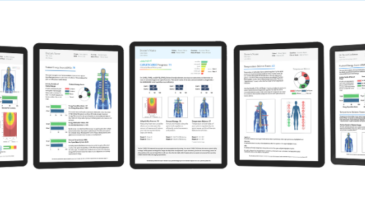
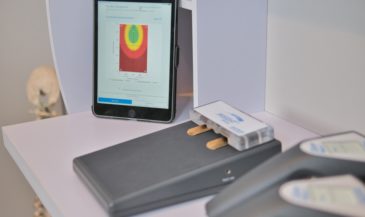
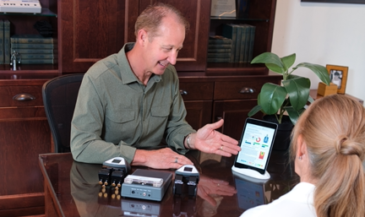
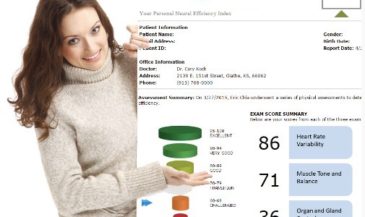
Put it all together, and you get the CORESCORE—an easy-to-understand, visual report card of your patient’s neurological status. Scan views make it real, providing evidence of the activation of the central nervous system. Patients can “see” their nerve system in living color, understand where distress is building, and get excited about how care is making a difference.

And this isn’t just theory. Peer-reviewed studies and longitudinal case series document improved HRV, adaptability, and reduced nerve tension in patients under neurologically-focused care.

Implementing Neurologically-Focused Care in Practice

It’s one thing to talk about scans—it’s another to make them the heartbeat of your practice. Here’s how I recommend getting started:

  • Full spine nerve system scan for every new patient: Whether they come in for back pain or wellness, everyone gets a baseline profile. This anchors care in objective analysis and instantly builds trust.
  • Rule of 12: Do a progress scan every 12 visits, or as clinically indicated. INSiGHT clinical guidelines recommend this protocol to adapt care plans, catch hidden distress, and keep patients engaged.
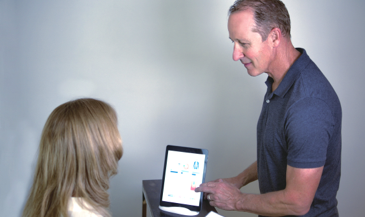
  • Show the scan views and CORESCORE at every re-exam: Patients value what they can see, especially when it comes to the central nervous system. When you shift the conversation from “how do you feel?” to “how is your body adapting?” you get buy-in, better retention, and better outcomes.
  • Train your team: Make sure everyone—from front desk to care assistants—can explain the value of scanning and help patients interpret their results. When your whole team speaks the neurological language, your practice stands out as a true center for vitalistic care.

These steps aren’t just for complicated cases. They’re for everyone—families, kids, athletes, those with chronic conditions and those who just want to live with more energy and adaptability.

Bringing It All Together: Lead With the Nervous System

If there’s one thing I’ve learned over decades of scanning, adjusting, and listening, it’s this: health and life is about adaptation. It’s about a nervous system that can roll with the punches and bounce back when life throws a curveball.

When you measure and manage nervous system status with confidence and compassion, you become more than a symptom-chaser—you become a guide for lifelong health. With INSiGHT scanning technology and Synapse software, you can show patients proof their care is making a difference, track real progress, and empower them to value their health in a whole new way, particularly in managing stress.

So don’t settle for “feeling better” as your only outcome. Lead with the nervous system to help manage stress and promote relaxation. Measure what matters. Adjust your care plan based on objective analysis, and you’ll see your practice—and your patients—grow in ways you never imagined, leading to better case management.

Now that’s what I call responsible, evidence informed chiropractic, especially when addressing the impact of stress. And I’m so thankful to see more and more doctors making the nervous system their north star.


 

SOURCES

ResearchGate. (2018). Sustained improvement of heart rate variability in patients undergoing a program of chiropractic care: A retrospective case series. https://www.researchgate.net/publication/323934481_Sustained_improvement_of_heart_rate_variability_in_patients_undergoing_a_program_of_chiropractic_care_A_retrospective_case_series

StatPearls. (2023). Physiology, Stress Reaction. https://pubmed.ncbi.nlm.nih.gov/31855343/

PubMed Central. (2024). Vertebral Subluxation and Systems Biology: An Integrative Review Exploring the Salutogenic Influence of Chiropractic Care on the Neuroendocrine. https://pmc.ncbi.nlm.nih.gov/articles/PMC11016242/

Journal of Vertebral Subluxation Research. (2024). Assessment of Somatic and Autonomic Nervous System Changes Associated with Vertebral Subluxation: A Review and Commentary. https://vertebralsubluxationresearch.com/2024/09/21/1851-assessment-of-somatic-and-autonomic-nervous-system-changes-associated-with-vertebral-subluxation-a-review-and-commentary/

Journal of Vertebral Subluxation Research. (2017). Heart Rate Variability to Assess the Changes in Autonomic Nervous System Function Associated With Vertebral Subluxation. https://vertebralsubluxationresearch.com/2017/10/16/heart-rate-variability-to-assess-the-changes-in-autonomic-nervous-system-function-associated-with-vertebral-subluxation/?fbclid=IwZXh0bgNhZW0CMTEAAR0DukGY1jPKEOnnclrsbSxGuK9aiyfd3Kyrj6EVCVJyETfXhFm11UoEIpU_aem_v4H8qdRlCnXcf5u8BWQD2Q

Journal of Vertebral Subluxation Research. (2017). Surface Electromyography in the Assessment of Changes in Paraspinal Muscle Activity Associated with Vertebral Subluxation: A Review. https://vertebralsubluxationresearch.com/2017/09/10/surface-electromyography-in-the-assessment-of-changes-in-paraspinal-muscle-activity-associated-with-vertebral-subluxation-a-review/

Journal of Vertebral Subluxation Research. (2017). Paraspinal Thermography in the Analysis and Management of Vertebral Subluxation: A Review of the Literature. https://vertebralsubluxationresearch.com/2017/09/05/paraspinal-thermography-in-the-analysis-and-management-of-vertebral-subluxation-a-review-of-the-literature/

Journal of Vertebral Subluxation Research. (2017). Improvement in Heart Rate Variability in 46 Patients Undergoing Chiropractic with Network Spinal Analysis: A Retrospective Analysis of Outcomes. https://vertebralsubluxationresearch.com/2017/11/16/improvement-in-heart-rate-variability-in-46-patients-undergoing-chiropractic-with-network-spinal-analysis-a-retrospective-analysis-of-outcomes/

Get Started with INSiGHT Scanning

Take our Free Practice Strategy Assessment. A Personalized Guide and Expert Strategy Call to Help Determine How Scanning will Help you Grow
ABOUT THE AUTHOR

Dr. David Fletcher is actively involved in all aspects of innovation teaching and research connected to the INSiGHT™ scanning technologies. He is widely recognized for his ability to share his expertise in compelling and easy to understand ways.

Dr David is a renowned chiropractor who practiced for many years with his associates in a scan-centric thriving principled family-based practice in Toronto. He is a sought-after teacher mentor and keynote speaker who takes every opportunity to share the wisdom and the power of chiropractic as it is meant to be.

https://insightcla.com/wp-content/uploads/2022/07/david-1.png
Dr. David Fletcher
DC FRCCSS(C) – Founder & CEO CLA Inc.
LIKE THIS ARTICLE? HELP US SPREAD THE WORD

Be Seen. Be Heard. Be Certain

In today’s saturated healthcare market, chiropractors face an ongoing challenge: being visible. Discover key marketing tactics to ensure you can BE SEEN, BE HEARD, and BE CERTAIN in your practice!

Read these Next…

Get Informed

Join 23,121 other Chiropractors and receive topics covering day to day challenges of running your practice.

You’ve probably seen HRV—short for Heart Rate Variability—pop up on fitness trackers and wellness blogs lately. But here’s the truth: what most people think of as a number tied to workouts or heart rate monitoring is only scratching the surface.

Now, if you’ve been in practice long enough—and especially if you’re focused on the nervous system—you’ve learned to look deeper. To think beyond vertebra and muscle tone. You start asking better questions, like: How is this person adapting to life? How resilient is their system right now?

That’s where Heart Rate Variability (HRV) comes into the picture. Not as a cardiology tool—but as a window into nervous system adaptability.

HRV isn’t about how fast the heart is beating. It’s about how flexible the beat is from one moment to the next. And that flexibility? It’s directed by the autonomic nervous system.

Here’s the kicker: most chiropractors are still missing this metric. They’re adjusting on structure, posture, or symptoms alone—but they’re flying blind when it comes to function.

With the right tools—like the INSiGHT neuroPULSE scanner—you can measure HRV in under three minutes and see exactly how well a patient is adapting. Whether it’s a newborn, a burned-out executive, or an athlete on the edge of exhaustion, HRV gives you insight you can’t find anywhere else.

For Chiropractors who focus on neurology—not just structure—HRV isn’t optional. It’s the heartbeat of the practice.

What Is HRV, Really?

Let’s clear something up: HRV isn’t about your heart rate or the Karvonen formula. It’s about how variable the time between heart beats is. A common misconception is that a healthy heart beats like a metronome. In fact, that would signal a major issue.

In reality, your heart rhythm needs variability to function well. Variability shows your system is responsive and adaptable, ready to shift gears between resting and reacting.

And that variability is controlled entirely by the Autonomic Nervous System (ANS)—which means any neurological interference, especially stemming from vertebral subluxation and spinal tension, can impact HRV directly. As one study notes, heart rate variability reflects the health of the vagal and sympathetic branches of the nervous system and serves as a non-invasive tool to evaluate autonomic dysfunction (Kent, 2017).

Why HRV Matters to a Neurologically-Focused Chiropractor

As Chiropractors, we’ve always talked about tone. D.D. Palmer even said it best: “Life is the expression of tone.” And HRV gives us an objective way to analyze neurological tone, coherence, and adaptability—all without needing to hear a single word from the patient.

HRV acts as a clinical compass, especially when we’re caring for those who can’t always explain how they feel: newborns, toddlers, nonverbal children, and people dealing with neurodevelopmental conditions.

Low HRV is a red flag. It’s often seen in individuals under chronic neurological distress, where sympathetic overdrive keeps them “revving high” without the gas to keep going. High HRV, on the other hand, reflects a resilient heart beat pattern and a body performing in balance.

Measuring Heart Rate Variability in Practice

HRV analysis has historically been reserved for labs or elite training centers. But INSiGHT’s neuroPULSE changed the game by bringing clinical-grade analysis into the chiropractic office. This scanner, now used in over 10,000 practices worldwide, captures beat-to-beat variability with millisecond precision using photoplethysmography (PPG) technology validated for autonomic analysis.

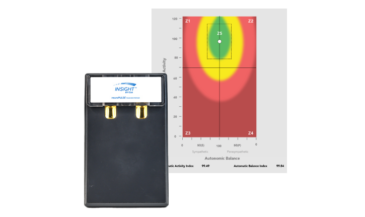
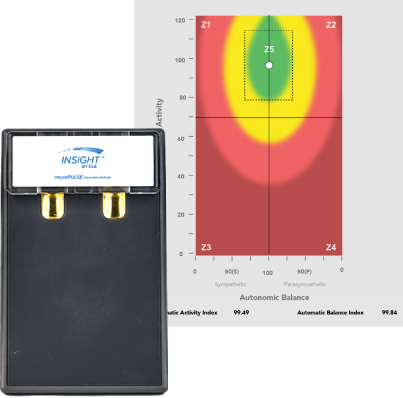
The HRV Rainbow Graph provides a simple but powerful view, plotting patients across five zones from overdrive to adaptive balance. These visuals instantly connect the dots between heart rhythms and nervous system performance, and best of all, it’s a non spinal test which confirms your commitment to looking deeper than spinal problems .

The clinical importance of measuring heart rate variability is more than anecdotal. According to a multi-clinic study, chiropractic adjustments produced measurable changes in HRV after even one visit. And another case series study showed sustained HRV improvement in patients who received regular adjustments over time.

stress hrv

The HRV and Adaptability Connection

HRV isn’t a static metric. It fluctuates day by day, depending on how your body is adapting. The neuroPULSE uses the HRV data to plot how much adaptive reserve each patient has to recover and remain resilient. A high HRV reading indicates that your system is flexible—capable of moving between “go” and “rest” states with ease  A low HRV indicates stuck patterns and depleted reserve, making your patients more vulnerable to daily stressors

Chiropractors offer a drug-free advantage by focusing on removing neurological interference, improving tone, and allowing the body’s own rhythms to normalize. By addressing this interference, the body’s innate capacity to restore Vagal tone and eventually rewire more efficient pathways becomes a reality. 

One study even identified HRV as a tool to track adaptive response in athletes undergoing neurologically-focused care (Hartenburg, 2018).

How Subluxations Influence HRV

Here’s where it gets practical: when the spine is out of balance and when neurological interference is present—communication across the ANS becomes distorted and these patterns become embedded in a patient’s neurological responses. The neuroPULSE data reflects this persistent imbalance using precision HRV collection and calculations.  

That’s why Chiropractors trained in vitalistic philosophy use HRV not just to validate care, but to guide their analysis and predict adaptability over time. Research confirms that vertebral subluxations result in altered autonomic nervous system activity—and that heart rate variability is a reliable tool for evaluating that activity (Kent, 2017).

HRV gives us a deeper understanding of how stress patterns show up neurologically. It tells us if the system is stuck, strained, or adapting.

HRV for Every Stage of Life

From infants to elders, HRV analysis can reveal shifts that the patient can’t put into words. Children, for instance, should display higher HRV than adults, thanks to their robust, flexible systems. If a child shows lower HRV, it’s a sign their nervous system is under strain—and that they can benefit from a Neurologically-Focused Chiropractor.

This makes HRV ideal for family wellness care, neurodevelopmental support, and performance enhancement. And because it’s non-invasive and fast, it becomes an essential re-examination and reporting tool, not just a new patient baseline.

Even in older adults, HRV can track resiliency and recovery. A study on sustained improvements found that patients receiving regular chiropractic adjustments improved their resting HRV over time—moving from depleted states into more adaptable, regulated ones.

Planning Care with HRV: The Heart of the INSiGHT System

Every Chiropractor wants to know: “How is this patient really doing?” And patients want to know that their adjustments are making a difference.

That’s where the INSiGHT neurological scanning suite, and especially the neuroPULSE instrument, shines. It’s FDA-registered as a Class II medical device, developed in a certified ISO 13485 facility, and validated for both pediatric and adult use.

When used with the CORESCORE, which combines neuroPULSE, neuroCORE, and neuroTHERMAL scan data, Chiropractors gain a complete picture of the nervous system. Instead of chasing symptoms, we build data-driven care plans tailored to the patient’s adaptability, not just their complaints.

With HRV, you don’t just explain nervous system function—you show it. Scan views map changes over time, offering visible, reproducible proof that chiropractic care is making a difference.

The INSiGHT neuroPULSE is reads HRV through the fingertips using pulse wave profiling. It’s gentle, precise, and pediatric-friendly (with ear clip and finger sleeve options).

What it measures:

  • Autonomic Balance Index (ABI): Sympathetic vs. Parasympathetic activity
  • Autonomic Activity Index (AAI): Total adaptive reserve
  • HRV Rainbow Graph: A visual quadrant system that shows exactly where the patient is on the spectrum from overdrive to balance

What makes this so powerful is how seamlessly it integrates with the CORESCORE, CLA’s neural efficiency index that combines:

  • neuroPULSE for HRV
  • neuroCORE for motor tone and muscle energy
  • neuroTHERMAL for spinal autonomic temperature regulation

And then you layer in the Synapse software, which turns these findings into visual, patient-ready stories. You’re no longer explaining neurology in a vacuum—you’re showing it in living color.

This is how scanning moves from being “something you do” to “how you practice.” It changes the narrative in every room.

Why HRV Belongs in Every Chiropractic Practice

Heart Rate Variability is no longer a luxury metric reserved for high-performance athletes or biohackers. It’s a core indicator of neurological performance, and for Chiropractors, it serves as the best indicator of tone and adaptability we’ve ever had.

And when patients see how HRV may improve under care, it opens their eyes to the power of a nerve-first approach. One study even suggests HRV can reflect benefits in patients with congestive heart failure or other chronic conditions (Haas et al., 2024)—positioning Chiropractors as contributors to full-body wellness, not just back care.

Clinical Benefits of HRV in Neurologically-Focused Chiropractic Care

Once you start using HRV in your office, you’ll wonder how you ever practiced without it.

Here’s what changes:

  • Objective Progress
    HRV lets you track real neurological improvements. You can show patients how their system is moving out of sympathetic dominance, not just tell them.
  • Customized Care Plans
    High HRV? Your patient’s system is bouncing back spontaneously. This is the perfect time to challenge your patients to explore even more challenging fitness and wellness goals. Low HRV? They may need more frequent neurological support with a more detailed care plan.
  • Improved Retention and Referrals
    When patients see their adaptability improving, they start to value care beyond symptoms. They bring in their families. They tell their friends.
  • Clarity in Complex Cases
    Especially with pediatric patients or those who can’t express how they feel, HRV gives you a readout of how their body is truly functioning (Steinberg et al., 2020).

And here’s the best part: HRV changes quickly under chiropractic care. Especially when subluxations are addressed regularly, you’ll often see dramatic shifts in coherence within just a few weeks.

It gives you the ability to say, “Let’s see how your nervous system is improving,” and back it up with real data.

The Beat That Guides the Work

In a world where patients are overwhelmed by stats, screens, and symptom-tracking apps, HRV brings clarity. It’s objective. It’s repeatable. It’s grounded in neurology.

But most of all, it gives your patients a reason to believe.

When they see the color-coded HRV rainbow graph and watch their adaptability improve over time, they begin to understand the true purpose of care. They stop counting visits—and start celebrating progress.

Because at the end of the day, HRV isn’t just a number. It’s a sign that the body is learning, adjusting, and healing. And as Chiropractors, there’s no better rhythm to follow.

SOURCES

Haas, A., & Russell, D. (2018). Sustained improvement of heart rate variability in patients undergoing a program of chiropractic care: A retrospective case series. ResearchGate. https://www.researchgate.net/publication/323934481_Sustained_improvement_of_heart_rate_variability_in_patients_undergoing_a_program_of_chiropractic_care_A_retrospective_case_series

Hartenburg, J. (2018). Heart Rate Variability as an Objective Outcome Measure for Subluxation-Based Chiropractic Care for Athletes. Journal of Vertebral Subluxation Research. https://vertebralsubluxationresearch.com/2018/05/17/heart-rate-variability-as-an-objective-outcome-measure-for-subluxation-based-chiropractic-care-for-athletes/

Kent, C. (2017). Heart Rate Variability to Assess the Changes in Autonomic Nervous System Function Associated With Vertebral Subluxation. Journal of Vertebral Subluxation Research. https://vertebralsubluxationresearch.com/2017/10/16/heart-rate-variability-to-assess-the-changes-in-autonomic-nervous-system-function-associated-with-vertebral-subluxation/

Kent, C., & Holt, K. (2024). Assessment of Somatic and Autonomic Nervous System Changes Associated with Vertebral Subluxation: A Review and Commentary. Journal of Vertebral Subluxation Research. https://vertebralsubluxationresearch.com/2024/09/21/1851-assessment-of-somatic-and-autonomic-nervous-system-changes-associated-with-vertebral-subluxation-a-review-and-commentary/

PubMed Central. (2024). Salutogenic Chiropractic and HRV Integration: A Review of Philosophical and Scientific Models. https://pmc.ncbi.nlm.nih.gov/articles/PMC11016242/

Steinberg, B., & Clum, G. (2020). Pediatric Chiropractic Using HRV and neuroTECH Assessments: A Case Review. ResearchGate. https://www.researchgate.net/publication/360107417_Pediatric_Chiropractic_Using_HRV_and_neuroTECH_Assessments_A_Case_Review

Get Started with INSiGHT Scanning

Take our Free Practice Strategy Assessment. A Personalized Guide and Expert Strategy Call to Help Determine How Scanning will Help you Grow
ABOUT THE AUTHOR

Dr. David Fletcher is actively involved in all aspects of innovation teaching and research connected to the INSiGHT™ scanning technologies. He is widely recognized for his ability to share his expertise in compelling and easy to understand ways.

Dr David is a renowned chiropractor who practiced for many years with his associates in a scan-centric thriving principled family-based practice in Toronto. He is a sought-after teacher mentor and keynote speaker who takes every opportunity to share the wisdom and the power of chiropractic as it is meant to be.

https://insightcla.com/wp-content/uploads/2022/07/david-1.png
Dr. David Fletcher
DC FRCCSS(C) – Founder & CEO CLA Inc.
LIKE THIS ARTICLE? HELP US SPREAD THE WORD

Be Seen. Be Heard. Be Certain

In today’s saturated healthcare market, chiropractors face an ongoing challenge: being visible. Discover key marketing tactics to ensure you can BE SEEN, BE HEARD, and BE CERTAIN in your practice!

Read these Next…

Get Informed

Join 23,121 other Chiropractors and receive topics covering day to day challenges of running your practice.

It’s one of the most common frustrations I hear from Neurologically-Focused Chiropractors every week: patients walk into your practice with hip and buttock symptoms that just won’t quit. They describe deep aching in the glute, tightness that locks up their stride, or that burning, tingling line that shoots down the leg — only to return days or weeks later, no matter how much they stretch or rest.

Most of these patients have tried just about everything to relieve their hip and buttock pain, including physiotherapy and NSAIDs. Foam rollers, massage, YouTube stretches, even injections — and yet, the pattern repeats itself, often due to untreated bursitis. Why? Because far too many conventional approaches miss what’s truly driving these stubborn symptoms: hidden patterns of nerve tension and neurological interference that keep the muscles in a constant state of protection.

Piriformis syndrome alone — when that small but mighty muscle presses on the sciatic nerve — accounts for up to 6% of all lower back complaints. But here’s what most don’t realize: it’s rarely just the muscle. The real story sits deeper, inside the nervous system.

When you can help your patients see that connection — and make the invisible visible through advanced neurological scanning — you shift the conversation from temporary relief to lasting adaptability. And that’s exactly where your greatest impact as a Neurologically-Focused Chiropractor begins.

Understanding the Neurological Basis of Hip and Buttock Symptoms

The hip and buttock region is a crossroads for muscles, vertebra, and powerful nerve pathways. At the center of many persistent complaints sits the piriformis muscle — a small, flat muscle that stretches from the sacrum, through the buttock, to the top of the femur. For most people, the sciatic nerve — the longest, largest nerve in the body — runs just beneath it.

When the piriformis tightens up, it can compress the sciatic nerve, creating that familiar burning, tingling, or deep ache that patients describe. But here’s what every Neurologically-Focused Chiropractor knows: the piriformis rarely just decides to spasm on its own.

Vertebral tension in the lumbar spine and sacrum often sets the stage. Subluxations — better understood as patterns of nerve tension and  neurological interference — disrupt normal communication between the brain and body. When the nervous system senses these disruptions, it slips into protective mode, known as sympathetic overdrive.

In this state, muscles like the piriformis lock down to guard the nerve pathways they’re trying to protect — a protective response well documented in chiropractic literature.

This is why it’s so important to look beyond the local tissue. The deeper story lives within the nervous system — and until you analyze what’s happening there, the same symptoms will keep cycling back.

Conventional Approaches: What Gets Overlooked

When most patients first experience hip or buttock symptoms, they’re told to stretch it out, take an anti-inflammatory, or rest the area for a few days. Some get referred to physical therapy, where they’re given exercises to strengthen the surrounding muscles. Others may even get injections to calm down local irritation.

While these methods can bring temporary relief, they often stop short of addressing the real driver — the nerve tension patterns and vertebral subluxations that keep the muscles locked in protection mode. A tight piriformis muscle isn’t just tight for the fun of it; it’s responding to signals from the nervous system that something deeper needs attention.

Without an objective way to measure what’s happening inside the nervous system, both practitioners and patients are left to guess. Is the nerve tension improving? Are the vertebra stabilizing? Or is the body still stuck in a cycle of sympathetic overdrive?

When the focus stays only on local muscle signs, the results are often short-lived. This is exactly why so many patients come back again and again with the same complaints of sciatica — and why it’s so vital to bring a nerve-first perspective into every hip and buttock care plan, addressing the common causes of buttock pain.

The Nervous System Status: Sympathetic Overdrive and Adaptability

For many patients, chronic hip and buttock symptoms are more than a local muscle issue — they’re a sign that the nervous system is operating in a constant state of protective mode. This is known as sympathetic overdrive — a pattern confirmed by Christopher Kent’s review on how subluxations disrupt autonomic balance.

In simple terms, the sympathetic nervous system is your body’s “fight or flight” response. It’s there to protect you when you’re under threat, but sometimes it can lead to conditions like bursitis. But when vertebral tension and nerve interference linger, the nervous system can’t switch gears easily. Instead, it stays locked in this protective mode, sending constant signals to muscles like the piriformis to guard, tighten, and brace.

The longer this state persists, the more your patient’s adaptability suffers. The body’s natural ability to adapt to everyday stresses and movements shrinks. Muscles fatigue faster. Small triggers — like sitting too long, bending awkwardly, or climbing stairs — can set off another round of symptoms.

What’s so often overlooked is that this protective state isn’t just physical — it’s neurological. Until you help your patients measure how well their nervous system is coping and recovering, they’re stuck trying to stretch away a problem that’s much deeper than the muscle itself.

This is where objective analysis of hip and buttock pain comes in. When you can see exactly how the nervous system is responding — and track those patterns over time — you empower your patients to reclaim their adaptability and break the cycle once and for all.

Technical Deep Dive: A Phase-Based Look at Patterns

To truly understand why hip and buttock symptoms linger, it helps to see how the body shifts through a series of phases. These patterns aren’t random — they’re your patient’s nervous system trying to protect itself in the only way it knows how.

  1. Trigger Phase: It often starts with a small incident — lifting something awkwardly, a slip on the ice, or sitting too long without moving. This puts unusual strain on the lower spine and hip stabilizers, contributing to hip pain.
  2. Protective Muscle Guarding Phase: Sensing instability, the nervous system signals muscles like the piriformis to tighten up. This guarding is meant to protect the sciatic nerve and surrounding structures, but it quickly becomes a source of tension in itself, potentially causing pain in the buttock.
  3. Nerve Tension Escalation: If the underlying vertebral tension isn’t resolved, nerve tension builds. The sciatic nerve may stay irritated as the piriformis locks down repeatedly, feeding the loop.
  4. Chronic Sympathetic Overdrive: This can lead to numbness and exacerbate sciatica symptoms. The nervous system shifts into a state of constant “on guard.” What started as a protective mechanism now drains the system’s energy. Adaptability drops, and simple movements trigger flare-ups.
  5. Maladaptation: At this stage, the body’s ability to recover naturally is compromised. Patterns of tension become deeply ingrained, making symptoms more frequent and harder to predict.

When you know how to spot these phases, you can show your patients that their hip or buttock symptoms aren’t just random flare-ups. They’re predictable patterns that can be analyzed, measured, and resolved — once you address what’s happening inside the nervous system.

Comparative Analysis: Traditional vs. Neurologically-Focused Care

Many patients come to you after trying the standard options for hip and buttock relief — stretches, anti-inflammatory medications like NSAIDs, or exercises aimed at strengthening local muscles. While these strategies have their place, they often miss a crucial piece: the nervous system’s role in driving the pattern.

In a traditional approach, care stays focused on the local area. The tight piriformis gets massaged to help alleviate greater trochanteric pain syndrome. The hip gets stretched. The focus stays on the symptom, not the cause. Progress is judged by whether the symptoms ease up — but without objective data, it’s guesswork.

In a Neurologically-Focused approach, you go deeper. You use a full spine nerve system scan to analyze the patterns of nerve tension and sympathetic overdrive that keep the muscles locked in protective mode. This transforms care from structure-only to function-first.

With objective scan views, you’re not relying on how the patient feels that day — you’re tracking how their nervous system is adapting over time. This means you can create a care plan that’s not just about short-term relief, but about restoring the body’s natural adaptability.

When you bring the nervous system into the conversation, you help patients see the bigger picture: they’re not just chasing muscle tension — they’re building resilience from the inside out.

How INSiGHT Scanning Technology Changes the Game

One of the biggest challenges with hip and buttock symptoms is showing patients that the real driver isn’t just tight muscles — it’s what’s happening deep in their nervous system. That’s where INSiGHT’s scanning technology transforms your care.

With the INSiGHT neuroTECH and Synapse software, you gain a three-dimensional look at your patient’s adaptability. Each piece of the suite adds a vital layer of information.

  • neuroCORE (sEMG): an essential assessment for understanding nerve function in relation to hip and buttock pain and its connection to tendon issues. Analyzes patterns of muscle activity along the spine to identify potential causes and treatment for lower back pain. Research shows that sEMG scanning has excellent reliability for tracking postural muscle exhaustion.
  • neuroTHERMAL scan: a crucial tool for assessing nerve function related to buttock pain. Uses infrared sensors to detect tiny temperature differences along the spine. Studies confirm the clinical reliability of thermographic scanning for assessing autonomic function.
  • neuroPULSE (HRV): Shows how adaptable the patient’s nervous system is overall. Clinical studies have shown the effectiveness of addressing hip pain in treatment plans. demonstrate that chiropractic adjustments can measurably improve HRV.

Together, these scans generate a single number — the CORESCORE — your patient’s clear neurological report card. Instead of guessing, you’re tracking real progress, visit after visit — a process shown in CLA’s own clinical resources.

When patients see this objective proof, they stop focusing only on temporary symptom relief. They understand why your care plan focuses on improving their adaptability, not just stretching out a tight muscle. That’s when they start to value results — and that’s how you build trust and retention that lasts.

Clinical Benefits: Care Plans That Deliver True Adaptability

One of the biggest advantages of working with INSiGHT scanning technology is how it transforms your care plans from guesswork to proven progress. With every hip or buttock case, you’re not just telling your patient what you think is happening — you’re showing them how their nervous system is adapting in real time to their hip and buttock pain, reinforcing the importance of understanding the causes and treatment options.

It starts with a strong baseline. When you run a full spine nerve system scan on day one, you establish where the patient’s nerve tension, muscle exhaustion, and autonomic balance stand today in relation to their back pain. This takes the guesswork out of what’s contributing to their hip and buttock tension.

From there, regular re-scans — every 12 visits or so, the “Rule of 12” — give you objective data points to compare. This approach keeps you on track and gives the patient visible proof that your care is making a difference in alleviating their thigh and buttock pain, long before symptoms fade completely.

It’s one thing for a patient to say, “I feel better.” It’s another to see the CORESCORE climbing, the neuroTHERMAL patterns stabilizing, or the neuroCORE showing balanced muscle energy. These changes are the sign that the nervous system is moving from sympathetic overdrive to true adaptability.

When patients see this proof, they stay committed to the full care plan. They’re not chasing temporary relief — they’re investing in long-term nervous system performance. And that’s how you shift your practice from symptom-based visits to a relationship built on trust, measurable results, and certainty.

Implementation Guidelines: Practical Next Steps for Practitioners

Bringing the nerve-first approach to hip and buttock symptoms isn’t complicated — it’s about making objective analysis a core part of every patient’s journey.

First, scan every new patient. A full spine nerve system scan shows exactly where vertebral tension and nerve tension are hiding. This baseline instantly shifts the conversation from structure alone to how well their nervous system is performing and its impact on back pain.

Next, use clear, patient-friendly language to explain the results. Help patients connect the dots: “This tension in your lower spine is likely driving the protective muscle guarding in your hip and glute region, which may be related to common causes of buttock pain.” Our goal isn’t just to calm the muscle — it’s to restore your nervous system’s adaptability.”

Train your team to speak confidently about the scans too. When everyone knows how to interpret and communicate CORESCORE results, progress reports feel natural and reassuring.

Best of all, INSiGHT scanning technology is quick, non-invasive, and reproducible — perfect for every patient, from athletes to busy parents to seniors. With each re-scan, you’re giving them visible proof that your care plan is helping their body adapt better, not just masking tension in the back of the leg.

When you build this nerve-first mindset into daily practice, you position yourself as more than a symptom-chaser — you become the trusted guide for restoring long-term performance and resilience in patients suffering from greater trochanteric pain syndrome.

Lead with Certainty and Adaptability

Hip and buttock symptoms are some of the most misunderstood situations your patients face. They come in looking for muscle pain relief — but what they truly need is proof that their nervous system is capable of adapting, performing, and protecting them in everyday life.

When you make objective neurological scanning the heart of your approach, you stop guessing. With the INSiGHT neuroTECH and Synapse software, you gain the power to see exactly how vertebral tension and nerve interference are affecting muscle tone, autonomic regulation, and overall adaptability. Each piece of the technology plays its role: neuroCORE shows muscle guarding and exhaustion patterns, neuroTHERMAL reveals autonomic stress patterns, and neuroPULSE uncovers the nervous system’s adaptive reserve — all supported by published research on sciatica and its effects.

This isn’t just about data; it’s about understanding the underlying causes of hip and buttock pain, including tendon issues and lower back pain. It’s about transforming the way you communicate, build trust, and deliver results that last. Patients stop chasing quick fixes because they can finally see that your care is doing what no foam roller or stretch can do: making their nervous system more adaptable and resilient.

When you lead with nerve-first certainty, you elevate every adjustment and every conversation. You’re not just the chiropractor who helps hip tension feel better today — you’re the trusted guide who helps your patients move, adapt, and thrive for life. And that’s the difference that makes every scan, every CORESCORE, and every adjustment matter.

If you want to bring this kind of transformational technology into your practice, book a call with an INSiGHT Advisor. We’ll show you how to implement scanning, reporting, and care planning tools that boost your retention and help your patients reach their full potential.

Sources

Cleveland Clinic. (2023). Piriformis Syndrome: Causes, Symptoms, and Treatment. https://my.clevelandclinic.org/health/diseases/17559-piriformis-syndrome 

Kent, C. (2024). Assessment of Somatic and Autonomic Nervous System Changes Associated with Vertebral Subluxation: A Review and Commentary. Journal of Vertebral Subluxation Research. https://vertebralsubluxationresearch.com/2024/09/21/1851-assessment-of-somatic-and-autonomic-nervous-system-changes-associated-with-vertebral-subluxation-a-review-and-commentary/

Zhang, J., Dean, D., Nosco, D., Strathopulos, D., & Floros, M. (2006). Effect of chiropractic care on heart rate variability and pain in a multisite clinical study. Journal of Manipulative and Physiological Therapeutics. https://vertebralsubluxationresearch.com/2017/10/16/heart-rate-variability-to-assess-the-changes-in-autonomic-nervous-system-function-associated-with-vertebral-subluxation/

Kent, C. (2017). Surface Electromyography in the Assessment of Changes in Paraspinal Muscle Activity Associated with Vertebral Subluxation: A Review. Journal of Vertebral Subluxation Research. https://vertebralsubluxationresearch.com/2017/09/10/surface-electromyography-in-the-assessment-of-changes-in-paraspinal-muscle-activity-associated-with-vertebral-subluxation-a-review/

McCoy, M. (2017). Paraspinal Thermal Scanning in Chiropractic Practice Related to Subluxation: A Literature Review. Journal of Vertebral Subluxation Research. https://vertebralsubluxationresearch.com/2017/09/10/paraspinal-thermal-scanning-in-chiropractic-practice/

Get Started with INSiGHT Scanning

Take our Free Practice Strategy Assessment. A Personalized Guide and Expert Strategy Call to Help Determine How Scanning will Help you Grow
ABOUT THE AUTHOR

Dr. David Fletcher is actively involved in all aspects of innovation teaching and research connected to the INSiGHT™ scanning technologies. He is widely recognized for his ability to share his expertise in compelling and easy to understand ways.

Dr David is a renowned chiropractor who practiced for many years with his associates in a scan-centric thriving principled family-based practice in Toronto. He is a sought-after teacher mentor and keynote speaker who takes every opportunity to share the wisdom and the power of chiropractic as it is meant to be.

https://insightcla.com/wp-content/uploads/2022/07/david-1.png
Dr. David Fletcher
DC FRCCSS(C) – Founder & CEO CLA Inc.
LIKE THIS ARTICLE? HELP US SPREAD THE WORD

Be Seen. Be Heard. Be Certain

In today’s saturated healthcare market, chiropractors face an ongoing challenge: being visible. Discover key marketing tactics to ensure you can BE SEEN, BE HEARD, and BE CERTAIN in your practice!

Read these Next…

Get Informed

Join 23,121 other Chiropractors and receive topics covering day to day challenges of running your practice.

When a patient experiences a sudden drop in consciousness — a faint, a swoon, a vasovagal episode — it’s easy to brush it off as a random fluke. But for those of us practicing Neurologically-Focused Chiropractic Care, these moments reveal a deeper understanding of conditions like neurocardiogenic syncope and tell a deeper story about the nervous system’s adaptability and its push-pull between sympathetic overdrive and parasympathetic reflex is crucial for understanding episodes of vasovagal syncope.

Most people don’t realize that fainting isn’t just about blood flow — it’s a signpost showing how the vagus nerve, the brainstem, and the heart interact when the body’s stress threshold is pushed too far. Our role isn’t to treat a fainting episode in isolation — it’s to read what that event says about the nervous system’s capacity to adapt. And with objective scanning technology, we can make the invisible visible and help patients see why that capacity matters for their long-term vitality.

What Happens in the Vasovagal Reflex?

The vasovagal reflex is one of the body’s oldest protective circuit breakers. When triggered, it flips the parasympathetic system into high gear, slowing the heart rate and dilating blood vessels. This sudden drop in blood pressure leads to a brief loss of consciousness — a classic faint.

Here’s how it works:

  • Trigger: The sight of blood can often be a trigger for reflex syncope in susceptible individuals. Emotional shock, standing too long, dehydration, or sudden stress stimulates cardiac mechanoreceptors.
  • Response: A surge of vagal activity slows the heart while sympathetic tone drops off.
  • Outcome: Understanding the outcome of fainting episodes can lead to better management of the autonomic nervous system. Blood pools in the legs instead of reaching the brain, the lights go out, and gravity does its job to get the patient horizontal.

Research suggests this reflex once helped limit blood loss and protect the brain from sudden drops in oxygen. But when the nervous system is stuck in sympathetic overdrive or struggles to adapt, even minor triggers can tip the scales.

What Makes Some Patients More Prone?

Roughly 1 in 3 people will faint at least once in their lifetime. For many, it’s harmless — but repeat episodes point to patterns that can’t be ignored. Dehydration, skipped meals, or lack of sleep all drain the adaptive reserve. Emotional stress or high-pressure environments test the autonomic balance even more, potentially leading to reflex syncope. An imbalance of the Autonomic Nervous System related to the presence of Vertebral Subluxations is a significant contributor and trigger.   

Key contributors:

  • Emotional Triggers can significantly impact the likelihood of experiencing a vasovagal reaction. Fear, trauma, or shock.
  • Physical Triggers: The causes of fainting can often be linked to the autonomic nervous system’s response to various stimuli. Standing too long, sudden posture changes.
  • Environmental Triggers: Heat, crowded spaces, dehydration.

Patients who faint repeatedly may be living close to the common cause of fainting, which is often a result of neurally mediated syncope, when they are on the edge of their reserve. That’s where objective analysis — like HRV and full spine nerve system scans — gives you the clarity to see whether a patient’s system is stretched thin.

Recognizing the Signs: The Three Phases

Most patients describe a clear prodrome: dizziness, nausea, or tunnel vision — all documented in episodes of vasovagal syncope clinical literature. If they don’t get flat fast enough, the reflex flips the switch and consciousness goes offline, causing them to lose consciousness. Recovery is usually quick — but it leaves behind more than just fatigue, often including episodes of vasovagal syncope. It leaves clues about how the nervous system bounces back under stress, particularly in relation to the heart association.

A classic vasovagal event has three parts:

  1. Prodrome: Dizziness, clamminess, blurred vision.
  2. Faint: Sudden drop in blood flow to the brain.
  3. Recovery: A tired, drained feeling as balance returns.

For Neurologically-Focused Chiropractors, these phases are signposts that point to where the system may be losing its adaptability.

Research and HRV: What the Data Shows

The best way to gauge autonomic resilience? Look at Heart Rate Variability. Studies show patients prone to vasovagal episodes often have HRV patterns that reveal a system stretched too thin — lower measures in adults, sometimes higher baseline vagal tone in kids, affecting their heart rhythm.

Either way, the message is clear: the balance between sympathetic and parasympathetic function matters for maintaining stable heart rate and blood pressure. A patient’s ability to adapt is visible in HRV scores, which can provide insight into an individual’s heart rhythm and nervous system adaptability. When you measure this over time, you see how their nervous system holds up to life’s daily stressors.

The Neurological Lens: Adaptability Is Health

When you see the vasovagal reflex through clinical testing, it can provide insights into the causes of fainting. From a nerve-first perspective, it becomes a case study in adaptability. It shows how stress can flip the switch when there’s too much sympathetic overdrive or when parasympathetic dominance comes on too strong, leading to a vasovagal reaction. It’s a reminder that our work goes beyond one fainting spell — it’s about helping the autonomic nervous system handle life’s demands with greater resilience.

Every adjustment, every scan, every conversation builds that reserve. This is the real power of Neurologically-Focused Chiropractic Care in addressing conditions like neurocardiogenic syncope.

How Chiropractic Care Makes a Difference

The upper cervical spine is a major hub for the vagus nerve. Vertebral tension and misalignment here can interfere with the delicate pathways that help regulate the heart and blood vessels. Research and case studies show that when these areas are addressed, patients often see improvements in HRV and autonomic balance.

No chiropractor “treats” vasovagal syncope directly — instead, you help clear interference and give the nervous system its best shot at staying adaptable to regain consciousness.

Where INSiGHT Scanning Technology Fits In

This is where your INSiGHT scanning technology makes it real. The neuroCORE, neuroTHERMAL, and neuroPULSE turn hidden nerve patterns into actionable data. Each scan adds to the full picture — and the CORESCORE™ becomes the objective report card that proves your care is making a measurable difference.

With this, you shift from guesswork to certainty — a story every patient can see for themselves.

Fainting: A Window Into Nervous System Health

It’s easy to dismiss a fainting episode as a one-off — a fluke that happens to the best of us under stress, heat, or hunger. But step inside a neurologically-focused chiropractic clinic, and you’ll find that these episodes are like warning lights on your dashboard: sometimes subtle, sometimes glaring, always telling a bigger story. The nervous system is constantly negotiating — balancing fight-or-flight with rest-and-digest. And when that balance tips, the body hits the circuit breaker. What seems random is often the result of weeks or months of little stressors chipping away at adaptability.


What’s truly fascinating is how fainting isn’t just an “event” — it’s a pattern. Patients who report repeated vasovagal episodes often recall feeling “wired but tired,” living in a state of sympathetic overdrive. They’re the ones juggling work deadlines, skipping meals, powering through exhaustion. Neurologically-Focused Chiropractors see this not as coincidence, but as cumulative stress outpacing the body’s adaptive reserve. The body doesn’t lie: when it can’t keep up, it forces a hard reset.


This is where objective technology changes the game. Before INSiGHT scans, much of this interplay was invisible — you’d rely on patient stories and intuition. Now, you’ve got hard numbers: HRV trends, neuroTHERMAL mapping, and CORESCORE™ charts that track progress in real time. It’s like seeing stress leave fingerprints on the nervous system. Patients who once shrugged off their symptoms become engaged when they see their own data, understanding that every adjustment is building resilience, not just chasing symptoms.

From Fainting Spells to Greater Function

What looks like a simple faint is really the nervous system asking for your help. The vasovagal reflex reminds us that adaptability equals health — and every adjustment, every scan, every conversation adds up to a stronger reserve for the patient who needs it most.

And let’s be real — adaptability is everything. In a world that never slows down, the nervous system’s ability to bounce back is what sets thriving patients apart from those who are just getting by.


So next time someone brushes off a swoon as “just nerves,” remember: it’s a message from deep inside the control center. With the right tools and perspective, you’re not only helping patients recover — you’re helping them build an unshakable foundation for long-term vitality. In this era of measurable outcomes and transparent care, that’s a revolution worth being part of.

With the power of INSiGHT’s neuroCORE, neuroTHERMAL, neuroPULSE, and CORESCORE™, you’re not guessing — you’re proving that your care is making a difference. That’s what Neurologically-Focused Chiropractic Care is all about.

If you want to bring this kind of transformational technology into your practice, book a call with an INSiGHT Advisor. We’ll show you how to implement scanning, reporting, and care planning tools that boost your retention and help your patients reach their full potential.


Sources:
Vertebral Subluxation Research. (2024). Assessment of Somatic and Autonomic Nervous System Changes Associated with Vertebral Subluxation: A Review and Commentary. https://vertebralsubluxationresearch.com/2024/09/21/1851-assessment-of-somatic-and-autonomic-nervous-system-changes-associated-with-vertebral-subluxation-a-review-and-commentary/

Vertebral Subluxation Research. (2017). Heart Rate Variability to Assess the Changes in Autonomic Nervous System Function Associated With Vertebral Subluxation. https://vertebralsubluxationresearch.com/2017/10/16/heart-rate-variability-to-assess-the-changes-in-autonomic-nervous-system-function-associated-with-vertebral-subluxation/

INSiGHT CLA. (2024). Publications Supporting the Use of INSiGHT Scanning Technologies in Chiropractic Care. https://insightcla.com/ebook/publications/ 

Journal of Vertebral Subluxation Research. (2018). Surface Electromyography in the Assessment of Changes in Paraspinal Muscle Activity Associated with Vertebral Subluxation: A Review. https://vertebralsubluxationresearch.com/2017/09/10/surface-electromyography-in-the-assessment-of-changes-in-paraspinal-muscle-activity-associated-with-vertebral-subluxation-a-review/


Get Started with INSiGHT Scanning

Take our Free Practice Strategy Assessment. A Personalized Guide and Expert Strategy Call to Help Determine How Scanning will Help you Grow
ABOUT THE AUTHOR

Dr. David Fletcher is actively involved in all aspects of innovation teaching and research connected to the INSiGHT™ scanning technologies. He is widely recognized for his ability to share his expertise in compelling and easy to understand ways.

Dr David is a renowned chiropractor who practiced for many years with his associates in a scan-centric thriving principled family-based practice in Toronto. He is a sought-after teacher mentor and keynote speaker who takes every opportunity to share the wisdom and the power of chiropractic as it is meant to be.

https://insightcla.com/wp-content/uploads/2022/07/david-1.png
Dr. David Fletcher
DC FRCCSS(C) – Founder & CEO CLA Inc.
LIKE THIS ARTICLE? HELP US SPREAD THE WORD

Be Seen. Be Heard. Be Certain

In today’s saturated healthcare market, chiropractors face an ongoing challenge: being visible. Discover key marketing tactics to ensure you can BE SEEN, BE HEARD, and BE CERTAIN in your practice!

Read these Next…

Get Informed

Join 23,121 other Chiropractors and receive topics covering day to day challenges of running your practice.

Every blink, taste, smile, or breath starts with the powerful network of nerves in your head. These cranial nerves carry signals that keep you sensing, moving, and adapting every day — a point strongly supported by Kent’s review. Yet they’re often overshadowed when chiropractors think only of vertebrae.

In today’s Neurologically-Focused Chiropractic Care, understanding the nerves in the head is non-negotiable. These pathways bridge the brain to the senses, muscles, and organs — and they reflect how well your patients handle stress and adapt to life’s demands.

This guide will help you revisit the cranial nerves, see how nerve tension and interference show up, and use the INSiGHT neuroTECH to prove your care is making a difference that your patients can see and trust.

What Are the Cranial Nerves?

Your 12 pairs of cranial nerves branch out directly from your brain — not from the spinal cord. They reach your eyes, ears, nose, mouth, face, neck, and shoulders, delivering sensory and motor signals that run everything from blinking to digesting.

Some cranial nerves carry pure sensory input, like sight or smell. Others control muscle movement, or they do both — coordinating complex functions like chewing, swallowing, or making facial expressions.

For Neurologically-Focused Chiropractors, these nerves are a window into your patient’s full nervous system status. When they face tension or interference, you often see subtle signs first — reminders that your scans and assessments are about more than just vertebrae.

How Many Cranial Nerves Do You Have?

Twelve pairs, left and right. They’re symmetrical highways connecting the brain with tissues and organs on both sides of the body. Understanding where each pair travels helps you interpret neurological function and connect the dots when stress begins to overwhelm their control.

Key Functions of the Cranial Nerves

Every cranial nerve has a job, and together they form an elegant system that keeps your patients’ senses sharp and their bodies in balance. Here’s a quick look:

  • Olfactory (CN I): Sense of smell.
  • Optic (CN II): Vision.
  • Oculomotor (CN III), Trochlear (CN IV), Abducens (CN VI): Eye movement and focus.
  • Trigeminal (CN V): Sensation across the face; chewing.
  • Facial (CN VII): Facial expressions; taste.
  • Vestibulocochlear (CN VIII): Hearing and balance.
  • Glossopharyngeal (CN IX) & Hypoglossal (CN XII): Taste, swallowing, tongue movement.
  • Vagus (CN X): Heart rate, digestion, mood — your “rest-and-digest” powerhouse. The great “Wandering Nerve” setting the tone for adaptability.
  • Accessory (CN XI): Neck and shoulder movement.

When you think function-first, these connections come alive. They reveal how a well-adjusted nervous system supports every aspect of daily life.

Olfactory Nerve Anatomy (CN I)

The olfactory nerve is the first cranial nerve and your direct line to smell. Its nerve fibers pass through the nasal cavity and the cribriform plate of the ethmoid bone to reach the olfactory bulb — an essential structure in human anatomy.

If there’s tension along the upper neck or cervical spine, signals here can be affected. This is why baseline scans and clear nervous system assessments help you catch subtle sensory changes.

Optic Nerve Anatomy (CN II)

The optic nerve, known as cranial nerve II, transmits visual information from the retina through the optic canal and back to the visual cortex. A healthy optic nerve is crucial for interpreting the world around you.

As you review patients’ cases, remember that optic nerve pathways can be influenced by cervical nerve tension or upper neck misalignments, highlighting the importance of clear anatomy knowledge combined with objective scans.

Oculomotor, Trochlear, and Abducens Nerves: Eye Movement Anatomy

The oculomotor nerve (CN III), trochlear nerve (CN IV), and abducens nerve (CN VI) control eye muscle movement. They pass through the superior orbital fissure, innervating muscles that keep vision steady.

Disruption here can lead to double vision or eye tracking problems. Checking eye reflexes alongside your neuroCORE surface EMG scans can reveal muscle tension patterns in the head and neck that might otherwise go unnoticed.

Trigeminal Nerve Anatomy: CN V

The trigeminal nerve, also called cranial nerve V or CN V, is the largest cranial nerve and a key mixed nerve for the head and neck. Its three divisions — ophthalmic, maxillary, and mandibular — branch from the trigeminal ganglion, providing sensation to the skin of the face and controlling muscles of mastication.

This nerve does double duty: it carries sensory information and controls chewing muscles. When tension builds here, patients may experience sharp discomfort, jaw stiffness, or heightened sensitivity — all signs discussed in Kent’s paper.

Conditions like trigeminal neuralgia arise when a blood vessel puts pressure on this nerve, leading to episodes of intense facial pain. Using surface EMG scans helps identify muscle exhaustion patterns related to the mandibular division of the trigeminal, while thermal scans highlight autonomic shifts.

Facial Nerve Anatomy (CN VII)

The facial nerve innervates the muscles of facial expression, the lacrimal glands, and part of the tongue. It exits the temporal bone through the stylomastoid foramen. Tension along the upper neck can affect this nerve, showing up as drooping on one side of the face — a sign seen in Bell’s palsy.

Vestibulocochlear Nerve Anatomy (CN VIII)

This cranial nerve, also known as the vestibulocochlear nerve, controls hearing and balance. Its nerve fibers pass through the internal acoustic meatus in the temporal bone. Balance issues or hearing disruptions can sometimes connect back to autonomic pathways, making your neuroTHERMAL scans invaluable for full analysis.

Glossopharyngeal and Hypoglossal Nerve Anatomy (CN IX & XII)

The glossopharyngeal nerve assists with taste and swallowing, while the hypoglossal nerve moves the tongue. Both rely on clear signals through the cervical region. Subtle weakness here can show up during muscle tests or when a patient reports slurred speech. The INSiGHT scans make these patterns clear.
Vagus Nerve Anatomy: The Longest Cranial Nerve

Known as the longest cranial nerve, the vagus nerve (CN X) extends from the brainstem through the neck and torso, connecting to organs like the heart and gut. The ganglion of the vagus nerve modulates these pathways.

Heart Rate Variability (HRV) is one of the best ways to track vagus nerve function. Research shows that a well balanced HRV means your nervous system can switch smoothly between “fight-or-flight” and “rest-and-digest” states. The neuroPULSE gives you this insight in seconds.

Accessory Nerve Anatomy (CN XI)

The accessory nerve, sometimes called the spinal accessory nerve, innervates the sternocleidomastoid and trapezius muscles, helping move the head and shoulders. Tension in the upper neck and cervical plexus can disrupt this nerve, so it’s essential to include it in your scans.

Signs of Cranial Nerve Interference

How does tension here show up? Often through subtle but telling signs:

  • Numbness, tingling, or pain along the face (think trigeminal neuralgia).
  • Sudden facial drooping on one side, as seen in Bell’s palsy.
  • Changes in taste or smell.
  • Difficulty swallowing or speaking clearly.
  • Eye tracking problems or double vision.
  • Jaw fatigue while chewing.

These signs aren’t random — they reflect how vertebral tension can disrupt cranial nerve pathways, as noted in Kent’s recent review. Your role is to see these patterns early and use scans to make the invisible visible.

Sympathetic and Parasympathetic Pathways in the Head

Your cranial nerves don’t just handle senses and muscles. They’re deeply tied to the autonomic system that keeps you alive behind the scenes — a connection well detailed in Kent’s research.

The sympathetic system, your “fight-or-flight” wiring, starts in the spinal cord and travels through cervical ganglia to the brain. It controls pupil dilation, blood vessel tone, and sweat response when stress hits — but chronic neurological distress can push this into sympathetic overdrive.

The parasympathetic system does the opposite: it helps you “rest and digest.” These pathways run through cranial nerves like the vagus and glossopharyngeal, with key relay ganglia that keep your body’s internal processes balanced.

INSiGHT’s neuroTHERMAL scans show how well these pathways adapt to chronic and acute stress. Paired with HRV analysis, you get a clear view of stress resilience and balance.

The Vagus Nerve: The HRV Connection

The vagus nerve (CN X) is the longest cranial nerve and the backbone of your parasympathetic system. It helps regulate your heart rate, digestion, and mood. One of the best ways to check its status is Heart Rate Variability (HRV).

HRV is widely used to gauge autonomic adaptability — as shown in Kent’s HRV study. A balanced HRV means the nervous system can switch smoothly between “fight-or-flight” and “rest-and-digest.”

The neuroPULSE scan shows your patients their HRV in living color — proof their care plan is helping them handle stress and thrive.

Conditions Linked to Cranial Nerve Tension

Cranial nerve tension shows up in real, disruptive ways:

  • Bell’s palsy: Sudden facial drooping.
  • Trigeminal neuralgia: Intense facial discomfort.
  • Cranial nerve palsies: Eye misalignment, swallowing problems.

These conditions highlight how upper cervical and brainstem tension can affect cranial pathways — as noted in Kent’s review. Objective scans connect these visible traits to deeper patterns of stress.

How Chiropractors Assess Cranial Nerve Health

You don’t need complex tools to check cranial nerves. Start with simple tests — reflexes, sensory checks, muscle strength — then back it up with data.

Full spine nerve system scans help you see what you might otherwise miss.INSiGHT research confirms that neuroTHERMAL, neuroCORE, and neuroPULSE work together to show somatic and autonomic balance. The CORESCORE™ brings it all together as your patient’s “neurological report card.”

Bringing It All Together with INSiGHT neuroTECH

Your INSiGHT neuroTECH is your greatest ally.

  • The neuroPULSE measures HRV and vagal tone —Kent’s HRV paper shows how valuable this is.
  • The neuroCORE reveals neuromuscular tension patterns that can tie back to cranial nerve distress.
  • The neuroTHERMAL shows subtle autonomic shifts at the spinal nerve level.

Together, these scans build your CORESCORE™ — the trusted report card that makes your care plan measurable and transparent. CLA’s Adaptability Project shows that patients who see these visuals stop counting visits and start valuing the why behind their care.

Bringing Certainty to the Nerves in the Head

When you see the bigger picture — from the spine to the cranial nerves — you stand out as a chiropractor who looks beyond structure. You prove your care is making a difference patients can see, trust, and share.

Stay curious. Keep scanning. Use your INSiGHT neuroTECH every day to transform invisible pathways into visible progress. That’s how you build certainty, trust, and a truly adaptable community.

If you want to bring this kind of transformational technology into your practice,book a call with an INSiGHT Advisor. We’ll show you how to implement scanning, reporting, and care planning tools that boost your retention and help your patients reach their full potential.

Sources:

Kent, C. (2024). Assessment of Somatic and Autonomic Nervous System Changes Associated with Vertebral Subluxation: A Review and Commentary. Vertebral Subluxation Research

Kent, C. (2017). Heart Rate Variability to Assess the Changes in Autonomic Nervous System Function Associated with Vertebral Subluxation. Vertebral Subluxation Research

Kent, C. (2017). Surface Electromyography in the Assessment of Changes in Paraspinal Muscle Activity Associated with Vertebral Subluxation: A Review. Vertebral Subluxation Research

INSiGHT CLA. (2024). Publications Supporting the Use of INSiGHT Scanning. Vertebral Subluxation Research

Kent, C., Haas, A., Chung, J., Mills, B., McCoy, M. (2024). Vertebral Subluxation and Systems Biology: An Integrative Review Exploring the Salutogenic Influence of Chiropractic Care. PubMed Central

Hartenburg, M. (2018). Heart Rate Variability as an Objective Outcome Measure for Subluxation Based Chiropractic Care for Athletes. Vertebral Subluxation Research

McCoy, M. (2017). Paraspinal Thermography in the Analysis and Management of Vertebral Subluxation: A Review of the Literature. Vertebral Subluxation Research

Zhang, J., Dean, D., Nosco, D., Strathopulos, D., Floros, M. (2006). Effect of Chiropractic Care on Heart Rate Variability and Pain in a Multisite Clinical Study. PubMed

McCoy, M., Campbell, I., Stone, P., Fedorchuk, C., Wijayawardana, S., Easley, K. (2011). Intra-Examiner and Inter-Examiner Reproducibility of Paraspinal Thermography. PubMed Central


Get Started with INSiGHT Scanning

Take our Free Practice Strategy Assessment. A Personalized Guide and Expert Strategy Call to Help Determine How Scanning will Help you Grow
ABOUT THE AUTHOR

Dr. David Fletcher is actively involved in all aspects of innovation teaching and research connected to the INSiGHT™ scanning technologies. He is widely recognized for his ability to share his expertise in compelling and easy to understand ways.

Dr David is a renowned chiropractor who practiced for many years with his associates in a scan-centric thriving principled family-based practice in Toronto. He is a sought-after teacher mentor and keynote speaker who takes every opportunity to share the wisdom and the power of chiropractic as it is meant to be.

https://insightcla.com/wp-content/uploads/2022/07/david-1.png
Dr. David Fletcher
DC FRCCSS(C) – Founder & CEO CLA Inc.
LIKE THIS ARTICLE? HELP US SPREAD THE WORD

Be Seen. Be Heard. Be Certain

In today’s saturated healthcare market, chiropractors face an ongoing challenge: being visible. Discover key marketing tactics to ensure you can BE SEEN, BE HEARD, and BE CERTAIN in your practice!

Read these Next…

Get Informed

Join 23,121 other Chiropractors and receive topics covering day to day challenges of running your practice.

Many chiropractors talk about care plans, but not every chiropractor thinks like a care planner.

There’s a big difference between delivering adjustments… and designing a transformational health journey.

And that difference doesn’t come down to technique, systems, or software. It starts with something far more powerful:

Your mindset.

If you’re stuck in the loop of one-visit-at-a-time care…
If you’re frustrated with patients ghosting after their symptoms fade…
Or if you feel like your recommendations aren’t landing the way they should…

It’s time to upgrade your care planning mindset.

Because after working with thousands of principled, retention-based practices across the profession, here’s what we know:

  • Your patient’s decision to commit long-term isn’t made on the table.

  • It’s made in your tone. Your posture. Your certainty.

  • It’s how you think—before you ever speak.

In this article, we’ll unpack three mindset shifts that will transform how you approach care planning—and how patients respond to it.

Mindset Shift #1: From Process to Purpose

Most chiropractors feel confident in their intake and exam process. They go through posture assessments, scans, and intake protocols. They lay out the care plan step by step.

But here’s the trap:

If all you’re doing is explaining procedures and processes, you’re missing the point.
Information without interpretation doesn’t create belief.

You can walk a patient through every scan, every graph, every phase…
But if they don’t know why it matters to them, they won’t stay.

This is the first essential shift in the care planning mindset:

Stop focusing on the process—start leading with purpose.

Let’s break that down.

Most chiropractors feel confident in their intake process. You perform the assessments—posture analysis, range of motion, palpation, maybe even X-rays or INSiGHT scans. You walk through the exam findings. You lay out a care plan. You check all the clinical boxes.

But here’s the trap: if all you’re doing is walking the patient through what you’re going to do, you’re missing the opportunity to build belief. You can present every detail of the plan, show graphs, cite research, and explain the nervous system in depth—but if the patient doesn’t understand how any of that connects to their daily life, they’ll nod, smile… and quietly disappear after visit four.

Why? Because information alone doesn’t create retention. Meaning does.

Your job isn’t just to explain the process—it’s to translate that process into purpose. You have to bridge the gap between what you see and what they feel, between what you’re doing and why it matters to them.

Let’s look at a simple example.

You might say:

“We’re going to use a thermal scan today to check for temperature imbalances along your spine.” 

That’s process. Or you could say:

“This scan helps us see how well your nervous system is regulating. If it’s out of balance, it could be affecting your ability to adapt to stress, sleep deeply, or recover properly. This gives us a window into how your body is truly functioning.”

That’s purpose.

And here’s the truth: your patients don’t care that much about surface EMG, HRV, or spinal thermal graphs. They care about what’s affecting their energy, their sleep, their digestion, their focus. They care about showing up fully for their family, sleeping through the night, performing better at work, and feeling like themselves again.

So make that connection every time.

There’s one simple phrase that will completely transform your communication:
“What that means for you is…”

For example:

“We’re going to release the tension in this area that’s showing too much of an over reaction. What that means for you is that your nervous system will start responding more calmly to everyday stress.”

Or:

“We’re seeing neurological exhaustion in your mid-back. What that means for you is your postural muscles might be collapsing under chronic stress—which could explain why you’re crashing in the afternoon.”

When you repeat this enough, your patients stop seeing their visits as isolated events—and start seeing them as necessary steps in a much bigger transformation.

And that’s when the shift happens.

They stop asking, “How long is this going to take?”
And they start saying, “Let’s do what it takes.”

That’s the power of a care planning mindset grounded in purpose.
And that’s how you turn first-time patients into lifelong advocates.

Mindset Shift #2: From Enforcement to Empowerment

Many chiropractors fall into a silent trap: they want patients to follow the plan, show up for visits, and stick to the schedule.

Sounds logical, right?

But here’s the problem: when the care plan feels like something a patient is being told to follow, it creates resistance over time.

They feel directed and over managed… not inspired. You end up focusing on no-shows and having to refresh your recommendations at every visit.

That’s why the second shift in the care planning mindset is this:

Move from enforcement… to empowerment.

Let’s contrast the difference:

Enforcement-based conversation:
“You really need to be committed to your visits or this won’t work.”
“If you don’t follow the plan, you won’t get the results you need.”

Of course this is the truth of care planning. But the tone and intent come across as fear-based —not belief.

Empowerment-based conversation:
“You’re making incredible changes to your nervous system. Every visit strengthens those neurological connections and improves how you adapt to the stresses in your life. Let’s keep building that momentum.”

Now you’re not pushing them to follow orders.
You’re inviting them to take ownership of their health.

This kind of empowerment leads to better retention, stronger referrals, and a more engaged patient.

They ask better questions.
They stay involved.
They bring their family.
They celebrate progress.

Because now, they’re not just following your care plan.
They’re owning it.

Mindset Shift #3: From Transactional Visits to Transformational Relationships

Let’s get honest about what most healthcare experiences look like:

  • Show up

  • Wait

  • Get adjusted

  • Pay

  • Leave

That’s a transactional loop.

And most patients expect chiropractic to be the same.

But you have the opportunity to break that pattern completely.

The third and final care planning mindset shift is this:

Stop thinking in visits. Start thinking in relationships.

Because high-retention chiropractors don’t focus on how many visits someone books. They focus on how deeply they connect with the person behind the symptoms.

They ask things like:

  • “What are you hoping to get back to doing?”

  • “What’s really holding you back day to day?”

  • “Who else in your family needs this kind of support?”

This mindset helps you see what really matters:

  • The exhausted mom who hasn’t had a full night of sleep in years

  • The high performer running on fumes with a nervous system stuck in overdrive

  • The teenager who’s anxious and doesn’t know why

When you show up for those deeper layers—not just the spine, but the story—you create trust.

And that trust turns into transformation.

When people feel seen, heard, and understood…
They don’t just come back. They stay.
They refer.
They align with your mission.
Because they know your care isn’t transactional—it’s relational.

And that’s the care planning mindset that builds a practice with real purpose.

Ready to bring this approach into your practice with the tools to back it up?
Book a call with an INSiGHT Advisor today and discover how to strengthen your care planning conversations using objective scans, CORESCORE reports, and Synapse software.

Get Started with INSiGHT Scanning

Take our Free Practice Strategy Assessment. A Personalized Guide and Expert Strategy Call to Help Determine How Scanning will Help you Grow
ABOUT THE AUTHOR

Dr. David Fletcher is actively involved in all aspects of innovation teaching and research connected to the INSiGHT™ scanning technologies. He is widely recognized for his ability to share his expertise in compelling and easy to understand ways.

Dr David is a renowned chiropractor who practiced for many years with his associates in a scan-centric thriving principled family-based practice in Toronto. He is a sought-after teacher mentor and keynote speaker who takes every opportunity to share the wisdom and the power of chiropractic as it is meant to be.

https://insightcla.com/wp-content/uploads/2022/07/david-1.png
Dr. David Fletcher
DC FRCCSS(C) – Founder & CEO CLA Inc.
LIKE THIS ARTICLE? HELP US SPREAD THE WORD

Be Seen. Be Heard. Be Certain

In today’s saturated healthcare market, chiropractors face an ongoing challenge: being visible. Discover key marketing tactics to ensure you can BE SEEN, BE HEARD, and BE CERTAIN in your practice!

Read these Next…

Get Informed

Join 23,121 other Chiropractors and receive topics covering day to day challenges of running your practice.

If you’ve been in practice for any length of time, you know this truth: Not every patient walks through your doors ready to embrace the idea that their nervous system is the root of their symptoms.

They’re conditioned to think in structural terms — bones, joints, and posture. They’ve been taught to see pain as a mechanical problem or something they just have to “live with.”

So when you introduce advanced nervous system scanning — HRV, sEMG, thermal imaging — you’ll get questions. You’ll get raised eyebrows. And you’ll definitely get, “Do I really need that?”

Here’s the good news: skepticism is healthy. It means people are engaged. They want to know the WHY behind what you’re recommending. And if you can explain it well — in their language, not yours — you’ll turn that skepticism into trust and long-term commitment.

This is how you do it.

Understand Where Skepticism Comes From

People aren’t skeptical because they don’t believe you. They’re skeptical because they don’t understand what the scan measures or why it matters.

They’ve been conditioned by the medical model to trust tests they recognize — blood pressure, cholesterol, blood sugar. They know those numbers matter. But nervous system scans? That’s new terrain.

When you frame scanning the wrong way — as an “add-on” or “extra cost” — people see it as optional. But when you position it as the baseline for all function-first care, you anchor the conversation in what they care about most: results.

How NOT to Position It

Before we get to the best strategies, let’s cover what doesn’t work:

  • Don’t dump data. Patients don’t need the full science lesson behind HRV or sEMG. They need plain language.

  • Don’t make it sound like an upsell. If you treat scanning as optional, patients will too.

  • Don’t use fear tactics. Patients want to be inspired and educated — not manipulated by worst-case scenarios.

  • Don’t get defensive. If someone says, “I don’t think I need that,” meet them with curiosity, not pushback.

Step 1: Connect It to What They Already Understand

Start where the patient’s mind is. Use relatable examples. For instance:

“When you go to the dentist, they take X-rays so they can see what’s happening beneath the surface. These scans do the same thing for your nervous system — so we’re not guessing, we’re measuring.”

Or…

“Think of this like your check engine light. Your body might feel fine now, but the nervous system can show stress long before symptoms appears.”

Relatable metaphors turn a complex idea into common sense.

Step 2: Explain What It Actually Measures

Keep it simple and focus on function. For example:

HRV (neuroPULSE): “This shows how well your body can shift between stress and recovery. It’s a snapshot of your adaptability.”

sEMG (neuroCORE): “This tracks how much energy your muscles use just to keep you upright. It shows us where your body is compensating for nerve interference.”

Thermal (neuroTHERMAL): “This detects hidden patterns of stress that affect organs and glands — the parts you can’t feel directly.”

When you tie each scan back to real life outcomes — sleep, energy, focus, digestion — the value clicks.

Step 3: Show, Don’t Tell

This is where the CORESCORE neurological report card changes everything.

Instead of throwing numbers at people, show them what stress looks like on a color-coded chart. Show them what optimal function looks like. And show them where they are now.

When they see a clear baseline — especially if they thought they were “fine” — it creates an aha moment. They realize you’re not just fixing what hurts; you’re guiding their entire nervous system back to balance.

Step 4: Make It Routine, Not Optional

Skepticism fades when scanning is presented as the standard of care — not a bonus.

Your script might sound like this:

“In our office, every patient starts with a full nervous system baseline scan. It’s how we understand what your body’s doing today — and how we’ll measure how it changes as you get adjusted.”

Or…

“This is the difference between guessing and knowing. Without the scan, we’re flying blind. With it, we’re tracking your progress like a report card for your nervous system.”

When scanning is baked into your process — Day One, progress checks, re-exams — patients accept it as normal.

Step 5: Show Progress Regularly

Even the most skeptical patient will come around when they see that their nervous system is changing.

This is why progress scans are not optional. They’re your best retention tool.

Every CORESCORE update show:

  • “Here’s what your system looked like when you came in.”

  • “Here’s how it looks now.”

  • “Here’s what we’re working toward next.”

That progress reinforces one key idea: your care is working — and it’s bigger than just pain relief.

Step 6: Celebrate Wins, No Matter How Small

Trust builds when patients feel acknowledged.

When a patient’s HRV improves, or their thermal stress patterns stabilize, celebrate that.

Point it out. Connect it to their life. For example: “No wonder you’re sleeping better — look how your adaptability is improving.”

That simple link from the scan to real life makes all the difference.

Scanning Turns Doubt Into Understanding

Your job as a chiropractor isn’t just to adjust the spine — it’s to guide people back to neurological adaptability they didn’t even realize they’d lost.

And you can’t do that if you’re guessing.
You can’t do that if your patients are guessing.
Visual scans bridge that gap. They make the invisible, visible. They give skeptical patients the evidence they crave — the why behind the care plan.

When you frame scans as the standard, when you show progress through the CORESCORE neurological report card, and when you anchor every conversation in clear, relatable visuals — you’re not selling anything.

You’re giving people certainty.
You’re earning their trust.
You’re helping them see what’s possible — not just relief, but real, measurable improvement in how their nervous system adapts to stress and life.

And that’s how you turn skeptics into committed partners in their own care journey — for months, years, and generations to come.

Get Started with INSiGHT Scanning

Take our Free Practice Strategy Assessment. A Personalized Guide and Expert Strategy Call to Help Determine How Scanning will Help you Grow
ABOUT THE AUTHOR

Dr. David Fletcher is actively involved in all aspects of innovation teaching and research connected to the INSiGHT™ scanning technologies. He is widely recognized for his ability to share his expertise in compelling and easy to understand ways.

Dr David is a renowned chiropractor who practiced for many years with his associates in a scan-centric thriving principled family-based practice in Toronto. He is a sought-after teacher mentor and keynote speaker who takes every opportunity to share the wisdom and the power of chiropractic as it is meant to be.

https://insightcla.com/wp-content/uploads/2022/07/david-1.png
Dr. David Fletcher
DC FRCCSS(C) – Founder & CEO CLA Inc.
LIKE THIS ARTICLE? HELP US SPREAD THE WORD

Be Seen. Be Heard. Be Certain

In today’s saturated healthcare market, chiropractors face an ongoing challenge: being visible. Discover key marketing tactics to ensure you can BE SEEN, BE HEARD, and BE CERTAIN in your practice!

Read these Next…

Get Informed

Join 23,121 other Chiropractors and receive topics covering day to day challenges of running your practice.

If there’s one truth I’ve learned over decades of teaching chiropractors around the world, it’s this:

People don’t buy what they don’t understand.

We can talk about subluxation. We can talk about adaptability, regulation, and stress recovery. But until patients can see what’s happening inside their nervous system, they’re left to guess — and that guesswork limits their commitment to care.

That’s why I believe visual, objective scanning is one of the most powerful trust-builders you can offer in practice. It transforms abstract concepts into clear, relatable stories that patients can own — and act on.

So, let’s unpack how visual scans — especially with INSiGHT neuroTECH — make your recommendations real, keep patients engaged, and help you build long-term retention through confidence and credibility.

The Trust Gap in Traditional Care

Imagine this: A patient comes in for low back pain. You palpate, test range of motion, maybe take an X-ray, and deliver an adjustment. They feel better — so they leave.

What happens next?

If you’re like most chiropractors, you’ve had patients disappear when the symptom goes away — only to return months later in worse shape. They see chiropractic as relief care, not a system for nervous system performance. They don’t understand the functional WHY behind ongoing care — because they can’t see it.

The result? Trust stalls out.

We’ve all been there: trying to explain stress adaptation, subluxation, and regulation using words alone. But language isn’t enough for most patients. People are visual. They need to see how the spine and nervous system connect, how stress shows up in real time, and how each adjustment creates measurable change.

Why Visual Evidence Changes the Game

Let’s flip the scenario: Imagine that same patient comes in for back pain, but this time, you run an INSiGHT scan.

  • The neuroPULSE shows low HRV — their nervous system is stuck in survival mode.

  • The neuroCORE sEMG shows muscle exhaustion along the lumbar spine — energy is leaking where it shouldn’t.

  • The neuroTHERMAL scan shows autonomic stress patterns that point to deeper dysfunction.

Then, you pull it all together in their CORESCORE neurological report card. You show them the color-coded visuals, the baseline score, and what optimal looks like. You connect the dots: “Here’s why you’re not just feeling pain — you’re functioning poorly.”

Suddenly, they see it. They realize, “This is bigger than back pain. This is about my nervous system.”

And every progress scan they see after that proves one thing: they’re not guessing — they’re tracking. That’s where trust takes root.

The Science Is Clear: Patients Learn Visually

There’s a reason we use diagrams, models, and progress charts in every area of healthcare: visual learning works.

Studies show that people remember only 10% of what they hear three days later — but if you pair that information with a relevant visual, retention jumps to 65%.

Think about that in your practice:

When you tell a patient they’re under stress, they nod politely — but they don’t internalize it.
When you show them a thermal scan with red and blue patterns mapping out autonomic imbalance, they remember.
When you show a low HRV score on their CORESCORE report, they connect the dots between stress, sleep issues, and fatigue.

That single image may do more to build trust than a 20-minute explanation ever could.

Visual Scans Build Transparency and Credibility

Another reason scans build trust? They remove the perception that chiropractic is subjective or “opinion-based.”

Patients have been taught by the medical model to trust numbers: blood pressure, cholesterol, BMI, lab results. When you introduce nervous system scans that are reproducible, FDA regulated and backed by decades of research, you give them something they instinctively trust: objective data.

Now you’re not just telling them what you feel — you’re showing them what the system is actually doing.

And when you repeat that scan at re-exams, the data shows how well the patient is accepting your adjustments. That’s radical transparency — and it’s a game-changer for patient confidence.

Seeing Progress: The CORESCORE as a Neurological Report Card

Patients love clear goals. They love to track progress. They love to know their score. That’s why the CORESCORE is so powerful.

It condenses all three technologies — HRV, sEMG, and thermal — into a single, easy-to-understand number that acts as a neurological report card.

  • Low score? More interference, poor adaptability.

  • Rising score? Better adaptability, stronger recovery.

  • High score? A resilient nervous system performing as designed.

Patients can see that their nervous system is changing — even when they don’t feel it yet. This shifts the conversation away from “I’m pain-free so I’m done” to “I’m functioning better, and here’s the proof.”

Building Trust with Families and Kids

This is especially true in family practice. Parents often worry about scans or extra steps for kids — until they see the visuals.

When a parent sees their child’s thermal scan showing hidden stress, they grasp why their child’s sleep is disrupted, or why digestion is inconsistent. When they watch HRV scores improve over a care plan, they see the system adapting — and that builds confidence that they’re doing the right thing for their child’s health.

The same goes for skeptical partners or older family members. Visual evidence closes the gap between “Do I really need this?” and “I can see why this matters.”

Visual Scans Anchor the Entire Care Plan

Trust doesn’t stop at the first scan. It deepens when scans become a rhythm in your care process:

  • Baseline scan: Shows the starting point, explains the WHY.

  • Progress scans: Validate the plan, celebrate wins, adjust as needed.

  • Wellness scans: Reinforce that nervous system care is about staying adaptable, not just fixing what’s broken.

Every CORESCORE progress report reinforces one message: “Your nervous system is improving — and here’s the proof.”

Your Team: The Trust Amplifiers

One thing I tell every INSiGHT practice: Your scans are only as powerful as your team’s ability to present them clearly.

Train your team to:

  • Explain what each scan measures — in plain language.

  • Connect visuals to the patient’s real-life stressors and goals.

  • Celebrate progress, no matter how small, to keep patients engaged.

  • Reinforce that the CORESCORE isn’t just a number — it’s their neurological report card.

When your CAs speak the same function-first language you do, trust expands beyond the adjusting table — and your practice culture changes.

Why Visuals Eclipse Doom and Gloom Reporting

Some clinics try to communicate to patients using doom and gloom scenarios. They tell them they’ll “fall apart” without more care. But patients see right through these tactics — and it erodes trust fast.

Visual scans do the opposite. They inspire patients to stay because they see what’s real. They choose ongoing care because they see their body changing, not because they’re scared.

Trust = Retention = Referrals

When patients trust your process, they stick with you. When they stick with you, they talk about you. And when they show their scans to friends and family, they become your greatest advocates.

This is why INSiGHT practices consistently outperform the average chiropractic office in retention and referrals — not because they have some secret marketing hack, but because they’ve made their results visible.

Seeing Is Believing — And Believing Builds Loyalty

At the end of the day, patients don’t just want relief — they want results they can see, understand, and trust. Visual scans give you the credibility to back up every adjustment you make and every care plan you recommend.

So if you want to keep your practice thriving, stop telling patients what’s happening.

Show them.

Because seeing is believing — and believing is what keeps them coming back.

Ready to bring this approach into your practice with the tools to back it up? Book a call with an INSiGHT Advisor today and discover how to strengthen your care planning conversations using objective scans, CORESCORE reports, and Synapse software.

Get Started with INSiGHT Scanning

Take our Free Practice Strategy Assessment. A Personalized Guide and Expert Strategy Call to Help Determine How Scanning will Help you Grow
ABOUT THE AUTHOR

Dr. David Fletcher is actively involved in all aspects of innovation teaching and research connected to the INSiGHT™ scanning technologies. He is widely recognized for his ability to share his expertise in compelling and easy to understand ways.

Dr David is a renowned chiropractor who practiced for many years with his associates in a scan-centric thriving principled family-based practice in Toronto. He is a sought-after teacher mentor and keynote speaker who takes every opportunity to share the wisdom and the power of chiropractic as it is meant to be.

https://insightcla.com/wp-content/uploads/2022/07/david-1.png
Dr. David Fletcher
DC FRCCSS(C) – Founder & CEO CLA Inc.
LIKE THIS ARTICLE? HELP US SPREAD THE WORD

Be Seen. Be Heard. Be Certain

In today’s saturated healthcare market, chiropractors face an ongoing challenge: being visible. Discover key marketing tactics to ensure you can BE SEEN, BE HEARD, and BE CERTAIN in your practice!

Read these Next…

Get Informed

Join 23,121 other Chiropractors and receive topics covering day to day challenges of running your practice.

Every family wants to be healthy. Parents want their kids to thrive, sleep well, and handle life’s challenges with resilience. Adults want to feel energetic, focused, and adaptable. Seniors want to stay mobile, connected, and clear-minded.

But here’s the question I ask every family-focused chiropractor to reflect on:

Are we helping families truly build wellness from the inside out — or just chasing surface-level fixes?

We talk about nutrition, movement, mindset, and routine checkups. But too often, we miss the foundation that ties it all together: the performance and adaptability of the nervous system.

This is why I believe, and why we teach at CLA, that nervous system health is the missing link in family wellness — and it’s our job as chiropractors to make it visible, measurable, and meaningful for every patient, no matter their age.

Your Family’s Master Control System

Think about it: every organ, tissue, and cell in your body does what it does because the nervous system tells it to.

It’s your master control system. Your kids’ developing brains and bodies rely on it to regulate growth, digestion, immune function, sleep, learning, and emotional resilience. As parents, your stress response, recovery, focus, and energy are all direct reflections of how well your nervous system is adapting to daily demands.

When the nervous system is balanced, the whole family performs better. When it’s overwhelmed or stuck in stress, dysfunction starts to appear.

And yet, how many families know what their nervous system is doing today?

Symptoms Are Late Signals

One of the biggest shifts we make when we introduce INSiGHT scanning to families is this: we teach them that symptoms are not the problem — they’re the result.

  • A child’s recurring ear infections?

  • A teen’s constant anxiety and poor sleep?

  • A parent’s burnout and digestive trouble?

  • A senior’s memory fog or chronic fatigue?

These aren’t isolated issues. They’re often signals that the nervous system has been under stress for too long — and it’s losing its ability to adapt.

That’s why structural care alone isn’t enough. If you adjust the spine but never look at how the nervous system is coordinating that structure, you’re missing the bigger picture.

The Invisible Stress That Impacts Every Age

Families today live under constant stress. From birth trauma and developmental milestones to screen time, school pressures, work stress, poor sleep, and environmental toxins — the nervous system is constantly working to interpret, adapt, and recover.

When stress levels exceed adaptability, we see patterns of dysfunction emerge:

  • Infants with colic, poor latch, or sleep issues

  • Children with sensory sensitivities, digestive troubles, or behavioral challenges

  • Teens with emotional dysregulation, burnout, or immune weaknesses

  • Parents stuck in sympathetic overdrive, unable to recover fully

  • Grandparents whose bodies have been compensating for decades

It’s not about being “sick.” It’s about the nervous system losing its edge — its ability to respond and bounce back.

What Does Nervous System Health Look Like?

This is where INSiGHT scanning changes the game.

Most families have never seen their nervous system. They get dental X-rays. They get vision tests. They get hearing screens. But they’ve never had a nervous system checkup.

When you introduce the neuroTECH suite — the neuroPULSE (HRV), neuroCORE (sEMG), and neuroTHERMAL (thermography) — you make the invisible visible.

  • Heart Rate Variability (HRV) shows how adaptable the autonomic nervous system really is.

  • Surface EMG measures muscle tone and energy drain along the spine, highlighting patterns of compensation or exhaustion.

  • Thermal scans detect subtle temperature imbalances, signaling stress on the organs and autonomic pathways.

When you combine this data into the CORESCORE neurological report card, you give families a single number that makes sense. They can see where they started. They can see what’s changing. And they finally understand that chiropractic care is about more than relief — it’s about resilience.

How to Make It Relevant for the Whole Family

I’m asked all the time, “How do I introduce scanning to families who only think of chiropractic as pain relief?”

Here’s what I tell doctors:

  1. Start with the story of adaptability. Parents care deeply about how their child’s body adapts to growth spurts, viruses, emotional challenges, and daily stress. Make the link clear: when the nervous system is clear and connected, adaptability is stronger.

  2. Use the scans as a visual aid. A parent seeing their child’s HRV score for the first time — or the thermal scan showing autonomic stress patterns — changes the conversation. They realize there’s a hidden story they never knew.

  3. Connect each family member’s care plan to progress reports. The CORESCORE isn’t just a number; it’s a neurological report card they can follow. It shows that everyone’s journey is unique, but progress is measurable.

  4. Reinforce that nervous system checks are just as routine as dental or vision checkups. Would you wait until your child’s teeth were rotting to see the dentist? Of course not. So don’t wait for symptoms to check the system that runs everything.

When Families See It, They Believe It

One of the most profound shifts I see in practices using INSiGHT scanning is how families engage long-term.

When parents see that a single adjustment doesn’t “fix” everything overnight — but that each visit builds greater adaptability and resilience — they start to think generationally. They make scans a regular routine. They bring siblings, partners, and grandparents in for baseline checkups.

They don’t just feel better — they function better. And they can see it on every CORESCORE progress report.

Nervous System Care Builds Community

Families who understand nervous system care don’t keep it to themselves. They share it.

They talk about how their child sleeps better now. How their teen’s focus has improved. How the parents feel more capable of handling stress. How the grandparents feel more steady on their feet.

When people experience the power of seeing their nervous system adapt and recover — and they have the scans to prove it — they become your greatest advocates.

Why It’s Not “Alternative” — It’s Foundational

Some still see scanning and vitalistic care as “alternative.” But here’s the truth: there’s nothing alternative about caring for the system that runs every organ and tissue in the body.

When you show families that nervous system performance is the foundation for everything else — sleep, digestion, mood, immunity, recovery — you shift their definition of wellness from “feeling okay” to “functioning at their best.”

That’s not an option. That’s the standard.

It Starts with One Family — Then a Community

If you’re a chiropractor who wants to grow a family-focused, high-retention practice, start here:

  • Make nervous system checkups routine, not optional.

  • Use the neuroTECH suite to make stress patterns visible.

  • Make the CORESCORE neurological report card a trusted benchmark that guides care.

  • Train your team to communicate progress in terms of function and adaptability, not just pain relief.

Families are looking for answers. They want to know how to help their kids thrive in a stressful world. They want to prevent issues instead of react to them.

You have the technology — and the care model — to deliver that.

Ready to bring this approach into your practice with the tools to back it up? Book a call with an INSiGHT Advisor today and discover how to strengthen your care planning conversations using objective scans, CORESCORE reports, and Synapse software.

Get Started with INSiGHT Scanning

Take our Free Practice Strategy Assessment. A Personalized Guide and Expert Strategy Call to Help Determine How Scanning will Help you Grow
ABOUT THE AUTHOR

Dr. David Fletcher is actively involved in all aspects of innovation teaching and research connected to the INSiGHT™ scanning technologies. He is widely recognized for his ability to share his expertise in compelling and easy to understand ways.

Dr David is a renowned chiropractor who practiced for many years with his associates in a scan-centric thriving principled family-based practice in Toronto. He is a sought-after teacher mentor and keynote speaker who takes every opportunity to share the wisdom and the power of chiropractic as it is meant to be.

https://insightcla.com/wp-content/uploads/2022/07/david-1.png
Dr. David Fletcher
DC FRCCSS(C) – Founder & CEO CLA Inc.
LIKE THIS ARTICLE? HELP US SPREAD THE WORD

Be Seen. Be Heard. Be Certain

In today’s saturated healthcare market, chiropractors face an ongoing challenge: being visible. Discover key marketing tactics to ensure you can BE SEEN, BE HEARD, and BE CERTAIN in your practice!

Read these Next…

Get Informed

Join 23,121 other Chiropractors and receive topics covering day to day challenges of running your practice.

If you’re a chiropractor focused on nervous system care, you’ve likely heard it more than ever in recent years:

“I’m anxious all the time.”
“I can’t shut my brain off.”
“I feel like I’m stuck in overdrive.”

The world may call it anxiety. Mental health experts may frame it as psychological. But in your practice, you know that more often than not, anxiety is neurological.

When the autonomic nervous system is imbalanced—stuck in sympathetic dominance, lacking adaptability—anxiety isn’t just a mindset issue. It’s a physiological pattern. And it shows up clearly in the scans.

This is where function-based chiropractic care, powered by INSiGHT technology, plays a critical role in helping patients reclaim calm, clarity, and control.

Fight-or-Flight vs. Rest-and-Digest

The autonomic nervous system is always active. It manages everything from heartbeat to digestion to hormonal rhythms. And it has two primary modes:

  • Sympathetic (fight or flight): activated under stress

  • Parasympathetic (rest and digest): activated during recovery

In a healthy, adaptable system, the body shifts smoothly between the two.

But for patients dealing with anxiety, the pattern looks different: they’re stuck in sympathetic overdrive. Their body remains braced, tense, and on edge—even when the threat is gone. The mind follows suit, leading to racing thoughts, emotional dysregulation, and chronic restlessness.

This isn’t just emotional. It’s neurological stress physiology—and we can measure it.

Using Scans to Make the Invisible Visible

INSiGHT scanning technology gives chiropractors the ability to detect, monitor, and communicate the underlying nervous system dysfunction driving anxiety-related symptoms.

  • The neuroPULSE scan (HRV) measures adaptability. Patients with anxiety typically show low HRV, meaning their nervous system can’t downshift or recover effectively.

  • The neuroTHERMAL scan reveals asymmetrical temperature patterns along the spine—often associated with autonomic dysregulation and stored stress.

  • The neuroCORE EMG identifies the sensori-motor component of stress. Who hasn’t felt muscle tightness when stress reaches the breaking point! 

Together, these scans contribute to the CORESCORE neurological report card, providing objective data to guide care, educate patients, and track outcomes.

Patients see their stress patterns in color. They understand what their body’s been holding onto. And they gain clarity that anxiety isn’t “all in their head”—it’s in their nervous system.

Subluxation and the Stress Loop

Subluxations interfere with brain-body communication. They distort the feedback loop between internal and external experiences. And they amplify the stress response.

In patients with chronic anxiety, subluxations often create the perfect conditions for the nervous system to stay in fight-or-flight, even in the absence of a trigger.

This is why specific adjustments are so important—not just for structure, but for restoring neurological input that helps reset autonomic patterns.

Over time, consistent care helps interrupt the stress loop and give the nervous system space to re-calibrate.

Building Care Plans for Neurological Calm

The beauty of function-based chiropractic is that you’re not managing symptoms—you’re restoring balance.

With INSiGHT scans at the core of your care plan:

  • You establish a clear baseline

  • You communicate progress with visual evidence on progress scans

  • You give patients confidence in a non-pharmaceutical path toward regulation

  • You build a rhythm of care rooted in adaptability, not avoidance

And as CORESCORE results improve, patients feel the shift—not just emotionally, but biologically.

They’re sleeping better. Digesting better. Recovering faster. Feeling more grounded in their own skin.

This is chiropractic at its highest level—removing interference so the nervous system can self-regulate, not self-destruct.

Book a call with an INSiGHT Advisor if you want to bring this kind of transformational system into your practice! We’ll show you how to implement scanning, reporting, and care planning tools that boost your retention and help your patients reach their full potential.

Get Started with INSiGHT Scanning

Take our Free Practice Strategy Assessment. A Personalized Guide and Expert Strategy Call to Help Determine How Scanning will Help you Grow
ABOUT THE AUTHOR

Dr. David Fletcher is actively involved in all aspects of innovation teaching and research connected to the INSiGHT™ scanning technologies. He is widely recognized for his ability to share his expertise in compelling and easy to understand ways.

Dr David is a renowned chiropractor who practiced for many years with his associates in a scan-centric thriving principled family-based practice in Toronto. He is a sought-after teacher mentor and keynote speaker who takes every opportunity to share the wisdom and the power of chiropractic as it is meant to be.

https://insightcla.com/wp-content/uploads/2022/07/david-1.png
Dr. David Fletcher
DC FRCCSS(C) – Founder & CEO CLA Inc.
LIKE THIS ARTICLE? HELP US SPREAD THE WORD

Be Seen. Be Heard. Be Certain

In today’s saturated healthcare market, chiropractors face an ongoing challenge: being visible. Discover key marketing tactics to ensure you can BE SEEN, BE HEARD, and BE CERTAIN in your practice!

Read these Next…

Get Informed

Join 23,121 other Chiropractors and receive topics covering day to day challenges of running your practice.
+