Let’s talk about the future of chiropractic care. If you’re still relying solely on manual assessments and X-rays, you’re stuck in the past. Nervous system scanning isn’t just technology—it’s a movement that’s shifting how chiropractors connect with patients and track their progress.

This article is your playbook for integrating nervous system scanning into your practice. From the first scan to patient retention strategies, I’ll show you how tools like CLA’s INSiGHT neuroTECH scanning technology can turn data into deeper trust, better outcomes, and a thriving practice.

Why Nervous System Scanning Matters

Every chiropractor knows the nervous system is the backbone (pun intended) of what we do. It controls every function in the body, from immune response to stress recovery. But here’s the thing—most patients don’t get that.

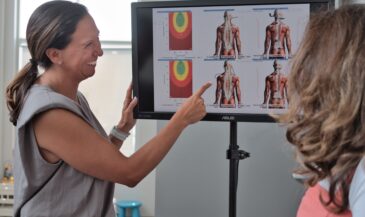
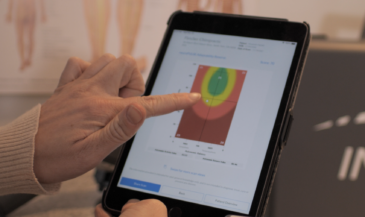
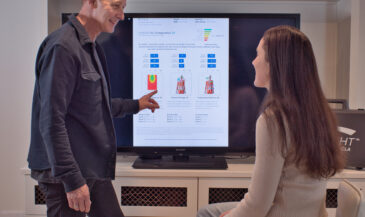
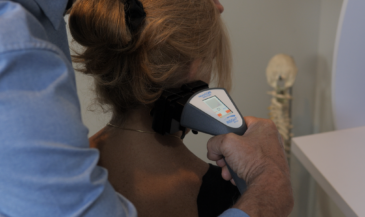
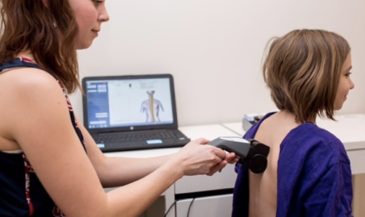
Nervous system scanning bridges the gap. It makes the invisible visible. Patients can see how their nervous system is functioning, where stress is holding them back, and how your care is improving their performance.

When patients see progress in real time, they stay engaged and committed to their care plans.

Step 1: Choose the Right Scanning Technology

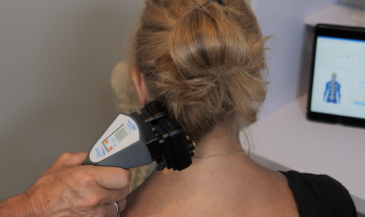
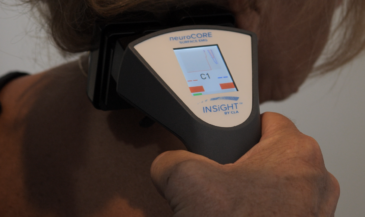
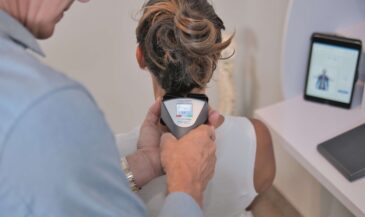
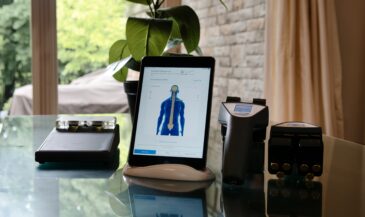
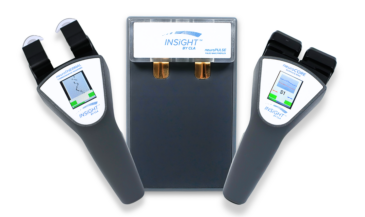
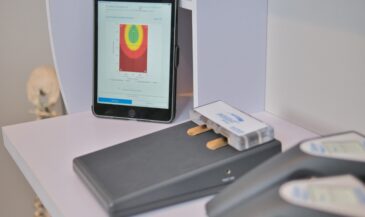
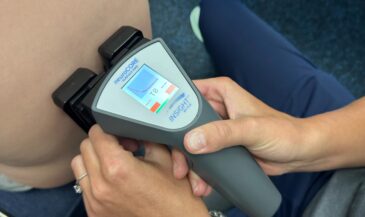
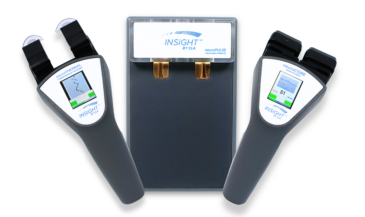
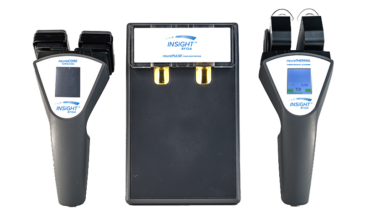
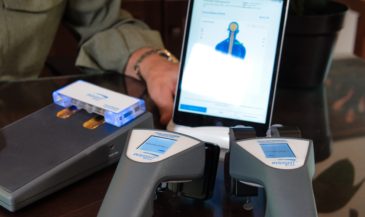
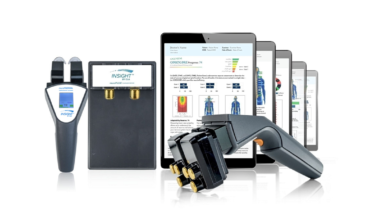
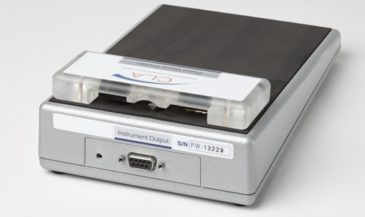
Not all nervous system scanning tools are created equal. If you’re investing in your practice, go for a system that’s designed specifically for chiropractors. CLA’s INSiGHT technology is the gold standard because it combines multiple tools in one suite:

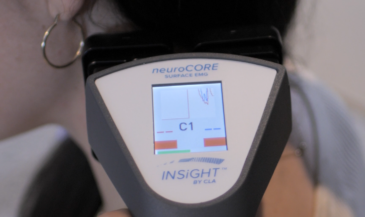
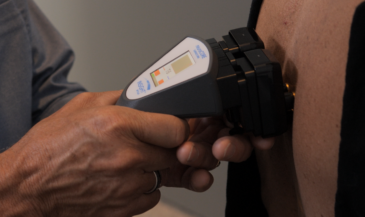
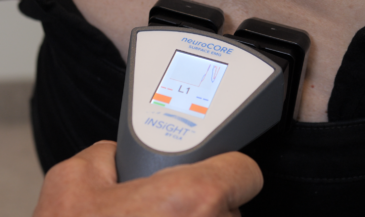
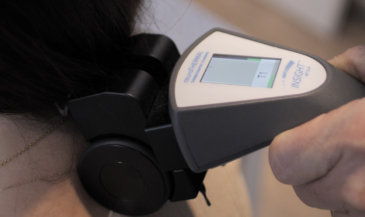
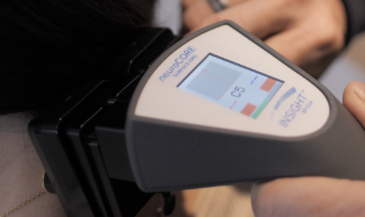
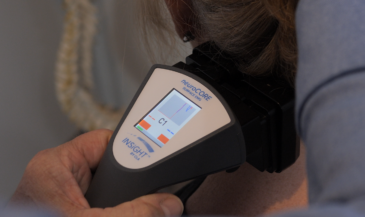
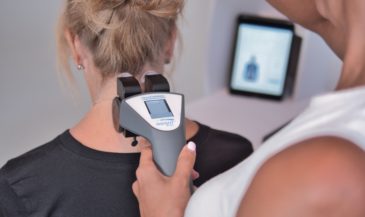
  • neuroCORE (EMG): Tracks muscle activity and reveals where the nervous system is under strain.
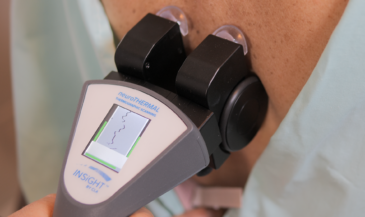
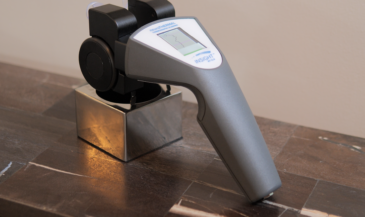
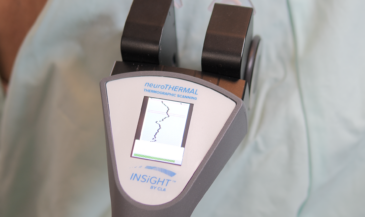
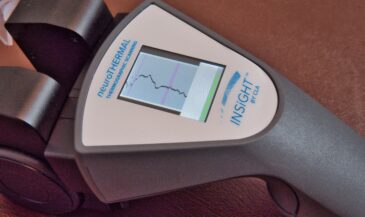
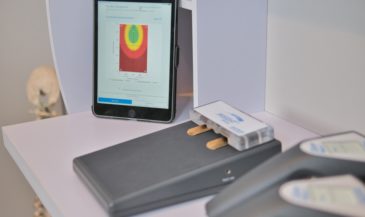
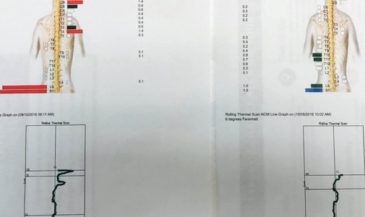
  • neuroTHERMAL: Maps out temperature changes that highlight inflammation and nerve interference.
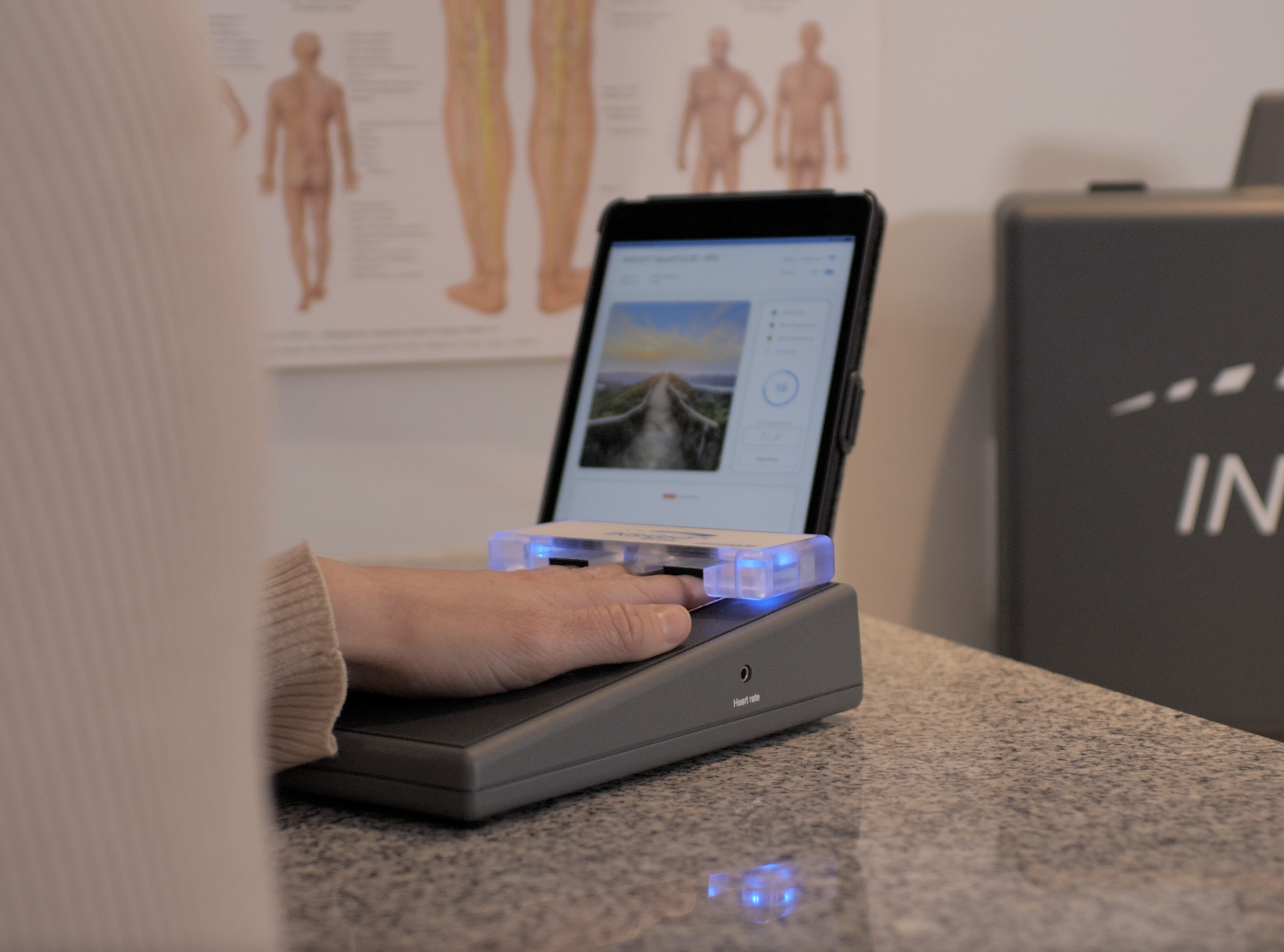
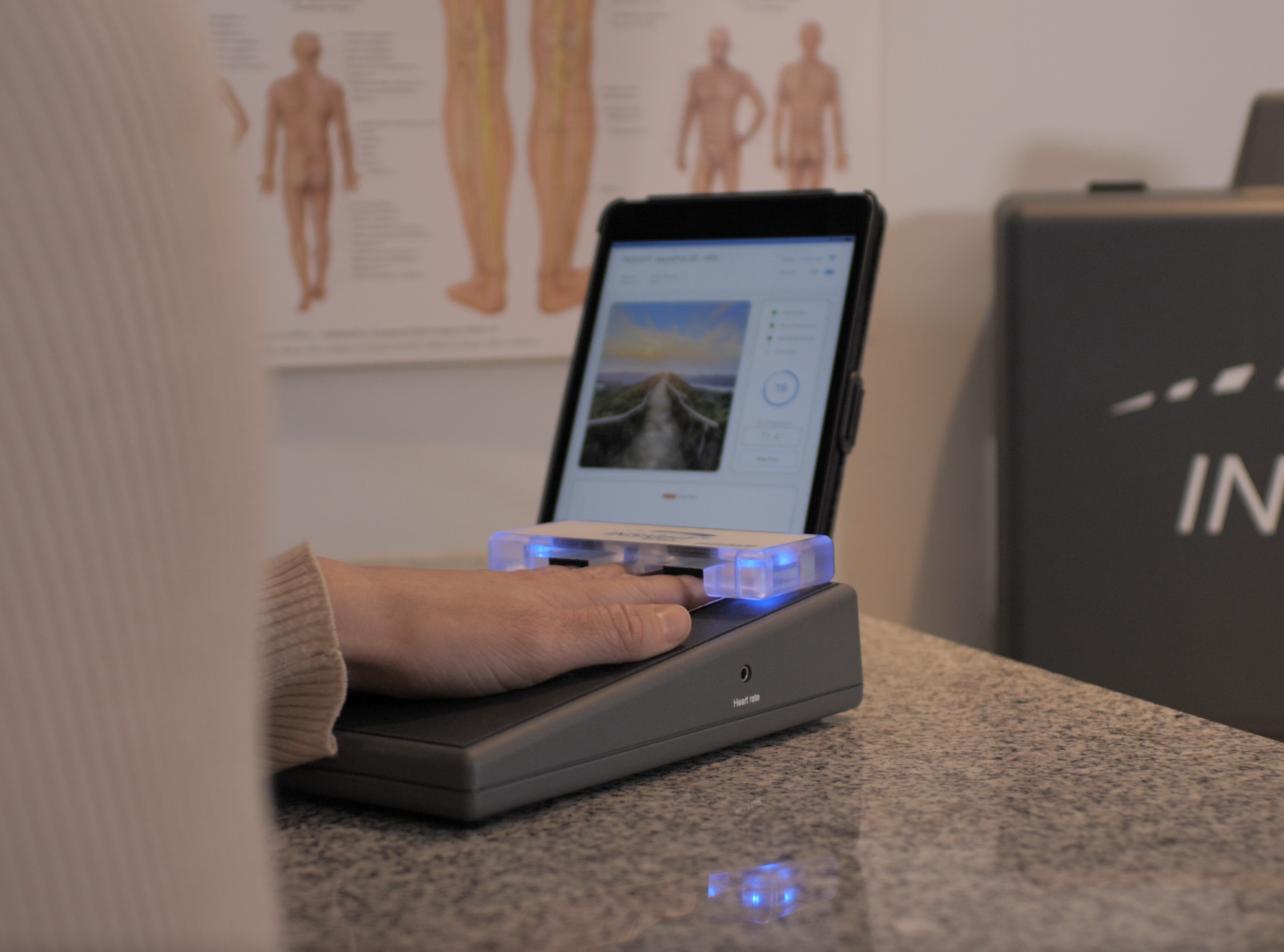
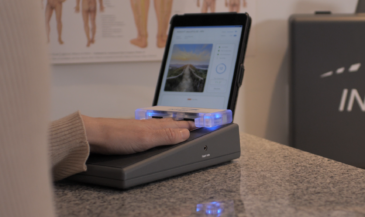
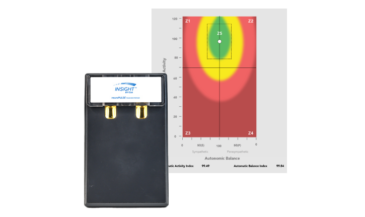
  • neuroPULSE (HRV): Evaluates how well the autonomic nervous system is balancing stress and recovery.

These tools don’t just give you data—they give you actionable insights to guide care.

Step 2: Train Your Team

Your scanning tech is only as good as the people using it. Make sure your entire team knows how to operate the equipment, explain the results, and connect the dots for patients.

What to focus on:

  • How to run scans quickly and accurately.
  • How to interpret the data and use it to guide care plans.
  • How to communicate scan results in a way patients understand.

When your team is confident with the technology, it creates a seamless experience for patients.

Step 3: Start Every Patient With a Scan

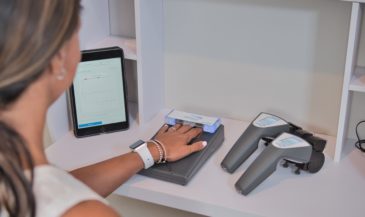
The best way to integrate nervous system scanning into your practice is to make it part of your routine. Every new patient should get a baseline scan during their first visit. This sets the stage for everything that follows.

Here’s why:

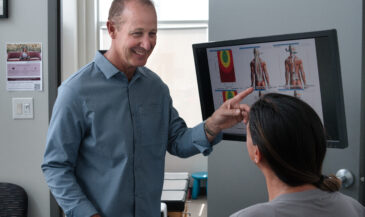
  • You establish trust by showing patients exactly what’s going on in their body.
  • You create a starting point to track progress over time.
  • Patients see the value of ongoing care from day one.

Baseline scans aren’t just helpful—they’re essential.

Step 4: Make Progress Tracking the Norm

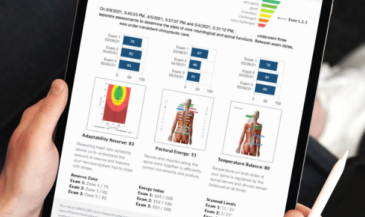
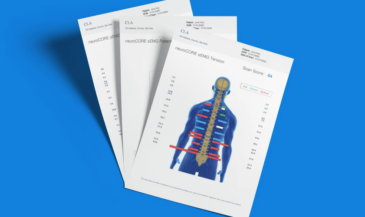
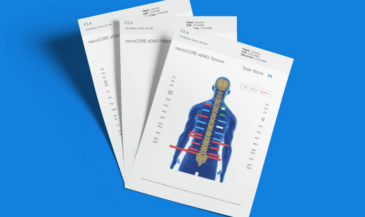
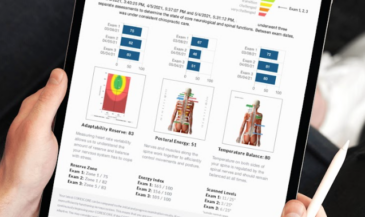
Patients love seeing results, and nervous system scanning makes that easy. Tools like the CORESCORE give patients a clear, single-number snapshot of their neurological health.

Here’s how to use progress tracking to keep patients engaged:

  • Schedule regular follow-up scans to measure improvements.
  • Compare current scans to baseline data to show progress.
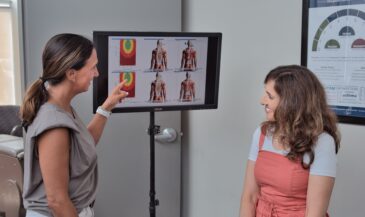
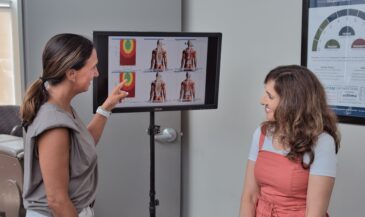
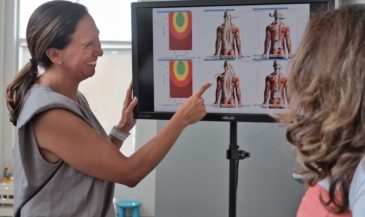
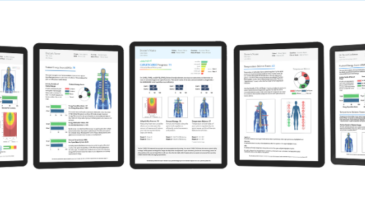
  • Use visual reports to make complex data easy to understand.

When patients can see their nervous system improving, they’re more likely to stay committed to their care plan.

Step 5: Use Scans to Build Better Care Plans

Data from nervous system scans doesn’t just show where patients are—it helps guide where they’re going. Use scan results to create care plans that are tailored to each patient’s unique needs.

How this works:

  • Focus adjustments on the areas where stress and interference are most pronounced.
  • Use data from HRV, EMG, and thermal scans to address nervous system imbalances.
  • Show patients how your care is designed to improve their specific challenges.

This level of customization builds trust and improves outcomes.

Step 6: Educate Patients About the Nervous System

Most patients don’t think about their nervous system—until you show them why it matters. Use scans as a teaching tool to help patients understand how their body works and why chiropractic care is essential.

What to explain:

  • The role of the nervous system in overall health.
  • How stress and subluxations impact nerve function.
  • How regular adjustments and progress scans improve adaptability and performance.

When patients understand the “why,” they’re more likely to buy into the “how.”

Step 7: Retain Patients With Measurable Results

Retention isn’t about locking patients into care plans—it’s about showing them why they need to stay. Nervous system scanning provides the data patients need to see the value of ongoing care.

Here’s what keeps them coming back:

  • Progress reports that prove care is working.
  • Clear visuals that make complex data relatable.
  • A focus on long-term performance, not just short-term pain relief.

Retention becomes natural when patients feel like they’re part of a process that’s improving their health.

Why CLA’s INSiGHT Technology is the Perfect Fit

If you’re serious about integrating nervous system scanning, CLA’s INSiGHT technology is the way to go. It’s designed specifically for chiropractors, making it easy to use, explain, and integrate into your workflow.

Here’s what you get:

  • neuroCORE (EMG): Pinpoints muscle tension and neuromuscular stress.
  • neuroTHERMAL: Identifies inflammation and tracks changes in nerve function.
  • neuroPULSE (HRV): Measures adaptability and resilience.

These tools don’t just give you data—they give you a competitive edge by improving patient outcomes, retention, and referrals.

Build a Better Practice With Neurological Scanning

Integrating neurological scanning is about elevating your care. You’re not just a chiropractor anymore… you’re a health coach, a guide, and someone who can make the invisible visible.

When patients see their scans improve, they trust the process. They stay committed. And they bring their friends and family along for the ride.

Book a call with an INSiGHT Advisor today to learn how you can bring this transformative technology into your chiropractic practice so you can provide unparalleled patient care.


Get Started with INSiGHT Scanning

Take our Free Practice Strategy Assessment. A Personalized Guide and Expert Strategy Call to Help Determine How Scanning will Help you Grow
ABOUT THE AUTHOR

Dr. David Fletcher is actively involved in all aspects of innovation teaching and research connected to the INSiGHT™ scanning technologies. He is widely recognized for his ability to share his expertise in compelling and easy to understand ways.

Dr David is a renowned chiropractor who practiced for many years with his associates in a scan-centric thriving principled family-based practice in Toronto. He is a sought-after teacher mentor and keynote speaker who takes every opportunity to share the wisdom and the power of chiropractic as it is meant to be.

https://insightcla.com/wp-content/uploads/2022/07/david-1.png
Dr. David Fletcher
DC FRCCSS(C) – Founder & CEO CLA Inc.
LIKE THIS ARTICLE? HELP US SPREAD THE WORD

Be Seen. Be Heard. Be Certain

In today’s saturated healthcare market, chiropractors face an ongoing challenge: being visible. Discover key marketing tactics to ensure you can BE SEEN, BE HEARD, and BE CERTAIN in your practice!

Read these Next…

Get Informed

Join 23,121 other Chiropractors and receive topics covering day to day challenges of running your practice.

Let’s face it—patient retention is one of the biggest headaches for chiropractors. Patients feel better after a few adjustments, and suddenly they think they’re done. You know the drill. They don’t understand why ongoing care matters, and before you know it, they’re off the table.

Here’s the good news: nervous system scanning changes all that. It’s not just about showing patients their progress—it’s about completely flipping the script on how they think about their health. Instead of focusing on pain relief, nervous system scans shift the conversation to function and performance.

Let’s break down why this approach keeps patients coming back, builds trust, and turns your practice into the go-to spot for lifelong health.

The Problem With Symptom-Based Care

Most patients come to chiropractors because something hurts. They’ve got back pain, a stiff neck, or headaches they can’t shake. And when the pain goes away, they assume the problem is solved.

Here’s the problem: Pain isn’t the full story. It’s just a signal. The real issue lies in how the nervous system is functioning, and that’s where the magic of chiropractic care happens. But if patients don’t understand that, they’re going to drop out as soon as they feel better.

Symptom-based care isn’t just frustrating for chiropractors—it’s a missed opportunity to truly transform a patient’s health.

How Nervous System Scans Shift the Conversation

This is where nervous system scanning flips the game. These scans measure how well the nervous system is functioning, not just whether the patient feels good. When patients see measurable data on their scans, they understand that the goal isn’t just to “feel better.” It’s to help their body function at its best.

Here’s what this does:

  • Patients get clarity: They can see exactly where their nervous system is struggling, even if they don’t feel symptoms yet.
  • The focus changes: It’s no longer about chasing pain relief. It’s about optimizing health and performance.
  • Retention improves: Patients stay because they can see the bigger picture.

Showing Progress Keeps Patients Committed

One of the best parts of nervous system scanning is how it tracks progress over time. Tools like CLA’s INSiGHT technology generate reports that patients can actually understand—like the CORESCORE, which gives a single number representing their nervous system health.

When patients see their CORESCORE improve after weeks or months of care, it’s like getting a progress report that proves the work is paying off.

This does three things:

  • Reinforces trust: Patients know you’re not just guessing. The data shows that your care is working.
  • Builds excitement: Progress is motivating. When they see improvement, they want to keep going.
  • Encourages commitment: It’s not just about today’s adjustment. It’s about long-term results.

From Feeling Better to Functioning Better

Pain relief is great, but it’s temporary if the root cause isn’t addressed. By focusing on nervous system function, you’re giving patients something more valuable: long-term health.

When patients understand that chiropractic care helps them perform better—whether it’s sleeping deeper, recovering faster, or improving focus—they start to see the bigger picture. This isn’t just about fixing something that’s broken. It’s about helping their body thrive.

And when they see that value, they’re not just patients. They’re advocates for your care.

How Nervous System Scans Encourage Referrals

Satisfied patients don’t just stay—they talk. When people see tangible results, they want to share the experience.

Here’s how nervous system scanning sparks referrals:

  • Easy-to-understand reports: Patients can show their friends and family the data. It’s not just “I feel better.” It’s “Look at how my nervous system has improved.”
  • A story worth telling: Scans make the invisible visible, turning chiropractic care into something people want to talk about.
  • Credibility: When patients see measurable results, they trust you more—and they’ll send others your way.

Retention and referrals go hand in hand. When patients stay, they naturally bring others with them.

Why CLA’s INSiGHT Technology is the Retention Tool You Need

If you’re not using CLA’s INSiGHT scanning technology, you’re missing out. This system is designed to make tracking and showing progress simple and effective.

Here’s how it works:

  • neuroCORE (EMG): Shows where muscles are overcompensating due to nerve interference.
  • neuroTHERMAL: Tracks inflammation and stress along the spine.
  • neuroPULSE (HRV): Measures how well the autonomic nervous system is balancing stress and recovery.

The CORESCORE ties it all together, giving patients a single number that sums up their progress. It’s like a scoreboard for their health. And when they see those numbers improve, they’ll want to keep playing the game.

How to Get Started with Nervous System Scanning

Ready to keep your patients for the long haul? Here’s how to bring nervous system scanning into your practice:

  1. Get the tech: Start with the full INSiGHT suiteneuroCORE, neuroTHERMAL, and neuroPULSE.
  2. Make scanning a habit: Use it during initial exams and follow-ups to track progress.
  3. Explain the results: Show patients how their nervous system is improving with easy-to-understand reports.
  4. Focus on function: Shift the conversation from pain relief to performance and long-term health.

Retention isn’t about convincing patients to stay. It’s about showing them why they need to.

Book a call with an INSiGHT Advisor today to learn how you can bring this transformative technology into your chiropractic practice so you can build retention and increase re-exams with your patients..

Get Started with INSiGHT Scanning

Take our Free Practice Strategy Assessment. A Personalized Guide and Expert Strategy Call to Help Determine How Scanning will Help you Grow
ABOUT THE AUTHOR

Dr. David Fletcher is actively involved in all aspects of innovation teaching and research connected to the INSiGHT™ scanning technologies. He is widely recognized for his ability to share his expertise in compelling and easy to understand ways.

Dr David is a renowned chiropractor who practiced for many years with his associates in a scan-centric thriving principled family-based practice in Toronto. He is a sought-after teacher mentor and keynote speaker who takes every opportunity to share the wisdom and the power of chiropractic as it is meant to be.

https://insightcla.com/wp-content/uploads/2022/07/david-1.png
Dr. David Fletcher
DC FRCCSS(C) – Founder & CEO CLA Inc.
LIKE THIS ARTICLE? HELP US SPREAD THE WORD

Be Seen. Be Heard. Be Certain

In today’s saturated healthcare market, chiropractors face an ongoing challenge: being visible. Discover key marketing tactics to ensure you can BE SEEN, BE HEARD, and BE CERTAIN in your practice!

Read these Next…

Get Informed

Join 23,121 other Chiropractors and receive topics covering day to day challenges of running your practice.

Every chiropractor talks about the spine, but not enough are talking about how it ties directly to the nervous system. And let’s be real—if the nervous system isn’t functioning right, the spine is just a glorified coat rack.

This article is here to flip that narrative. The spine isn’t the endgame; it’s the highway. The nervous system is what makes it all matter. Today, we’re breaking down how these two are connected and why this understanding can elevate your care, your outcomes, and your reputation.

Why the Spine and Nervous System are Inseparable

Let’s start with the basics. The spine isn’t just about structure. It’s the housing for the central nervous system, which includes the brain and spinal cord. This system controls everything—movement, healing, digestion, stress response.

If the spine is out of whack, nerves can’t communicate. Misalignments, or subluxations, create interference that throws the entire body off balance. When you’re adjusting the spine, you’re not just aligning bones. You’re restoring communication in the nervous system.

What Happens When the Nervous System is Stressed

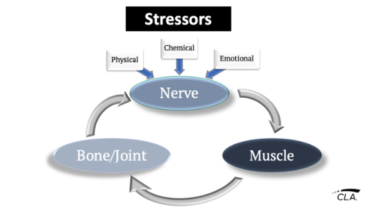
The nervous system responds to everything—physical injuries, emotional stress, toxins, even bad posture. Over time, this stress can overwhelm the system, leading to things like chronic pain, fatigue, poor sleep, or immune challenges.

And here’s the kicker: most patients don’t even know it’s happening. They come in for a stiff neck or lower back pain, but what’s really going on is deeper. Their nervous system is screaming for help, and they’re just now noticing the symptoms.

This is why chiropractors need to focus on more than pain. Pain is the alarm. The nervous system is the fire.

How Subluxations Disrupt the Nervous System

Subluxations are a double-edged sword. On one hand, they’re the body’s way of adapting to stress. On the other, they interfere with the body’s ability to function.

When a vertebra shifts out of place, it can compress or irritate the nerves passing through. This interference disrupts the flow of communication between the brain and the body. It’s like having a bad Wi-Fi connection—signals drop, things slow down, and nothing works as it should.

The result? Compensations, tension, inflammation, and a nervous system that’s constantly on edge.

Why the Spine is More Than Just Structure

As you know, the spine isn’t just there to keep you upright… it’s the gateway to the nervous system! Every adjustment you make as a chiropractor is really about optimizing how the nervous system communicates and functions.

When you focus on how the spine affects the nervous system, your adjustments become more precise. You’re not just aligning vertebrae. You’re improving adaptability, reducing stress, and supporting long-term health.

How Scanning Technology Changes the Game

This is where nervous system scanning comes in. Tools like CLA’s INSiGHT scanning technology allow you to see how the nervous system is functioning—not just how the spine looks.

Imagine being able to:

  • See where stress is building up before it becomes symptomatic
  • Track how well your adjustments are improving nervous system performance
  • Show patients measurable proof that their health is improving

With tools like neuroCORE (EMG), neuroTHERMAL, and neuroPULSE (HRV), you’re no longer guessing. You’re working with hard data.

Why CLA’s INSiGHT Technology is a Must-Have

Let’s be real: if you’re not using CLA’s INSiGHT neuroTECH, you’re leaving too much to chance. This system isn’t just impressive to look at—it provides the critical data needed to link the spine and the nervous system with precision.

Let’s break it down:

  • neuroCORE (EMG): Highlights areas of muscle tension caused by nerve interference.
  • neuroTHERMAL: Tracks inflammation along the spine that signals deeper nerve stress.
  • neuroPULSE (HRV): Measures adaptability and resilience in the autonomic nervous system.

Each scan tells a part of the story. Together, they give you the full picture.

Why This Approach Builds Better Patient Relationships

People don’t want bandaid fixes. They want to know their chiropractor is looking out for their long-term health. By focusing on the connection between the nervous system and spine, you’re not just treating symptoms. You’re giving patients a roadmap to better health.

And when they see real results—through both how they feel and the data you provide—they’ll keep coming back.

How to Start Using Neurological Scanning in Your Practice

If you’re ready to step it up, here’s how to bring INSiGHT neuroTECH into your practice:

  • Get the tools: Start with the full suite—neuroCORE, neuroTHERMAL, and neuroPULSE.
  • Train your team: Make sure everyone understands how to use the tech and explain the results to patients.
  • Make scanning a standard: Use it with every patient, from their first visit to their progress checks.
  • Track and show progress: Let patients see how their nervous system is improving.

Are you ready to start leveling up your care and building trust with every patient who walks through your door? Book a call with an INSiGHT Advisor today to learn how you can bring this transformative technology into your chiropractic practice!

Get Started with INSiGHT Scanning

Take our Free Practice Strategy Assessment. A Personalized Guide and Expert Strategy Call to Help Determine How Scanning will Help you Grow
ABOUT THE AUTHOR

Dr. David Fletcher is actively involved in all aspects of innovation teaching and research connected to the INSiGHT™ scanning technologies. He is widely recognized for his ability to share his expertise in compelling and easy to understand ways.

Dr David is a renowned chiropractor who practiced for many years with his associates in a scan-centric thriving principled family-based practice in Toronto. He is a sought-after teacher mentor and keynote speaker who takes every opportunity to share the wisdom and the power of chiropractic as it is meant to be.

https://insightcla.com/wp-content/uploads/2022/07/david-1.png
Dr. David Fletcher
DC FRCCSS(C) – Founder & CEO CLA Inc.
LIKE THIS ARTICLE? HELP US SPREAD THE WORD

Be Seen. Be Heard. Be Certain

In today’s saturated healthcare market, chiropractors face an ongoing challenge: being visible. Discover key marketing tactics to ensure you can BE SEEN, BE HEARD, and BE CERTAIN in your practice!

Read these Next…

Get Informed

Join 23,121 other Chiropractors and receive topics covering day to day challenges of running your practice.

Let’s cut to the chase: if you’re still relying solely on X-rays and manual assessments, you’re missing the bigger picture of what’s happening inside your patients’ bodies. The nervous system is the command center for every function in the body. And if you’re not measuring how it’s working, you’re leaving crucial data on the table.

This is where nervous system scanning comes in. It’s not just another tool—it’s the key to unlocking a new level of precision, trust, and results in your chiropractic care. In this article, we’ll cover everything chiropractors need to know about nervous system scanning, from the science behind it to how CLA’s INSiGHT technology makes it simple, effective, and game-changing.

Why Nervous System Function Is the Core of Chiropractic Care

Chiropractic care has always been about more than just adjusting spines. At its heart, it’s about restoring balance and communication within the nervous system. The spine is simply the pathway. If nerve flow is blocked or impaired, the body can’t function properly.

This is why measuring nervous system function is critical. Without it, you’re only addressing part of the problem—and potentially missing the root cause of dysfunction.

What Is Nervous System Scanning and How Does It Work?

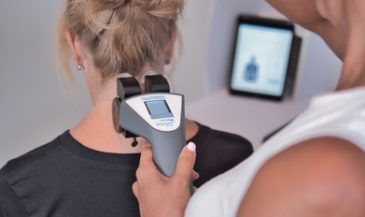
Nervous system scanning uses non-invasive technology to assess how well the nervous system is performing. Unlike tools that focus on structure (like X-rays), these scans reveal what’s happening at the functional level.

Key technologies include:

  • Surface EMG (sEMG): Measures muscle activity and nerve communication.
  • Thermal imaging: Tracks temperature changes along the spine to detect nerve interference.
  • HRV (Heart Rate Variability): Evaluates how well the autonomic nervous system is balancing stress and recovery.

By using these tools, chiropractors can identify areas of stress, interference, and imbalance that traditional assessments can’t capture.

Why Traditional Tools Aren’t Enough Anymore

Let’s be honest: X-rays and manual assessments have their place, but they only give part of the story. X-rays show structure, not function. And manual assessments are subjective at best.

Nervous system scanning bridges this gap. It provides objective data on how the body is adapting (or failing to adapt) to stress. This allows you to create targeted care plans that address the deeper issues, not just the symptoms.

The Role of Subluxations in Nervous System Dysfunction

Subluxations aren’t just structural misalignments. They’re signs that the nervous system is under stress. When a vertebra is out of place, it can disrupt nerve communication, leading to everything from muscle tension to organ dysfunction.

Nervous system scanning shows how these subluxations are impacting the body. It’s not just about finding the misalignment—it’s about understanding its effects on overall function.

Tools Used in Nervous System Scanning

Modern nervous system scanning relies on cutting-edge tools to assess different aspects of function:

  • Surface EMG (sEMG): Tracks muscle activity and highlights areas of tension or exhaustion caused by subluxations.
  • Thermal Imaging: Detects inflammation or nerve interference by measuring temperature variations along the spine.
  • HRV Scans: Evaluates stress and recovery balance, showing how well the autonomic nervous system is adapting to daily challenges.

These tools provide chiropractors with a full picture of the patient’s neurological health, enabling more effective care.

Why CLA’s INSiGHT Technology Stands Out

Here’s the deal: not all nervous system scanning tools are created equal. CLA’s INSiGHT technology is the gold standard because it combines three powerful scanning tools into one seamless system:

  • neuroPULSE (HRV): Measures the adaptability of the autonomic nervous system.
  • neuroCORE (EMG): Tracks muscular tension and exhaustion.
  • neuroTHERMAL: Maps out temperature changes that reveal deeper nerve issues.

These tools work together to provide a complete neural profile, changing the focus from “symptoms” to performance and adaptability.

How INSiGHT Scans Improve Care Planning

Let’s face it—patients want to know why they need ongoing care. With INSiGHT scans, you’re not just telling them; you’re showing them.

Here’s how it helps:

  • Establish a baseline for nervous system function during the first visit.
  • Use follow-up scans to track progress and show how care is working.
  • Adjust care plans based on real-time data, ensuring patients get exactly what they need.

This level of precision builds trust and keeps patients engaged.

The Benefits of CORESCORE Reporting for Chiropractors and Patients

The CORESCORE report is one of the standout features of INSiGHT technology. It’s a single-number score that represents the patient’s overall neurological health.

Why this matters:

  • It simplifies complex data into something patients can understand.
  • It provides a clear way to track progress over time.
  • It reinforces the value of chiropractic care by making improvements visible.

Patients love seeing their CORESCORE improve, and chiropractors love the increased retention and trust it brings.

How to Integrate Nervous System Scanning Into Your Practice

Ready to bring nervous system scanning into your practice? Here’s how to get started:

  1. Invest in CLA’s INSiGHT technology: Start with the full suite—neuroPULSE, neuroCORE, and neuroTHERMAL.
  2. Train your team: Make sure everyone knows how to use the tools and explain the results.
  3. Start scanning everyone: Use it during initial exams to establish baselines.
  4. Track progress: Regular scans show patients how care is improving their health.

With INSiGHT, you’re not just adding a tool—you’re transforming your practice.

Book a call with an INSiGHT Advisor today to learn how you can bring this transformative technology into your chiropractic clinic so you can lead your patients on a journey toward optimal health and wellness.

Get Started with INSiGHT Scanning

Take our Free Practice Strategy Assessment. A Personalized Guide and Expert Strategy Call to Help Determine How Scanning will Help you Grow
ABOUT THE AUTHOR

Dr. David Fletcher is actively involved in all aspects of innovation teaching and research connected to the INSiGHT™ scanning technologies. He is widely recognized for his ability to share his expertise in compelling and easy to understand ways.

Dr David is a renowned chiropractor who practiced for many years with his associates in a scan-centric thriving principled family-based practice in Toronto. He is a sought-after teacher mentor and keynote speaker who takes every opportunity to share the wisdom and the power of chiropractic as it is meant to be.

https://insightcla.com/wp-content/uploads/2022/07/david-1.png
Dr. David Fletcher
DC FRCCSS(C) – Founder & CEO CLA Inc.
LIKE THIS ARTICLE? HELP US SPREAD THE WORD

Be Seen. Be Heard. Be Certain

In today’s saturated healthcare market, chiropractors face an ongoing challenge: being visible. Discover key marketing tactics to ensure you can BE SEEN, BE HEARD, and BE CERTAIN in your practice!

Read these Next…

Get Informed

Join 23,121 other Chiropractors and receive topics covering day to day challenges of running your practice.

Imagine having the ability to see exactly how the nervous system is functioning—beyond what symptoms tell you. That’s what neurological scanning offers. It’s not just another tech trend; it’s a game-changer for understanding the root causes of stress, dysfunction, and suboptimal health.

This article explores the ins and outs of neurological scanning—what it is, why it matters, and how it’s transforming chiropractic and holistic care. If you’re ready to unlock a deeper level of insight into health and performance, let’s get into it.

What is Neurological Scanning?

Neurological scanning refers to non-invasive instruments and techniques used to measure how the nervous system is functioning. These scans assess everything from nerve conduction and muscle activity to adaptability and stress response. The goal is simple: to identify areas of stress, dysfunction, or imbalance that could be affecting overall health.

The most common tools in neurological scanning include:

  • Surface EMG scans to track electrical signals in muscles.
  • Thermal scans to identify temperature changes that point to nerve interference.
  • HRV (Heart Rate Variability) scans to evaluate the balance of the autonomic nervous system.

This isn’t just about finding problems; it’s about understanding how the body is adapting to its environment and guiding care to improve nervous system function.

Why Neurological Scanning is Important

The nervous system controls everything in the body—from movement and organ function to stress recovery and immunity. When the system is under strain, it shows up as more than just pain. It can manifest as fatigue, poor sleep, or even chronic illnesses.

Here’s why neurological scanning is a must-have:

  • It identifies hidden stress and dysfunction before symptoms appear.
  • It tracks the progress of care, so you’re not guessing about what’s working.
  • It focuses on the root causes of issues, not just short-term relief.

Instruments Used in Neurological Scanning

Surface EMG Scans

Surface EMG scans measure the electrical activity in muscles. This data shows where the body is compensating for poor nerve communication or dealing with chronic tension.

Key insights from EMG scans:

  • Muscle patterns that reveal stress or exhaustion.
  • Areas where the body is overcompensating due to subluxations.
  • Progress in reducing nerve interference after chiropractic adjustments.

Thermal Scans

Thermal imaging tracks temperature changes along the spine, which can reveal areas of inflammation or nerve interference affecting organs and glands.

What thermal scans reveal:

  • Hot spots where stress is affecting nerve function.
  • Adaptability in the autonomic nervous system.
  • Patterns of improvement after care.

HRV Scans

Heart Rate Variability (HRV) scans measure how well the autonomic nervous system balances between stress (sympathetic) and recovery (parasympathetic).

Why HRV matters:

  • Shows how well a patient is adapting to daily stress.
  • Tracks resilience and recovery over time.
  • Offers insights into chronic stress and its impact on health.

How Neurological Scanning Transforms Chiropractic Care

For chiropractors, neurological scanning is like having a roadmap for patient care. It goes beyond the traditional focus on pain and misalignment to show how well the nervous system is functioning.

This approach allows chiropractors to:

  • Pinpoint areas of nerve interference and dysfunction.
  • Create care plans based on measurable data.
  • Track and communicate progress with patients more effectively.

Patients love it too. They can see exactly how their care is working, which builds trust and keeps them coming back.

Why Neurological Scanning Goes Beyond Traditional X-Rays

Let’s talk about X-rays for a second. They’re great for showing structure, but they don’t tell you anything about function. Neurological scanning, on the other hand, gives you real-time data on how the body is performing.

  • X-rays show bones.
  • Neurological scans show how the nerves, muscles, and body systems are working together.

The result? A clearer picture of health and a better understanding of what needs to be addressed.

How INSiGHT Scanning Enhances Chiropractic Care

For chiropractors, neurological scanning is the ultimate tool for guiding care. It gives you data on how well the nervous system is performing, helping you make adjustments that go beyond pain relief.

Here’s what it does for your practice:

  • Precision: You’ll know exactly where to focus your care.
  • Accountability: Patients see measurable results, building trust.
  • Efficiency: Scans streamline care plans and track progress.

When patients understand how their nervous system is improving, they’re more likely to stay engaged and committed to their care.

Neurological Scanning for Pediatric Patients

Kids don’t always show obvious signs of stress or subluxations, but that doesn’t mean their nervous system is firing perfectly. Neurological scans are perfect for pediatric care because they’re quick, non-invasive, and provide clear insights into developmental challenges.

What makes it great for kids:

  • Tracks neurological development and resilience.
  • Identifies stressors that could lead to long-term issues.
  • Gives parents peace of mind with measurable data.

From colic to immune challenges, neurological scanning can catch and correct problems early.

How Neurological Scanning Improves Patient Engagement

Let’s be honest. Patients want to see progress. They don’t just want to hear that things are getting better—they want proof.

That’s where neurological scanning shines:

  • Visual reports make it easy to explain what’s going on.
  • Patients can see their improvement in real time.
  • It builds trust and keeps patients committed to their care plan.

When patients see measurable results, they stay motivated and keep coming back.

The Three Tools Inside CLA’s INSiGHT neuroTECH Scanning Suite

Here’s where it gets exciting. The INSiGHT neuroTECH is a scanning technology suite that packs a three-tool punch to give you all the info you need.

  • neuroPULSE (HRV): Tracks how well the autonomic nervous system balances stress and recovery. You’ll see whether a patient is thriving or just barely keeping it together.
  • neuroCORE (EMG): Measures the electrical activity in muscles, pinpointing tension and exhaustion. If your patient’s muscles are working overtime just to stay upright, this scan shows it.
  • neuroTHERMAL: Maps out temperature changes along the spine, which can reveal inflammation and deeper nerve issues.

Each tool tells a story, and together, they give you the full picture. No guesswork. Just scientific, reproducible data.

How to Use Neurological Scans to Improve Patient Outcomes

The key to getting the most out of neurological scanning is consistency. Use it as part of your standard care workflow to:

  1. Establish a baseline: Scan every new patient to see where they’re starting from.
  2. Guide care plans: Use the data to customize adjustments.
  3. Track progress: Run follow-up scans to show how care is improving their nervous system function.

When patients can see their results in real time, they’re more likely to stay engaged and committed to their care.

Why INSiGHT Scanning Technology Is a Game-Changer

The INSiGHT neuroTECH doesn’t just make your care better—it makes it smarter. You’re no longer guessing or relying on symptoms alone. Instead, you’re showing patients exactly what’s happening inside their body and how your care is making a difference.

Key benefits of using INSiGHT:

  • CORESCORE reports: A single score that tracks neurological health over time.
  • Measurable results: Patients see how their care is improving their nervous system.
  • Better retention: When patients trust the process, they stick to their care plans.

This isn’t just about technology. It’s about transforming how you deliver care and grow your practice.

How to Implement Neurological Scanning in Your Practice

If you’re ready to bring neurological scanning into your practice, here’s how to get started:

  1. Invest in the right tools: Look for systems like INSiGHT Scanning Technology, which combines EMG, thermal, and HRV scans.
  2. Train your team: Make sure everyone knows how to use the tools and explain the results.
  3. Start with every patient: Make scans a standard part of your workflow.
  4. Communicate effectively: Use reports to show patients their progress and the value of ongoing care.

Book a call with an INSiGHT Advisor today to learn how you can bring this transformative technology into your chiropractic clinic so you can lead your patients on a journey toward optimal health and wellness.

FAQs About Neurological Scanning

Is neurological scanning safe for all ages?
Yes, it’s non-invasive and suitable for patients of all ages, from newborns to seniors.

How long do scans take?
Most scans are quick, taking just a few minutes to complete.

Can patients understand the results?
Absolutely. Reports and visuals make it easy to explain what the scans reveal and why care is needed.

Get Started with INSiGHT Scanning

Take our Free Practice Strategy Assessment. A Personalized Guide and Expert Strategy Call to Help Determine How Scanning will Help you Grow
ABOUT THE AUTHOR

Dr. David Fletcher is actively involved in all aspects of innovation teaching and research connected to the INSiGHT™ scanning technologies. He is widely recognized for his ability to share his expertise in compelling and easy to understand ways.

Dr David is a renowned chiropractor who practiced for many years with his associates in a scan-centric thriving principled family-based practice in Toronto. He is a sought-after teacher mentor and keynote speaker who takes every opportunity to share the wisdom and the power of chiropractic as it is meant to be.

https://insightcla.com/wp-content/uploads/2022/07/david-1.png
Dr. David Fletcher
DC FRCCSS(C) – Founder & CEO CLA Inc.
LIKE THIS ARTICLE? HELP US SPREAD THE WORD

Seeing RED: A Guide to Scan Interpretation and Communication

This RED E-Book summarizes the chiropractic paradigm while providing a concise and easily remembered protocol to use when both performing and sharing scan data. It has been designed to be used by staff members and doctors as a communication tip sheet.

Read these Next…

Get Informed

Join 23,121 other Chiropractors and receive topics covering day to day challenges of running your practice.

Chiropractic care has been around for decades, but let’s face it—there’s always been one big challenge. How do you show patients what’s really going on inside their body? You can feel the misalignments. You know the nervous system isn’t firing on all cylinders. But your patients? They’re looking at you like, “Okay, but why do I need to come back next week?”

Enter INSiGHT Scanning Technology. This isn’t just another gadget to put in your practice, it’s the suite of examination and reporting technologies that finally connect the dots between what you’re doing and what your patients can actually see, feel, and believe.

What Makes INSiGHT Scanning Technology So Different?

There’s no shortage of tools out there promising to make your practice better, but INSiGHT Scanning Technology empowers you to grow your practice with objective findings and reporting unlike any other system on the market. It’s a full-on upgrade for how you understand and care for the nervous system that doesn’t just show you the structure (you’ve already got X-rays for that), it gives you real data on how the nervous system is actually functioning. We’re talking muscle tension, nerve interference, and how the body handles stress. And it’s all packaged in a way that’s easy for you to explain and patients to understand.

Why Focusing on Nervous System Function Is the Future of Chiropractic

Let’s talk about what really matters: nervous system function.

Yeah, alignment is important, but if the nervous system isn’t firing right, the body can’t heal, adapt, or perform. Patients might not say it out loud, but they’re not just looking to “feel better.” They want to move better, sleep better, live better. That starts with how well their nervous system works.

This is why you need INSiGHT scanning to let you go deeper, showing how subluxations are affecting the whole system—not just where it hurts.

The Three Tools Inside the INSiGHT neuroTECH

Here’s where it gets exciting. The INSiGHT neuroTECH is a scanning technology suite that packs a three-tool punch to give you all the info you need.

  • neuroPULSE (HRV): Tracks how well the autonomic nervous system balances stress and recovery. You’ll see whether a patient is thriving or just barely keeping it together.
  • neuroCORE (EMG): Measures the electrical activity in muscles, pinpointing tension and exhaustion. If your patient’s muscles are working overtime just to stay upright, this scan shows it.
  • neuroTHERMAL: Maps out temperature changes along the spine, which can reveal inflammation and deeper nerve issues.

Each tool tells a story, and together, they give you the full picture. No guesswork. Just scientific, reproducible data.

Why the CORESCORE Report is Your New Best Friend

Let’s talk about the CORESCORE, because this is the secret weapon you didn’t know you needed. It’s basically a “neurological report card” for your patients. One single number shows their overall nervous system health.

Why is this awesome?

  • Patients get it. No long explanations required.
  • It tracks progress over time. Patients see their improvements in black and white (or full color, if you’re printing reports).
  • It builds trust. When you show patients the data, they know you’re not just winging it.

This isn’t just good for patients—it’s a game changer for you. Trust leads to retention. Retention leads to referrals. See where this is going?

Pain Is Out. Performance Is In. Here’s Why It Matters.

Pain relief is cool, but it’s not the endgame anymore. People aren’t coming to you just because they hurt. They’re coming because they want to feel unstoppable.

INSiGHT Scans let you flip the script. Instead of chasing symptoms, you’re optimizing nervous system performance. Show patients how their body is adapting (or not adapting) to stress, and you’ve just turned them into believers.

This is where chiropractic care shines. It’s not about pain—it’s about helping people perform better in every aspect of their lives.

How INSiGHT Scans Turn “Maybe” Patients Into Lifers

Here’s a universal truth: People don’t buy what they don’t understand. If patients can’t see the value in your care, they’ll ghost you after a couple of visits.

That’s where INSiGHT comes in.

  • Scans show them what’s happening inside their body.
  • Progress reports prove that your care is making a difference.
  • The CORESCORE gives them a reason to keep coming back.

When patients see their numbers improve, they don’t just want to stay—they want to tell their friends and family about it.

Why Kids Love the INSiGHT (And Parents Love It Even More)

If you work with kids, INSiGHT scanning is a no-brainer. Pediatric patients don’t always have the words to explain what’s going on in their bodies, but these scans give you the data you need.

The neuroTHERMAL scan, for example, is perfect for tracking how a child’s nervous system is adapting to growth and stress. And parents? They love having something tangible to see their child’s progress.

When you show parents that their child’s nervous system is improving, they become your biggest advocates.

How INSiGHT Scans Make Care Planning a Breeze

You’ve got the data. You’ve got the progress reports. Now what? With INSiGHT scanning, care planning is almost too easy.

Here’s how:

  • Use the scans to create personalized care plans.
  • Show patients exactly why they need ongoing adjustments.
  • Use the CORESCORE to explain progress and next steps.

Patients appreciate the clarity, and you’ll love how it streamlines your workflow.

Getting Started with INSiGHT Scans in Your Practice

So, how do you bring INSiGHT Scanning Technology into your practice?

  • Get the tech: Start with the full suiteneuroPULSE, neuroCORE, and neuroTHERMAL.
  • Educate your team: Everyone needs to know how to use the tools and explain the results.
  • Scan everyone: Run scans on every new patient to set a baseline.
  • Track and show progress: Use follow-up scans to prove your care is working.

You don’t need to change everything overnight, but once you start using these tools, you won’t want to go back.

Questions You’re Probably Asking About INSiGHT Scanning

Is this just for new patients?
Nope. Scans are great for everyone, from first-timers to long-time patients. They’re especially helpful for showing progress in ongoing care.

How long does it take?
Most scans take just a few minutes. They’re quick, painless, and easy to fit into your workflow.

Do I need all three tools?
If you want the full picture, yes. Each tool provides unique data, and together they give you everything you need to deliver next-level care.

Discover the Future of Chiropractic Care

Are you ready to revolutionize your practice and provide unparalleled patient care? Integrate INSiGHT scanning technology and experience the difference it makes.

Book a call with an INSiGHT Advisor today to learn how you can bring this transformative technology into your chiropractic clinic so you can lead your patients on a journey toward optimal health and wellness.

Get Started with INSiGHT Scanning

Take our Free Practice Strategy Assessment. A Personalized Guide and Expert Strategy Call to Help Determine How Scanning will Help you Grow
ABOUT THE AUTHOR

Dr. David Fletcher is actively involved in all aspects of innovation teaching and research connected to the INSiGHT™ scanning technologies. He is widely recognized for his ability to share his expertise in compelling and easy to understand ways.

Dr David is a renowned chiropractor who practiced for many years with his associates in a scan-centric thriving principled family-based practice in Toronto. He is a sought-after teacher mentor and keynote speaker who takes every opportunity to share the wisdom and the power of chiropractic as it is meant to be.

https://insightcla.com/wp-content/uploads/2022/07/david-1.png
Dr. David Fletcher
DC FRCCSS(C) – Founder & CEO CLA Inc.
LIKE THIS ARTICLE? HELP US SPREAD THE WORD

Be Seen. Be Heard. Be Certain

In today’s saturated healthcare market, chiropractors face an ongoing challenge: being visible. Discover key marketing tactics to ensure you can BE SEEN, BE HEARD, and BE CERTAIN in your practice!

Read these Next…

Get Informed

Join 23,121 other Chiropractors and receive topics covering day to day challenges of running your practice.

The phrase “Be-Do-Have” has long been a guiding principle in chiropractic circles and beyond.

It’s a statement that suggests a sequence for success: first, embody the qualities of the person you want to become (Be), then take the necessary actions (Do), and finally, achieve the desired outcomes (Have). It’s a philosophy that resonates with many and has been a cornerstone for personal and professional development within our profession. But as I reflect on this idea, I find myself wondering—does “Be-Do-Have” need a rethink? 

The Power of “Be-Do-Have” 

Let’s start by acknowledging why “Be-Do-Have” has stood the test of time. It’s a powerful reminder that true change begins from within. Before we can expect to see results in our practices, our relationships, or our personal lives, we must first cultivate the mindset, values, and beliefs that align with those outcomes. It’s a call to authenticity—to not just go through the motions, but to genuinely embody the principles we espouse. 

In chiropractic care, this means being a doctor who truly believes in the power of the body to heal itself, who sees the nervous system as central to health, and who is committed to the well-being of every patient. From this place of being, we then take the necessary actions—conducting thorough examinations, utilizing advanced tools like INSiGHT scanning technologies, and crafting personalized care plans. The results, or the “Have,” naturally follow as patients experience improved health and vitality. 

Is It Time for a Flip? 

But, as much as I appreciate the wisdom of “Be-Do-Have,” I can’t help but wonder if it might benefit from a little rethinking—or perhaps, a flip. What if we considered starting with the “Have”? What if we began by defining the results we want to achieve, and then worked backward? 

Imagine for a moment that you’re clear on what you want your practice to look like. You envision a thriving office filled with patients who are committed to their health, who value chiropractic care, and who are advocates for the power of a well-aligned spine and a healthy nervous system. You “Have” this vision firmly in mind. From there, you ask yourself: What do I need to Do to make this vision a reality? What actions, strategies, and systems need to be in place? Finally, you consider the “Be”—who do I need to Be to take these actions consistently and effectively? What qualities, beliefs, and mindset do I need to cultivate? 

Why the Original Sequence Still Matters  

While this flipped approach can be an intriguing exercise, there’s a reason “Be-Do-Have” has endured as the preferred sequence. Starting with “Being” ensures that our actions are grounded in authenticity and integrity. It prevents us from becoming so focused on outcomes that we lose sight of who we are and why we do what we do. In chiropractic care, where the relationship between doctor and patient is so foundational, this integrity is essential. 

That said, there’s value in occasionally revisiting and questioning our guiding principles. By playing with the sequence, we can gain new insights and perspectives that enrich our understanding and approach. The “Have-Do-Be” approach, for example, can help us clarify our goals and reverse-engineer the steps needed to achieve them, all while ensuring that we’re becoming the practitioners our patients need. 

A Balanced Perspective 

Ultimately, I believe the strength of “Be-Do-Have” lies in its balanced approach to personal and professional growth. It’s a reminder that who we are informs what we do, and what we do determines what we achieve. But as with any guiding principle, it’s worth revisiting from time to time, challenging it, and seeing how it holds up in the context of our evolving practices and lives. 

So, does “Be-Do-Have” need a rethink? Maybe, maybe not. But one thing is certain—whether we start with being, doing, or having, the key is to remain committed to the journey of growth, learning, and excellence in all that we do as chiropractors. In the end, it’s this commitment that truly defines our success. 

Dr. David Fletcher, President & CEO of CLA Inc 

Get Started with INSiGHT Scanning

Take our Free Practice Strategy Assessment. A Personalized Guide and Expert Strategy Call to Help Determine How Scanning will Help you Grow
ABOUT THE AUTHOR

Dr. David Fletcher is actively involved in all aspects of innovation teaching and research connected to the INSiGHT™ scanning technologies. He is widely recognized for his ability to share his expertise in compelling and easy to understand ways.

Dr David is a renowned chiropractor who practiced for many years with his associates in a scan-centric thriving principled family-based practice in Toronto. He is a sought-after teacher mentor and keynote speaker who takes every opportunity to share the wisdom and the power of chiropractic as it is meant to be.

https://insightcla.com/wp-content/uploads/2022/07/david-1.png
Dr. David Fletcher
DC FRCCSS(C) – Founder & CEO CLA Inc.
LIKE THIS ARTICLE? HELP US SPREAD THE WORD

Seeing RED: A Guide to Scan Interpretation and Communication

This RED E-Book summarizes the chiropractic paradigm while providing a concise and easily remembered protocol to use when both performing and sharing scan data. It has been designed to be used by staff members and doctors as a communication tip sheet.

Read these Next…

Get Informed

Join 23,121 other Chiropractors and receive topics covering day to day challenges of running your practice.

As chiropractors, we’re all familiar with vertebral subluxations—misalignments in the spine that interfere with nerve communication. But subluxations are more than just structural misalignments, they’re functional adaptations that reflect how the body responds to stress. By understanding the deeper role of subluxations, you can elevate your care, improve outcomes, and provide long-term health benefits to your patients.

What Is a Vertebral Subluxation?

A vertebral subluxation is more than just a misaligned vertebra. It’s the body’s response to stress—physical, emotional, or biochemical. When the body faces challenges, it adapts by altering its structure to protect function. Subluxations are part of this adaptation.

These misalignments can interfere with nervous system function, disrupting the communication between the brain and spinal cord and the rest of the body. Left unaddressed, they can lead to chronic stress, poor adaptability, and reduced overall health.

How Subluxations Impact Nervous System Function

The nervous system relies on clear communication pathways to regulate the body. Subluxations disrupt these pathways by creating tension, inflammation, and interference.

This can result in:

  • Reduced nerve flow to organs and tissues.
  • Impaired coordination of movement and posture.
  • Chronic stress responses in the autonomic nervous system.

By addressing subluxations, chiropractors restore the flow of information in the nervous system, helping the body heal and function optimally.

Why the Nervous System Adapts Through Subluxations

Subluxations are not random. They’re the body’s way of adapting to external and internal stressors. Whether it’s a poor posture, an injury, or prolonged emotional stress, the nervous system directs structural changes to preserve essential functions.

This means subluxations are often a sign of deeper issues. They show where the body is compensating for imbalances. By identifying and addressing these compensations, chiropractors support the body’s natural healing processes.

When a subluxation occurs, it creates interference within the central nervous system (CNS). This can lead to:

  • Altered muscle tone and tension.
  • Inflammatory responses along the spine.
  • Impaired communication between the brain and body.

Addressing subluxations helps restore CNS function, allowing the body to operate more efficiently and adapt to stress more effectively.

How Subluxations Affect the Autonomic Nervous System

The autonomic nervous system controls involuntary processes like heart rate, digestion, and immune response. Subluxations can disrupt the balance between the sympathetic (fight or flight) and parasympathetic (rest and digest) branches of this system.

When subluxations cause prolonged stress, patients may experience:

  • Anxiety or heightened stress responses.
  • Poor sleep or digestion.
  • Reduced ability to recover from illness or injury.

Chiropractic care can rebalance the autonomic nervous system by removing subluxations and improving nerve function.

Using Scanning Technology to Detect Subluxations

Identifying subluxations isn’t always easy. They don’t always present as pain or visible misalignment. This is where scanning technology becomes a critical tool.

Tools like INSiGHT scanning technology measure:

  • Muscle activity with EMG scans.
  • Temperature variations with thermal scans.
  • Adaptability with HRV scans.

These scans provide data-driven insights into how subluxations are affecting the nervous system, guiding targeted adjustments.

INSiGHT scanning technology takes the guesswork out of subluxation care. By combining tools like neuroPULSE, neuroCORE, and neuroTHERMAL, chiropractors can see a full picture of how the nervous system is responding to stress.

For example:

  • neuroCORE scans highlight muscle tension caused by subluxations.
  • neuroTHERMAL scans track inflammation along the spine.
  • CORESCORE reports show how subluxations impact overall nervous system health.

These tools allow chiropractors to create personalized care plans and track progress over time.

The Importance of Addressing Subluxations in Pediatric Care

In children, subluxations can have a significant impact on development. Their nervous system is still learning to adapt to the world, making it more vulnerable to stress and misalignment.

Common signs of pediatric subluxations include:

  • Difficulty sleeping.
  • Poor coordination or posture.
  • Recurrent illness or immune challenges.

By addressing subluxations early, chiropractors can support healthy development and improve a child’s overall well-being.

Tracking Subluxation Progress Over Time with CORESCORE

The CORESCORE report is a powerful tool for tracking how subluxations affect a patient’s nervous system over time. This single-number score provides a snapshot of neurological health, making it easy to communicate progress with patients.

Benefits of the CORESCORE include:

  • Visual proof of how care is improving nervous system function.
  • Increased patient trust and commitment to care plans.
  • A clear way to track long-term health outcomes.

Traditional chiropractic care often focuses on achieving “ideal” alignment. While structure matters, function should take priority. By prioritizing nervous system function, chiropractors can:

  • Improve patient outcomes.
  • Build stronger, more trusting relationships with patients.
  • Provide care that supports long-term health and adaptability.

Book a call with an INSiGHT Advisor today to learn how you can bring this transformative technology into your chiropractic clinic so you can lead your patients on a journey toward optimal health and wellness.

Get Started with INSiGHT Scanning

Take our Free Practice Strategy Assessment. A Personalized Guide and Expert Strategy Call to Help Determine How Scanning will Help you Grow
ABOUT THE AUTHOR

Dr. David Fletcher is actively involved in all aspects of innovation teaching and research connected to the INSiGHT™ scanning technologies. He is widely recognized for his ability to share his expertise in compelling and easy to understand ways.

Dr David is a renowned chiropractor who practiced for many years with his associates in a scan-centric thriving principled family-based practice in Toronto. He is a sought-after teacher mentor and keynote speaker who takes every opportunity to share the wisdom and the power of chiropractic as it is meant to be.

https://insightcla.com/wp-content/uploads/2022/07/david-1.png
Dr. David Fletcher
DC FRCCSS(C) – Founder & CEO CLA Inc.
LIKE THIS ARTICLE? HELP US SPREAD THE WORD

Be Seen. Be Heard. Be Certain

In today’s saturated healthcare market, chiropractors face an ongoing challenge: being visible. Discover key marketing tactics to ensure you can BE SEEN, BE HEARD, and BE CERTAIN in your practice!

Read these Next…

Get Informed

Join 23,121 other Chiropractors and receive topics covering day to day challenges of running your practice.

The nervous system is the foundation of human health, governing everything from movement to immune function. As chiropractors, our mission is to ensure that this system operates at its peak. Enter nervous system scans, a game-changing tool that allows us to look beyond structure and into how the nervous system is functioning.

By shifting the focus from symptoms to nervous system function, nervous system scans provide data-driven insights that lead to better adjustments, patient engagement, and health outcomes. Let’s dive deeper!

What Are Nervous System Scans and Why Are They Important?

Nervous system scans are non-invasive tools that measure how well the nervous system is functioning. Unlike X-rays, which focus on structure, these scans assess nerve communication, adaptability, and efficiency. They help chiropractors identify hidden stress patterns and subluxations that disrupt nervous system function.

Why is this important? Because the nervous system is the body’s control center. When it’s not functioning well, the entire body suffers. These scans allow chiropractors to see the bigger picture, guiding adjustments that enhance overall health.

Nervous system scans use advanced technology to measure nerve function and identify areas of stress. The key tools include:

  • neuroPULSE (HRV scans): These assess the balance between the sympathetic and parasympathetic nervous system, showing how well the body adapts to stress.
  • neuroCORE (EMG scans): These measure the neurological activity in muscles, highlighting areas of tension or exhaustion caused by subluxations.
  • neuroTHERMAL: This tracks temperature variations along the spine, revealing inflammation and nerve interference.

These scans are quick, painless, and provide actionable data that chiropractors can use to enhance patient care.

The Role of the Central Nervous System in Chiropractic Care

The central nervous system (CNS) includes the brain and spinal cord, which regulate every function in the body. When subluxations disrupt the CNS, patients experience issues ranging from chronic pain to weakened immune systems.

By using nervous system scans, chiropractors can assess how well the CNS is functioning. This allows for targeted adjustments that not only address pain but also improve overall health and adaptability.

How Nervous System Scans Compare to Traditional X-Rays

X-rays show the spine’s structure, while nervous system scans reveal its function.

For example:

  • An X-ray might show a misaligned vertebra, but it won’t reveal how that misalignment is affecting nerve communication.
  • A nervous system scan pinpoints the exact impact of subluxations, providing a functional roadmap for care.
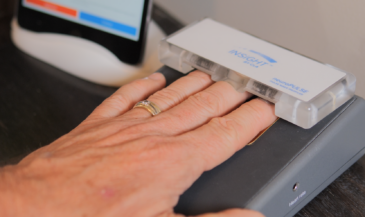
Together, these tools offer a complete picture, enabling chiropractors to deliver more precise and effective care.

Understanding the Core Components of INSiGHT Scanning Technology

INSiGHT scanning technology combines three powerful tools to create a complete neural profile:

  1. neuroPULSE (HRV): Tracks the body’s adaptability and resilience by measuring the autonomic nervous system.
  2. neuroCORE (EMG): Highlights muscular imbalances and areas of neuromuscular exhaustion.
  3. neuroTHERMAL: Explores deeper nerve connections that control organs and glands, tracking stress and inflammation.

Together, these scans change the narrative from “pain” to performance.

How INSiGHT Scans Shift the Focus from Pain to Performance

Patients often come to chiropractors because of pain, but INSiGHT scans help shift the conversation. Instead of focusing solely on symptoms, these scans show how the nervous system is functioning and how care improves overall performance.

By tracking adaptability, resilience, and nerve communication, chiropractors can demonstrate the broader benefits of care, from better energy levels to improved immune function.

The Power of CORESCORE: Tracking Progress in Patient Health

The CORESCORE report is one of the standout features of INSiGHT scanning technology. This single-number score provides a snapshot of a patient’s neurological health.

Benefits include:

  • Easy-to-understand “report cards” for patients.
  • A clear way to track progress over time.
  • Increased patient commitment to care plans.

CORESCORE reports make the invisible visible, helping patients see the impact of chiropractic care on their overall health.

Why INSiGHT Scans Improve Patient Retention

Patients stay engaged when they see results. Nervous system scans provide visual proof of progress, whether it’s improved adaptability on an HRV scan or reduced stress patterns on a thermal scan.

When patients can see their nervous system function improving, they’re more likely to stick to their care plan. This leads to better outcomes and stronger patient relationships.

How to Integrate INSiGHT Scanning into Your Practice

Adding nervous system scanning to your practice is easier than you might think:

  1. Invest in INSiGHT scanning technology: This user-friendly system is designed specifically for chiropractors.
  2. Use scans during initial exams: Establish a baseline for each patient.
  3. Track progress: Regular scans show how care is improving nervous system health.
  4. Educate patients: Share CORESCORE reports to help patients understand their progress.

With tools like these, you’re not just improving care—you’re transforming your practice.

Are you ready to revolutionize your practice and provide unparalleled patient care? Integrate INSiGHT scanning technology and experience the difference it makes.

Book a call with an INSiGHT Advisor today to learn how you can bring this transformative technology into your chiropractic clinic so you can lead your patients on a journey toward optimal health and wellness.

Frequently Asked Questions About Nervous System Scans

Are nervous system scans safe for children?
Yes. Our scanning tech is ideal for pediatric patients, providing insights into their developing nervous systems.

How long do scans take?
Most scans are quick, taking just a few minutes to complete.

Do patients understand the results?
Absolutely. Reports like the CORESCORE simplify complex data into easy-to-understand insights, making it easier to communicate with patients.

Get Started with INSiGHT Scanning

Take our Free Practice Strategy Assessment. A Personalized Guide and Expert Strategy Call to Help Determine How Scanning will Help you Grow
ABOUT THE AUTHOR

Dr. David Fletcher is actively involved in all aspects of innovation teaching and research connected to the INSiGHT™ scanning technologies. He is widely recognized for his ability to share his expertise in compelling and easy to understand ways.

Dr David is a renowned chiropractor who practiced for many years with his associates in a scan-centric thriving principled family-based practice in Toronto. He is a sought-after teacher mentor and keynote speaker who takes every opportunity to share the wisdom and the power of chiropractic as it is meant to be.

https://insightcla.com/wp-content/uploads/2022/07/david-1.png
Dr. David Fletcher
DC FRCCSS(C) – Founder & CEO CLA Inc.
LIKE THIS ARTICLE? HELP US SPREAD THE WORD

Seeing RED: A Guide to Scan Interpretation and Communication

This RED E-Book summarizes the chiropractic paradigm while providing a concise and easily remembered protocol to use when both performing and sharing scan data. It has been designed to be used by staff members and doctors as a communication tip sheet.

Read these Next…

Get Informed

Join 23,121 other Chiropractors and receive topics covering day to day challenges of running your practice.

As chiropractors, we’ve long focused on vertebral subluxations—those misalignments in the spine that cause dysfunction. For many of us, this focus on structure dictating function has shaped our practices.

But what if we’ve been looking at it too narrowly? What if the spine’s misalignments aren’t the problem but the body’s attempt to adapt to stress and maintain function?

By embracing a function-over-structure paradigm, we can elevate our understanding of chiropractic care. This approach acknowledges that the body’s structure serves its function, and when structure adapts, it’s often a sign of the body preserving balance under pressure.

What Is the Function-First Paradigm in Chiropractic?

The public perception of  chiropractic has centered around the idea that structure dictating function. Misaligned vertebrae are seen as obstacles to a healthy, well-functioning body. This thinking has led us to focus on restoring an “ideal” spinal structure.

The function-first paradigm flips this idea. It recognizes that the body doesn’t misalign without reason. Instead, it adapts its structure—through vertebral subluxations and other changes—to maintain nervous system function and overall balance.
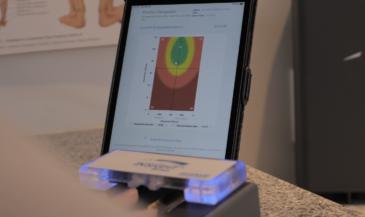
This isn’t about abandoning structure. It’s about understanding that structure serves function and that optimizing how the body works is more valuable than chasing perfect alignment.

Why Vertebral Subluxations Are Functional Adaptations

Vertebral subluxations aren’t random. They’re the body’s response to forces like gravity, electromagnetic exposure, and daily stressors.

When the body experiences these stresses, it alters its structure—like misaligning the spine—to protect vital functions. Subluxations are a sign that the body is preserving nervous system function even when it sacrifices structural integrity.

By shifting our focus, we stop seeing subluxations as the enemy. Instead, they become clues. They show us where the body is adapting to challenges, giving us the opportunity to support those adaptations while reducing stress on the nervous system.

By focusing on the function of the nervous system, we can see how these adaptations impact overall health. Chiropractic care becomes less about “fixing” the spine and more about supporting the body’s ability to manage stress and maintain balance.

The Role of Scanning Technology in Assessing Function Over Structure

This is where scanning technology like INSiGHT scans plays a pivotal role. Instead of relying solely on X-rays to show structural changes, scans measure the nervous system’s functional performance.

Tools like EMG scans, thermal imaging, and HRV assessments allow chiropractors to:

  • Identify areas of stress or interference in the nervous system.
  • See how the body is adapting to structural or environmental challenges.
  • Track progress over time, showing patients how their nervous system function improves with care.
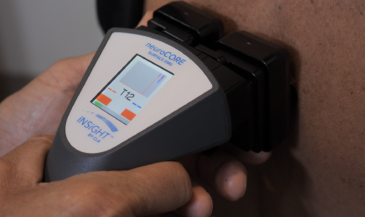
These scans take the guesswork out of assessing nervous system health. They give you hard data to guide adjustments and prove that your care is making a difference.

Why Function Matters More Than Structural Perfection

Chasing an “ideal” spinal alignment can lead to frustration—for both chiropractors and patients. The body isn’t static. It’s constantly adapting to new challenges, which means perfect alignment isn’t always realistic.

What matters more is how the body works. Can the patient move freely? Are their nerves communicating effectively? Is their autonomic nervous system balanced?

When we focus on function over structure, we prioritize what truly improves a patient’s life. They might still have a slight misalignment on their X-ray, but if their nervous system is thriving, they’re on the right track.

How Insight Scans Uncover Functional Imbalances

INSiGHT scanning technology is a game changer for chiropractors looking to embrace the function-first paradigm. These scans reveal where the body’s nervous system is struggling, even if the patient feels fine.

For example:

  • EMG scans detect patterns of tension in the muscles, showing areas where nerves aren’t communicating effectively.
  • Thermal scans measure inflammation and blood flow, revealing stress on the autonomic nervous system.
  • HRV scans provide a window into how the body balances stress and recovery.

These tools don’t just tell you where to adjust. They show you how those adjustments impact the nervous system and overall health.

How Chiropractors Can Rethink Their Approach to Subluxations

If subluxations are functional adaptations, what does that mean for chiropractic care?

It means adjustments aren’t just about “fixing” the spine. They’re about helping the nervous system work better so the body doesn’t need to rely on structural compensations.

This approach shifts the narrative. Subluxations aren’t the problem—they’re the body’s solution to stress. By improving nervous system function, chiropractors help patients adapt more efficiently and reduce the need for compensatory changes.

The Benefits of Prioritizing Functional Outcomes for Patients

Patients care about how they feel, move, and operate—not how their spine looks on an X-ray. When chiropractors prioritize functional outcomes, they align their care with what patients value most.

Benefits include:

  • Faster symptom relief as the nervous system becomes more efficient.
  • Improved overall health and resilience.
  • A deeper understanding of how chiropractic care impacts the whole body.

This approach also helps chiropractors stand out. Patients want results, and focusing on function delivers those results in a way they can see and feel.

Why Nervous System Scanning Is the Key to Holistic Care

Holistic care means looking at the body as a whole—not just its parts. Nervous system scanning supports this by providing insights into how the brain and spinal cord are working together to maintain balance.

With these tools, chiropractors can:

  • Address underlying issues that might not show up on X-rays.
  • Offer personalized care that targets the patient’s unique challenges.
  • Prove the effectiveness of their care with measurable results.

This isn’t just good for patients. It’s good for your practice, too.

How to Start Shifting Toward Function-First Chiropractic

If you’re ready to embrace the function-first paradigm, here’s how to get started:

  1. Incorporate nervous system scans into your practice. Tools like INSiGHT scanning technology make it easy to measure function.
  2. Educate your patients about why nervous system function matters. Show them how structure serves function, not the other way around.
  3. Track and celebrate progress. Use scan results to highlight how your care is improving their nervous system and overall health.

This isn’t about abandoning traditional chiropractic methods. It’s about expanding your approach to provide better, more comprehensive care.
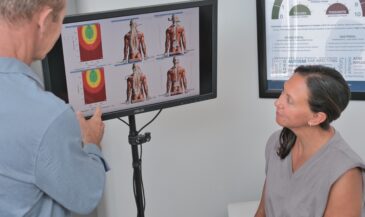
Key Takeaways

  • Vertebral subluxations are functional adaptations, not just structural misalignments.
  • The nervous system guides the body’s response to stress, and improving its function leads to better health.
  • Scanning technology, like INSiGHT scans, reveals the body’s functional challenges and tracks progress over time.

  • Prioritizing function over structure aligns chiropractic care with what patients value most: how they feel, move, and operate.

  • Shifting to a function-first approach doesn’t replace traditional care—it enhances it, providing a deeper understanding of the body’s needs.

By focusing on function, chiropractors can elevate their care, build stronger patient relationships, and achieve better outcomes.

Discover the Future of Chiropractic Care

Are you ready to revolutionize your practice and provide unparalleled patient care? Integrate INSiGHT scanning technology and experience the difference it makes.

Book a call with an INSiGHT Advisor today to learn how you can bring this transformative technology into your chiropractic clinic so you can lead your patients on a journey toward optimal health and wellness.

Get Started with INSiGHT Scanning

Take our Free Practice Strategy Assessment. A Personalized Guide and Expert Strategy Call to Help Determine How Scanning will Help you Grow
ABOUT THE AUTHOR

Dr. David Fletcher is actively involved in all aspects of innovation teaching and research connected to the INSiGHT™ scanning technologies. He is widely recognized for his ability to share his expertise in compelling and easy to understand ways.

Dr David is a renowned chiropractor who practiced for many years with his associates in a scan-centric thriving principled family-based practice in Toronto. He is a sought-after teacher mentor and keynote speaker who takes every opportunity to share the wisdom and the power of chiropractic as it is meant to be.

https://insightcla.com/wp-content/uploads/2022/07/david-1.png
Dr. David Fletcher
DC FRCCSS(C) – Founder & CEO CLA Inc.
LIKE THIS ARTICLE? HELP US SPREAD THE WORD

Be Seen. Be Heard. Be Certain

In today’s saturated healthcare market, chiropractors face an ongoing challenge: being visible. Discover key marketing tactics to ensure you can BE SEEN, BE HEARD, and BE CERTAIN in your practice!

Read these Next…

Get Informed

Join 23,121 other Chiropractors and receive topics covering day to day challenges of running your practice.
+