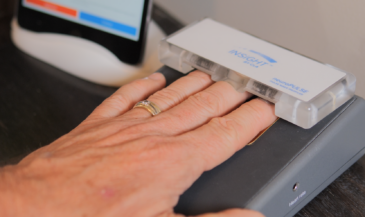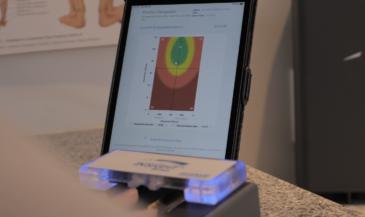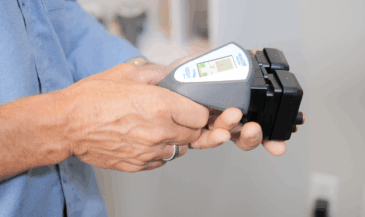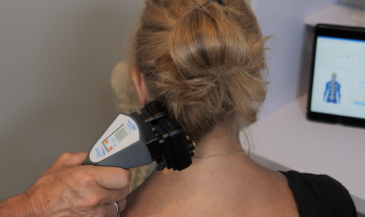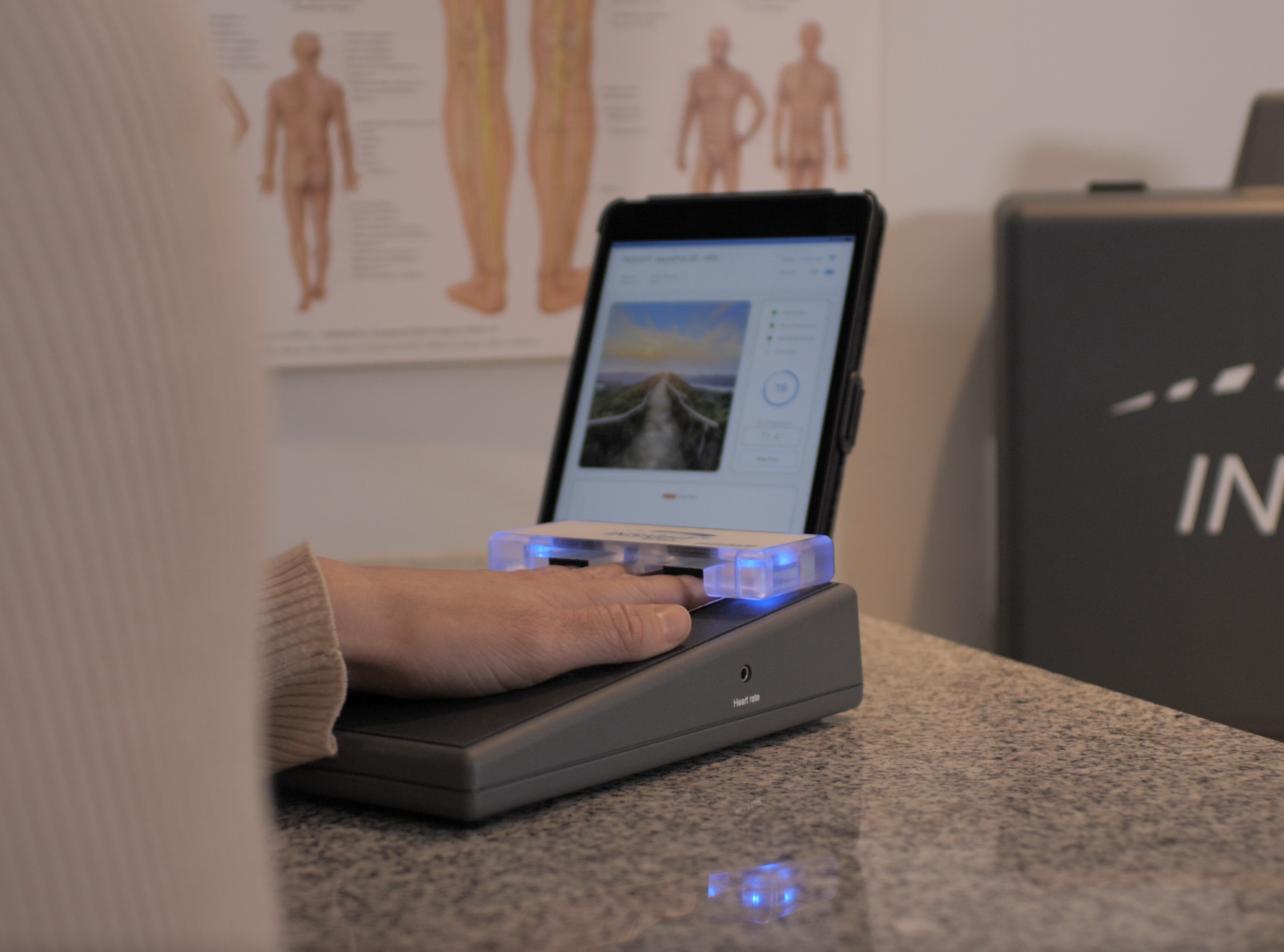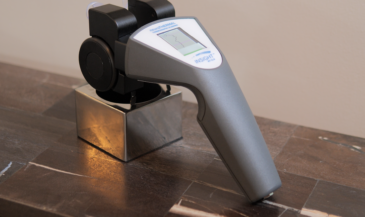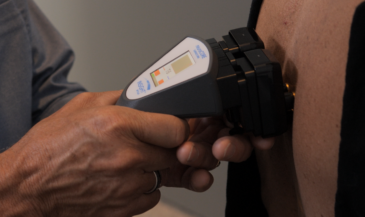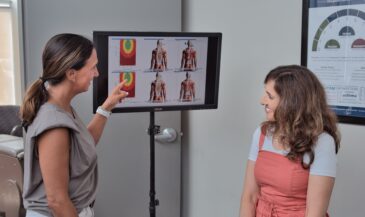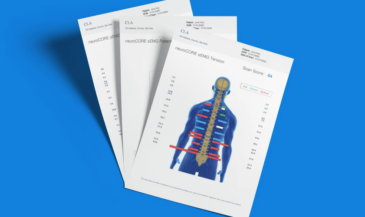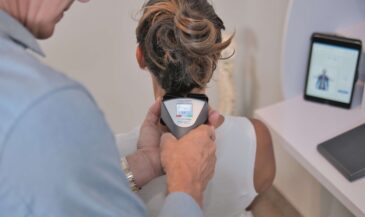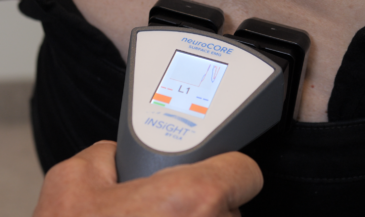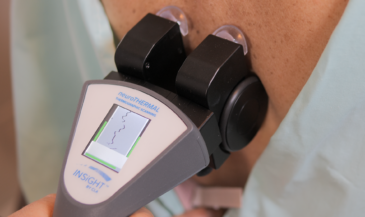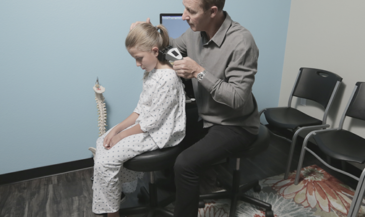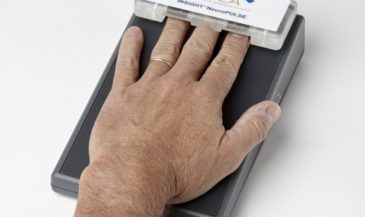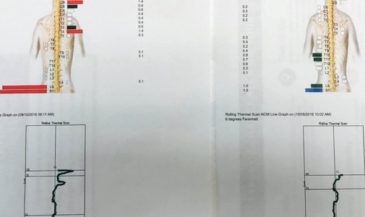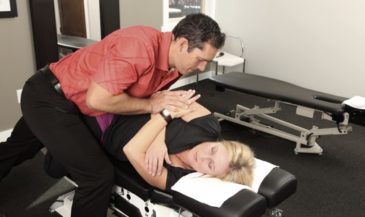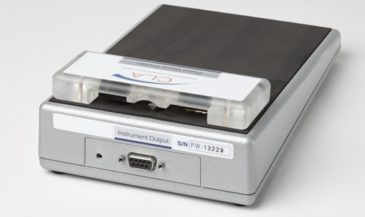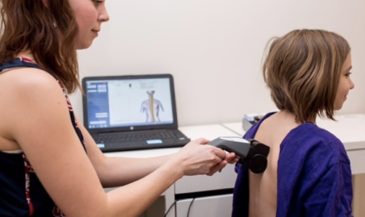
Let’s talk about something crucial for chiropractors that can help transform your practice: paraspinal thermography. Now, you might already know that chiropractic care is all about the spine and nervous system, but how do you assess the health of the nervous system? That’s where paraspinal thermography steps in.

This powerful technology helps chiropractors detect nerve interference, identify inflammation, and see imbalances along the spine in a way that’s easy for patients to understand. Think of it as a way to visualize what’s going on beneath the surface. Let’s break down why paraspinal thermography is an essential tool in modern chiropractic care.

What is Paraspinal Thermography?

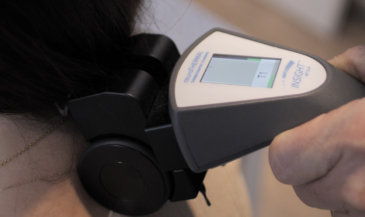
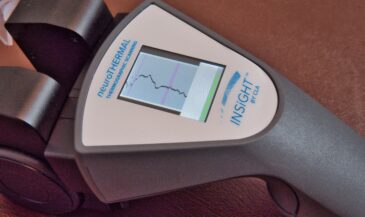
Paraspinal thermography is a diagnostic tool that uses infrared technology to measure temperature variations along the spine. These temperature differences can indicate areas of nerve stress or dysfunction.

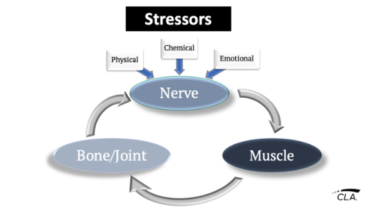
When a nerve is irritated or inflamed, the body’s natural response is to increase temperature in that area. Thermal scanning can detect these temperature changes, giving chiropractors insight into the health of a patient’s nervous system.

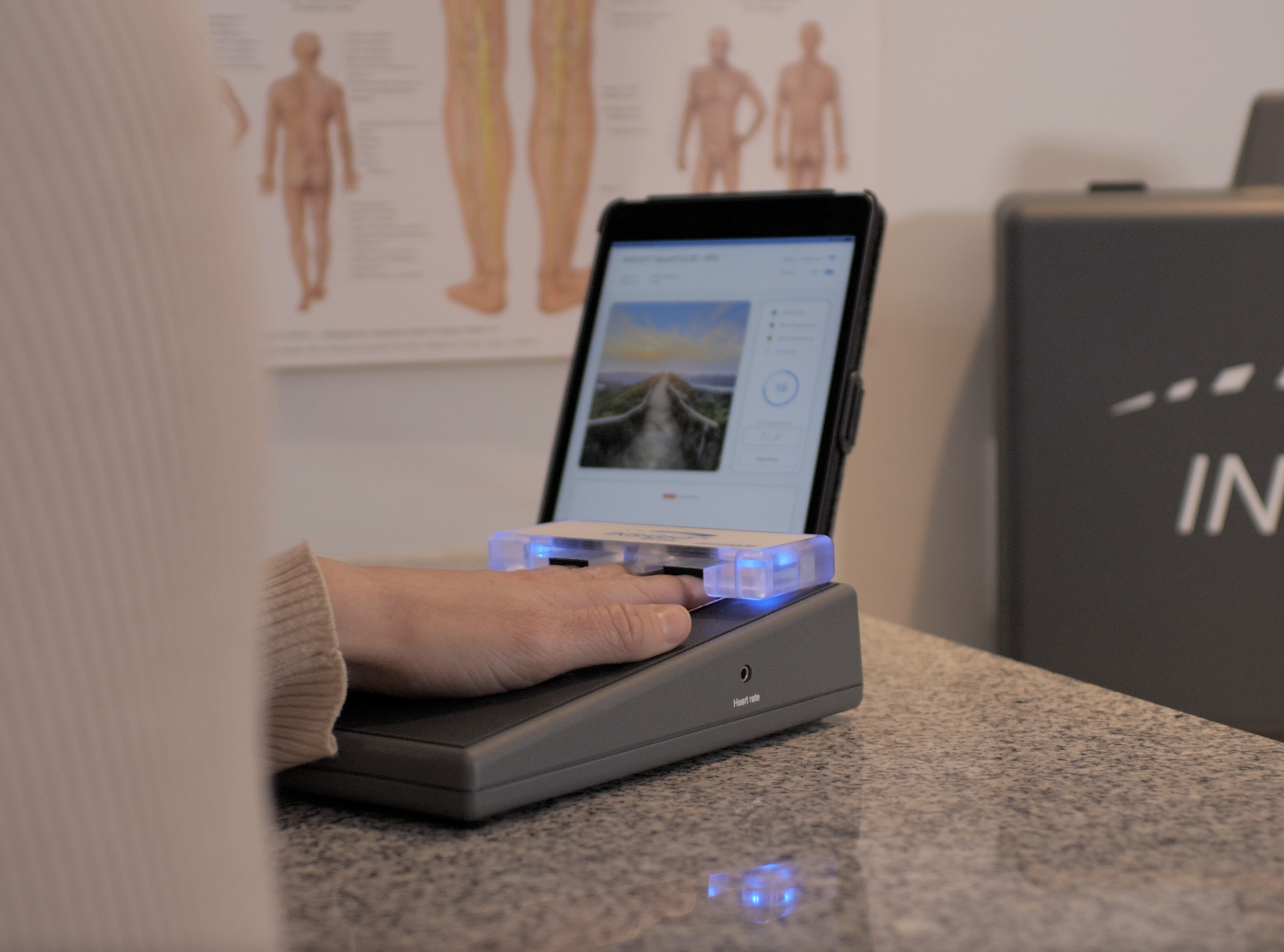
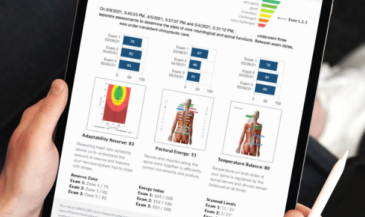
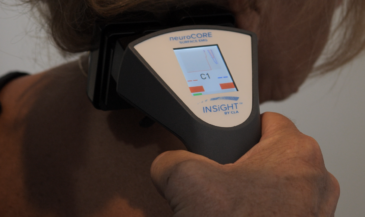
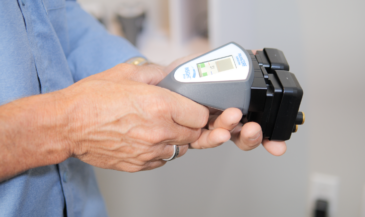
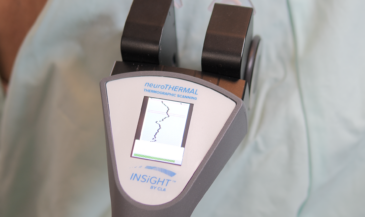
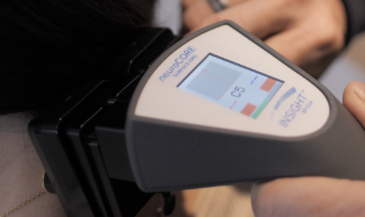
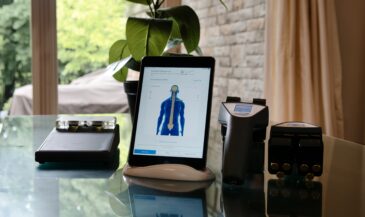
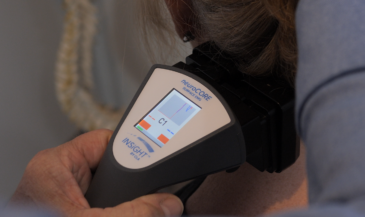
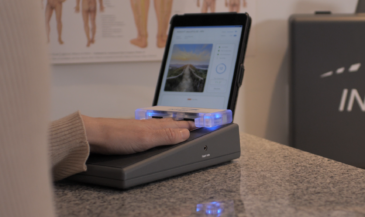
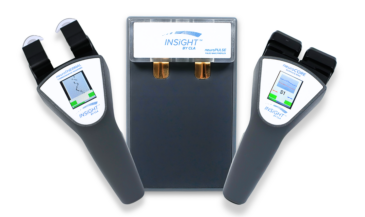
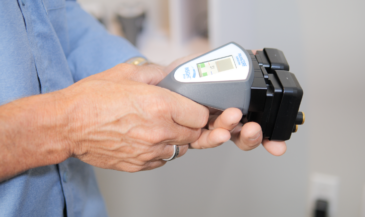
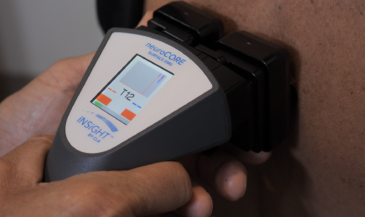
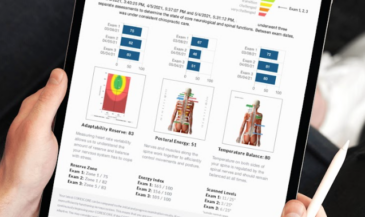
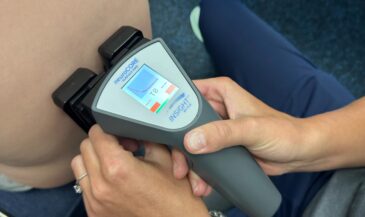
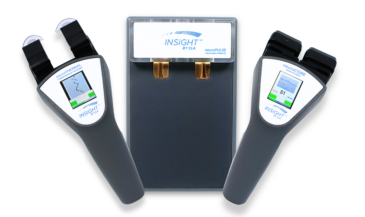
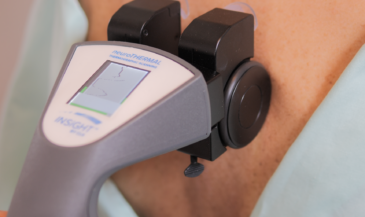
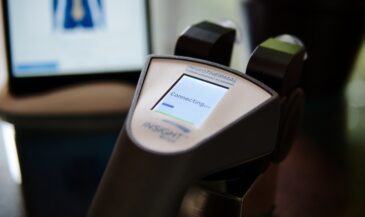
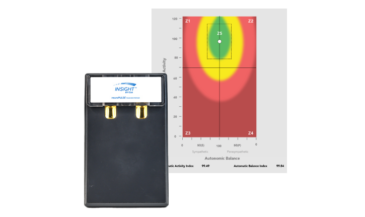
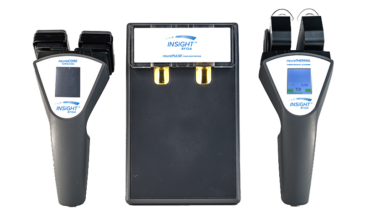
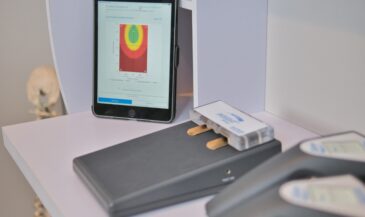
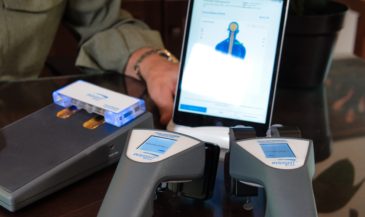
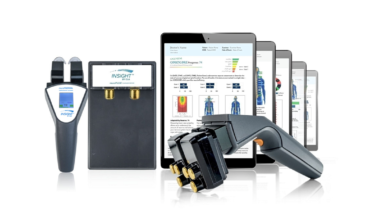
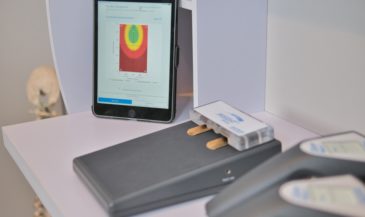
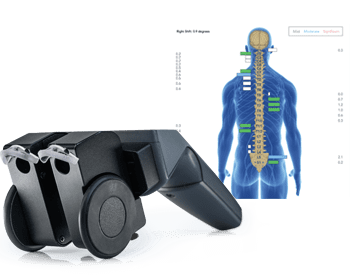
The INSiGHT neuroTECH suite includes neuroTHERMAL, a tool specifically designed to perform this type of scan. This scan provides clear, real-time images that help chiropractors assess the nervous system’s function and pinpoint areas that need attention.
Why is Paraspinal Thermography Important for Chiropractic Care?

So, why does paraspinal thermography matter? Here’s the thing: temperature changes along the spine are often the first indicator of nerve interference or stress. By identifying these imbalances early, chiropractors can address issues before they escalate into bigger health problems.

Here’s why paraspinal thermography is so valuable:

  • It reveals hidden nerve interference: Temperature differences show where nerves are under stress, even before symptoms appear.
  • It helps diagnose spinal dysfunction: Temperature imbalances can reveal issues like subluxations or inflammation that might not be visible with traditional methods.
  • It allows for real-time monitoring: With thermal scans, chiropractors can track changes in nerve function and see how adjustments are improving the patient’s overall health.

This technology gives chiropractors the ability to see and measure the function of the nervous system in a way that goes beyond what the patient feels.

How Paraspinal Thermography Works

The process of paraspinal thermography is quick, non-invasive, and easy for patients to understand. Here’s how it works:

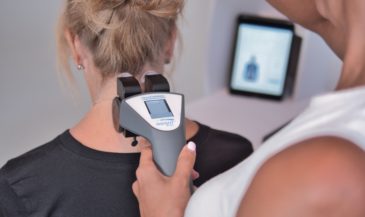
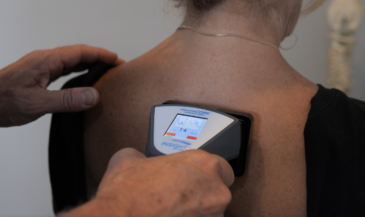
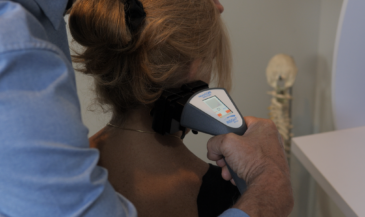
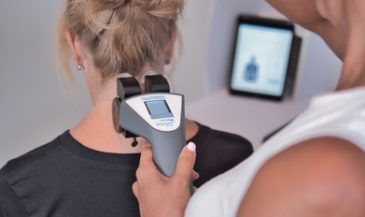
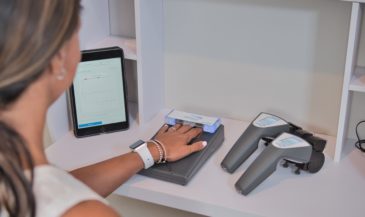
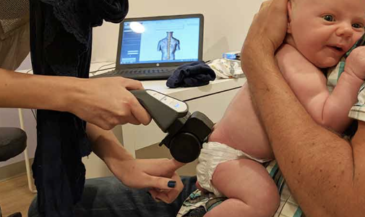
  1. The chiropractor places a thermal camera along the patient’s spine.
  2. The neuroTHERMAL scan measures temperature changes along both sides of the spine.
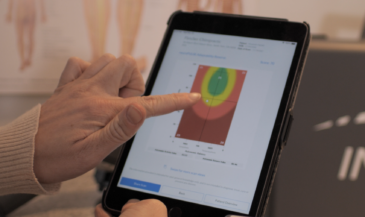
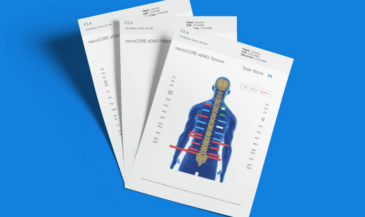
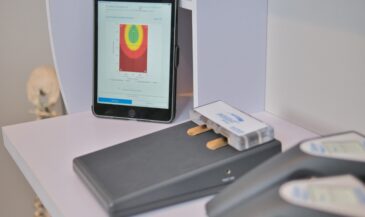
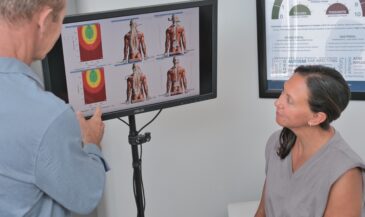
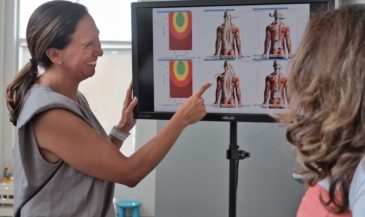
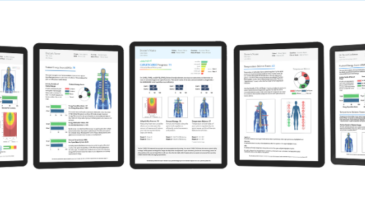
  3. The results are displayed as images that show areas of increased temperature, indicating nerve interference or inflammation.

The beauty of paraspinal thermography is that it provides objective data that helps chiropractors make better-informed decisions about care plans. It’s more than just a guess—it’s based on real-time, measurable results.

The Benefits of Paraspinal Thermography in Chiropractic Care

Paraspinal thermography offers several key benefits for both chiropractors and patients:

  • Clear diagnosis: By identifying nerve stress, chiropractors can make more accurate diagnoses and create targeted care plans.
  • Improved care planning: Thermal scans reveal areas that need immediate attention, allowing chiropractors to adjust care based on real-time data.
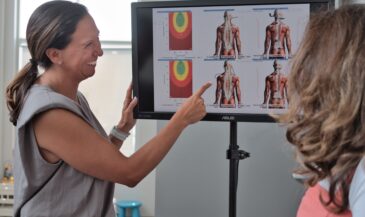
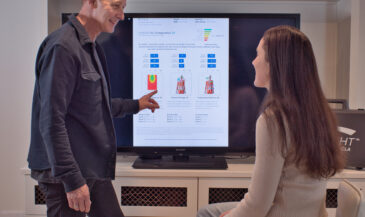
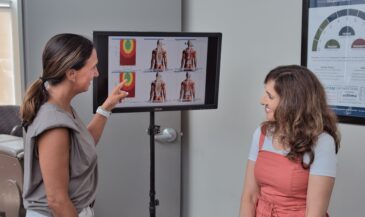
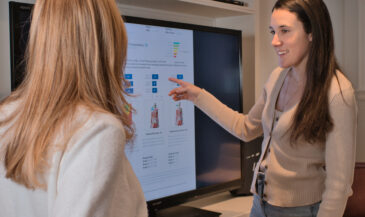
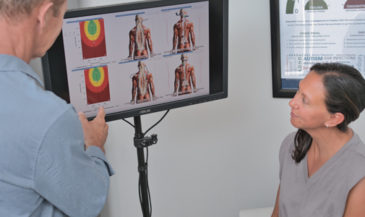
  • Patient education: Patients can easily see the results of their thermal scans, helping them understand why chiropractic care is essential and how it’s improving their nervous system health.
  • Tracking progress: Regular scans show patients how their nervous system is improving, making it easier to demonstrate the long-term value of chiropractic care.

How Paraspinal Thermography Improves Patient Retention

One of the biggest challenges in chiropractic care is keeping patients engaged in the long term. When you incorporate paraspinal thermography into your practice, it becomes easier to show patients that chiropractic care isn’t just about short-term relief—it’s about optimizing their overall health.

Here’s how thermal scanning helps with retention:

  • Visual Progress: When patients can see their temperature imbalances improving, they’re more likely to stay committed to their care plans.
  • Trust: The more patients understand what’s happening inside their bodies, the more likely they are to trust the process.
  • Motivation: Seeing tangible, objective improvements encourages patients to continue their care and stay engaged in their health journey.

The more patients understand and see the impact of chiropractic care, the more likely they are to continue returning and refer others to your practice.

How to Use Paraspinal Thermography in Your Practice

If you’re ready to incorporate paraspinal thermography into your practice, here’s how you can get started:

  1. Invest in quality equipment: Get a reliable thermal scanning device like the neuroTHERMAL from the INSiGHT neuroTECH suite.
  2. Integrate thermal scans into routine exams: Use them during initial visits and follow-up progress checks to track nervous system health.
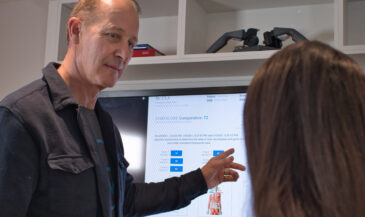
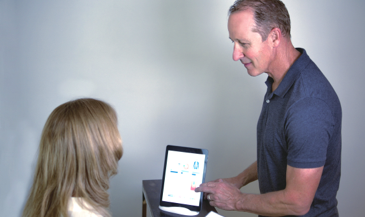
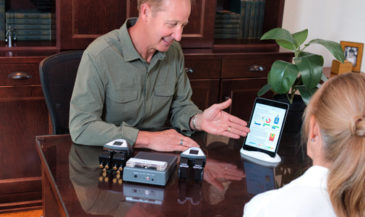
  3. Explain the scans to patients: Show patients what the scans reveal and explain how chiropractic care helps restore balance and reduce nerve stress.

By integrating paraspinal thermography, you’re not only offering cutting-edge care but also setting your practice apart from others in the community.

FAQs About Paraspinal Thermography

What does paraspinal thermography measure?
Paraspinal thermography measures temperature variations along the spine, which can indicate areas of nerve stress, inflammation, or dysfunction in the nervous system.

How does paraspinal thermography help with diagnosis?
Thermal scanning helps chiropractors identify areas of nerve interference that may not be visible through other methods like X-rays. It provides insight into how well the nervous system is functioning and where adjustments are needed.

Is paraspinal thermography safe for all patients?
Yes, paraspinal thermography is a safe, non-invasive diagnostic tool that can be used with patients of all ages. There’s no radiation involved, and the process is quick and comfortable.

How often should paraspinal thermography be used in chiropractic care?
Thermal scans are most effective when used regularly, such as during initial exams, progress visits, and periodic checkups. This helps chiropractors track improvements and make necessary adjustments to care plans.

Can paraspinal thermography be used with children?
Absolutely. Thermal scans are ideal for pediatric care because they provide a safe, non-invasive way to assess the nervous system without discomfort.

The Importance of Paraspinal Thermography

Paraspinal thermography is more than just a diagnostic tool—it’s a key to better understanding the nervous system and improving patient care. By integrating thermal scans into your practice, you’ll not only be able to track nerve interference but also offer your patients real-time, visual progress reports that make their care more engaging.

When you can see the impact of chiropractic care on the nervous system, it becomes easier to explain the benefits to patients and keep them committed to their long-term health. Paraspinal thermography is the future of chiropractic—don’t get left behind.

Book a call with an INSiGHT Advisor today to learn how you can bring this transformative technology into your chiropractic practice so you can lead your patients on a journey toward optimal health and wellness.


Get Started with INSiGHT Scanning

Take our Free Practice Strategy Assessment. A Personalized Guide and Expert Strategy Call to Help Determine How Scanning will Help you Grow
ABOUT THE AUTHOR

Dr. David Fletcher is actively involved in all aspects of innovation teaching and research connected to the INSiGHT™ scanning technologies. He is widely recognized for his ability to share his expertise in compelling and easy to understand ways.

Dr David is a renowned chiropractor who practiced for many years with his associates in a scan-centric thriving principled family-based practice in Toronto. He is a sought-after teacher mentor and keynote speaker who takes every opportunity to share the wisdom and the power of chiropractic as it is meant to be.

https://insightcla.com/wp-content/uploads/2022/07/david-1.png
Dr. David Fletcher
DC FRCCSS(C) – Founder & CEO CLA Inc.
LIKE THIS ARTICLE? HELP US SPREAD THE WORD

Be Seen. Be Heard. Be Certain

In today’s saturated healthcare market, chiropractors face an ongoing challenge: being visible. Discover key marketing tactics to ensure you can BE SEEN, BE HEARD, and BE CERTAIN in your practice!

Read these Next…

Get Informed

Join 23,121 other Chiropractors and receive topics covering day to day challenges of running your practice.

Let’s talk about growth. Not just in terms of patient numbers, but in the impact you’re having on your patients’ lives. As a chiropractor, the goal isn’t just to provide care—it’s to show patients the true value of chiropractic adjustments. That’s where chiropractic thermal scanning comes in.

Thermal scanning goes beyond the surface. It lets you see how stress is affecting the nervous system, and most importantly, it gives you the data to prove it. When you integrate chiropractic thermal scans into your practice, you can offer more than just relief—you offer measurable improvements that help grow your practice, build trust, and keep patients coming back for more.

Let’s explore how thermal scanning can take your chiropractic practice to the next level.

What is Chiropractic Thermal Scanning?

Chiropractic thermal scanning is a technique used to detect temperature changes along the spine. These temperature imbalances can indicate areas of nerve interference, inflammation, or stress within the body. The neuroTHERMAL scan, a critical tool in the INSiGHT neuroTECH suite, uses infrared technology to measure these variations.

It’s simple: temperature changes along the spine show how the nervous system is functioning. Stress and nerve interference lead to temperature differences, which can be spotted using thermal scanning.

Here’s what makes it powerful for chiropractors:

  • Real-time data to assess the nervous system’s function
  • Objective, visible results for patients to see
  • Clear, actionable insights that guide care decisions

Instead of just relying on the patient’s subjective feelings of discomfort or pain, you can see the real, measurable effects of their nervous system’s health.

How Thermal Scanning Helps Grow Your Practice

Chiropractic thermal scanning is a growth tool. Here’s why it’s a game-changer for your practice:

  • Patient Education: Patients love seeing the technology in action. It helps them understand the value of chiropractic care and the role their nervous system plays in overall health.
  • Increased Trust: When patients see clear data showing how their health is improving, it builds trust. They can see the difference chiropractic is making, not just feel it.
  • Retention: By providing objective data, patients can track their progress over time, helping them stay committed to their care plans and improving long-term retention.
  • New Patient Attraction: As more people understand the power of chiropractic thermal scanning, they’ll be drawn to your practice, knowing you offer the latest in cutting-edge care.

Incorporating thermal scanning helps position your practice as forward-thinking and committed to using the best technology for patient care.

The Link Between Thermal Scanning and Chiropractic Success

Thermal scanning gives you the ability to pinpoint areas of stress or interference in the nervous system that could be causing pain, discomfort, or dysfunction. By addressing these areas with targeted adjustments, you can deliver more precise care.

Here’s the kicker: thermal scanning doesn’t just show where the problems are—it also helps track progress. Patients can visually see their improvements over time. This is vital for retention. When people see their progress, they are more likely to continue care. They start to trust the process and the technology, which ultimately leads to greater success for your practice.

What Makes Thermal Scanning Stand Out?

Chiropractic thermal scans stand out because they are:

  • Non-invasive and safe: No radiation, no discomfort, just clear, accurate data.
  • Fast and efficient: You can get results in minutes.
  • Comprehensive: You get a holistic view of the nervous system’s health, not just isolated areas.

Unlike traditional methods like X-rays, thermal scans provide a real-time snapshot of the body’s response to stress. It’s dynamic—it shows you how the body is functioning now, not just what it looks like on an image.

FAQs About Chiropractic Thermal Scanning

What does a chiropractic thermal scan show?
A thermal scan reveals temperature differences along the spine that indicate nerve interference, inflammation, or dysfunction in the nervous system.

How does thermal scanning help patients understand chiropractic care?
By showing visible, real-time results, patients can clearly see how chiropractic care is affecting their nervous system, making it easier to understand the value of continued care.

How often should chiropractic thermal scanning be used?
Thermal scanning is most effective when used regularly during progress checks or follow-up visits. Tracking changes over time helps both you and your patients see improvements.

Is thermal scanning safe for all patients?
Yes, chiropractic thermal scanning is non-invasive and completely safe for patients of all ages.

How to Leverage Thermal Scanning for Your Practice

Ready to integrate thermal scanning into your practice? Here’s how to get started:

  1. Invest in quality technology: Invest in a top-tier thermal scanning system like the neuroTHERMAL to ensure accurate, reliable results.
  2. Incorporate it into your routine exams: Use it during initial exams and progress visits to track the nervous system’s health.
  3. Educate your patients: Show them what the scans reveal, explaining the benefits of chiropractic care in terms they can understand.

By integrating thermal scanning into your practice, you’re not just improving patient care—you’re also making your practice more efficient, engaging, and future-proof.

Book a call with an INSiGHT Advisor today to learn how you can bring this transformative technology into your chiropractic practice.

Get Started with INSiGHT Scanning

Take our Free Practice Strategy Assessment. A Personalized Guide and Expert Strategy Call to Help Determine How Scanning will Help you Grow
ABOUT THE AUTHOR

Dr. David Fletcher is actively involved in all aspects of innovation teaching and research connected to the INSiGHT™ scanning technologies. He is widely recognized for his ability to share his expertise in compelling and easy to understand ways.

Dr David is a renowned chiropractor who practiced for many years with his associates in a scan-centric thriving principled family-based practice in Toronto. He is a sought-after teacher mentor and keynote speaker who takes every opportunity to share the wisdom and the power of chiropractic as it is meant to be.

https://insightcla.com/wp-content/uploads/2022/07/david-1.png
Dr. David Fletcher
DC FRCCSS(C) – Founder & CEO CLA Inc.
LIKE THIS ARTICLE? HELP US SPREAD THE WORD

Be Seen. Be Heard. Be Certain

In today’s saturated healthcare market, chiropractors face an ongoing challenge: being visible. Discover key marketing tactics to ensure you can BE SEEN, BE HEARD, and BE CERTAIN in your practice!

Read these Next…

Get Informed

Join 23,121 other Chiropractors and receive topics covering day to day challenges of running your practice.

Let’s face it—chiropractic care is evolving. Traditional approaches focused on structure, like spinal misalignments seen on X-rays, have been the backbone of the field for decades. But here’s the thing: modern chiropractic care is moving toward a function-first approach, and the results speak for themselves.

The real question is, how do you bridge the gap between these two paradigms? It’s not about abandoning tradition—it’s about enhancing it with tools and techniques that focus on the nervous system and how the body adapts.

What Is Traditional Chiropractic Care?

Traditional chiropractic care revolves around the idea that structure dictates function. The focus is on detecting and correcting misalignments, or subluxations, to restore proper spinal alignment.

Here’s what traditional care offers:

  • Clear diagnostics: Tools like X-rays provide detailed images of spinal structure.
  • Pain relief: Adjustments often alleviate pain and improve mobility.
  • A proven foundation: This approach has helped millions of patients.

While traditional care is effective, it doesn’t always tell the full story—especially when it comes to nervous system health.

Why Chiropractic Is Shifting to Function-First

The function-first approach looks beyond structure to focus on how the nervous system is performing. After all, the nervous system is what controls and coordinates every function in the body.

Here’s why this shift matters:

  • It addresses the root cause: Function-first care focuses on improving nervous system performance, which often resolves structural issues naturally.
  • It’s data-driven: Tools like HRV scans, sEMG, and thermal imaging provide objective data that complements traditional diagnostics.
  • It’s more holistic: By improving nervous system adaptability, chiropractors can impact everything from stress recovery to organ function.

Function-first care doesn’t replace traditional methods—it enhances them.

The Tools That Bridge the Gap

If you want to combine the best of traditional and function-first chiropractic, you need the right tools. The INSiGHT neuroTECH suite is designed to do exactly that, with scanning technologies that measure nervous system function in real time.

Here’s what each tool brings to the table:

  • neuroPULSE (HRV): Measures heart rate variability to assess how well the nervous system is balancing stress and recovery.
  • neuroCORE (sEMG): Tracks muscle activity and tension along the spine, pinpointing areas of nerve interference.
  • neuroTHERMAL: Maps temperature changes along the spine, revealing stress patterns that impact overall health.

These tools complement traditional diagnostics like X-rays by providing a deeper understanding of how the nervous system is adapting.

How to Transition to a Function-First Approach

Making the shift to function-first care doesn’t mean leaving traditional methods behind—it means expanding your toolbox. Here’s how to integrate this approach into your practice:

  1. Start with objective data: Use tools like HRV and sEMG scans to assess nervous system function alongside structural diagnostics.
  2. Educate patients: Explain how nervous system health impacts overall function, not just pain relief.
  3. Set functional goals: Create care plans that focus on improving nervous system adaptability and performance, not just fixing misalignments.
  4. Track progress: Use follow-up scans to show patients how their nervous system is improving over time.

This approach builds on the strengths of traditional care while delivering even better outcomes.

Why Function-First Care Improves Patient Outcomes

When you focus on nervous system function, you’re addressing the foundation of health.

Here’s what this means for your patients:

  • Better adaptability: A well-functioning nervous system helps patients handle stress, recover faster, and maintain balance.
  • Long-term results: By improving function, you’re preventing future issues, not just treating current symptoms.
  • Whole-body health: Function-first care impacts everything from mobility to immune response, giving patients a more holistic experience.

This shift isn’t just better for patients—it’s better for your practice.

Addressing Skepticism About Function-First Care

Some chiropractors worry that focusing on function might downplay the importance of structure. The reality? These approaches go hand in hand.

Here’s how to address common concerns:

  • “Will this replace traditional methods?”
    No, function-first care complements structural diagnostics like X-rays by adding a deeper layer of understanding.
  • “How do I explain this to patients?”
    Use simple terms like, “We’re looking at how well your nervous system is working, not just how your spine looks.”
  • “Will it complicate my workflow?”
    Not at all. Tools like the neuroPULSE and neuroCORE are designed to integrate seamlessly into your practice.

Function-first care isn’t about replacing tradition—it’s about enhancing it.

FAQs About Function-First Chiropractic

What is function-first chiropractic care?
Function-first care focuses on improving nervous system performance to enhance overall health, rather than solely addressing structural issues.

How does function-first care complement traditional methods?
By adding tools like HRV and sEMG scans, chiropractors can assess both structure and function, providing a more comprehensive approach to care.

Why is nervous system health important?
The nervous system controls and coordinates every function in the body. Improving its performance can lead to better adaptability, recovery, and overall health.

What tools are used in function-first care?
The INSiGHT neuroTECH suite includes the neuroPULSE, neuroCORE, and neuroTHERMAL, which provide objective data on nervous system function.

How do patients respond to function-first care?
Patients love seeing measurable progress in their nervous system health. It builds trust and keeps them engaged in their care plans.

Why Bridging the Gap Matters

Chiropractic care doesn’t have to be an either-or decision between structure and function. By combining traditional diagnostics with a function-first approach, you’re offering patients the best of both worlds.

Tools like the neuroPULSE, neuroCORE, and neuroTHERMAL make it easy to assess nervous system function and track progress, adding value to every care plan.

It’s not about choosing sides—it’s about creating a practice that’s rooted in tradition while embracing innovation. That’s how you build trust, deliver better outcomes, and lead the future of chiropractic care.

Book a call with an INSiGHT Advisor today to learn how you can bring this transformative technology into your chiropractic clinic so you can lead your patients on a journey toward optimal health and wellness.

Get Started with INSiGHT Scanning

Take our Free Practice Strategy Assessment. A Personalized Guide and Expert Strategy Call to Help Determine How Scanning will Help you Grow
ABOUT THE AUTHOR

Dr. David Fletcher is actively involved in all aspects of innovation teaching and research connected to the INSiGHT™ scanning technologies. He is widely recognized for his ability to share his expertise in compelling and easy to understand ways.

Dr David is a renowned chiropractor who practiced for many years with his associates in a scan-centric thriving principled family-based practice in Toronto. He is a sought-after teacher mentor and keynote speaker who takes every opportunity to share the wisdom and the power of chiropractic as it is meant to be.

https://insightcla.com/wp-content/uploads/2022/07/david-1.png
Dr. David Fletcher
DC FRCCSS(C) – Founder & CEO CLA Inc.
LIKE THIS ARTICLE? HELP US SPREAD THE WORD

Be Seen. Be Heard. Be Certain

In today’s saturated healthcare market, chiropractors face an ongoing challenge: being visible. Discover key marketing tactics to ensure you can BE SEEN, BE HEARD, and BE CERTAIN in your practice!

Read these Next…

Get Informed

Join 23,121 other Chiropractors and receive topics covering day to day challenges of running your practice.

Let’s face it, chronic pain is one of the toughest challenges chiropractors deal with. Patients come in frustrated, stuck in cycles of pain that don’t seem to improve. You know the nervous system is at the root of it, but how do you prove it? This is where EMG technology becomes your secret weapon.

Surface EMG (sEMG) scans give you hard data about muscle tension, energy expenditure, and nerve interference. It’s not about guessing where the problem might be—it’s about pinpointing exactly what’s going on and showing patients the proof.

What Is EMG Technology?

EMG (Electromyography) is a technology that measures the electrical activity in muscles. When applied to chiropractic care, surface EMG (sEMG) focuses on postural muscles along the spine.

The neuroCORE, part of the INSiGHT neuroTECH suite, is a leading tool for performing sEMG scans. It gives you a window into how the nervous system is controlling muscle activity and where the system is breaking down.

Why Chronic Pain and EMG Are Connected

Here’s the thing: chronic pain isn’t just about structure. It’s about how the nervous system is communicating with the muscles. When nerves are under stress or interference, muscles work overtime, leading to tension, fatigue, and potentially pain.

Here’s how EMG technology bridges the gap:

  • Detecting muscle tension: sEMG scans show areas where muscles are overactive or imbalanced due to nerve interference.
  • Understanding fatigue patterns: Chronic pain often comes from muscles that are exhausted from compensating for misalignments.
  • Revealing hidden issues: Even if a patient doesn’t feel pain yet, sEMG scans can catch early signs of stress that could develop into chronic pain.

In short, EMG technology helps chiropractors go beyond what they can feel or see and understand the deeper story behind a patient’s pain.

How EMG Scans Work in Practice

Using an sEMG scan is simple, fast, and completely non-invasive. Here’s how it typically works:

  1. Preparation: Small sensors are placed along the patient’s spine to measure muscle activity.
  2. Scanning: The sEMG scan records the electrical signals from the muscles, creating a visual map of activity levels.
  3. Interpretation: The data reveals areas of high tension, fatigue, or imbalance, helping chiropractors identify where the nervous system needs support.

The beauty of sEMG is that it’s objective and easy to explain to patients. They can see the stress patterns for themselves, which builds trust and engagement.

How EMG Technology Enhances Chronic Pain Care

Chronic pain patients are often skeptical. They’ve seen other providers, tried other treatments, and still don’t feel better. EMG technology changes the game by giving them measurable results.

Here’s how it helps:

  • Targeted Adjustments: With sEMG data, chiropractors can focus their care on the specific areas causing pain or dysfunction.
  • Progress Tracking: Regular scans show how the nervous system and muscles are improving over time, which keeps patients motivated to stay on their care plans.
  • Patient Education: Patients can see their stress patterns improve with each visit, making the benefits of chiropractic care crystal clear.

This is how you shift the conversation from “I don’t feel better” to “I can see things getting better.”

EMG Scans vs. Traditional Assessments

You might wonder: what makes EMG scans so different from traditional methods like palpation or visual inspection?

  • Objectivity: sEMG scans provide hard data, while traditional assessments can be subjective.
  • Precision: EMG technology pinpoints exact areas of muscle tension and nerve interference, which isn’t always obvious through manual exams.
  • Reproducibility: The data is consistent and can be compared over time, making it easy to track progress and fine-tune care plans.

In a world where patients expect more from their healthcare providers, EMG scans give chiropractors the edge they need to stand out.

Integrating EMG Technology Into Your Practice

Adding EMG technology to your practice doesn’t have to be complicated. Here’s how you can start:

  1. Invest in the neuroCORE system: This cutting-edge sEMG device is designed specifically for chiropractors, making scans quick and easy.
  2. Use sEMG in every initial exam: Establish a baseline for every patient’s muscle activity and nervous system health.
  3. Explain the data to patients: Use the visual results from the scan to educate patients about their chronic pain and how chiropractic care can help.
  4. Incorporate scans into progress exams: Show patients how their muscle tension and nerve interference are improving, keeping them engaged in their care plans.

By integrating EMG technology, you’re not just treating chronic pain—you’re proving your care is working.

FAQs About EMG Technology in Chiropractic

What does an sEMG scan measure?
An sEMG scan measures the electrical activity in the postural muscles along the spine, revealing areas of tension, fatigue, and nerve interference.

How does EMG technology help with chronic pain?
EMG technology identifies the muscle tension and stress patterns caused by nerve interference, allowing chiropractors to target their care more effectively.

Is an sEMG scan safe?
Yes, sEMG scans are completely safe and non-invasive, making them ideal for patients of all ages.

How often should sEMG scans be performed?
sEMG scans are typically done during initial exams and progress checks to monitor improvements in nervous system and muscle function over time.

Can EMG scans show progress?
Absolutely. EMG scans provide objective data that shows how muscle tension and nerve interference improve with chiropractic care.

Why EMG Technology Is a Must for Chronic Pain Care

Chronic pain patients need more than adjustments—they need answers. EMG technology provides those answers by giving chiropractors the data they need to create targeted, effective care plans.

With tools like the neuroCORE, you can go beyond symptom management and address the root causes of pain. Patients get better outcomes, you get stronger retention, and your practice becomes a go-to destination for anyone struggling with chronic pain.

It’s time to stop guessing and start showing. EMG technology is how you take your care—and your patients—to the next level.

Book a call with an INSiGHT Advisor today to learn how you can bring this transformative technology into your chiropractic clinic so you can lead your patients on a journey toward optimal health and wellness.

Get Started with INSiGHT Scanning

Take our Free Practice Strategy Assessment. A Personalized Guide and Expert Strategy Call to Help Determine How Scanning will Help you Grow
ABOUT THE AUTHOR

Dr. David Fletcher is actively involved in all aspects of innovation teaching and research connected to the INSiGHT™ scanning technologies. He is widely recognized for his ability to share his expertise in compelling and easy to understand ways.

Dr David is a renowned chiropractor who practiced for many years with his associates in a scan-centric thriving principled family-based practice in Toronto. He is a sought-after teacher mentor and keynote speaker who takes every opportunity to share the wisdom and the power of chiropractic as it is meant to be.

https://insightcla.com/wp-content/uploads/2022/07/david-1.png
Dr. David Fletcher
DC FRCCSS(C) – Founder & CEO CLA Inc.
LIKE THIS ARTICLE? HELP US SPREAD THE WORD

Be Seen. Be Heard. Be Certain

In today’s saturated healthcare market, chiropractors face an ongoing challenge: being visible. Discover key marketing tactics to ensure you can BE SEEN, BE HEARD, and BE CERTAIN in your practice!

Read these Next…

Get Informed

Join 23,121 other Chiropractors and receive topics covering day to day challenges of running your practice.

Let’s talk about kids. Their nervous systems are still developing, adapting to an ever-changing world. As chiropractors, we know how vital it is to ensure that their nervous systems are functioning at their best. But how do you show parents what’s happening beneath the surface? That’s where advanced scanning tools step in.

With technologies like the neuroTHERMAL, neuroCORE, and neuroPULSE, chiropractors can move beyond guesswork and provide clear, objective data about a child’s nervous system. This is not just about care—it’s about transforming how parents understand and trust chiropractic care for their kids.

Why Pediatric Chiropractic Care Needs Advanced Scanning Tools

Children’s bodies are constantly adapting. From the stress of birth to learning how to walk, their nervous systems work overtime to keep them growing and thriving. But these changes can sometimes create stress patterns that aren’t immediately visible.

Here’s why scanning tools are essential for pediatric care:

  • Detecting Early Stress: Subtle nerve interference can impact a child’s health long before physical symptoms appear. Scanning tools make these hidden issues visible.
  • Non-Invasive and Safe: Kids don’t like pokes or prods. Technologies like the neuroTHERMAL provide safe, non-invasive ways to assess their nervous system.
  • Objective Data for Parents: Parents are more likely to commit to care when they can see measurable progress. Scans provide the visuals they need to understand what’s happening.

Advanced scanning tools give chiropractors a way to connect with parents while providing better, data-driven care for kids.

The Key Tools for Pediatric Nervous System Scanning

If you want to transform your approach to pediatric care, these are the tools you need:

  • neuroTHERMAL: This scan measures temperature changes along the spine, revealing nerve interference and stress that could impact organ function and development.
  • neuroCORE: Surface EMG scans show how a child’s muscles are compensating for spinal misalignments, providing insights into postural health and energy expenditure.
  • neuroPULSE: HRV scans measure how well the child’s nervous system is adapting to stress. For kids dealing with anxiety, sensory issues, or developmental delays, this data is invaluable.

These tools aren’t just diagnostic—they’re transformational for understanding and tracking a child’s health over time.

How Scanning Tools Build Trust with Parents

When it comes to pediatric care, trust is everything. Parents need to know their kids are in good hands. Scanning tools give chiropractors a way to back up their care plans with data.

Here’s how they help:

  • Transparency: Scans make the invisible visible, showing parents exactly where their child’s nervous system needs help.
  • Progress Tracking: Parents can see how their child’s scans improve over time, reinforcing the value of continued care.
  • Personalized Care: With precise data, chiropractors can tailor their adjustments to meet the unique needs of each child.

When parents see the connection between the scans and their child’s health, they’re more likely to commit to ongoing care.

Why Scanning Matters for Common Pediatric Concerns

Many kids come into chiropractic offices for issues like colic, ear infections, poor sleep, or behavioral challenges. These concerns often stem from nervous system stress.

Here’s how scanning tools address these issues:

  • Colic and Digestion: Temperature imbalances along the spine can indicate nerve interference affecting the gut. Thermal scans help pinpoint these areas.
  • Ear Infections: Stress in the cervical spine can impact nerve pathways linked to the ears. Scans show where adjustments can help.
  • Sleep Issues: HRV scans reveal whether the child’s nervous system is stuck in fight-or-flight mode, which can disrupt rest and recovery.

By using scans to uncover these stress patterns, chiropractors can target care more effectively and help kids feel and function better.

How to Integrate Scanning Tools into Your Pediatric Practice

Ready to bring scanning tools into your pediatric care? Here’s how to start:

  1. Incorporate scans into initial exams: Use tools like the neuroTHERMAL and neuroPULSE during first visits to establish a baseline for nervous system health.
  2. Explain the scans to parents: Walk parents through the results and connect them to their child’s symptoms or health goals.
  3. Use scans for progress checks: Show parents how their child’s nervous system is adapting and improving over time.
  4. Promote scanning technology: Highlight your use of advanced tools in your marketing materials to attract more families to your practice.

When parents see the value of scanning technology, they’re more likely to trust your care and recommend your practice to others.

FAQs About Pediatric Chiropractic Scanning

What are the benefits of scanning tools for kids?
Scanning tools provide a non-invasive way to assess a child’s nervous system, helping chiropractors detect stress patterns early and track progress over time.

Are these scans safe for children?
Yes, scanning tools like the neuroTHERMAL and neuroPULSE are completely safe and designed for patients of all ages, including newborns.

How often should kids have their scans done?
It depends on the child’s condition and care plan, but scans are often used during initial visits, progress checks, and periodic wellness exams.

Can scanning tools help with developmental delays?
Yes, by identifying areas of nerve interference or stress, scanning tools can help chiropractors support better nervous system function, which may aid in developmental progress.

Do parents understand the scan results?
Absolutely. The scans provide clear visuals that make it easy for parents to see what’s happening in their child’s nervous system and how chiropractic care is helping.

Why Advanced Scanning Tools Are the Future of Pediatric Care

Pediatric chiropractic care is about more than just adjustments—it’s about understanding how the nervous system is functioning and helping kids reach their full potential. Advanced scanning tools make this possible by providing the data you need to make informed care decisions and build trust with parents.

With technologies like the neuroTHERMAL, neuroCORE, and neuroPULSE, you can show parents the impact of their child’s nervous system health and track their progress over time. This not only improves care outcomes but also strengthens your reputation as a chiropractor who goes above and beyond for families.

It’s time to revolutionize your approach to pediatric care. Book a call with an INSiGHT Advisor today to learn how you can bring this transformative technology into your family practice.

Get Started with INSiGHT Scanning

Take our Free Practice Strategy Assessment. A Personalized Guide and Expert Strategy Call to Help Determine How Scanning will Help you Grow
ABOUT THE AUTHOR

Dr. David Fletcher is actively involved in all aspects of innovation teaching and research connected to the INSiGHT™ scanning technologies. He is widely recognized for his ability to share his expertise in compelling and easy to understand ways.

Dr David is a renowned chiropractor who practiced for many years with his associates in a scan-centric thriving principled family-based practice in Toronto. He is a sought-after teacher mentor and keynote speaker who takes every opportunity to share the wisdom and the power of chiropractic as it is meant to be.

https://insightcla.com/wp-content/uploads/2022/07/david-1.png
Dr. David Fletcher
DC FRCCSS(C) – Founder & CEO CLA Inc.
LIKE THIS ARTICLE? HELP US SPREAD THE WORD

Be Seen. Be Heard. Be Certain

In today’s saturated healthcare market, chiropractors face an ongoing challenge: being visible. Discover key marketing tactics to ensure you can BE SEEN, BE HEARD, and BE CERTAIN in your practice!

Read these Next…

Get Informed

Join 23,121 other Chiropractors and receive topics covering day to day challenges of running your practice.

Chiropractic care should be simple to explain, and the results should speak for themselves. But let’s be honest—even the simplest concepts need strong communication to truly connect with patients. That’s why understanding and implementing these five key strategies is a game-changer.

These strategies aren’t just about adjusting spines—they’re about building trust, creating community, and showing patients that chiropractic care is a path to lifelong health. When done right, referrals of children and entire families will naturally flow to your practice.

Let’s break down how you can make it happen.

Strategy 1: Make the Invisible Visible

The biggest hurdle in chiropractic care? Patients can’t see what’s going on inside their spine and nervous system. They feel pain or discomfort, but they can’t visualize the nerve interference that’s causing it. That’s because it’s invisible. And if you can’t show it, it’s harder to make patients understand why ongoing care and regular exams are essential.

This is where INSiGHT scanning technology changes the game.

How INSiGHT Scans Work

INSiGHT scans turn subjective symptoms into objective data by showing how the nervous system is functioning in real time. With tools like:

  • neuroPULSE (HRV): Measures adaptability and resilience by assessing how well the body handles stress.
  • neuroCORE (sEMG): Highlights areas of muscular exhaustion caused by spinal misalignments and postural changes.
  • neuroTHERMAL: Tracks temperature changes along the spine to detect nerve tension affecting organs and gland regulation.

By visualizing these hidden stressors, you’re not just telling patients what’s wrong—you’re showing them.

Why This Matters

When parents see the invisible effects of neurological distress on their kids’ health, it’s no longer just about “fixing pain.” It’s about unlocking long-term potential.


Strategy 2: Think Possibility vs. Pathology

Here’s a big shift in mindset: stop focusing on what’s wrong. Instead, focus on what’s possible.

Most patients walk into your office expecting you to point out everything that’s broken. That’s how traditional healthcare has conditioned them to think. But chiropractic care offers something different: the opportunity for optimizing performance and overall health.

Reframe the Conversation

Instead of diving into pathology, help patients see their potential. Ask questions like:

  • “What would it feel like to have more energy every day?”
  • “How would your life improve if your body could adapt to stress better?”

When you shift the focus to possibility, patients start to see chiropractic as the obvious foundation towards lifelong wellness—not just a quick fix for spine and joint pain.

The INSiGHT Advantage

Using objective data from INSiGHT scans, you can show patients their potential in real numbers:

  • HRV scans reveal how well their body is set up to recover and adapts.
  • Thermal imaging highlights embedded stress patterns that could affect long-term health outcomes.
  • CORESCORE tracks progress toward a resilient and efficient nervous system.

This is more than care—it’s a journey toward thriving.


Strategy 3: Use a Neurological Report Card

Imagine this: your patients can track their neurological health as easily as they track their steps on a smartwatch. That’s the power of the CORESCORE, a neurological report card that turns complex scan data into a single number patients can understand.

What Is the CORESCORE?

The CORESCORE combines data from neuroPULSE, neuroCORE, and neuroTHERMAL scans into a single score that represents overall nervous system performance. Imagine being able to quantify each patient’s neurological efficiency!

  • A score closer to 100 means a more adaptable, resilient nervous system.
  • Patients can see their progress over time and set realistic goals, reinforcing the value of your recommended care plan.

Why It Works for Retention

When patients see their CORESCORE change, it creates a sense of achievement and motivation to continue care. It’s not just about “feeling better.” They can see tangible improvements in their health journey.

The CORESCORE keeps patients engaged, builds trust, and makes it easier for them to explain the benefits of chiropractic care to friends and family.


Bonus Strategy 1: Build a Referral-Based Practice

If you’re nailing these three strategies, referrals will follow naturally. When families see the impact of your care, they’ll want to share it with their community.

Tips to Boost Referrals

  • Create Memorable Experiences: From your office vibe to how you communicate, make every patient feel like they’re part of something special.
  • Offer Complimentary Scans: Give patients an incentive to refer their friends and family by offering INSiGHT scans as a screening experience.
  • Celebrate Success Stories: Encourage patients to share their progress—whether it’s an improving CORESCORE or how they feel and perform  differently.

Bonus Strategy 2: Engage With Your Community

Your practice can only grow as far as your reputation in the community. Get involved. Be the trusted chiropractor that families turn to when they think about health and wellness.

Ideas for Community Engagement

  • Host Family Health Days: Open your practice for complimentary INSiGHT screenings along with wellness workshops that showcase the incredible benefits of chiropractic care.
  • Partner With Schools: Offer talks or screenings for kids to show parents how chiropractic care improves posture, focus, and overall health.
  • Wellness Challenges: Run a family-friendly challenge where patients track their CORESCORE improvements over time.

Being active in your community isn’t just good for business—it’s how you create a ripple effect of health and wellness.


Put These Strategies Into Action

These strategies aren’t just ideas—they’re actions you can take today to grow your scan-centric practice:

  • Start making the invisible visible: Use INSiGHT scans to show patients what’s happening inside their bodies.
  • Reframe the narrative: Focus on possibility, not just pathology.
  • Track progress with the CORESCORE: Keep patients engaged by showing them measurable results.

Chiropractic care isn’t just about managing symptoms. It’s about helping families achieve their full potential. With the right strategies and tools, you’re not just growing your practice—you’re transforming entire communities.

Get Started with INSiGHT Scanning

Take our Free Practice Strategy Assessment. A Personalized Guide and Expert Strategy Call to Help Determine How Scanning will Help you Grow
ABOUT THE AUTHOR

Dr. David Fletcher is actively involved in all aspects of innovation teaching and research connected to the INSiGHT™ scanning technologies. He is widely recognized for his ability to share his expertise in compelling and easy to understand ways.

Dr David is a renowned chiropractor who practiced for many years with his associates in a scan-centric thriving principled family-based practice in Toronto. He is a sought-after teacher mentor and keynote speaker who takes every opportunity to share the wisdom and the power of chiropractic as it is meant to be.

https://insightcla.com/wp-content/uploads/2022/07/david-1.png
Dr. David Fletcher
DC FRCCSS(C) – Founder & CEO CLA Inc.
LIKE THIS ARTICLE? HELP US SPREAD THE WORD

Be Seen. Be Heard. Be Certain

In today’s saturated healthcare market, chiropractors face an ongoing challenge: being visible. Discover key marketing tactics to ensure you can BE SEEN, BE HEARD, and BE CERTAIN in your practice!

Read these Next…

Get Informed

Join 23,121 other Chiropractors and receive topics covering day to day challenges of running your practice.

If you’re ready to take your chiropractic practice to the next level, it’s time to talk about the future. The world of chiropractic care is evolving, and the technology we use is evolving with it. Chiropractic scanning equipment is becoming more advanced, more efficient, and more capable of providing accurate, real-time data to guide patient care. In 2025, there’s a wave of innovations on the horizon that will revolutionize the way chiropractors assess and treat their patients.

Let’s take a look at the top innovations in chiropractic scanning equipment and how these tools will transform the industry in the coming years.

What Are the Latest Innovations in Chiropractic Scanning Equipment?

Chiropractic scanning equipment and software have come a long way. In the past, adjustments were based largely on visual inspection, physical palpation, and patient feedback. Now, we have advanced scanning tools that allow chiropractors to assess the health of the spine and nervous system with incredible precision. Here are some of the top innovations we can expect in 2025:

  • NeuroTHERMAL Scanning: Thermal scanning technology that measures temperature differences along the spine to detect nerve stress, inflammation, and dysfunction.
  • NeuroCORE (sEMG): Surface EMG technology that assesses muscle activity, pinpointing areas of muscle fatigue or tension caused by nerve interference.
  • HRV Scanning: The neuroPULSE system measures heart rate variability (HRV), giving chiropractors insights into the autonomic nervous system and its ability to recover from stress.

These technologies work together to provide chiropractors with the most comprehensive and accurate data about a patient’s nervous system health, allowing for better-informed decisions, faster healing, and more targeted care plans.

How These Innovations Will Change Chiropractic Care

As these innovations become more widely available, they will dramatically change how chiropractors approach patient care. Here’s how these advancements will shape chiropractic care in 2025:

  • Real-Time Diagnostics: The ability to get immediate results from neuroTHERMAL scans, surface EMG, and HRV assessments means chiropractors can adjust care plans on the spot based on real, measurable data.
  • Personalized Care: With more precise data, chiropractors can tailor care plans to each patient’s specific needs, making chiropractic treatments more effective and efficient.
  • Enhanced Patient Engagement: Patients can see their scans and monitor their progress in real-time, making it easier for them to understand the value of ongoing chiropractic care.
  • Improved Patient Retention: When patients can track their progress and see visible improvements in their CORESCORE (a result of neuroTHERMAL, neuroPULSE, and neuroCORE data), they’re more likely to stay committed to their care plans.

Incorporating these technologies into your practice not only improves the quality of care but also sets you apart as a leader in the field.

Why the Future of Chiropractic Scanning Is So Bright

The future of chiropractic scanning technology isn’t just about flashy gadgets—it’s about improving patient care, boosting outcomes, and providing chiropractors with the tools they need to succeed.

Here’s why the future is so exciting:

  • More Accurate Assessments: With advanced scanning tools like neuroTHERMAL and HRV scans, chiropractors can assess the nervous system’s health with far more accuracy than ever before. This leads to better care planning and more effective treatments.
  • Better Tracking of Progress: Tools like the CORESCORE (which combines data from neuroPULSE, neuroCORE, and neuroTHERMAL) allow chiropractors to track improvements over time. This makes it easier to show patients how chiropractic care is improving their health, increasing engagement and trust.
  • Streamlined Practice Management: Modern chiropractic scanning equipment comes with intuitive software and reporting systems that make it easier to manage your practice and provide clear, actionable insights for your patients.

These innovations are making it easier than ever for chiropractors to deliver top-tier care while running a more efficient and successful practice.

What Innovations Should Chiropractors Invest in for 2025?

If you’re thinking about upgrading your practice’s scanning equipment, here’s what you should consider investing in:

  1. NeuroTHERMAL (Thermal Scanning) System: This system helps you detect nerve stress and inflammation along the spine, providing invaluable insights into how the nervous system is functioning.
  2. neuroCORE (sEMG) System: Surface EMG scanning assesses muscle activity and reveals areas of tension or fatigue caused by misalignments or nerve interference.
  3. neuroPULSE (HRV) System: Heart rate variability scanning tracks how well the autonomic nervous system is managing stress and recovering, giving you deeper insight into your patients’ overall health.
  4. Synapse Software: This is the intuitive software that integrates data from your neuroTHERMAL, neuroCORE, and neuroPULSE systems, allowing you to easily track patient progress and adjust care plans accordingly.

By investing in these tools, you’ll be prepared for the future of chiropractic care and set yourself up for long-term success.

FAQs About Chiropractic Scanning Innovations

What is neuroTHERMAL scanning and how does it help in chiropractic care?
neuroTHERMAL scanning measures temperature changes along the spine, which can indicate areas of nerve stress or inflammation. It helps chiropractors detect hidden issues that may not be visible with traditional diagnostic methods.

What does the neuroCORE system do?
The neuroCORE system uses surface EMG technology to measure electrical activity in the muscles along the spine. It detects muscle tension and fatigue caused by spinal misalignments or nerve interference, helping chiropractors provide more precise adjustments.

How does HRV scanning benefit chiropractic patients?
HRV scanning, like the neuroPULSE, measures how well the autonomic nervous system is adapting to stress. It gives chiropractors insights into the overall health and adaptability of their patients’ nervous systems, allowing for more targeted care.

How can these innovations improve patient care?
These technologies provide real-time data on a patient’s nervous system health, allowing chiropractors to create more personalized care plans, track progress, and make adjustments as needed. This leads to better outcomes and improved patient satisfaction.

Is the equipment difficult to use?
Not at all. Modern chiropractic scanning technology is designed to be user-friendly, with intuitive interfaces and built-in software that simplifies the scanning process and report generation.

Moving Forward: Embrace Innovation

The future of chiropractic care is clear. As technology advances, so too must our approach to patient care. Chiropractic scanning innovations are making it easier to assess, treat, and track the nervous system’s health, and the benefits are clear: better outcomes, more personalized care, and a more successful practice.

By investing in the latest scanning equipment, you’re positioning yourself as a leader in the field and offering your patients the best care possible. The future is here—are you ready to embrace it?

Book a call with an INSiGHT Advisor today to learn how you can bring this transformative technology into your clinic.

Get Started with INSiGHT Scanning

Take our Free Practice Strategy Assessment. A Personalized Guide and Expert Strategy Call to Help Determine How Scanning will Help you Grow
ABOUT THE AUTHOR

Dr. David Fletcher is actively involved in all aspects of innovation teaching and research connected to the INSiGHT™ scanning technologies. He is widely recognized for his ability to share his expertise in compelling and easy to understand ways.

Dr David is a renowned chiropractor who practiced for many years with his associates in a scan-centric thriving principled family-based practice in Toronto. He is a sought-after teacher mentor and keynote speaker who takes every opportunity to share the wisdom and the power of chiropractic as it is meant to be.

https://insightcla.com/wp-content/uploads/2022/07/david-1.png
Dr. David Fletcher
DC FRCCSS(C) – Founder & CEO CLA Inc.
LIKE THIS ARTICLE? HELP US SPREAD THE WORD

Be Seen. Be Heard. Be Certain

In today’s saturated healthcare market, chiropractors face an ongoing challenge: being visible. Discover key marketing tactics to ensure you can BE SEEN, BE HEARD, and BE CERTAIN in your practice!

Read these Next…

Get Informed

Join 23,121 other Chiropractors and receive topics covering day to day challenges of running your practice.

If you’re looking to take your chiropractic practice to the next level, it’s time to consider how chiropractic thermal scans can play a pivotal role in assessing and improving spinal health. The spine is not just the structural foundation of the body; it’s also crucial to the function of the nervous system, which controls everything from movement to organ function. So, how do you assess its health beyond traditional methods like X-rays and manual checks? That’s where thermal scanning comes in.

Thermal scans allow chiropractors to see the effects of spinal misalignments and nerve interference in real time. Let’s explore how chiropractic thermal scans are transforming spinal health assessments and why they’re essential for today’s chiropractic care.

What is Chiropractic Thermal Scanning?

Chiropractic thermal scanning uses infrared technology to detect temperature differences along the spine. These variations can signal underlying issues in the nervous system, including areas where nerves are under stress or where inflammation is present. The neuroTHERMAL scan, a part of the INSiGHT neuroTECH suite, provides these detailed thermal images, which help chiropractors pinpoint areas of nerve interference or dysfunction.

Unlike traditional diagnostic tools like X-rays, which focus on the structure of the spine, thermal scans show how well the nervous system is functioning and how it’s being affected by spinal misalignments.

Why Spinal Health Needs Thermal Scans

So, why is it important to use thermal scans in spinal health assessments? Here’s why:

  • It reveals functional issues: While X-rays can show bone structure, thermal scans highlight areas where the nervous system is under stress, which may not be visible through structural assessments.
  • It detects early nerve interference: Thermal scans catch signs of nerve stress and inflammation early, helping chiropractors address issues before they become bigger health problems.
  • It provides real-time data: The scan results are available instantly, allowing chiropractors to make immediate adjustments based on real-time information.

Thermal scanning gives chiropractors a way to look beyond structural abnormalities and focus on how the spine is impacting nervous system function, which can lead to better-targeted treatments and improved patient outcomes.

How Thermal Scanning Improves Chiropractic Adjustments

One of the biggest benefits of chiropractic thermal scans is how they improve your adjustments. By using neuroTHERMAL scanning to identify areas of nerve stress and inflammation, you’re able to target specific regions of the spine more precisely.

Here’s how it helps improve the effectiveness of adjustments:

  • Precise adjustments: Knowing exactly where nerve interference is occurring allows chiropractors to focus their adjustments on the most critical areas, improving the effectiveness of the care provided.
  • Tracking progress: Thermal scans allow chiropractors to track how the body is responding to adjustments, showing improvements or areas that may need further attention.
  • Real-time feedback: With immediate results, chiropractors can adjust their approach based on the patient’s nervous system response, creating a more dynamic and personalized care plan.

This level of precision means that chiropractic adjustments can be more targeted and more effective, improving outcomes for patients and helping you build a more successful practice.

Why Chiropractic Practices Should Use Thermal Scanning

By incorporating thermal scanning into your practice, you’re offering patients a higher level of care. Here’s why it’s a must-have in modern chiropractic:

  • Patient Education: Thermal scans provide patients with a visual representation of what’s going on inside their body. This makes it easier to explain how chiropractic care is helping them.
  • Increased trust: Patients can see the effects of their adjustments through thermal scanning, which builds trust in your care and keeps them engaged in their health journey.
  • Objective data: Unlike subjective assessments, thermal scans provide objective data that can be tracked over time, making it easier to show patients the progress they’re making.
  • Non-invasive and safe: Thermal scans are non-invasive, safe, and comfortable for patients of all ages.

By integrating chiropractic thermal scans, you’re setting your practice apart and offering a more thorough, precise approach to spinal health.

How to Integrate Chiropractic Thermal Scans Into Your Practice

Getting started with thermal scanning is easier than you think. Here’s how you can integrate it into your practice:

  1. Invest in quality equipment: Start with a reliable thermal scanning system like the neuroTHERMAL from the INSiGHT neuroTECH suite.
  2. Use thermal scans in every exam: Incorporate thermal scans into your initial exams and progress visits to track nervous system health over time.
  3. Show patients the scans: Use the results of the scans to explain to patients how their spine and nervous system are functioning, reinforcing the value of ongoing care.
  4. Track improvements over time: Regular scans give you the data to show patients how their health is improving with chiropractic care.

Thermal scanning is a powerful tool that not only enhances your ability to assess spinal health but also helps you provide better care and build stronger relationships with your patients.

FAQs About Chiropractic Thermal Scanning

What does chiropractic thermal scanning show?
Thermal scans detect temperature differences along the spine, indicating nerve interference, inflammation, or dysfunction in the nervous system. These changes can be early signs of stress or misalignment.

How does thermal scanning improve spinal health assessments?
Unlike traditional methods, thermal scanning focuses on the function of the nervous system, showing how spinal misalignments are affecting nerve activity. This allows chiropractors to address functional issues, not just structural ones.

How often should thermal scans be done?
Thermal scans should be used regularly during initial exams, follow-up visits, and periodic checkups. This helps chiropractors track improvements and make necessary adjustments to care plans.

Is thermal scanning safe for all patients?
Yes, thermal scanning is completely safe and non-invasive. It’s a gentle procedure that doesn’t require radiation and is suitable for patients of all ages.

Can chiropractic thermal scans be used for pediatric care?
Absolutely. Thermal scans are especially useful for pediatric patients, as they provide a non-invasive way to assess the health of the nervous system and track development over time.

The Future of Spinal Health Assessments

As the chiropractic field continues to evolve, thermal scanning will play a crucial role in improving patient care. By incorporating chiropractic thermal scans into your practice, you’re offering a higher level of precision and better outcomes for your patients. This technology helps chiropractors track the nervous system’s health, pinpoint areas of dysfunction, and provide more personalized care.

The future of chiropractic care is here, and it’s thermal scanning. Book a call with an INSiGHT Advisor today to learn how you can bring this transformative technology into your chiropractic clinic.

Get Started with INSiGHT Scanning

Take our Free Practice Strategy Assessment. A Personalized Guide and Expert Strategy Call to Help Determine How Scanning will Help you Grow
ABOUT THE AUTHOR

Dr. David Fletcher is actively involved in all aspects of innovation teaching and research connected to the INSiGHT™ scanning technologies. He is widely recognized for his ability to share his expertise in compelling and easy to understand ways.

Dr David is a renowned chiropractor who practiced for many years with his associates in a scan-centric thriving principled family-based practice in Toronto. He is a sought-after teacher mentor and keynote speaker who takes every opportunity to share the wisdom and the power of chiropractic as it is meant to be.

https://insightcla.com/wp-content/uploads/2022/07/david-1.png
Dr. David Fletcher
DC FRCCSS(C) – Founder & CEO CLA Inc.
LIKE THIS ARTICLE? HELP US SPREAD THE WORD

Be Seen. Be Heard. Be Certain

In today’s saturated healthcare market, chiropractors face an ongoing challenge: being visible. Discover key marketing tactics to ensure you can BE SEEN, BE HEARD, and BE CERTAIN in your practice!

Read these Next…

Get Informed

Join 23,121 other Chiropractors and receive topics covering day to day challenges of running your practice.

Let’s talk about the future of chiropractic care. If you’re still only relying on traditional methods like X-rays and manual palpation, you’re missing out on what’s next. Full spine thermographic scanning is here, and it’s changing the way chiropractors diagnose, treat, and track patient progress.

We know that nerve interference and spinal misalignments can cause major issues for patients. But now, with full spine thermal scans, you can identify those issues early and monitor them in real time. So, what exactly makes this technology so revolutionary for chiropractic care? Let’s dive into why full spine thermographic scanning should be in every chiropractic office.

What is Full Spine Thermographic Scanning?

Full spine thermographic scanning uses infrared technology to measure the temperature changes along the spine. These temperature changes can indicate nerve interference or inflammation, offering chiropractors a detailed view of a patient’s nervous system function.

The INSiGHT neuroTECH suite provides neuroTHERMAL scanning, which delivers these thermal images with incredible precision. The goal? To identify areas of stress in the nervous system that could be affecting the whole body—not just muscles and joints but organs, glands, and systems that are tied to nerve function.

This isn’t just another diagnostic tool—it’s a whole new way of looking at your patients’ health.

The Science Behind Thermographic Scanning

Paraspinal thermal scanning has been used in chiropractic care for decades as a reliable method to assess autonomic nervous system function and detect vertebral subluxations. By measuring temperature asymmetries along the spine, thermal scanning provides an objective way to evaluate nerve interference, track patient progress, and guide clinical decision-making. Recent research continues to validate its effectiveness and reproducibility, reinforcing its role as a key tool in modern chiropractic practice.

A study published in PLOS ONE by McCoy et al. evaluated the reliability of paraspinal thermography using an infrared scanner, specifically the INSiGHT Subluxation Station®. Researchers analyzed intra-examiner and inter-examiner reproducibility across 100 subjects and found excellent agreement in thermal readings. Intra-class correlation coefficients (ICCs) ranged from 0.959 to 0.976, confirming a high level of consistency between measurements. These findings highlight the reliability of paraspinal thermal scanning, making it a dependable tool for tracking nervous system health over time.

A literature review by Matthew McCoy, D.C., MPH, examined 72 studies on the use of paraspinal thermal scanning in chiropractic care. The review reinforced the validity of thermal scanning as a method for identifying vertebral subluxation and monitoring chiropractic interventions. While past research has primarily focused on the reliability of thermal scans, McCoy emphasized the need for further exploration into the clinical implications of temperature asymmetries and their direct relationship to patient health outcomes.

Thermal scanning has long been recognized for its ability to detect autonomic dysfunction. The body’s thermoregulatory system is controlled by the autonomic nervous system, which adjusts blood flow and temperature in response to external and internal stressors. In a healthy individual, temperature patterns remain relatively symmetrical across the spine. However, vertebral subluxations can disrupt this balance, leading to measurable asymmetries in paraspinal skin temperature. These deviations serve as indicators of nervous system stress and dysfunction, allowing chiropractors to pinpoint areas that require intervention.

The practical application of thermal scanning extends beyond initial assessments. Chiropractors use this technology to monitor changes in autonomic function throughout a patient’s care plan. By tracking shifts in temperature patterns over time, practitioners gain valuable insight into the effectiveness of their adjustments and the nervous system’s ability to adapt and heal. This makes thermal scanning an essential outcome assessment tool for both patient education and clinical decision-making.

Advancements in technology have further improved the precision and ease of use of thermal scanning devices. Modern infrared scanners, like the INSiGHT neuroTHERMAL system, provide real-time, non-invasive measurements with high accuracy. These systems integrate seamlessly into chiropractic practice, offering a reliable method for assessing nervous system performance and reinforcing the role of chiropractic care in optimizing autonomic function.

With strong research backing its reliability and clinical relevance, thermal scanning continues to be a valuable asset for chiropractors dedicated to providing objective, results-driven care. As ongoing studies further explore its applications, chiropractors can confidently use thermal scanning to enhance patient outcomes and deepen their understanding of nervous system health.

Why Full Spine Thermographic Scanning Matters

So why should you care about full spine thermographic scanning? Because it allows you to see what’s really happening under the surface. Here’s why it’s a must-have for chiropractors:

  • Uncovers Hidden Stress: Temperature changes in the spine can show nerve interference before it causes serious symptoms.
  • Maps Nervous System Function: Thermography highlights areas where nerves are stressed, helping chiropractors target care more effectively.
  • Comprehensive View: A full spine scan offers a broader perspective than just focusing on one part of the spine. It’s about the whole body’s response to stress.

Patients may not always understand the underlying cause of their discomfort, but with a full spine thermographic scan, you can clearly show them the areas of stress in their body. This helps them grasp the value of chiropractic care more effectively.

Full Spine Thermography vs. Traditional X-Rays

Let’s be real for a minute—traditional X-rays are helpful, but they don’t tell you everything you need to know about the nervous system. X-rays show structure, but they don’t show function. And here’s the kicker: you can have a perfectly “normal” X-ray and still experience nerve interference or dysfunction.

Full spine thermographic scanning fills that gap. It reveals the function of the nervous system, showing areas where nerve interference is affecting the body’s overall health. This gives chiropractors a much more comprehensive look at a patient’s condition.

  • X-rays give you structure.
  • Thermographic scans give you function.

The two together create a complete picture of a patient’s spinal health, allowing for better diagnosis and treatment.

How Full Spine Thermography Helps in Treatment Planning

Now that you can see exactly where the nervous system is under stress, you can create a more precise treatment plan. Full spine thermographic scans help you:

  • Target the Right Areas: Rather than guessing where nerve interference may be, you can use the scan data to pinpoint the exact areas that need attention.
  • Track Progress: Over time, you can track how the temperature imbalances along the spine improve with chiropractic care.
  • Adjust Care Plans as Needed: If a patient’s thermal scan shows areas of increased stress, you can adjust their care plan accordingly.

This makes care plans more effective and ensures that patients get exactly what they need. Plus, it helps them see the value of ongoing care as they watch their scans improve.

Why It’s the Future of Chiropractic

Full spine thermographic scanning is the future because it gives chiropractors an accurate, real-time assessment of the nervous system’s health. It isn’t just about finding problems—it’s about tracking function and performance. Here’s why thermal scanning is so important for the future of chiropractic:

  • Patient Engagement: Patients can actually see their progress. This is huge when it comes to improving retention and ensuring patients understand the value of chiropractic care.
  • More Accurate Adjustments: By seeing the exact areas where nerve interference exists, you can make your adjustments more targeted and effective.
  • It’s Non-invasive and Safe: Unlike X-rays, thermal scanning doesn’t involve radiation, making it safer for both you and your patients.

Thermal scanning gives you the information you need to provide the best care, track progress, and ensure patient satisfaction.

FAQs About Full Spine Thermographic Scanning

What does full spine thermographic scanning show?
Full spine thermographic scanning shows temperature differences along the spine, indicating areas of nerve interference or stress that may be affecting the nervous system and overall health.

How does full spine thermographic scanning compare to X-rays?
While X-rays provide structural information, thermal scans provide functional data, revealing how well the nervous system is performing and where stress or interference is occurring.

How often should full spine thermal scans be used?
It’s helpful to use thermal scans during initial exams and at regular intervals during progress visits to track how the nervous system is adapting and improving with care.

Is full spine thermographic scanning safe for all patients?
Yes, thermographic scanning is completely safe, non-invasive, and suitable for patients of all ages. It doesn’t involve radiation or discomfort.

Can full spine thermographic scanning help with pediatric care?
Absolutely. Thermal scans are especially useful for children, helping chiropractors track nervous system health and development.

Full Spine Thermography Is the Future

As a chiropractor, you know how important it is to stay ahead of the curve. Full spine thermographic scanning is a revolutionary tool that lets you provide a more complete, precise, and data-driven approach to care.

By using thermal scans, you get real-time insights into the function of the nervous system, allowing you to create more personalized care plans that lead to better patient outcomes. Plus, you can track their progress in a way that’s easy for them to understand and see the benefits of ongoing care.

The future of chiropractic care is here, and it’s thermal scanning. Ready to upgrade your practice with the latest technology? Book a call with an INSiGHT Advisor today.

Get Started with INSiGHT Scanning

Take our Free Practice Strategy Assessment. A Personalized Guide and Expert Strategy Call to Help Determine How Scanning will Help you Grow
ABOUT THE AUTHOR

Dr. David Fletcher is actively involved in all aspects of innovation teaching and research connected to the INSiGHT™ scanning technologies. He is widely recognized for his ability to share his expertise in compelling and easy to understand ways.

Dr David is a renowned chiropractor who practiced for many years with his associates in a scan-centric thriving principled family-based practice in Toronto. He is a sought-after teacher mentor and keynote speaker who takes every opportunity to share the wisdom and the power of chiropractic as it is meant to be.

https://insightcla.com/wp-content/uploads/2022/07/david-1.png
Dr. David Fletcher
DC FRCCSS(C) – Founder & CEO CLA Inc.
LIKE THIS ARTICLE? HELP US SPREAD THE WORD

Be Seen. Be Heard. Be Certain

In today’s saturated healthcare market, chiropractors face an ongoing challenge: being visible. Discover key marketing tactics to ensure you can BE SEEN, BE HEARD, and BE CERTAIN in your practice!

Read these Next…

Get Informed

Join 23,121 other Chiropractors and receive topics covering day to day challenges of running your practice.

When it comes to chiropractic care, you’ve probably heard the phrase, “The spine is the key to the nervous system.” But what does that really mean, and how do you track its health? How do you measure whether the spine is causing stress, tension, or dysfunction in the nervous system?

Neurological scanning technology is the answer. With the right tools, chiropractors can evaluate the function of the nervous system in real-time. By integrating neuroPULSE, neuroCORE, and neuroTHERMAL, you get data that shows exactly what’s going on inside the body. This is not just about making adjustments—it’s about creating personalized, data-backed care plans that deliver real results for your patients.

Let’s explore how neurological scanning technology is revolutionizing chiropractic diagnosis and care.

What is Neurological Scanning Technology?

Neurological scanning technology refers to a set of tools used to assess the function of the nervous system. These tools provide chiropractors with detailed, objective data that helps identify nerve interference, spinal stress, and overall nervous system function.

The INSiGHT neuroTECH suite is a perfect example of this. It combines several cutting-edge tools that work together to give chiropractors a complete picture of a patient’s health:

These scans allow chiropractors to move beyond guesswork and subjective symptoms, giving them reliable data that can be used to guide care decisions.

Why is Neurological Scanning Important for Chiropractic Diagnosis?

As a chiropractor, your goal is to improve the function of your patients’ nervous systems. But how do you know what’s happening beneath the surface? Neurological scanning technology gives you the ability to measure and track nervous system function in real-time.

Here’s how it can improve your diagnostic accuracy:

  • Objective Data: Rather than relying on a patient’s subjective complaints, scans give you measurable data that shows exactly how the nervous system is functioning.
  • Identify Nerve Interference: Surface EMG can show areas where nerves are being irritated, helping you target adjustments more effectively.
  • Track Progress: With the neuroPULSE (HRV) and neuroTHERMAL scans, you can show your patients how their nervous system is adapting and healing over time.

This technology takes chiropractic diagnosis to the next level, helping you deliver more personalized, effective care.

How Neurological Scanning Technology Improves Patient Outcomes

Neurological scanning isn’t just about collecting data—it’s about using that data to improve patient care. When you track nervous system function with tools like neuroPULSE, neuroCORE, and neuroTHERMAL, you get real-time insight into how adjustments are working.

Here’s why it leads to better outcomes:

  • Personalized Care Plans: Scans help you create tailored care plans based on how the nervous system is actually functioning, not just what the patient feels.
  • Faster Recovery: By identifying areas of interference early on, you can address them before they lead to bigger issues.
  • Better Communication: Patients appreciate seeing tangible proof that their chiropractic care is making a difference. Thermal scans and HRV readings give them a clear, visual way to understand their progress.

With these tools, chiropractic becomes more than just an adjustment—it becomes a comprehensive health strategy for improving nervous system function and overall wellness.

Why Is It Crucial to Assess Nervous System Health in Chiropractic Care?

The nervous system controls every function in the body—from heart rate to digestion to immune response. If the nervous system isn’t working properly, the entire body suffers.

Neurological scanning technology gives you the ability to assess how well the nervous system is functioning and whether it’s under stress. Thermal scans and HRV assessments give a clear picture of the body’s stress response and ability to recover. By addressing areas of dysfunction early, chiropractic care helps to optimize nervous system health and prevent future problems.

The best part? Scans make these invisible processes visible, so patients understand that their care isn’t just about relieving pain—it’s about improving the function of their body as a whole.

How to Integrate Neurological Scanning Technology Into Your Practice

Adding neurological scanning technology into your practice is easier than you think. Here’s how you can start:

  1. Invest in reliable tools: Get your hands on INSiGHT neuroTECH scanning tools like the neuroPULSE, neuroCORE, and neuroTHERMAL. These tools will provide you with comprehensive, reliable data.
  2. Integrate it into your exams: Use neurological scans during initial exams and progress checks to track how your patients’ nervous systems are responding to care.
  3. Educate your patients: Show them the data. Explain how their nervous system is functioning and how chiropractic care is improving it. When patients see real results, they’ll stay engaged in their care.

By using neurological scanning technology, you’re not only improving your patients’ outcomes—you’re building a practice that’s grounded in science, trust, and measurable success.

FAQs About Neurological Scanning Technology

What is the role of neuroPULSE in chiropractic care?
The neuroPULSE measures heart rate variability (HRV) to assess the autonomic nervous system’s ability to handle stress. It’s used to track how well the nervous system is recovering and adapting to stress over time.

How does neuroCORE help in diagnosis?
The neuroCORE uses surface EMG to measure muscle activity along the spine, revealing areas of tension, fatigue, or imbalance caused by nerve interference. This helps chiropractors focus on the most critical areas during treatment.

What does neuroTHERMAL scan reveal?
The neuroTHERMAL scans detect temperature imbalances along the spine, which indicate stress or dysfunction in the nervous system. These scans help chiropractors find areas of deep nerve interference that could be affecting other systems in the body.

Are these scans safe for all patients?
Yes, neurological scanning technology is non-invasive, safe, and suitable for patients of all ages. There’s no radiation involved, and the process is quick and comfortable.

How often should neurological scans be used in chiropractic care?
It’s best to use neurological scans regularly—especially during progress visits or when tracking long-term care. This allows chiropractors to track improvements and adjust care plans as needed.

The Future of Chiropractic Diagnosis

Neurological scanning technology is the future of chiropractic care. By embracing tools like the neuroPULSE, neuroCORE, and neuroTHERMAL, you’re giving yourself the ability to provide more precise, effective care.

This technology allows you to measure what was once invisible and track the improvements in your patients’ nervous systems. It’s time to move beyond subjective symptoms and make data-driven decisions that improve patient outcomes and grow your practice.

Book a call with an INSiGHT Advisor today to learn how you can bring this transformative technology into your chiropractic clinic so you can lead your patients on a journey toward optimal health and wellness.

Get Started with INSiGHT Scanning

Take our Free Practice Strategy Assessment. A Personalized Guide and Expert Strategy Call to Help Determine How Scanning will Help you Grow
ABOUT THE AUTHOR

Dr. David Fletcher is actively involved in all aspects of innovation teaching and research connected to the INSiGHT™ scanning technologies. He is widely recognized for his ability to share his expertise in compelling and easy to understand ways.

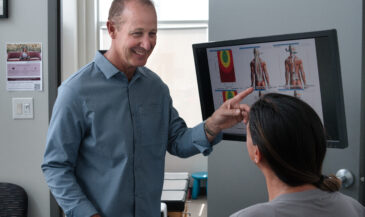
Dr David is a renowned chiropractor who practiced for many years with his associates in a scan-centric thriving principled family-based practice in Toronto. He is a sought-after teacher mentor and keynote speaker who takes every opportunity to share the wisdom and the power of chiropractic as it is meant to be.

https://insightcla.com/wp-content/uploads/2022/07/david-1.png
Dr. David Fletcher
DC FRCCSS(C) – Founder & CEO CLA Inc.
LIKE THIS ARTICLE? HELP US SPREAD THE WORD

Be Seen. Be Heard. Be Certain

In today’s saturated healthcare market, chiropractors face an ongoing challenge: being visible. Discover key marketing tactics to ensure you can BE SEEN, BE HEARD, and BE CERTAIN in your practice!

Read these Next…

Get Informed

Join 23,121 other Chiropractors and receive topics covering day to day challenges of running your practice.
+