
If you’ve ever checked your pulse and noticed it’s not always perfectly steady, you’ve observed a natural phenomenon known as heart rate variability (HRV). But what is a heart rate variability, and why does it matter for your health, your nervous system, and your ability to adapt?
Heart rate variability is the measure of the small but significant differences in time between each heart beat. Unlike your average heart rate—which tells you how many times your heart beats per minute—HRV looks at the beat-to-beat variability, the subtle shift from one beat to the next. Scientists and doctors have learned that these variations in heart rate reveal how well your autonomic nervous system is working to keep you resilient and adaptable, even as life’s stresses, joys, and demands shift from moment to moment.
With new technology and deeper research, we now understand that heart rate variability is much more than a fitness trend or a feature in your smartwatch. HRV may be one of the most meaningful indicators of your overall heart health, stress, and nervous system function—making it a key tool for planning care, measuring progress, and living well.
What Is Heart Rate Variability?
Heart rate variability (HRV) refers to the tiny, natural changes in the timing between each heart beat. When your heart rate is measured, you may be told that your pulse is, for example, 70 beats per minute. However, your heart doesn’t beat every 0.857 seconds with machine-like precision. Instead, each beat is separated by slightly different intervals—sometimes shorter, sometimes longer—based on the body’s ongoing internal regulation.
This “instantaneous heart rate” and interval variability are not signs of a problem; in fact, a healthy heart and a responsive nervous system produce variations in heart rate as the body adapts to its environment. The concept of “heart rate variability” is the foundation for understanding the body’s adaptability, emotional regulation, and physical recovery. Higher heart rate variability generally reflects better adaptability and greater nervous system balance, while lower heart rate variability can indicate stress or limited recovery capacity.
The study and analysis of heart rate variability has grown to include advanced clinical tools such as EKGs and spectral analysis of heart rate, helping doctors, researchers, and chiropractors better understand and support nervous system health in their patients.
How the Autonomic Nervous System Controls Heart Rate Variability
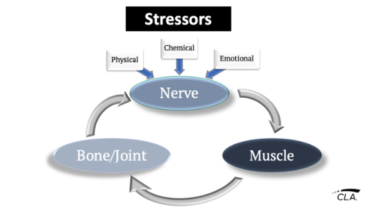
The autonomic nervous system (ANS) is the body’s automatic control system, overseeing everything from heart rate and blood pressure to breathing, digestion, and your ability to adapt to stress. It has two primary branches:
- Sympathetic Nervous System: Activates the “fight or flight” response, increasing heart rates, redirecting blood flow, and boosting alertness when needed.
- Parasympathetic Nervous System: Drives the “rest and digest” functions, promoting calm, recovery, and restoration.
Heart rate variability is the real-time record of how these two systems are interacting. When your body is in a calm, adaptive state, your parasympathetic system and vagal control of the heart predominate, leading to a wider range of intervals between heart beats (high HRV). When the sympathetic system is overactive—such as during chronic stress, pain, or illness—your HRV typically narrows (decreased heart rate variability).
The ANS communicates with the heart via the sinoatrial (SA) node, regulating the mean heart rate, and continually adjusting it based on needs and external demands. Researchers use frequency domain measures of heart and spectral analysis of heart rate to study these patterns and understand the deeper workings of the nervous system.
Why Heart Rate Variability Matters for Health and Adaptability
The more your heart rates are able to adapt—moment to moment—the healthier and more resilient your body tends to be. HRV may predict recovery from exercise, stress, and even major life events. In clinical research, decreased heart rate variability has been linked to an increased risk of conditions such as congestive heart failure, arrhythmias, and even sudden cardiac death.
A reduced heart rate variability is often observed in patients with chronic stress, sleep disorders, or inflammatory illnesses. On the other hand, higher heart rate variability has been associated with improved recovery, emotional resilience, and lower overall mortality.
For patients recovering from cardiac procedures, like heart transplant or rate variability after acute myocardial infarction, HRV is used to track recovery progress. Some studies show that heart rate variability in patients after a heart attack or transplant can be a reliable rate variability as a predictor for future complications.
HRV may also play a crucial role in neurological care, where chiropractors and other providers use it as an index of adaptability, nervous system regulation, and progress over time.
What Affects Your Heart Rate Variability
Many factors can affect your heart rate variability, some of which are within your control and some that are not. The most important influences include:
Factors that Lower HRV
- Chronic Stress: Emotional strain, overwork, and persistent anxiety
- Sleep Disturbances: Poor quality or inconsistent sleep
- Sedentary Lifestyle: Lack of regular movement
- Poor Nutrition: Diets high in processed foods, sugar, and low in key nutrients
- Alcohol or Drug Use: Excessive consumption reduces HRV
- Illnesses: Inflammation, chronic pain, diabetes, and cardiovascular issues like chronic congestive heart failure
- Certain Medications: Beta-blockers, antidepressants, and others
- Aging: Natural declines in variability in healthy individuals over time
Factors that Improve HRV
- Restorative Sleep: Regular, high-quality rest
- Consistent Exercise: Aerobic activity and strength training
- Healthy Nutrition: Emphasis on whole foods, healthy fats, lean proteins, and vegetables
- Breathing Exercises: Slow, controlled breathing that regulates respiratory rate and the hf component
- Mindfulness and Relaxation: Practices such as meditation, yoga, or relaxation techniques
- Chiropractic Care: Evidence suggests adjustments can improve autonomic inputs to the heart, especially in patients with dysautonomia or nervous system imbalance
Over time, positive lifestyle habits can increase your average heart rate adaptability and strengthen your nervous system’s response to daily life.
How Is Heart Rate Variability Measured?
Measuring heart rate variability requires capturing the precise timing between each heart beat. The gold standard is an electrocardiogram (EKG), which tracks R–R intervals—the peaks between each beat on the heart’s electrical signal. EKGs are used in clinical and research settings to provide highly accurate, reliable HRV data.
However, technological advances have made heart rate variability measurement more accessible for everyday monitoring. Popular tools include:
- Smartwatches and Fitness Trackers: Devices like Apple Watch, Oura Ring, and WHOOP use photoplethysmography sensors to estimate HRV
- Chest-Strap Heart Rate Monitors: Used by athletes for more detailed heart rate monitoring and data
- HRV Biofeedback Devices: Tools and apps designed to provide real-time feedback and stress reduction
These devices often use domain measures of heart period and calculate measures of heart period variability to provide useful information for both individuals and clinicians. Some even allow for power spectral analysis of heart rate data, making advanced HRV analysis available to a wider audience.
It’s important to note that changes in HRV are most meaningful when tracked over time, rather than relying on a single measurement.
Heart Rate Variability to Plan Care and Recovery
One of the most promising uses for heart rate variability is its role in guiding personal health, athletic performance, and clinical care. Coaches, trainers, and clinicians use HRV to decide how hard to train or when to rest. Variability to plan your workouts is becoming a standard for elite athletes, but is just as valuable for everyday individuals looking to maximize their well-being.
By monitoring 24-h heart rate variability and tracking patterns like resting heart, individuals can make smarter decisions about exercise, stress management, and recovery. In patients recovering from patients with a recent heart event, HRV trends can help doctors and care teams make evidence-based decisions.
Because HRV reflects the delicate balance between stress and recovery, it is a measure known as heart rate that supports regulation of heart rate and helps personalize plans for both patients and practitioners.
INSiGHT CLA’s Role: Advanced Heart Rate Variability Analysis in Practice
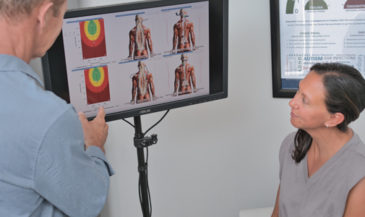
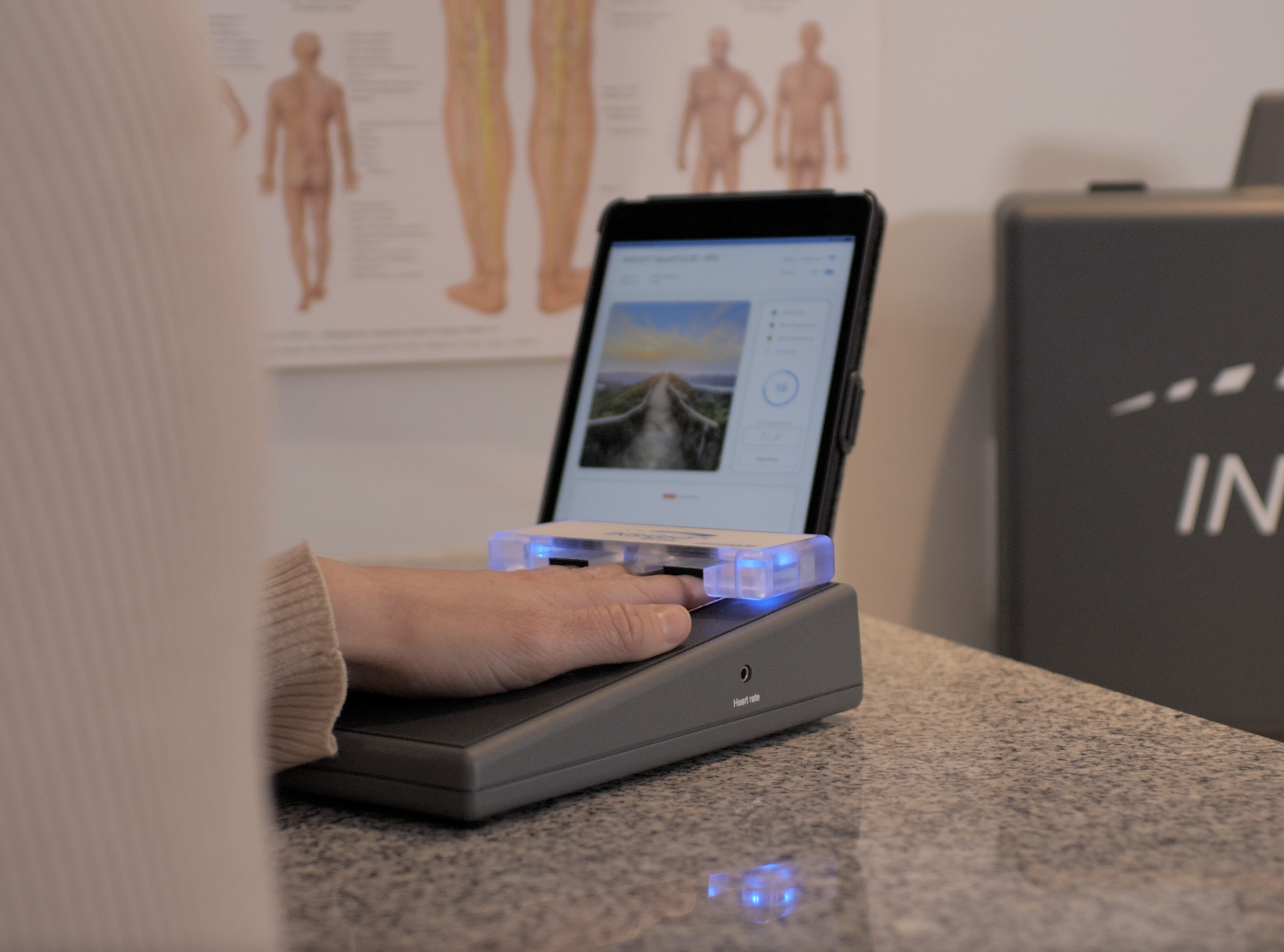
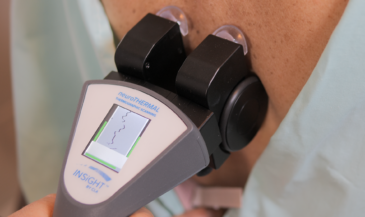
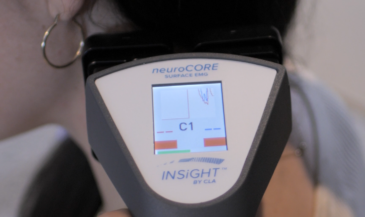
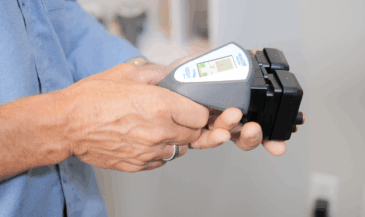
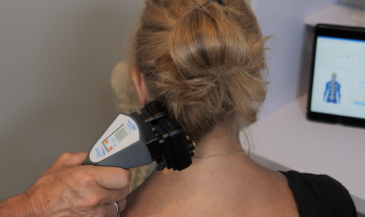
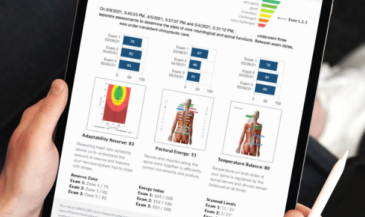
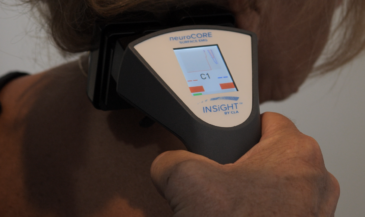
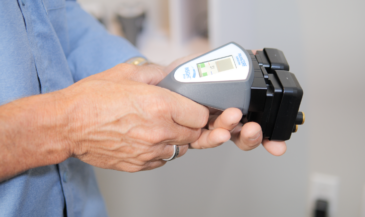
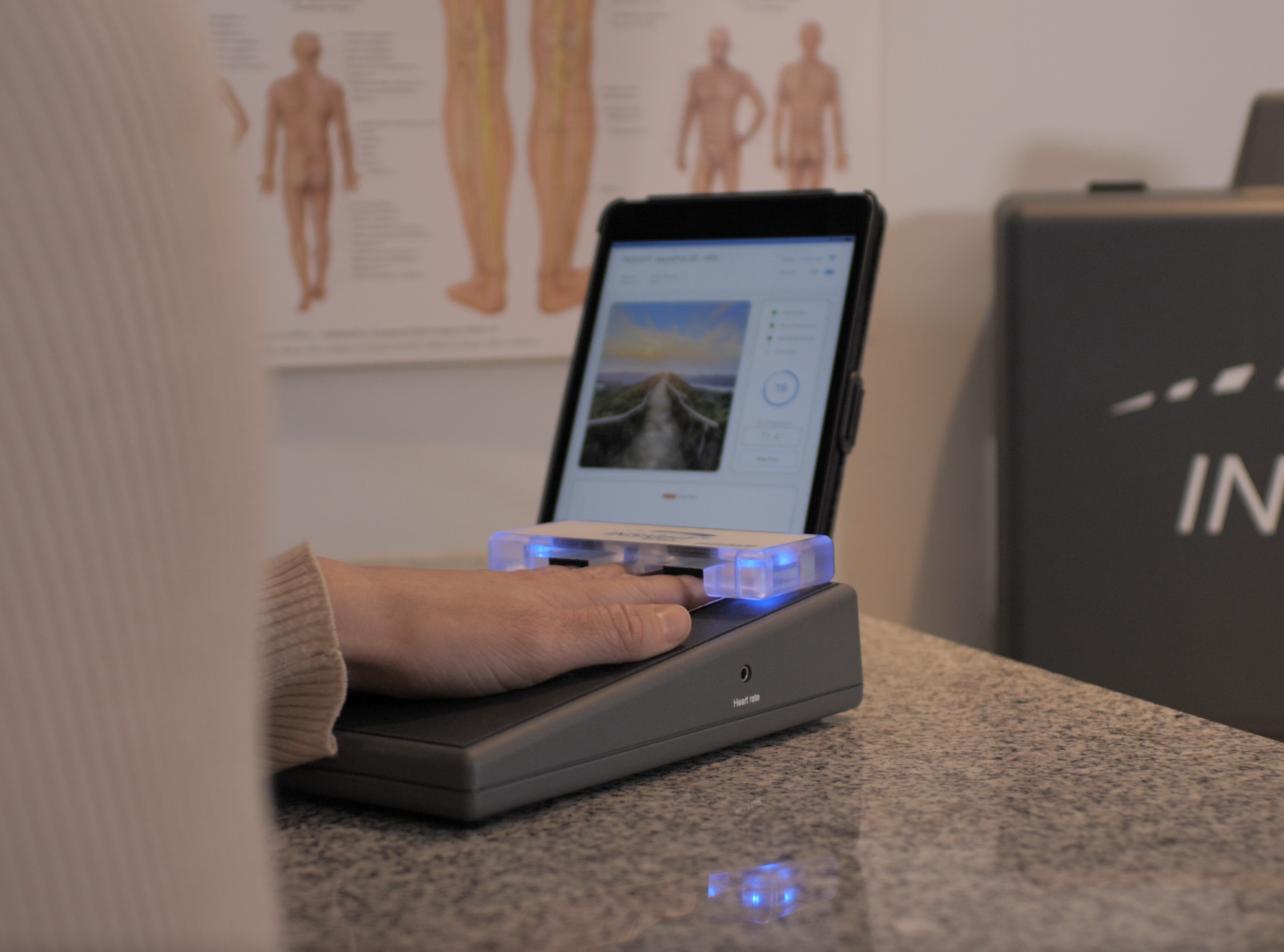
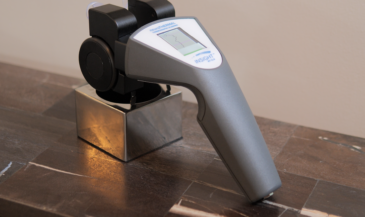
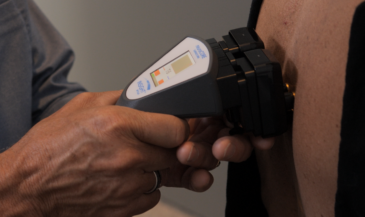
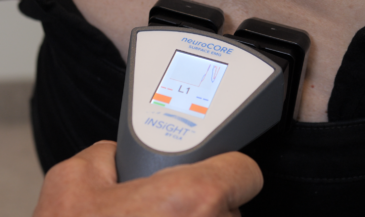
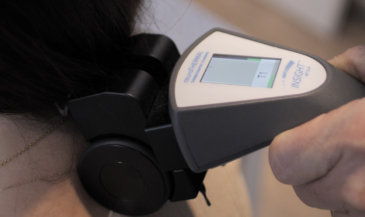
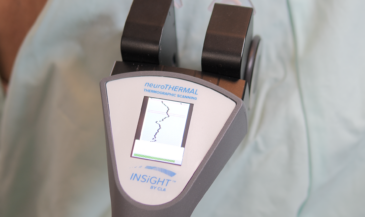
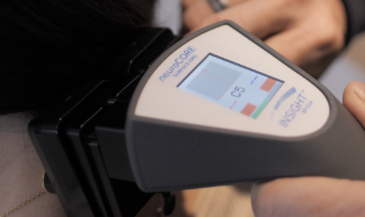
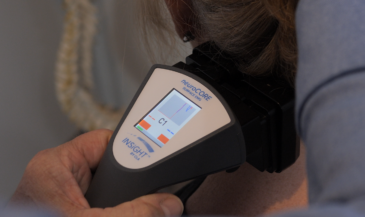
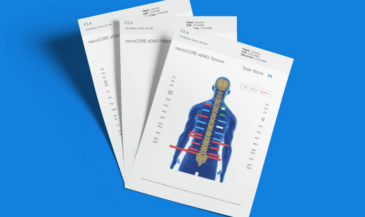
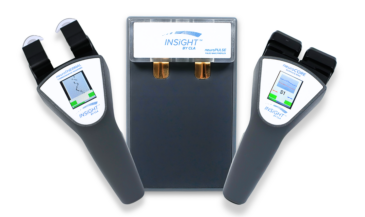
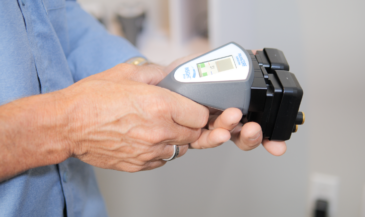
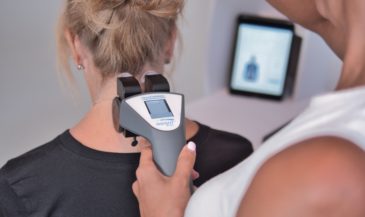
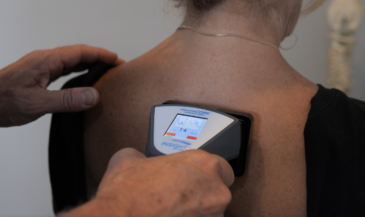
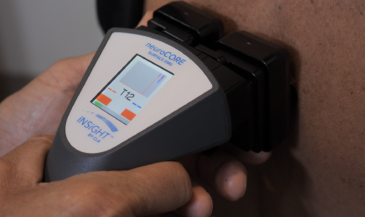
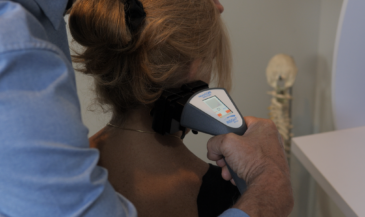
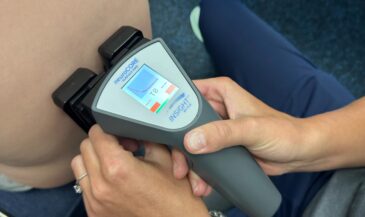
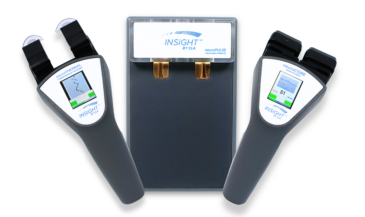
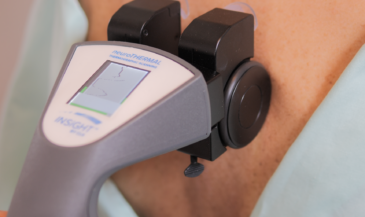
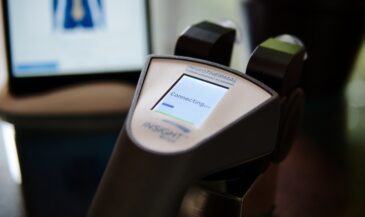
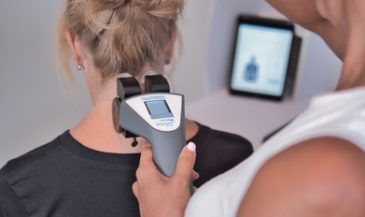
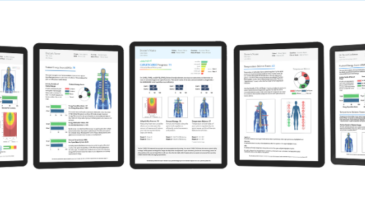
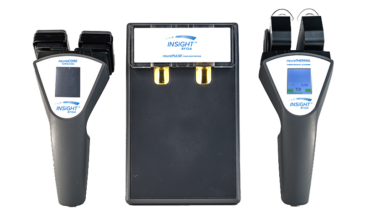
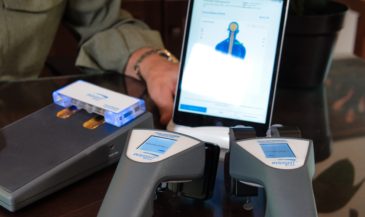
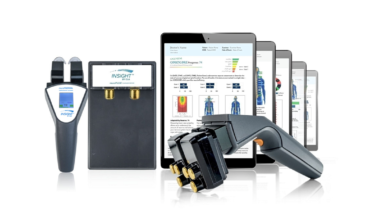
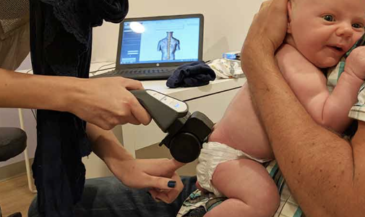
INSiGHT CLA’s NeuroPulse HRV scanning technology allows chiropractors to perform comprehensive heart rate variability analysis right in the clinic. Using non-invasive HRV scanning modules, providers can:
- Obtain an objective analysis of heart rate variability and identify alterations of heart rate in patients over time
- Track the effects of adjustments, lifestyle changes, and care plans using HRV as a rate variability as an index
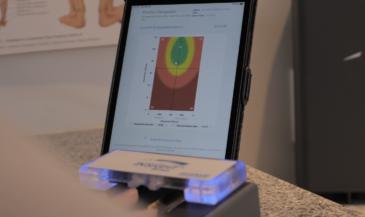
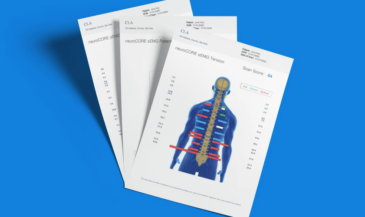
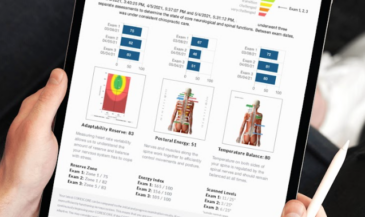
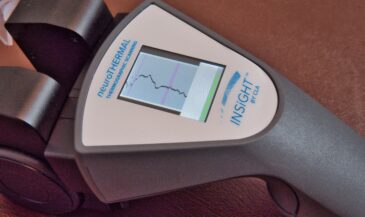
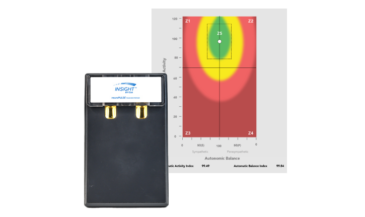
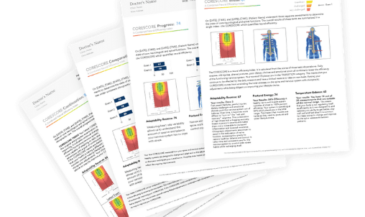
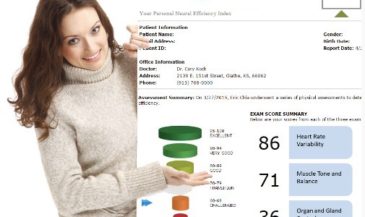
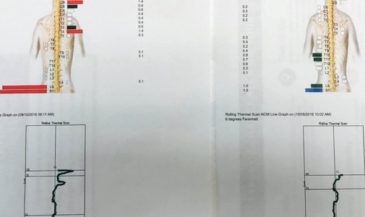
- Visualize key metrics including component of heart rate variability, inputs to the heart rather than the mean, and variability in the power spectrum analysis of heart
- Provide patients with actionable data to guide care, improve resilience, and support better outcomes
INSiGHT CLA’s scans look beyond the mean, focusing on variations of heart intervals and overall nervous system adaptability. This not only guides chiropractic care, but also empowers patients to become more active participants in their wellness journey.
Chiropractic research leaders have shown that regular chiropractic adjustments can support autonomic regulation and healthy HRV.
Special Applications: Heart Rate Variability in Special Populations
Heart Rate Variability in Patients
HRV isn’t just for athletes or adults—it’s relevant across the lifespan. From fetal heart rate patterns preceding birth, to rate patterns preceding fetal death in critical care, to heart rate variability in chronic illness management, HRV is now used as an early warning and progress tool in many fields.
It is used to monitor variability on the basis of health status, indices of heart rate during rate and blood pressure variability, and even for assessment in those with a heart transplant. Research shows that heart rate variability after acute myocardial events and heart rate variability after myocardial infarction can predict both short- and long-term outcomes.
In healthy populations, heart rate variability in healthy individuals is often higher, but certain conditions—like chronic pain, depression, or cardiovascular issues—can reduce HRV.
Frequently Asked Questions About Heart Rate Variability
Q: How often should I check heart rate variability?
A: For most people, measuring HRV once daily—ideally in the morning—provides the most consistent results. Monitoring trends, rather than one-off readings, gives the best insight into nervous system adaptability.
Q: Can I improve low HRV?
A: Yes. By focusing on better sleep, more physical activity, healthy nutrition, stress reduction, and—when needed—neurologically focused chiropractic care, you can support higher HRV over time.
Q: What does a high HRV mean?
A: Generally, a high HRV reflects a robust, adaptable nervous system, but the ideal range varies from person to person. Always interpret HRV alongside other health factors and in consultation with a knowledgeable provider.
Q: Is HRV the same as heart rate?
A: No. Heart rate is how many times your heart beats per minute; heart rate variability is the subtle difference in timing between each beat. Both are important for assessing health.
Your Next Step: Using Heart Rate Variability for Lifelong Adaptability
Understanding and leveraging what is a heart rate variability can be transformative. HRV is more than a metric—it’s a reflection of your body’s ability to handle stress, recover from challenges, and maintain balance.
From daily life to clinical care, heart rate variability empowers you, your provider, and your care team to make data-driven decisions that promote well-being, resilience, and adaptability at any age. By regularly tracking HRV, applying science-backed lifestyle habits, and working with providers who use advanced tools like INSiGHT CLA, you can ensure your heart rates and nervous system stay strong for the road ahead.