
That is why pediatric chiropractic care deserves a deeper conversation than the usual question of, “Is chiropractic safe for kids?” Safety matters, of course. Technique matters. Training matters. But if we stop there, we miss the bigger chiropractic story. Pediatric chiropractic care is really about helping parents understand how a child’s spine and nervous system are functioning during some of the most important years of development.
Most parents are not looking for a neurology lecture. They are looking for clarity. They want to know whether their child may need chiropractic care, whether a chiropractor can help, and whether pediatric chiropractic care offers a safe, gentle, and practical way to support healthy growth. That is where the neurologically-focused chiropractor has a tremendous opportunity to serve families with confidence.
What Pediatric Chiropractic Care Really Means in a Chiropractic Practice
Pediatric chiropractic care is the age-appropriate evaluation and care of infants, children, and adolescents through the lens of the spine, movement, posture, and nervous system function. In the chiropractic profession, this is not simply adult care made smaller. A child’s body is growing, adapting, and changing every day, which means the chiropractor must account for age, development, tone, comfort, and the child’s ability to communicate.
That is why chiropractic care of children should begin with a thoughtful conversation. Before any adjustment is considered, the chiropractor should understand the child’s history, birth experience, developmental stage, posture, activity level, sleep patterns, and the specific concern that brought the family in. A consultation with a pediatric chiropractor is often as much about listening to the parent as it is about evaluating the child.
In many practices, pediatric chiropractic care may include gentle posture checks, range-of-motion observations, light palpation, age-appropriate neurological indicators, and a careful assessment of how the child is moving. The goal is not to force an adult model onto a young body. The goal is to understand what the child’s body and nervous system are showing.
Chiropractors also explain pediatric chiropractic care in language parents can understand. They talk about growth, adaptation, tension, and communication between the brain and body. They help parents see chiropractic care for children as part of a larger conversation about function, not just a response to symptoms.
- Gentle approach: Pediatric chiropractic techniques use light, age-appropriate contact and careful positioning.
- Developmental awareness: The chiropractor considers the child’s age, growth stage, and physical maturity.
- Parent education: The visit should help parents understand what the chiropractor is assessing and why it matters.
- Functional focus: The conversation should come back to movement, posture, adaptability, and nervous system performance.
Why Children Are Not Small Adults
One of the first things every chiropractor should understand is that children are not miniature adults. Their joints, ligaments, growth plates, muscles, and neurological pathways are still developing. That is why pediatric chiropractic care must be specific, gentle, and respectful of the child’s stage of life.
Chiropractic care of infants looks different from care for a teenager with back pain after sports or long hours on a phone. An infant may need a very light contact while being held by a parent. A school-aged child may need posture, balance, and movement assessment. A teenager may need evaluation around repetitive strain, backpack load, athletic activity, or prolonged sitting.
This matters because children of all ages experience different physical demands. Infants and children are learning to feed, roll, crawl, walk, climb, fall, recover, sit, study, play, and participate in sports. Children and adolescents also face modern postural strain from tablets, smartphones, gaming, and long hours at desks. The spine is constantly adapting to these inputs.
For that reason, chiropractic care in children should be measured by appropriateness. Gentle chiropractic adjustments may involve light pressure, sustained contact, instrument-assisted methods, or low-force positioning. Regular chiropractic adjustments are never one-size-fits-all, and regular chiropractic care should always reflect the child’s presentation and the chiropractor’s clinical judgment.
When parents ask whether pediatric chiropractic care is safe for children, they are usually asking a very reasonable question. They want to know their child will be respected, listened to, and cared for with skill. The answer should not be hype. It should be clear, calm, and grounded in best practices for chiropractic care.
Why Many Parents Seek a Pediatric Chiropractor
Many parents first bring a child to a chiropractor because something seems off. It may be feeding comfort in an infant, colic, head position, posture, sleep disruption, a sports-related strain, or back pain in a teenager. Sometimes the concern is obvious. Other times, the parent simply notices that their child is not moving, resting, or adapting the way they expected.
In infancy, pediatric chiropractic care is often discussed around birth-related tension, breastfeeding discomfort, torticollis, digestive distress, and colic. A chiropractor should be careful not to promise a cure for colic or any pediatric health condition. Still, it is reasonable to explain that the spine and nervous system are involved in movement, tone, posture, and regulation, and that chiropractic care may be beneficial when tension patterns are present.
For younger children, parents may seek chiropractic for children when they notice posture changes, clumsiness, growing discomfort, sports bumps, playground falls, or recurring movement patterns that do not seem balanced. Chiropractic adjustments can support better spinal movement and help reduce unnecessary postural tension when delivered appropriately.
For teens, the concerns often look more familiar to adult practices. Long sitting, heavy backpacks, phone posture, athletic strain, and back pain can all bring a teen into the office. Chiropractic adjustments help address joint motion and postural tension, while chiropractic care supports the bigger conversation about movement habits, sleep, recovery, and resilience.
- Infant concerns: Birth-related tension, feeding comfort, torticollis, digestive distress, and colic.
- Childhood concerns: Posture, balance, coordination, growing discomfort, sports strain, and playground falls.
- Teen concerns: Back pain, phone posture, backpack strain, athletic recovery, and spinal tension patterns.
- Family goals: Parents often want to support your child’s comfort, movement, and child’s health and development without relying only on symptoms.
That is where the benefits of chiropractic care need to be explained honestly. The benefits of chiropractic are not about turning every child into a lifetime patient through fear. The benefits of pediatric chiropractic are found in helping families understand function, track progress, and make informed choices. Pediatric chiropractic care can help parents see that their child’s body may be asking for attention before symptoms become the whole conversation.
Safety, Evidence, and Best Practices for Chiropractic Care
The safety of chiropractic care in pediatric settings deserves a clear and balanced discussion. Pediatric chiropractic care safe practices begin with proper training, careful examination, age-appropriate technique, informed consent, and collaboration with other health care providers when needed. Chiropractic care is safe when the chiropractor stays within scope, adjusts technique for the child, and refers when signs point outside chiropractic care.
At the same time, chiropractors should be honest about the scientific evidence. The literature on chiropractic in pediatric patients includes case reports, observational work, a literature review, and broader chiropractic care research. Some research has found that chiropractic care can influence nervous system function in areas such as Heart Rate Variability, but the effectiveness of chiropractic care for every pediatric condition has not been established at the same level.
When reviewers examine spinal manipulative therapy for pediatric populations, manipulative therapy for pediatric health, or therapy for pediatric health conditions, the strength of evidence varies by condition and study design. A systematic review of the literature or an updated systematic review may report promising findings in some areas while also noting insufficient evidence in others. A systematic review of randomized clinical trials, or a review of randomized clinical trials, should never be stretched beyond what it actually shows.
This is where the chiropractor must lead with integrity. If a parent asks about chiropractic treatment for ear infections, asthma, colic, or other non-musculoskeletal concerns, the answer should be measured. Chiropractic care may support function, adaptation, movement, and regulation, but the chiropractor should not claim to cure conditions. That kind of honesty builds trust.
Chiropractors should also understand the language parents may bring into the office. They may ask whether chiropractic spinal manipulation is different for children, whether chiropractic care including spinal evaluation is appropriate, whether chiropractic adjustments may help posture, or whether they should recommend chiropractic to another family. The chiropractor’s job is to answer with calm confidence and the best available evidence.
Following chiropractic adjustments, the chiropractor should continue to observe, reassess, and communicate. Following chiropractic visits, parents may report changes in comfort, sleep, movement, or behavior, but those reports should be documented without exaggeration. The effects of chiropractic should be tracked carefully, especially when caring for pediatric patients.
A Clearer Way to Support Growing Families With INSiGHT Scanning
Here is where pediatric chiropractic care becomes especially exciting for the neurologically-focused chiropractor. Children do not always have the words to explain what they feel. A baby cannot describe tension. A toddler cannot explain adaptation. A young athlete may only say, “I’m fine,” even when their body is working harder than it should. That is why objective neurological scanning changes the conversation.
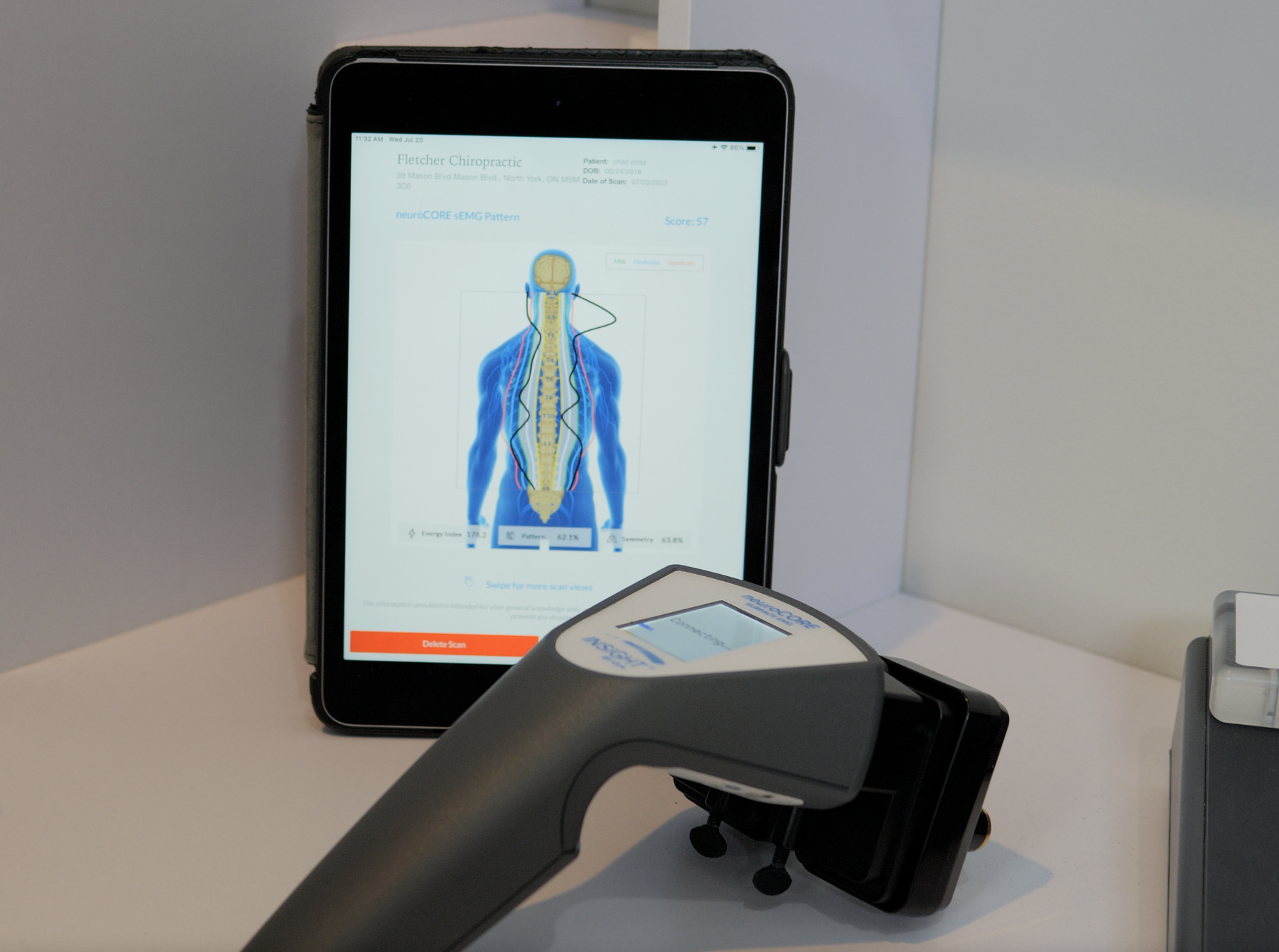
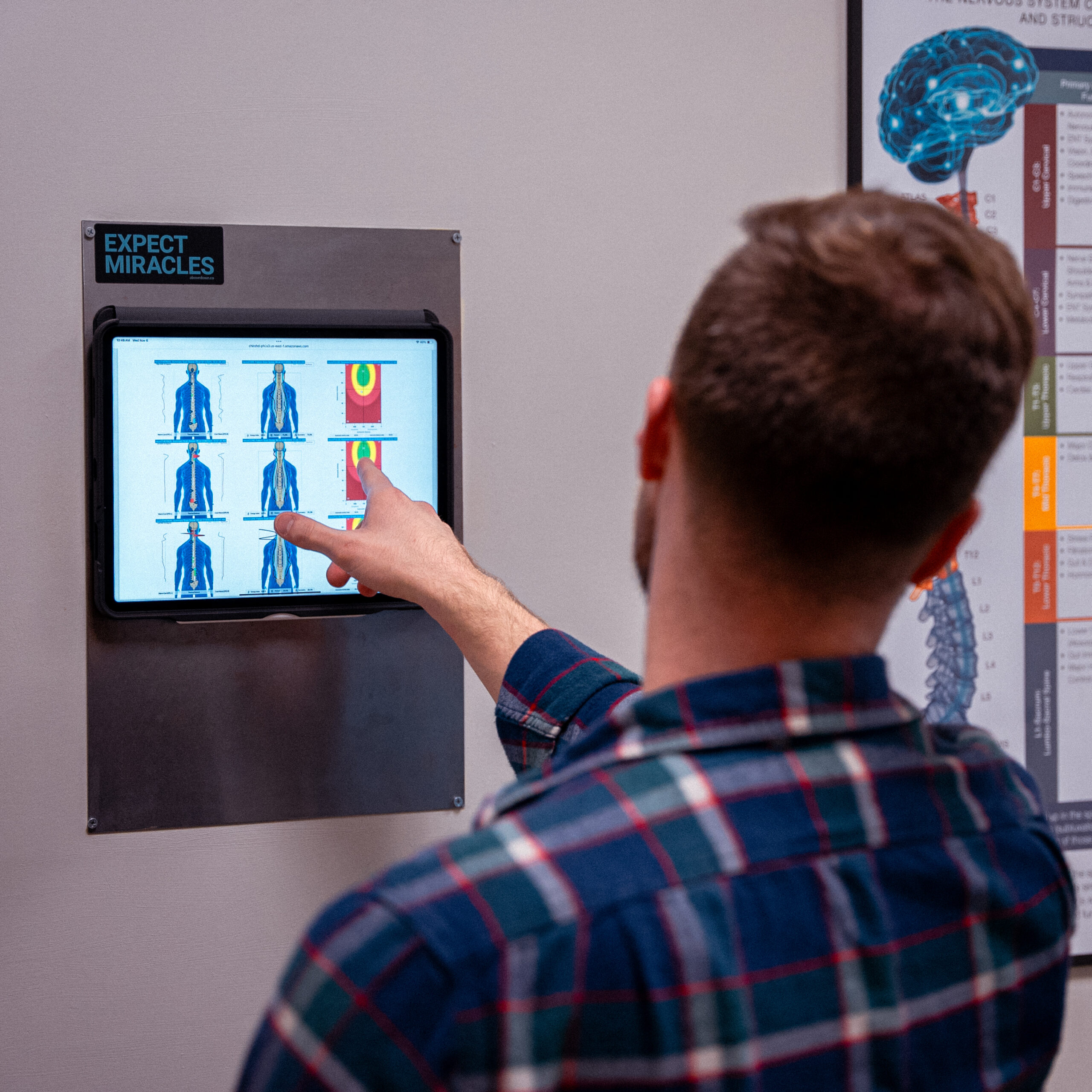
INSiGHT scanning technology helps the chiropractor move beyond guessing and into clearer analysis. With INSiGHT neuroTECH and Synapse software, the chiropractor can collect objective scan data, create parent-friendly scan views, and explain nervous system status in a way families can understand. This does not replace the chiropractor’s clinical skill. It strengthens the conversation around the personalized care plan the chiropractor creates.
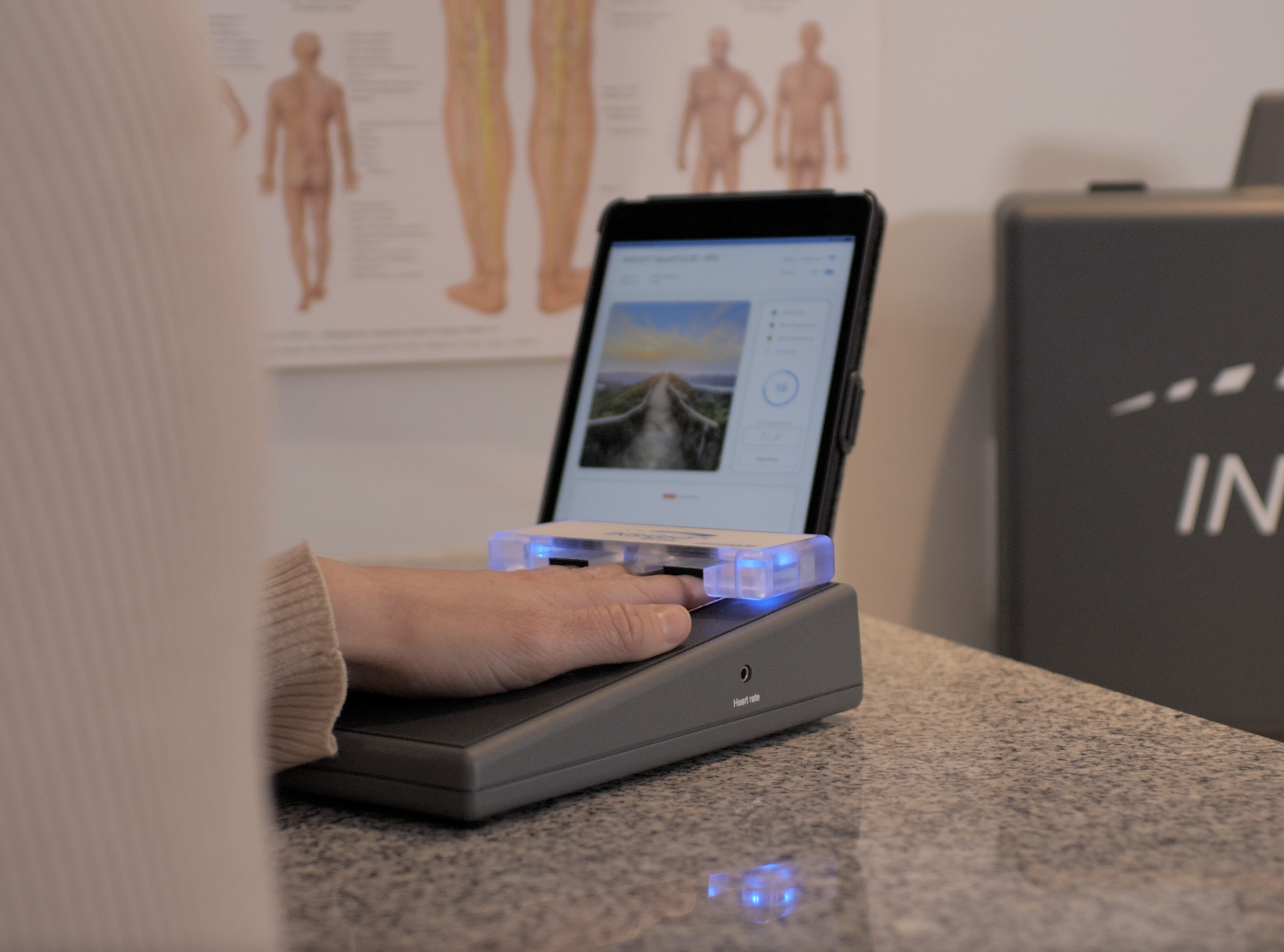
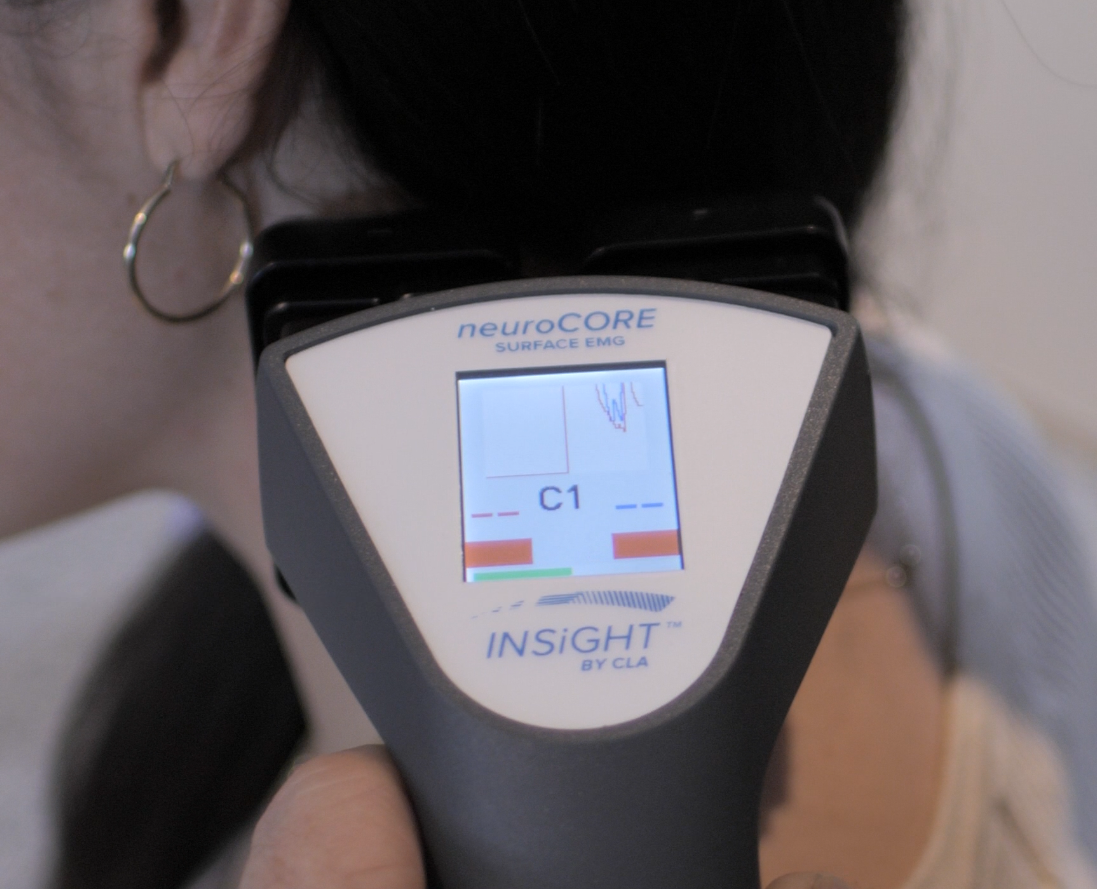
The neuroTHERMAL can complete a full spine nerve system scan quickly, helping analyze thermal patterns connected to autonomic regulation. The neuroPULSE evaluates Heart Rate Variability and adaptive reserve, with pediatric-friendly accessories such as an ear clip or finger sleeve for younger children. The neuroCORE can help assess postural tension and energy expenditure in children old enough for that scan, which is valuable when posture, sports, backpacks, or spinal strain are part of the story.
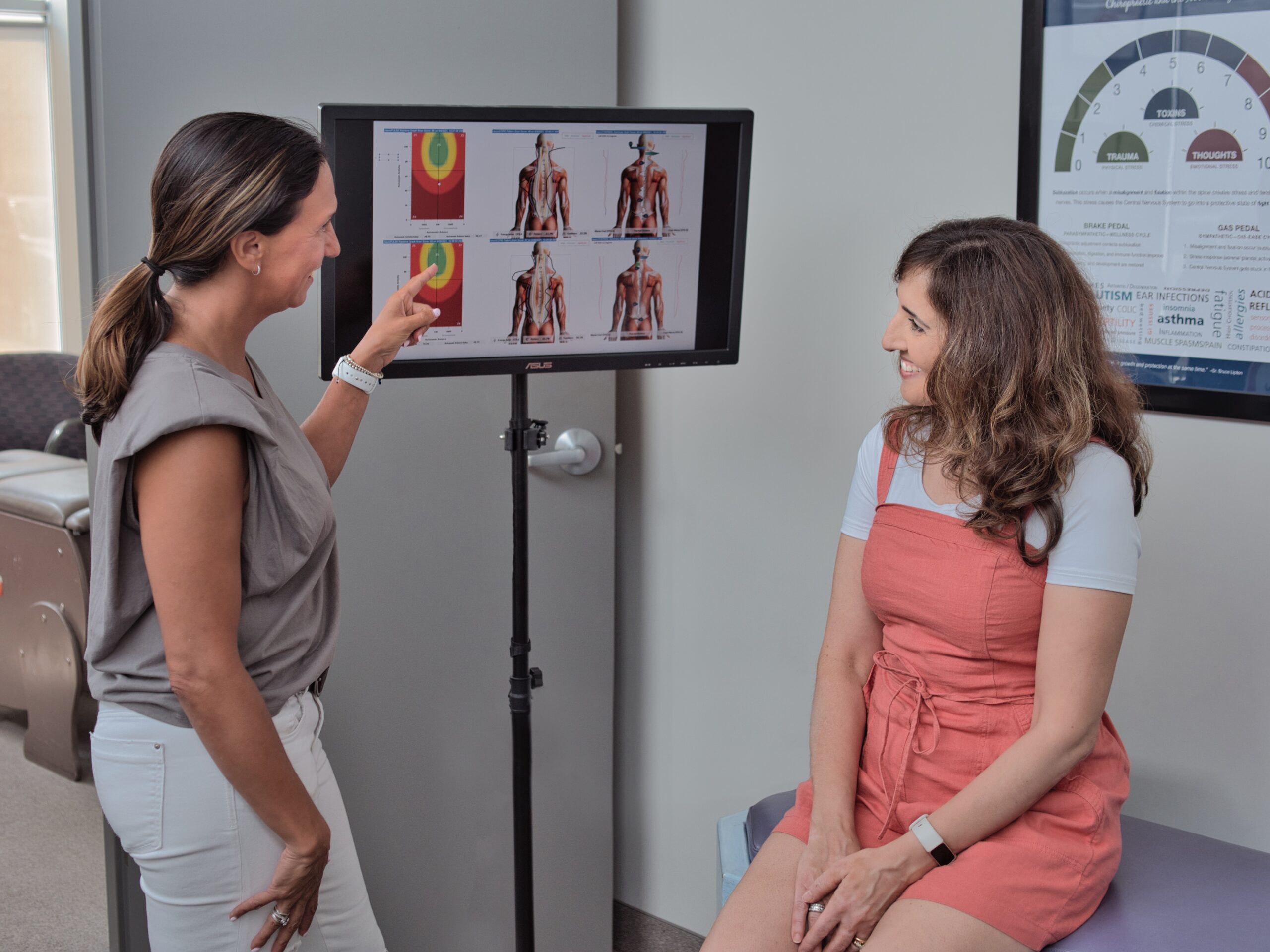
When combined through the CORESCORE, INSiGHT scanning technology gives parents a simple neurological report card. They can see a baseline, compare progress, and understand why chiropractic care of patients should not be based only on whether a child complains that day. Chiropractic care can enhance the parent conversation because it gives families something clear to look at, not just something to believe.
- neuroTHERMAL: Helps visualize autonomic patterns through thermal analysis along the spinal region.
- neuroPULSE: Helps assess adaptive reserve through Heart Rate Variability, especially helpful when a child cannot clearly explain how they feel.
- neuroCORE: Helps identify postural tension and energy patterns that may be associated with pediatric posture, sports, and movement demands.
- CORESCORE: Helps turn complex scan data into a simple number parents can follow over time.
- Synapse software: Helps organize scan views and reports so families can better understand what the chiropractor is seeing.
This is the difference between telling and showing. A chiropractor can tell a parent that chiropractic care supports better communication between the spine and nervous system. But when that parent sees their child’s scan, the conversation becomes clearer. It shifts from “Does my child need an adjustment?” to “How well is my child adapting?”
That is the real opportunity in pediatric chiropractic care. It is not about making dramatic claims. It is about helping families see what their child cannot always explain. It is about taking chiropractic care beyond symptoms and giving parents a practical way to understand growth, adaptation, and nervous system performance.
For the chiropractic profession, that is a powerful step forward. Pediatric chiropractic care offers a meaningful way to serve families, but neurological scanning helps chiropractors communicate that care with more certainty, more clarity, and more trust. When parents can see the story their child’s nervous system is telling, they stop guessing and start understanding.