Every chiropractor wants to achieve greater retention for the effort they put into their exams, reporting and recommendations, but most miss the moment that matters most: the initial care planning conversation.

It doesn’t begin at their sixth or tenth visit or when symptoms resolve. It starts the moment your new patient sits down after their initial exam. This is the ideal time to move your message deeper and indicate the spinal impact on their functioning nervous system.

And if you’re not using that moment to build trust, show them objective neurological scanning  data, and present a clear roadmap for care—you’re setting yourself up for symptom-based drop-offs and missed neurofunctional outcomes.

In this blog, I’m going to walk you through exactly how you can use INSiGHT scanning technology, CORESCORE reports, and a simple, structured conversation to shift patients from drop-ins… to committed, lifelong care.

We’re going to break it down into three key steps:

  1. Make The Shift From First Scan to Care Plan
  2. Make Re-Scans and Re-Exams Your Undeniable Retention Machine
  3. Frame the Future to Shift From Quick Fixes to Lifelong Care

Let’s get into it.

Step 1: Make The Shift From First Scan to Care Plan

Retention begins with that first exam—before the first adjustment is even made.

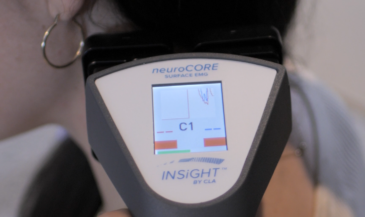
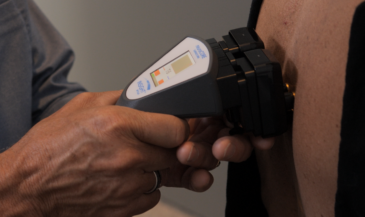
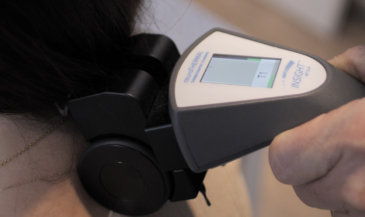
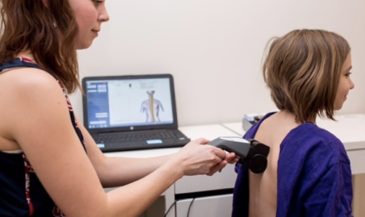
When a new patient walks through your doors, the goal isn’t just to identify what’s making them feel out of sync. It’s to frame their experience as the beginning of a nervous system performance journey. Including an INSiGHT scan in the initial exam confirms your commitment to looking deeper than their symptoms. Scanning measures the functional changes while X-Rays and Ortho testing look at the existing symptomatic causes and degeneration.   

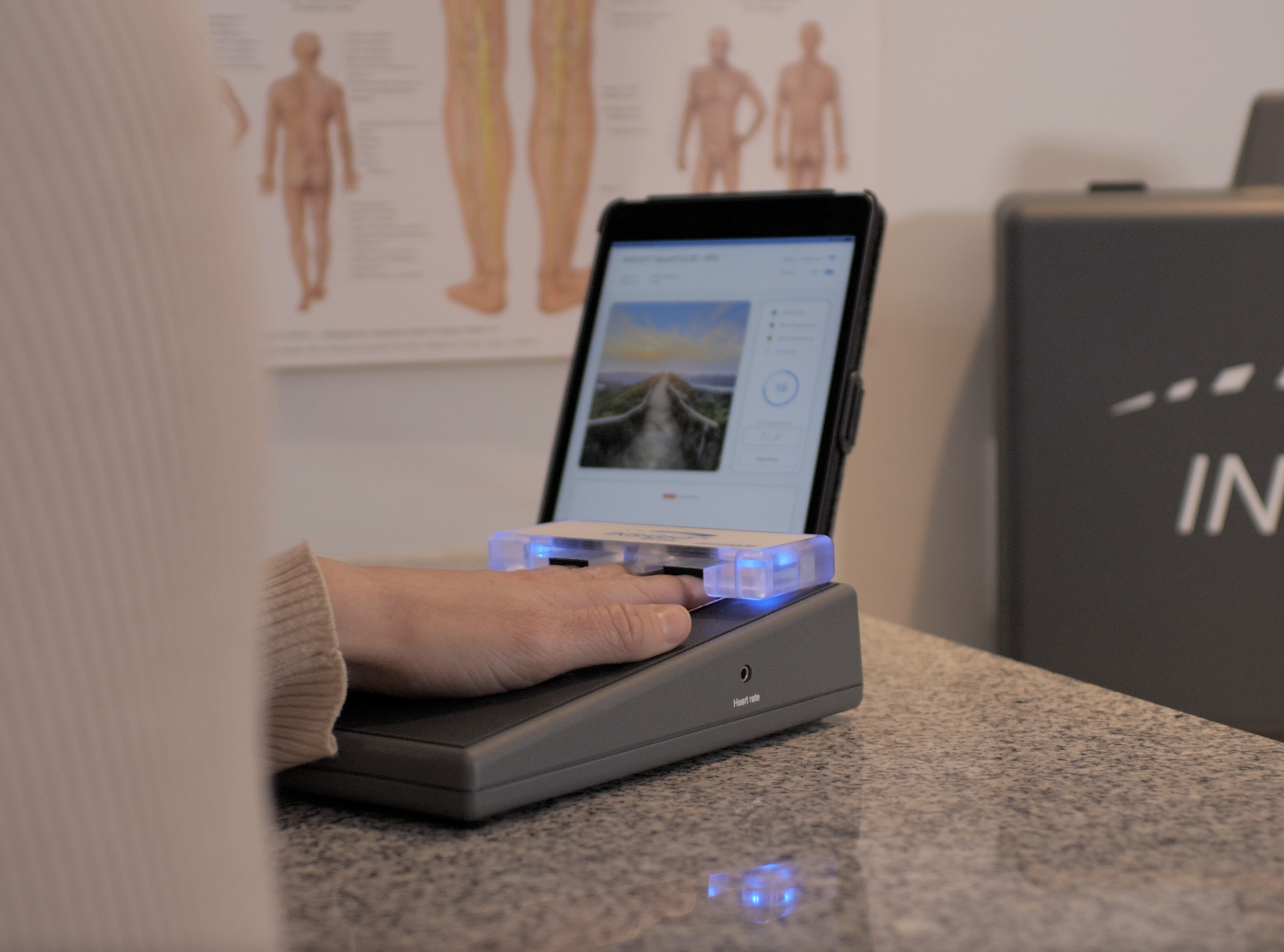
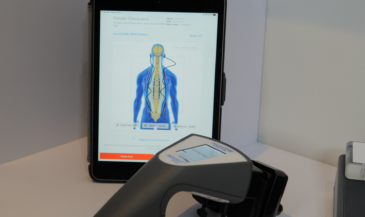
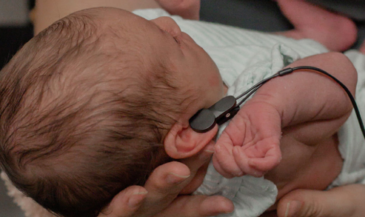
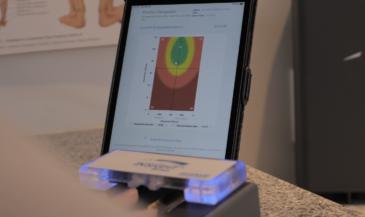
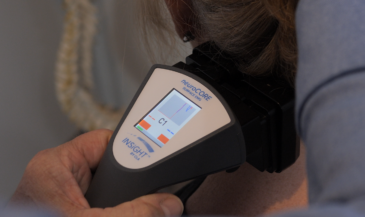
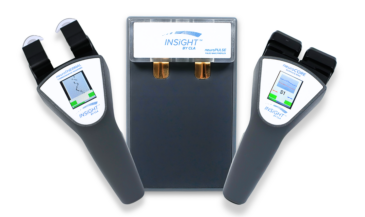
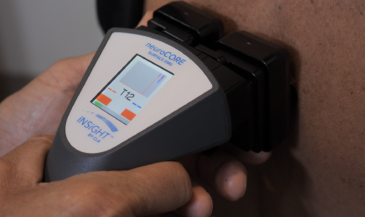
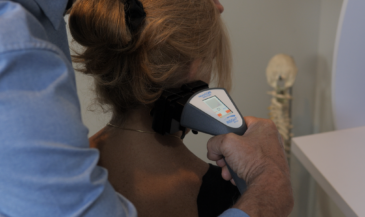
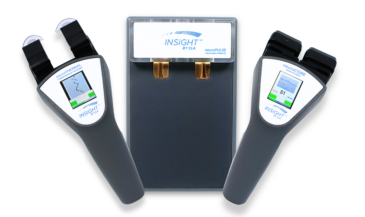
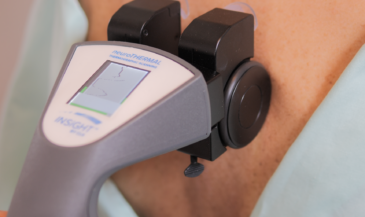
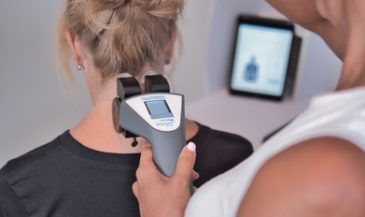
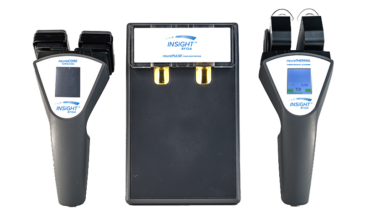
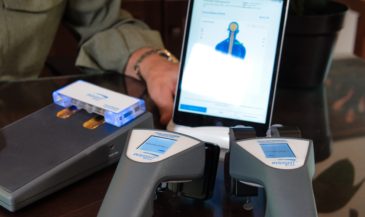
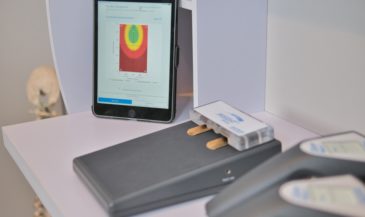
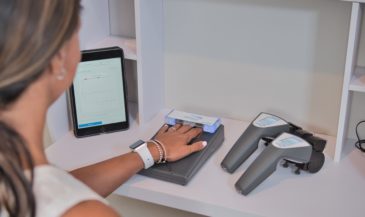
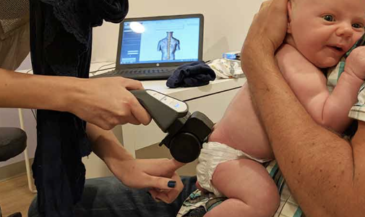
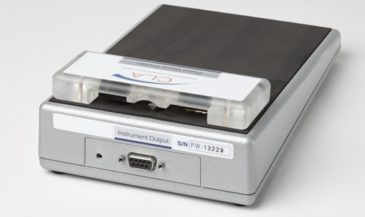
That neurofunctional journey begins with a 3-dimensional INSiGHT scan:

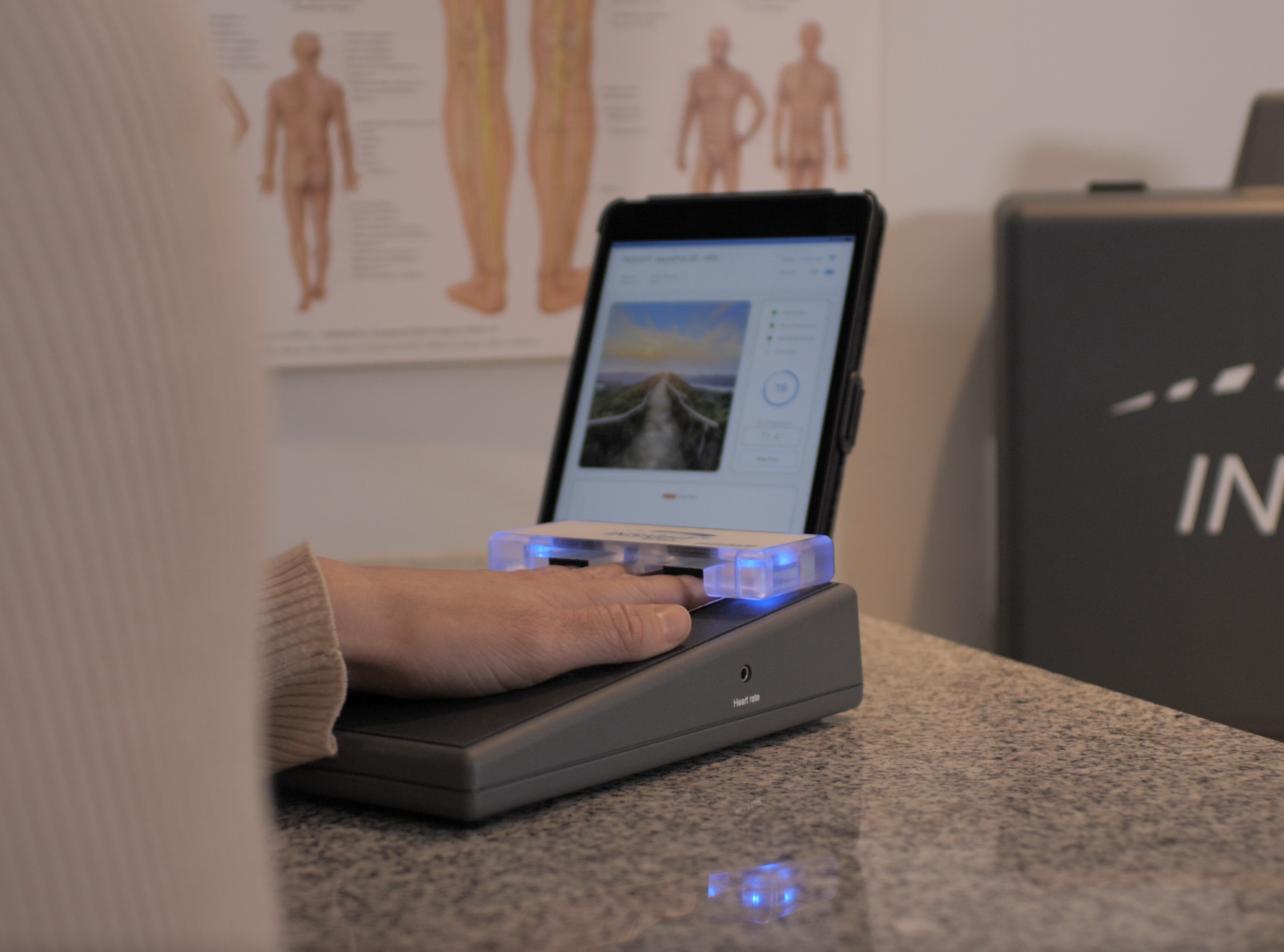
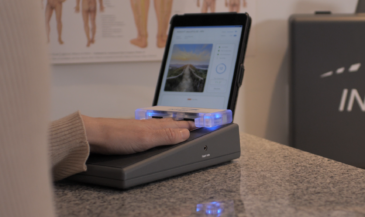
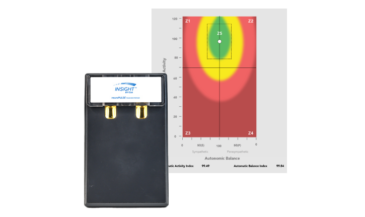
  • The neuroPULSE to measure heart rate variability. We need to know how much adaptive horsepower is in their Autonomic Nervous System
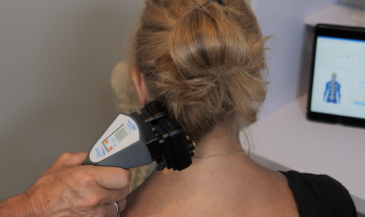
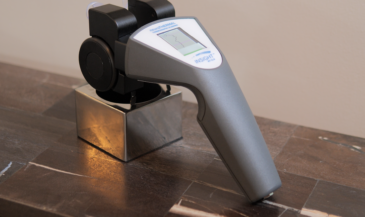
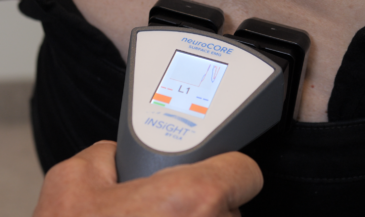
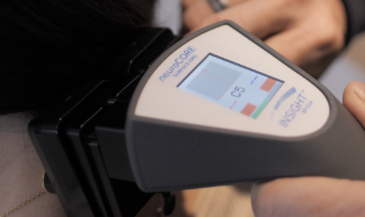
  • The neuroCORE to assess muscle energy expenditure. Daily stressors and spinal misalignments are exhausting! Muscles become fatigued but so does the Motor Nervous System.
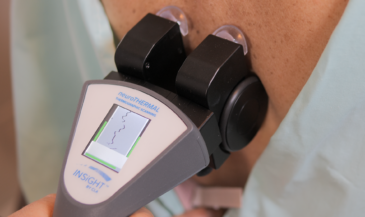
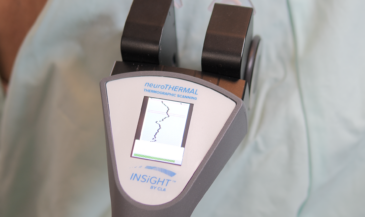
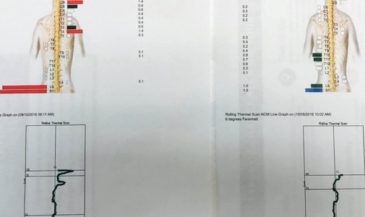
  • The neuroTHERMAL to detect spinal autonomic stress patterns that define dysautonomia and dysregulation

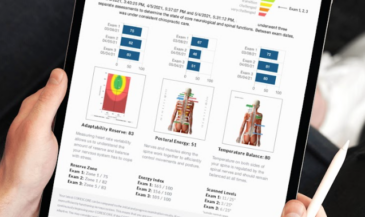
Together, these scans uncover how your patient’s nervous system is adapting—or not adapting—to life’s stress. They establish a baseline, which is essential for both care planning and future re-evaluations.

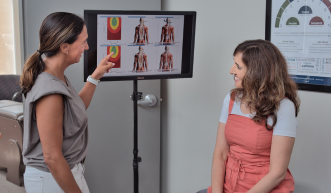
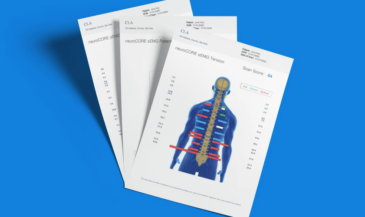
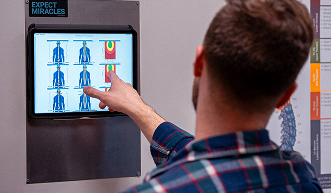
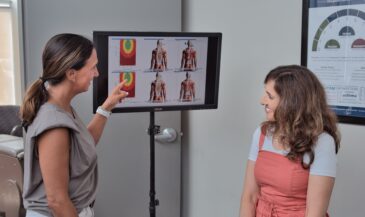
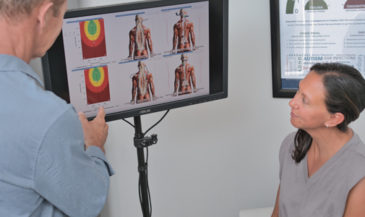
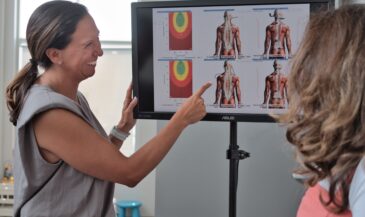
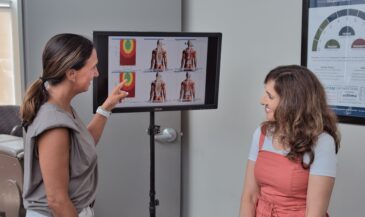
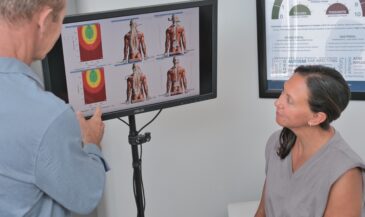
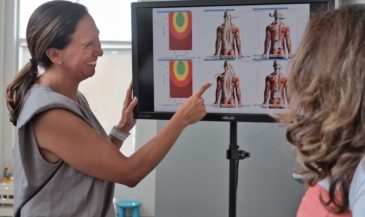
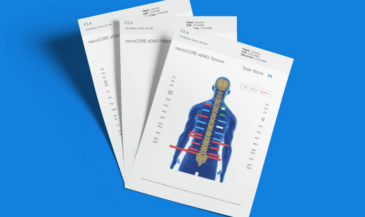
Then you show the patient their CORESCORE report—a single score between 0 and 100 that consolidates all three scans’ data into a single, understandable number—a neurological report card your patient can follow at every phase of care.

When patients see this score, it becomes real. It’s not about “how they feel.” It’s about how their nervous system is actually functioning.

And here’s the key: you don’t focus on what’s wrong. This is your opportunity to lead a conversation focused on what’s possible. You can say:

“This score tells us how well your nervous system is adapting to life’s stress. Our goal is to improve this over time. Just like you wouldn’t stop going to the gym after one month, this is where long-term nervous system performance really starts.”

It shifts the mindset from relief care… to a performance-based, lifetime journey towards excellence.

Step 2: Make Re-Scans and Re-Exams Your Undeniable Retention Machine

Retention isn’t built on visit frequency alone—it’s built on trust, belief and understanding. And trust comes from seeing change.

That’s why re-scans are your most powerful retention tool.

They’re more than just routine check-ups, they act as reconnection moments that let your patients see progress from where they started, understand what’s changing, and know what comes next.

With every CORESCORE update, you’re showing evidence-backed proof. This is where patients stop thinking of care as a temporary solution and start seeing it as a necessary lifestyle choice.

You’re no longer their “spinal mechanic”. You’re helping them function better at every level in their health.

You’ll notice the shift. They start asking more questions. They want to know what else is possible. They start thinking about their kids. Their spouse. Their ability to sleep and perform better, not just get through the day.

Re-scans reframe their expectations and remind them why they chose you in the first place.

Every time you do a progress scan, these appointments give you three powerful talking points:

  • “Here’s what we were working on.”
    Patients remember their starting point and original goals.
  • “Here’s what’s improving.”
    They see and feel their own progress—sometimes in ways they hadn’t even noticed.
  • “Here’s what’s next.”
    You set new targets, keeping the momentum going.

Shifting Mindsets: 

Re-scans help patients see care differently. Instead of only coming in when they hurt, they start to view care as something that keeps them performing at their best—much like regular exercise or healthy eating. The mindset shifts:

  • From: “I come in when something hurts.”
    To: “I come in to be at my best.”
  • From: “This is a necessary fix”
    To: “This is part of my lifestyle.”

Step 3: Frame the Future to Shift From Quick Fixes to Lifelong Care

Every care plan begins with a prescribed block of care. So what happens after the initial 12 visits?

This is where a lot of chiropractors drop the ball. You’ve guided the patient through their initial phase of care. You’ve done a great initial exam, run the scans, tracked the patterns, and delivered their first round of adjustments. And then—nothing. No clear next step. No defined vision for what comes after visit 12.

That’s where retention starts to unravel.

At this stage, you’re not wrapping up care. You’re opening the next chapter.

By the 12th visit, you’ve already seen neurological changeability starting to emerge. The CORESCORE is your tool to validate those early shifts and create belief in what’s working. This is your moment to transition patients into the next phase—what I call Re-Organizational Care.

Here’s what I often say:

“Your nervous system has shown great changeability over these first 12 visits. That’s exactly what we want to see. But just like going to the gym, the first few weeks are only the beginning. We’ve opened the door. Now it’s time to strengthen the foundation.”

At this point, the nervous system is beginning to stabilize. You’re seeing improvements in adaptability, but now the goal is to support that adaptability consistently under real-life stress.

The CORESCORE gives you the credibility to lead this next conversation with confidence.

You can point to the progress:

  • HRV is on the rise
  • Thermal scans are showing balance
  • EMG patterns are beginning to organize

But maybe muscle energy is still being overspent. Maybe stress recovery is lagging behind. That’s your chance to educate and reframe.

Each data point gives you an opportunity to reinforce the bigger picture. You’re not just adjusting the spinal alignment. You’re helping the nervous system become more efficient, more resilient, and more adaptable to the demands of life.

This is the most important shift you can lead. You’re not selling long term care. You’re shifting the mindset from symptom relief to performance and longevity.

You’re helping the patient reimagine what it looks like to live, based on nervous system function—not just how they feel that day.

And INSiGHT scanning is your proof. You’re not asking them to take your word for it. You’re showing them exactly what’s happening and why it matters. We call that the Real Reason to Believe. 

You can say:

“We’ll keep tracking your CORESCORE to make sure your nervous system is adapting and performing the way it should. As things continue to improve, we’ll keep fine-tuning your schedule to match your progress.”

That’s how you build belief. That’s how you lead with purpose.

The patient has now seen it work.
They’ve felt the difference.
They’ve watched their CORESCORE rise.

They’re not just staying because they feel better. They’re staying because they know their nervous system is finally working for them—not against them.

And that belief? That’s what keeps them committed, inspired, and moving forward.

Why Patient Retention Leads to Referrals

Everything begins the moment your patient sits down after their very first scan.

That’s when your role as a chiropractor expands. You are no longer simply the person delivering adjustments. You become the guide—the one helping your patient understand what their nervous system is doing and where it needs to go.

This is where transformation starts.

When your patient sees their CORESCORE for the first time from the INSiGHT scans you performed, something clicks. You’re showing them a real-time snapshot of their adaptability, stress patterns, and performance potential. You’re not giving them vague ideas. You’re handing them objective data—data that turns curiosity into commitment.

And something else begins to happen… your patient starts talking.

They share their scans with their spouse. They mention their progress to a friend. They explain what you’re doing to their kids. You’re no longer serving isolated cases. You’re creating a ripple effect. You’re building a wellness culture around your practice.

A practice filled with patients who stay, who grow, and who refer.

If that’s the future you want to build—one grounded in results, supported by data, and sustained through trust—then the path forward is clear.

  • Start with INSiGHT scans to assess nervous system function.
  • Anchor progress with the CORESCORE.
  • Lead every patient with the understanding that health is a process that evolves over time.

That’s how you move beyond disconnected visits.

That’s how you build consistency, purpose, results, retention, and referrals.

And that’s how you grow a community practice that thrives for the long haul.

If you want to bring this kind of transformational system into your practice—book a call with an INSiGHT Advisor. We’ll show you how to implement scanning, reporting, and care planning tools that boost your retention and help your patients reach their full potential.


Get Started with INSiGHT Scanning

Take our Free Practice Strategy Assessment. A Personalized Guide and Expert Strategy Call to Help Determine How Scanning will Help you Grow
ABOUT THE AUTHOR

Dr. David Fletcher is actively involved in all aspects of innovation teaching and research connected to the INSiGHT™ scanning technologies. He is widely recognized for his ability to share his expertise in compelling and easy to understand ways.

Dr David is a renowned chiropractor who practiced for many years with his associates in a scan-centric thriving principled family-based practice in Toronto. He is a sought-after teacher mentor and keynote speaker who takes every opportunity to share the wisdom and the power of chiropractic as it is meant to be.

https://insightcla.com/wp-content/uploads/2022/07/david-1.png
Dr. David Fletcher
DC FRCCSS(C) – Founder & CEO CLA Inc.
LIKE THIS ARTICLE? HELP US SPREAD THE WORD

Be Seen. Be Heard. Be Certain

In today’s saturated healthcare market, chiropractors face an ongoing challenge: being visible. Discover key marketing tactics to ensure you can BE SEEN, BE HEARD, and BE CERTAIN in your practice!

Read these Next…

Get Informed

Join 23,121 other Chiropractors and receive topics covering day to day challenges of running your practice.

As chiropractors, we’ve long focused on vertebral subluxations—those misalignments in the spine that cause dysfunction. For many of us, this focus on structure dictating function has shaped our practices.

But what if we’ve been looking at it too narrowly? What if the spine’s misalignments aren’t the problem but the body’s attempt to adapt to stress and maintain function?

By embracing a function-over-structure paradigm, we can elevate our understanding of chiropractic care. This approach acknowledges that the body’s structure serves its function, and when structure adapts, it’s often a sign of the body preserving balance under pressure.

What Is the Function-First Paradigm in Chiropractic?

The public perception of  chiropractic has centered around the idea that structure dictating function. Misaligned vertebrae are seen as obstacles to a healthy, well-functioning body. This thinking has led us to focus on restoring an “ideal” spinal structure.

The function-first paradigm flips this idea. It recognizes that the body doesn’t misalign without reason. Instead, it adapts its structure—through vertebral subluxations and other changes—to maintain nervous system function and overall balance.

This isn’t about abandoning structure. It’s about understanding that structure serves function and that optimizing how the body works is more valuable than chasing perfect alignment.

Why Vertebral Subluxations Are Functional Adaptations

Vertebral subluxations aren’t random. They’re the body’s response to forces like gravity, electromagnetic exposure, and daily stressors.

When the body experiences these stresses, it alters its structure—like misaligning the spine—to protect vital functions. Subluxations are a sign that the body is preserving nervous system function even when it sacrifices structural integrity.

By shifting our focus, we stop seeing subluxations as the enemy. Instead, they become clues. They show us where the body is adapting to challenges, giving us the opportunity to support those adaptations while reducing stress on the nervous system.

By focusing on the function of the nervous system, we can see how these adaptations impact overall health. Chiropractic care becomes less about “fixing” the spine and more about supporting the body’s ability to manage stress and maintain balance.

The Role of Scanning Technology in Assessing Function Over Structure

This is where scanning technology like INSiGHT scans plays a pivotal role. Instead of relying solely on X-rays to show structural changes, scans measure the nervous system’s functional performance.

Tools like EMG scans, thermal imaging, and HRV assessments allow chiropractors to:

  • Identify areas of stress or interference in the nervous system.
  • See how the body is adapting to structural or environmental challenges.
  • Track progress over time, showing patients how their nervous system function improves with care.

These scans take the guesswork out of assessing nervous system health. They give you hard data to guide adjustments and prove that your care is making a difference.

Why Function Matters More Than Structural Perfection

Chasing an “ideal” spinal alignment can lead to frustration—for both chiropractors and patients. The body isn’t static. It’s constantly adapting to new challenges, which means perfect alignment isn’t always realistic.

What matters more is how the body works. Can the patient move freely? Are their nerves communicating effectively? Is their autonomic nervous system balanced?

When we focus on function over structure, we prioritize what truly improves a patient’s life. They might still have a slight misalignment on their X-ray, but if their nervous system is thriving, they’re on the right track.

How Insight Scans Uncover Functional Imbalances

INSiGHT scanning technology is a game changer for chiropractors looking to embrace the function-first paradigm. These scans reveal where the body’s nervous system is struggling, even if the patient feels fine.

For example:

  • EMG scans detect patterns of tension in the muscles, showing areas where nerves aren’t communicating effectively.
  • Thermal scans measure inflammation and blood flow, revealing stress on the autonomic nervous system.
  • HRV scans provide a window into how the body balances stress and recovery.

These tools don’t just tell you where to adjust. They show you how those adjustments impact the nervous system and overall health.

How Chiropractors Can Rethink Their Approach to Subluxations

If subluxations are functional adaptations, what does that mean for chiropractic care?

It means adjustments aren’t just about “fixing” the spine. They’re about helping the nervous system work better so the body doesn’t need to rely on structural compensations.

This approach shifts the narrative. Subluxations aren’t the problem—they’re the body’s solution to stress. By improving nervous system function, chiropractors help patients adapt more efficiently and reduce the need for compensatory changes.

The Benefits of Prioritizing Functional Outcomes for Patients

Patients care about how they feel, move, and operate—not how their spine looks on an X-ray. When chiropractors prioritize functional outcomes, they align their care with what patients value most.

Benefits include:

  • Faster symptom relief as the nervous system becomes more efficient.
  • Improved overall health and resilience.
  • A deeper understanding of how chiropractic care impacts the whole body.

This approach also helps chiropractors stand out. Patients want results, and focusing on function delivers those results in a way they can see and feel.

Why Nervous System Scanning Is the Key to Holistic Care

Holistic care means looking at the body as a whole—not just its parts. Nervous system scanning supports this by providing insights into how the brain and spinal cord are working together to maintain balance.

With these tools, chiropractors can:

  • Address underlying issues that might not show up on X-rays.
  • Offer personalized care that targets the patient’s unique challenges.
  • Prove the effectiveness of their care with measurable results.

This isn’t just good for patients. It’s good for your practice, too.

How to Start Shifting Toward Function-First Chiropractic

If you’re ready to embrace the function-first paradigm, here’s how to get started:

  1. Incorporate nervous system scans into your practice. Tools like INSiGHT scanning technology make it easy to measure function.
  2. Educate your patients about why nervous system function matters. Show them how structure serves function, not the other way around.
  3. Track and celebrate progress. Use scan results to highlight how your care is improving their nervous system and overall health.

This isn’t about abandoning traditional chiropractic methods. It’s about expanding your approach to provide better, more comprehensive care.

Key Takeaways

  • Vertebral subluxations are functional adaptations, not just structural misalignments.
  • The nervous system guides the body’s response to stress, and improving its function leads to better health.
  • Scanning technology, like INSiGHT scans, reveals the body’s functional challenges and tracks progress over time.
  • Prioritizing function over structure aligns chiropractic care with what patients value most: how they feel, move, and operate.
  • Shifting to a function-first approach doesn’t replace traditional care—it enhances it, providing a deeper understanding of the body’s needs.

By focusing on function, chiropractors can elevate their care, build stronger patient relationships, and achieve better outcomes.

Discover the Future of Chiropractic Care

Are you ready to revolutionize your practice and provide unparalleled patient care? Integrate INSiGHT scanning technology and experience the difference it makes.

Book a call with an INSiGHT Advisor today to learn how you can bring this transformative technology into your chiropractic clinic so you can lead your patients on a journey toward optimal health and wellness.

Get Started with INSiGHT Scanning

Take our Free Practice Strategy Assessment. A Personalized Guide and Expert Strategy Call to Help Determine How Scanning will Help you Grow
ABOUT THE AUTHOR

Dr. David Fletcher is actively involved in all aspects of innovation teaching and research connected to the INSiGHT™ scanning technologies. He is widely recognized for his ability to share his expertise in compelling and easy to understand ways.

Dr David is a renowned chiropractor who practiced for many years with his associates in a scan-centric thriving principled family-based practice in Toronto. He is a sought-after teacher mentor and keynote speaker who takes every opportunity to share the wisdom and the power of chiropractic as it is meant to be.

https://insightcla.com/wp-content/uploads/2022/07/david-1.png
Dr. David Fletcher
DC FRCCSS(C) – Founder & CEO CLA Inc.
LIKE THIS ARTICLE? HELP US SPREAD THE WORD

Be Seen. Be Heard. Be Certain

In today’s saturated healthcare market, chiropractors face an ongoing challenge: being visible. Discover key marketing tactics to ensure you can BE SEEN, BE HEARD, and BE CERTAIN in your practice!

Read these Next…

Get Informed

Join 23,121 other Chiropractors and receive topics covering day to day challenges of running your practice.

Chiropractic care is evolving, with more emphasis placed on optimizing health through innovative strategies that go beyond symptom relief. To achieve the best outcomes for your patients, adopting modern approaches and using advanced tools is essential. By incorporating a blend of cutting-edge technology, patient-centered techniques, and data-driven care, chiropractors can create comprehensive plans that lead to long-term wellness and satisfaction.

Think of these strategies as the building blocks that can transform your practice. When you prioritize the nervous system, embrace advanced tools, and engage patients actively in their care, you not only enhance outcomes but also set your practice apart. Let’s explore some innovative chiropractic strategies to achieve optimal health.

Adopting a NERVE FIRST Approach

The NERVE FIRST approach prioritizes the health of the nervous system, emphasizing its role in maintaining overall wellness. Rather than focusing solely on symptom relief, this mindset considers how chiropractic care can help optimize the function of the nervous system to achieve long-term health outcomes.

The Benefits of a NERVE FIRST Mindset

Adopting a NERVE FIRST approach allows you to shift the focus from pain management to functional improvement. This approach not only addresses the root causes of health issues but also helps patients understand how their nervous system controls other aspects of their well-being. By prioritizing nervous system health, you position chiropractic care as an integral part of a proactive wellness strategy.

Focusing on Nervous System Function, Not Just Symptom Relief

A symptom-focused approach may provide temporary relief, but it often misses the underlying issues that cause discomfort. The NERVE FIRST strategy aims to correct these underlying problems by optimizing the nervous system, which in turn helps the body to heal and function more efficiently. This holistic approach can lead to improved patient outcomes and sustained health benefits.

Incorporating Advanced Tools Like INSiGHT Scanning Technology

Advanced instrumentation such as INSiGHT scanning technology, play a crucial role in modern chiropractic care. By providing objective data on a patient’s nervous system function, these tools enable chiropractors to create more targeted and effective care plans.

How INSiGHT Scanning Technology Supports Chiropractic Care

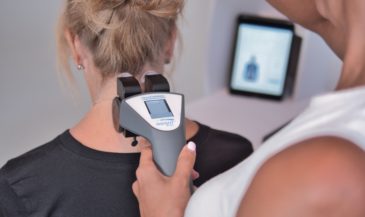
The INSiGHT neuroTECH combines three neurofunctional assessments: neuroPULSE (HRV), neuroCORE (sEMG), and neuroTHERMAL (Thermal). These tools provide a complete neural profile, offering insights into heart rate variability, muscle activity, and temperature changes along the spine. This comprehensive data helps chiropractors identify patterns of nerve interference, stress, and dysfunction.

Using Scanning Technology to Guide Care Plans

By integrating scanning technology into your practice, you can better understand your patients’ health challenges and track their progress. For example, the Synapse software helps chiropractors visualize scan results, making it easier to explain the significance of their findings to patients. The data collected can be used to adjust care plans, ensuring that each patient receives the most effective treatment for their specific needs.

Utilizing the CORESCORE for Data-Driven Care

The CORESCORE is a powerful clinical tool for making data-driven decisions in chiropractic care. It simplifies complex neurological data by consolidating information from multiple INSiGHT scans into a single, easy-to-understand score.

How the CORESCORE Enhances Monitoring of Nervous System Efficiency

By using the CORESCORE, you can provide patients with a clear picture of their nervous system’s health. The score reflects various factors, such as adaptability, muscle tone, and neural regulation, making it easier for both you and the patient to track progress over time. This objective measure adds credibility to your recommendations and helps patients understand the value of their ongoing care.

The Benefits of Data-Driven Decision-Making for Personalized Care

Data-driven care allows you to tailor your approach to each patient’s unique neurological profile. As the CORESCORE improves, you can show patients that their nervous system is becoming more efficient, which reinforces their commitment to their care plan. Using objective data to support your recommendations also builds trust, making patients more likely to follow through with your advice.

Enhancing Patient Engagement Through Education and Empowerment

Patient engagement is a key factor in achieving optimal health outcomes. When patients understand the role of chiropractic care in maintaining wellness and actively participate in their care plans, they are more likely to experience long-term benefits.

Educating Patients on the Connection Between the Nervous System and Overall Wellness

Explaining the link between the nervous system and overall health helps patients see why chiropractic care goes beyond pain relief. Use visual aids and personalized reports from INSiGHT scans to illustrate how spinal health affects other body systems. This educational approach empowers patients to take charge of their health and follow your recommendations with greater commitment.

Encouraging Active Patient Involvement

Engage patients by involving them in their care decisions. Ask questions, set goals together, and provide resources that they can use outside of the clinic, such as exercises, nutrition tips, or lifestyle recommendations. When patients feel like active participants in their care journey, they are more likely to comply with your advice and experience better outcomes.

Integrating Present Time Consciousness (PTC) Into Your Practice

Present Time Consciousness (PTC) is about being fully present during every patient interaction. This level of focus not only enhances communication but also helps build stronger relationships.

Techniques for Practicing PTC to Improve Patient Communication

To effectively practice PTC, start by eliminating distractions and giving patients your undivided attention. Make eye contact, actively listen to their concerns, and provide thoughtful responses. This approach shows that you value their time and are genuinely invested in their well-being.

Using PTC to Strengthen Relationships and Build Trust

When you consistently demonstrate PTC, patients feel more connected to you and confident in your care. This deep level of trust encourages them to stay committed to their treatment plans and makes them more likely to refer others to your practice.

Tracking Progress and Adjusting Care Plans for Optimal Health

Continuous monitoring of patient progress is essential for achieving the best health outcomes. Tracking tools like the CORESCORE and Synapse software help chiropractors assess changes in nervous system function and make necessary adjustments.

The Importance of Continuous Assessment

Regularly updating patients on their progress using objective measures keeps them informed and motivated. It also allows you to identify any changes in their health early on and adjust their care plans accordingly. This proactive approach ensures that treatment remains effective and aligned with each patient’s evolving needs.

Using Tools Like the CORESCORE and Synapse Software for Ongoing Monitoring

Leverage the data provided by INSiGHT scanning technology to make evidence-based adjustments to care plans. Whether it’s increasing the frequency of adjustments or adding new therapies, having objective data helps you make more informed decisions that optimize patient outcomes.

Promoting Family Chiropractic Care for Lifelong Wellness

Chiropractic care isn’t just for individuals experiencing discomfort; it’s beneficial for the entire family. Promoting chiropractic as a family-focused health strategy can support lifelong wellness.

Encouraging Chiropractic Care for All Ages

Chiropractic care benefits everyone, from newborns to seniors. Educate your patients about the advantages of early and preventive care for children, as well as the benefits of maintaining spinal health in older adults. This holistic approach can help families stay healthy and avoid issues before they become serious problems.

How Family-Focused Strategies Can Lead to Practice Growth

By encouraging family care, you not only support the health of your patients but also expand your practice. Families that see the benefits of chiropractic care for all members are more likely to stay loyal to your practice and refer others, leading to steady growth.

Transform Your Practice with Innovative Chiropractic Strategies

Implementing innovative chiropractic strategies can significantly improve patient outcomes and set your practice apart from the competition. By adopting a NERVE FIRST approach, integrating advanced tools like INSiGHT scanning, and focusing on continuous assessment, you create a comprehensive framework for optimizing health.

Let your practice be a leader in innovative chiropractic care. Use these strategies to enhance patient engagement, improve outcomes, and foster a culture of lifelong wellness in your clinic.

Take the Next Step to Enhance Your Practice

Are you ready to elevate your chiropractic practice? Discover how tools like INSiGHT scanning technology and the CORESCORE can help you improve communication and patient engagement.

Book a call with an INSiGHT Advisor today to learn how integrating these advanced tools can transform your patient interactions and take your practice to the next level. Start fostering stronger relationships and driving growth through effective chiropractic communication.
Get Started with INSiGHT Scanning

Take our Free Practice Strategy Assessment. A Personalized Guide and Expert Strategy Call to Help Determine How Scanning will Help you Grow
ABOUT THE AUTHOR

Dr. David Fletcher is actively involved in all aspects of innovation teaching and research connected to the INSiGHT™ scanning technologies. He is widely recognized for his ability to share his expertise in compelling and easy to understand ways.

Dr David is a renowned chiropractor who practiced for many years with his associates in a scan-centric thriving principled family-based practice in Toronto. He is a sought-after teacher mentor and keynote speaker who takes every opportunity to share the wisdom and the power of chiropractic as it is meant to be.

https://insightcla.com/wp-content/uploads/2022/07/david-1.png
Dr. David Fletcher
DC FRCCSS(C) – Founder & CEO CLA Inc.
LIKE THIS ARTICLE? HELP US SPREAD THE WORD

Be Seen. Be Heard. Be Certain

In today’s saturated healthcare market, chiropractors face an ongoing challenge: being visible. Discover key marketing tactics to ensure you can BE SEEN, BE HEARD, and BE CERTAIN in your practice!

Read these Next…

Get Informed

Join 23,121 other Chiropractors and receive topics covering day to day challenges of running your practice.

Building trust is essential for a successful chiropractic practice. It is the foundation that motivates patients to follow care plans, engage in their treatment, and achieve better health outcomes. When patients trust their chiropractor, they are more likely to stay committed to their wellness journey, refer others, and experience long-term benefits from their care. Developing trust requires intentional strategies that foster transparency, communication, and patient empowerment.

Consider trust as the glue that holds your patient relationships together. When you prioritize trust-building, you enhance every aspect of patient care, from the first interaction to the achievement of health goals. Let’s explore some proven techniques to foster trust in your chiropractic practice and strengthen patient relationships.

Why Trust is Essential in Chiropractic Care

Trust is vital in chiropractic care because it significantly impacts patient behavior and outcomes. When patients trust their chiropractor, they are more likely to follow recommended care plans, make lifestyle changes, and engage in their treatment. This trust can lead to faster recovery, reduced likelihood of relapse, and a higher level of patient satisfaction. Without trust, even the most skilled chiropractic care may not produce optimal results, as patients may not be fully committed to the process.

Moreover, trust influences the quality of the patient-practitioner relationship. When patients feel confident in their chiropractor’s abilities and judgment, they are more open to discussing their health concerns and goals. This open communication allows chiropractors to better understand each patient’s unique needs, resulting in a more personalized approach to care. Trust not only enhances individual outcomes but also contributes to long-term practice growth through patient retention and referrals.

Establishing Trust from the First Visit

The first visit is a crucial opportunity to establish trust. Making a strong first impression can set the tone for the entire patient relationship. Start by greeting patients warmly and taking the time to listen to their concerns. Show empathy and understanding, as this demonstrates that you value their experiences and are committed to helping them. Active listening and validating their feelings can significantly enhance the initial connection.

Using objective tools, such as INSiGHT scanning technology, during the first visit can further establish trust. When you show patients tangible evidence of their current health status, such as scan results, it reinforces the credibility of your care plan. Presenting objective data helps patients see the need for chiropractic adjustments and builds confidence in your approach. This transparency from the outset creates a foundation for a trusting relationship.

Using Objective Measures to Validate Patient Experiences

Objective data is a powerful tool for validating patient experiences and reinforcing the effectiveness of chiropractic care. When patients see measurable evidence of their progress, it adds credibility to the treatment plan. Tools like the CORESCORE allow you to present complex neurological data in a simplified, easy-to-understand format. This objective measure helps patients visualize the changes occurring in their nervous system, boosting their motivation to continue with care.

The use of objective measures can also address patients’ doubts or concerns about their progress. For example, if a patient feels their symptoms are not improving as quickly as they expected, showing them improvements in their CORESCORE can reassure them that positive changes are occurring on a neurological level. This validation builds trust and encourages patients to stay committed to their care plan.

Mastering Communication Techniques That Build Trust

Effective communication is a cornerstone of trust-building. The way you explain chiropractic concepts and present care plans can either strengthen or weaken patient trust. It’s important to use confident, yet empathetic, language that resonates with your patients. Avoid overly technical jargon; instead, break down complex information into simpler terms, using analogies or visual aids when appropriate. This approach ensures that patients understand the benefits and goals of their care.

Another key communication strategy is to practice Present Time Consciousness (PTC). Being fully present during patient interactions means actively listening, making eye contact, and responding to concerns with genuine attention. When patients feel that you are completely focused on them, it reassures them that their health is your top priority. PTC demonstrates respect for the patient’s time and fosters a stronger, trust-based connection.

Leveraging INSiGHT Scanning Technology to Support Trust-Building

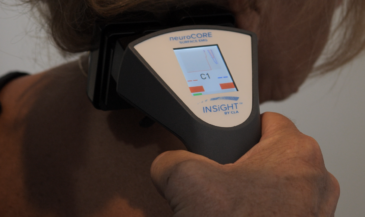
INSiGHT scanning technology is an invaluable tool for enhancing trust in your chiropractic practice. The INSiGHT neuroTECH combines three scanning technologies—neuroPULSE (HRV), neuroCORE (sEMG), and neuroTHERMAL (Thermal)—to create a comprehensive view of the patient’s neurological health. These scans provide objective evidence of nervous system changes, which can help validate your care recommendations.

Using tools like Synapse software and neuroLINK can further support trust-building efforts. These technologies allow you to visually connect scan results with a patient’s overall health, making it easier to explain the significance of the findings. Sharing this data during consultations or progress reviews shows patients the impact of their adjustments, reinforcing the effectiveness of your care and increasing their trust in the process.

Empowering Patients Through Education and Engagement

Educating patients about their health is a powerful way to build trust. When patients understand the role of the nervous system in overall wellness and how chiropractic adjustments can influence it, they are more likely to engage with their treatment plan. Use educational tools, such as visual aids or personalized reports generated from INSiGHT scans, to help patients grasp the connection between their spinal health and daily experiences.

Engagement goes beyond education; it involves encouraging patients to actively participate in their health journey. Provide resources for self-care, wellness tips, or exercises that patients can incorporate into their routines. When patients feel empowered to take control of their health, it fosters a sense of ownership and trust in your guidance. This collaborative approach makes patients more committed to their care plans and improves outcomes.

Addressing Patient Concerns and Setting Realistic Expectations

Addressing patient concerns with empathy and setting realistic expectations are critical for building and maintaining trust. Listen carefully to any worries or questions your patients have, and provide thoughtful, data-backed responses. Being transparent about what patients can expect from their care helps manage their expectations and prevents potential disappointment. Use objective data, such as CORESCORE results, to explain why certain goals or outcomes may take time to achieve.

Setting realistic goals is also important for reinforcing the value of ongoing care. Discuss the patient’s current state and what steps can be taken to reach their desired health outcomes. Make sure these goals are achievable and reassess them regularly based on scan data and patient feedback. When patients see that you are committed to adjusting the care plan as needed, it strengthens their trust in your expertise and the chiropractic process.

Strengthen Your Practice by Fostering Patient Trust

Implementing trust-building techniques in your chiropractic practice can lead to better patient outcomes, higher satisfaction, and a stronger reputation. By focusing on transparent communication, using objective measures, and actively addressing patient concerns, you create an environment where patients feel valued and confident in their care.

Let trust be the guiding force that enhances your patient relationships. Empower your patients to stay engaged in their health journey by providing care that is transparent, data-driven, and patient-focused.

Take the Next Step to Enhance Your Practice

Are you ready to elevate your chiropractic practice? Discover how tools like INSiGHT scanning technology and the CORESCORE can help you improve communication and patient engagement.

Book a call with an INSiGHT Advisor today to learn how integrating these advanced tools can transform your patient interactions and take your practice to the next level. Start fostering stronger relationships and driving growth through effective chiropractic communication.

Get Started with INSiGHT Scanning

Take our Free Practice Strategy Assessment. A Personalized Guide and Expert Strategy Call to Help Determine How Scanning will Help you Grow
ABOUT THE AUTHOR

Dr. David Fletcher is actively involved in all aspects of innovation teaching and research connected to the INSiGHT™ scanning technologies. He is widely recognized for his ability to share his expertise in compelling and easy to understand ways.

Dr David is a renowned chiropractor who practiced for many years with his associates in a scan-centric thriving principled family-based practice in Toronto. He is a sought-after teacher mentor and keynote speaker who takes every opportunity to share the wisdom and the power of chiropractic as it is meant to be.

https://insightcla.com/wp-content/uploads/2022/07/david-1.png
Dr. David Fletcher
DC FRCCSS(C) – Founder & CEO CLA Inc.
LIKE THIS ARTICLE? HELP US SPREAD THE WORD

Be Seen. Be Heard. Be Certain

In today’s saturated healthcare market, chiropractors face an ongoing challenge: being visible. Discover key marketing tactics to ensure you can BE SEEN, BE HEARD, and BE CERTAIN in your practice!

Read these Next…