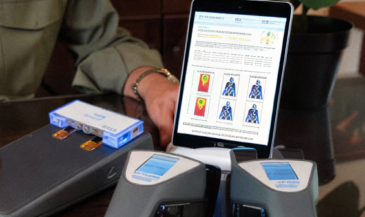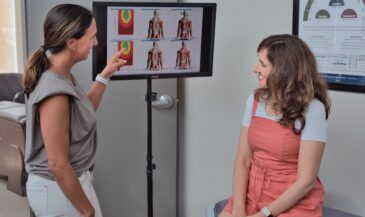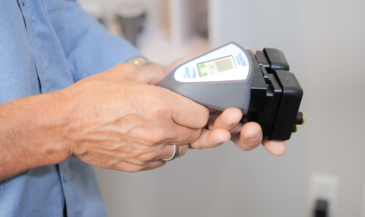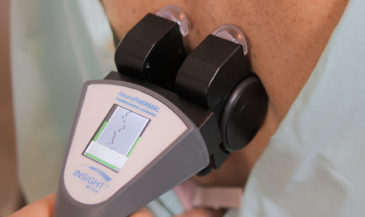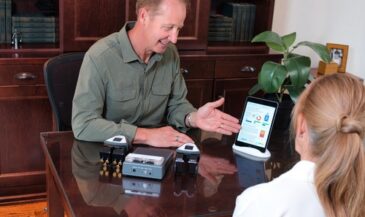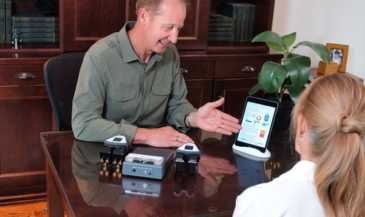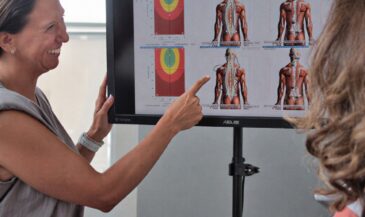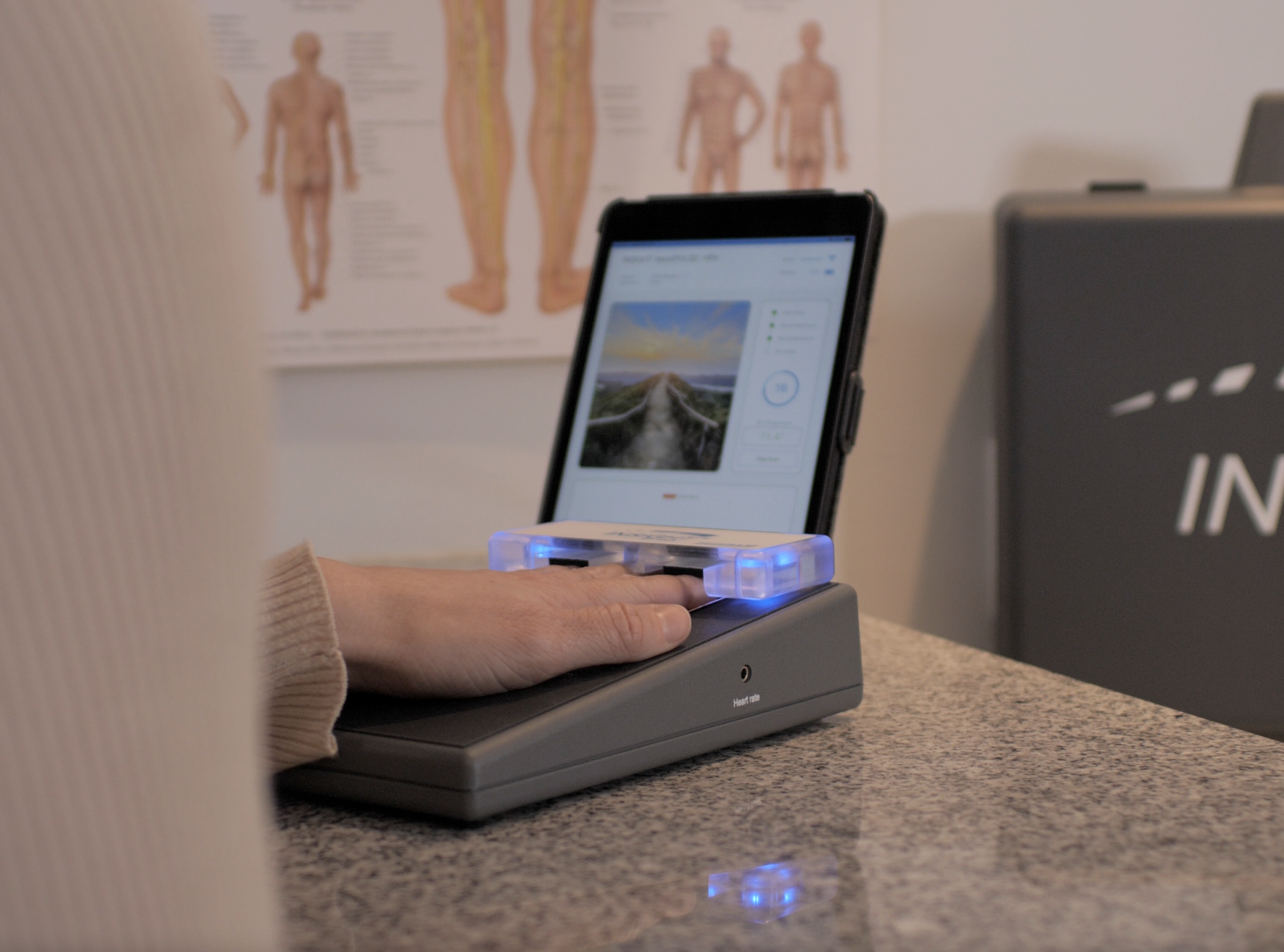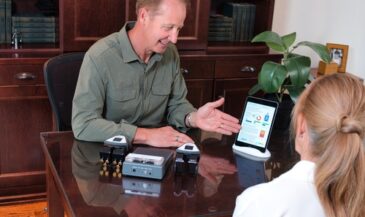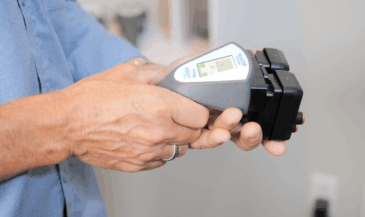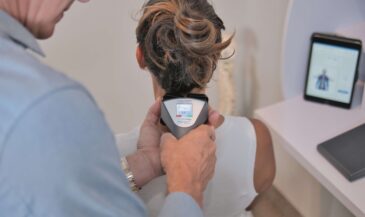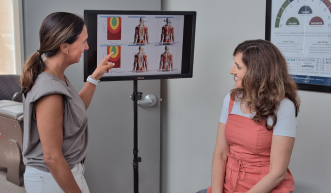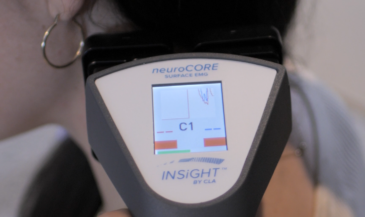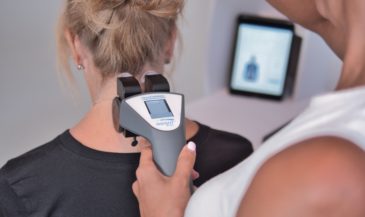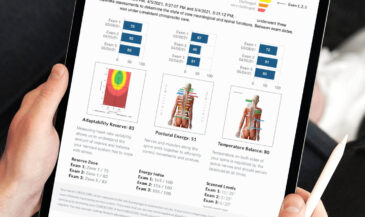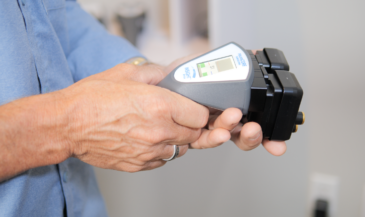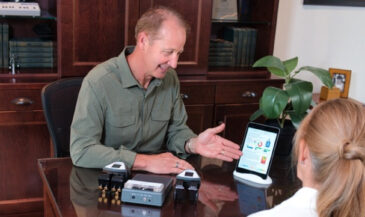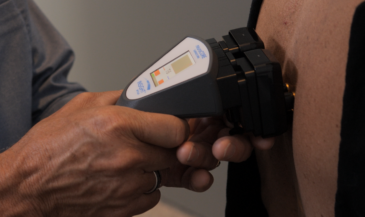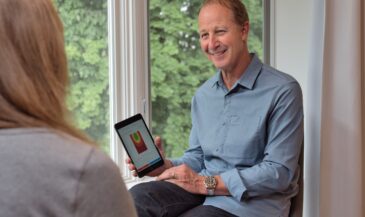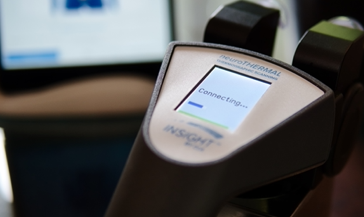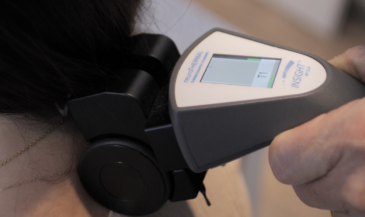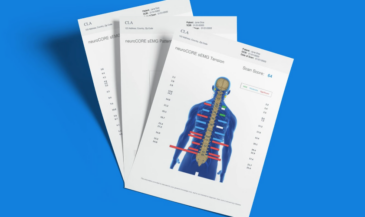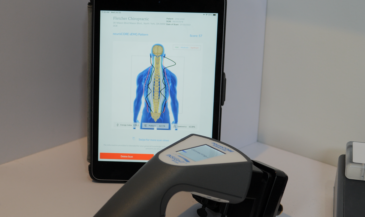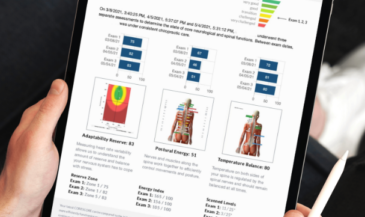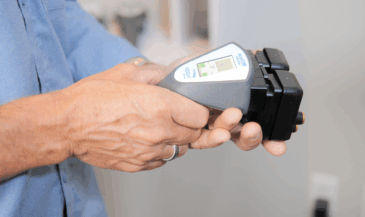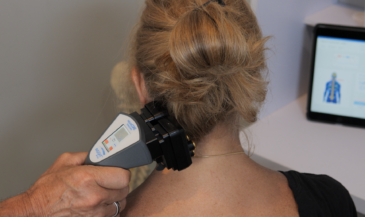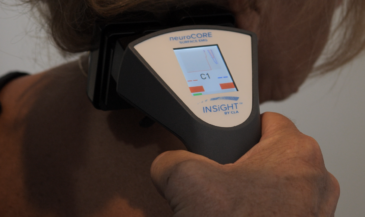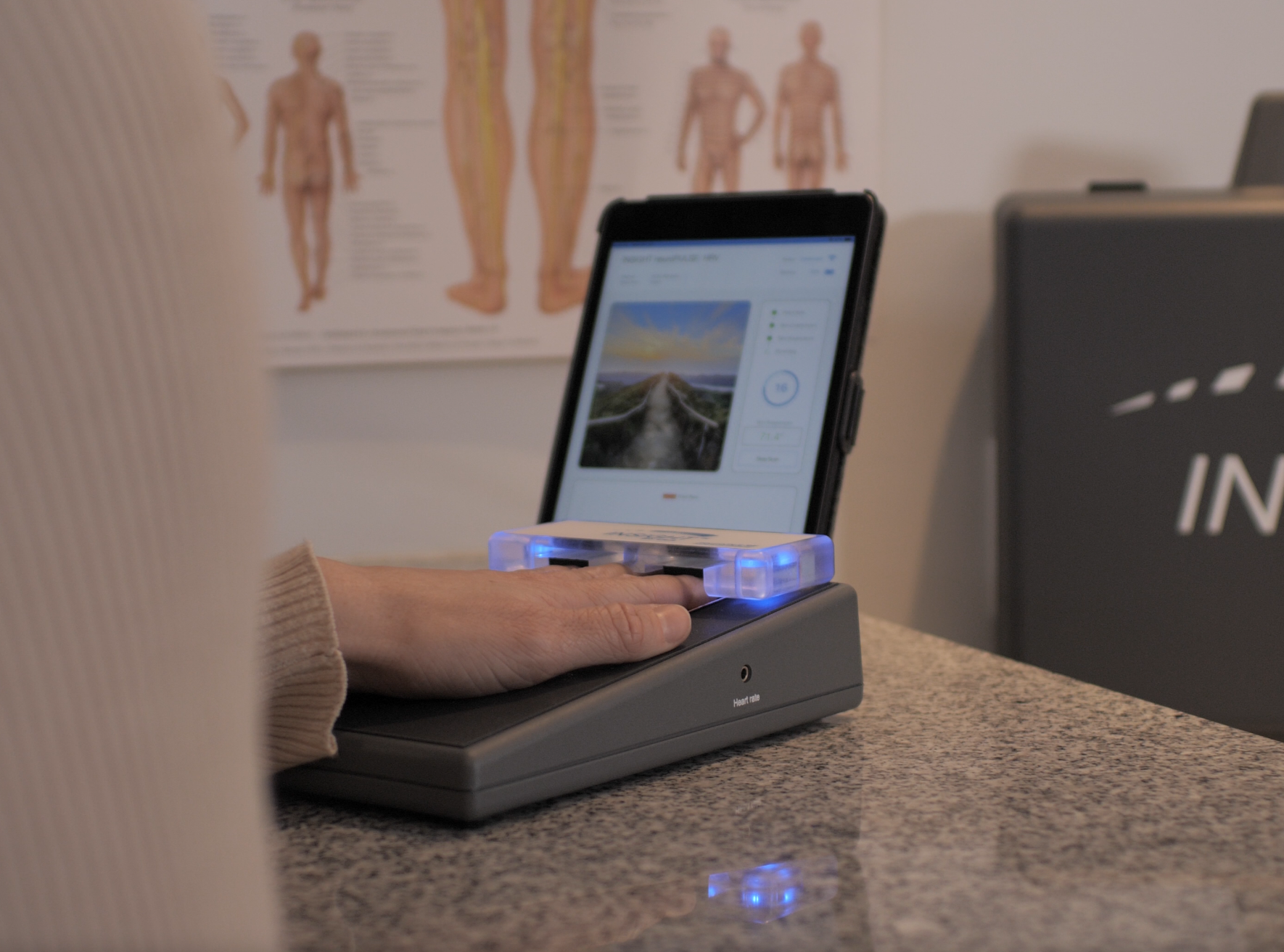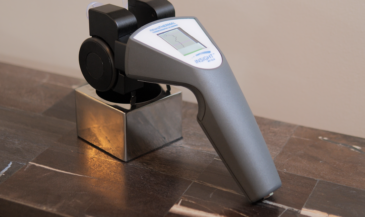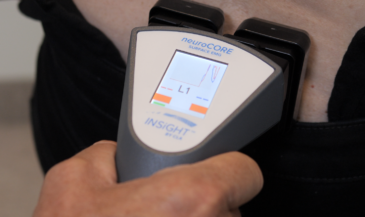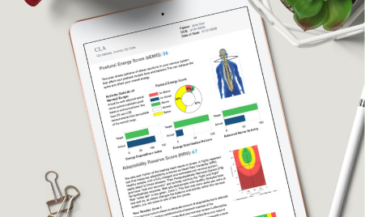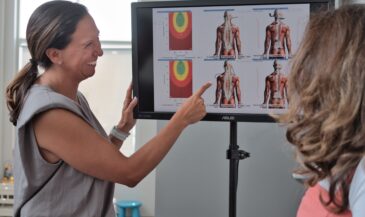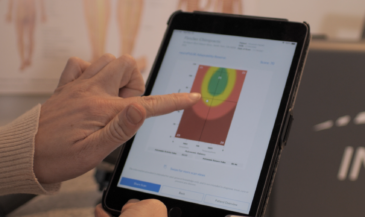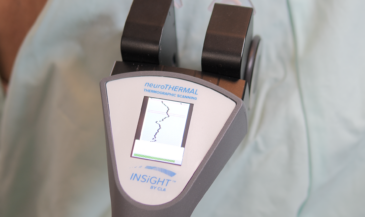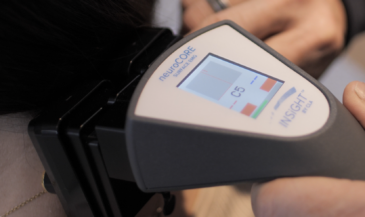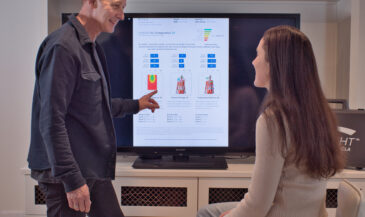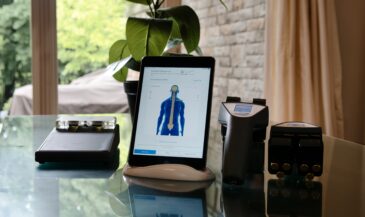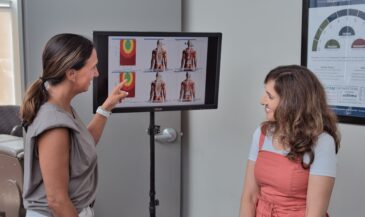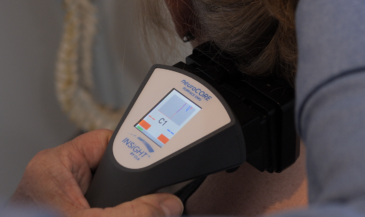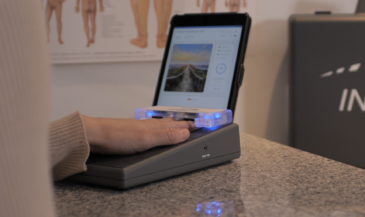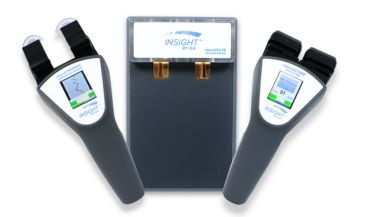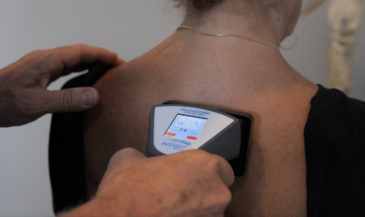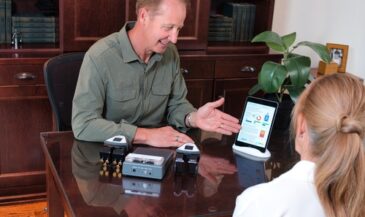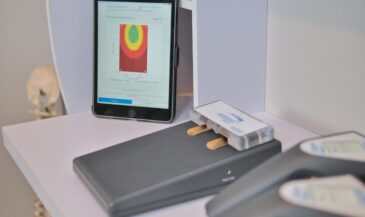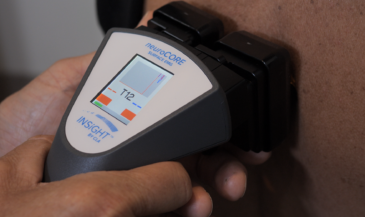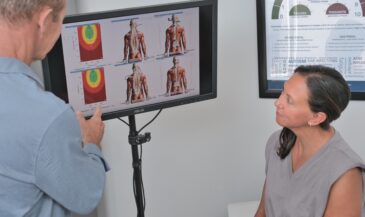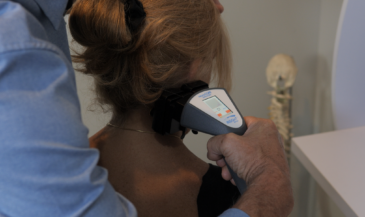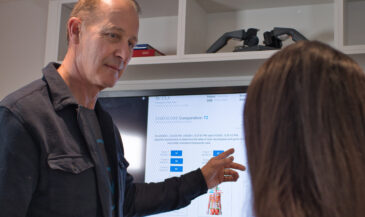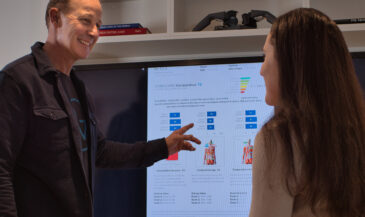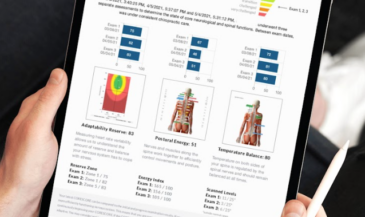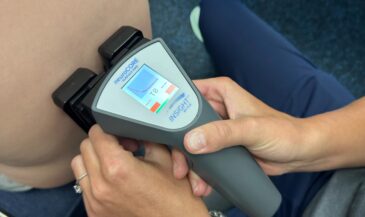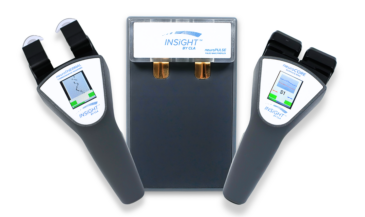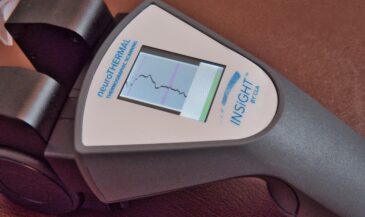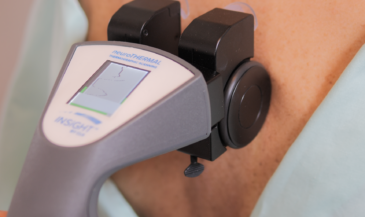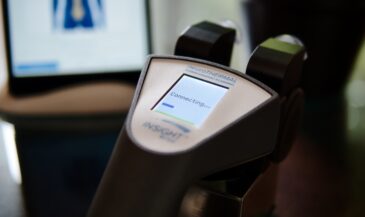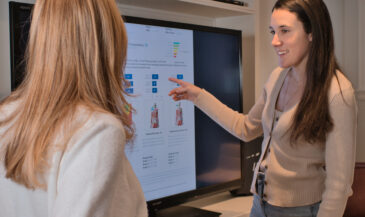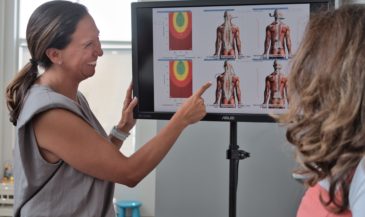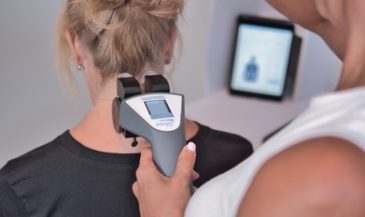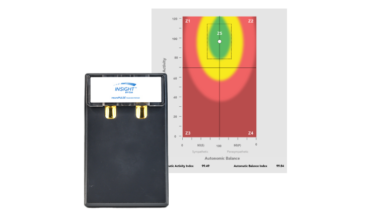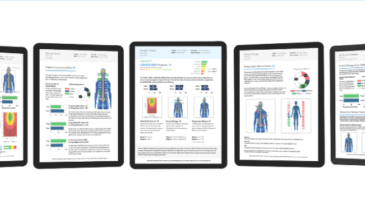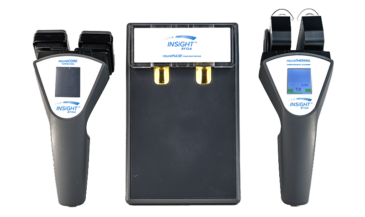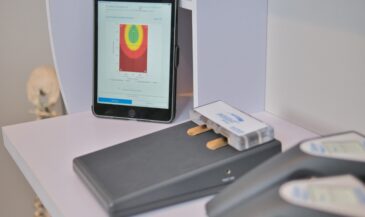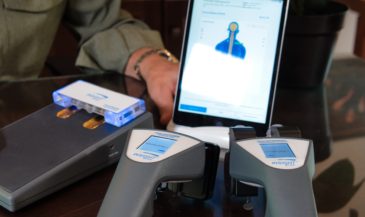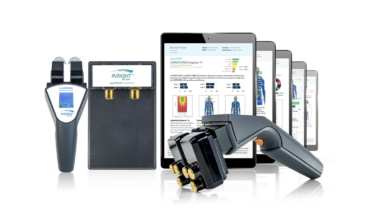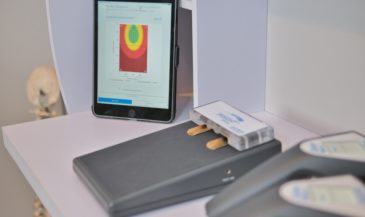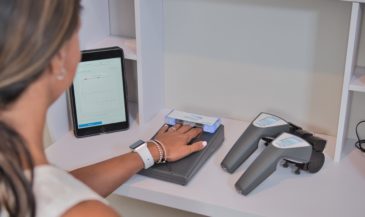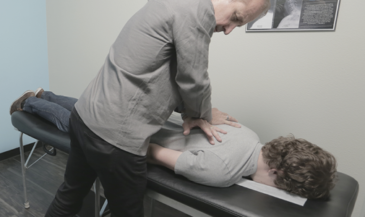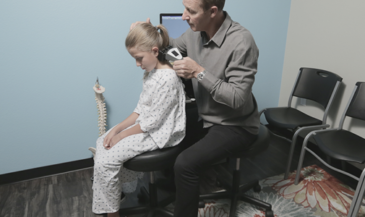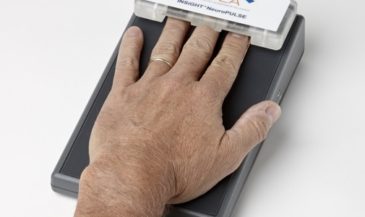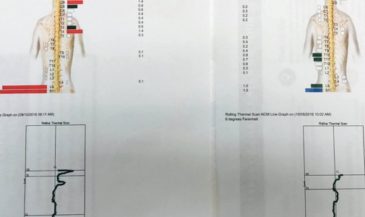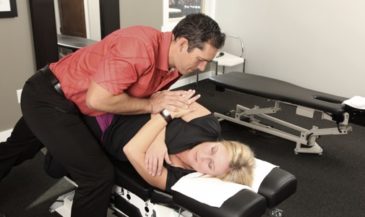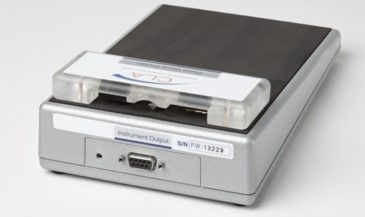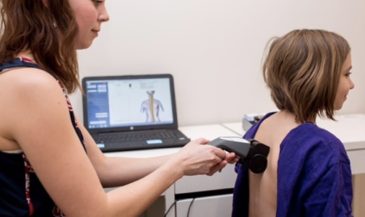
Neurological scans have revolutionized chiropractic care by providing objective, measurable insights into how the nervous system functions. By combining tools and analyses like surface electromyography (sEMG), skin temperature differentials, and heart rate variability (HRV), chiropractors can move beyond subjective assessments to deliver data-driven care. CLA’s INSiGHT neuroTECH combines these three instruments, providing the chiropractor with an advanced neurofunctional approach in their examinations and subsequent reporting.  

Christopher Kent, DC, JD, published a paper in November 2024 titled “Assessment of Somatic and Autonomic Nervous System Changes Associated with Vertebral Subluxation,” that delves into the science behind these tools, making a compelling case for their integration into modern chiropractic practices.

Click here to download our compilation of all publications supporting neurological scanning technology!

The Role of Neurological Scans in Chiropractic

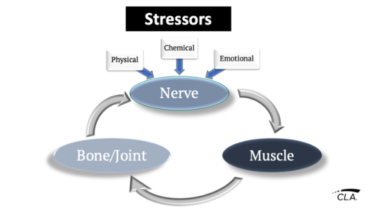
Vertebral subluxations affect more than just the spine; they disrupt nervous system function. Kent’s paper highlights how subluxations lead to dysafferentation (altered sensory input), dyskinesia (movement dysfunction), dysponesis (abnormal muscle activity), and dysautonomia (autonomic imbalances). Traditional tools like X-rays provide a structural view of the spine but cannot measure these functional impacts. This is where neurological scans excel, offering insights into the nervous system’s role in overall health.

Surface Electromyography (sEMG): Measuring Muscle Activity

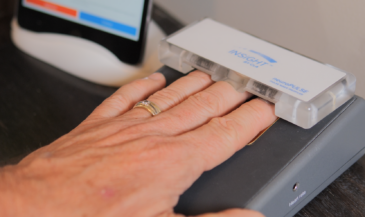
sEMG measures the electrical activity in paraspinal muscles, revealing patterns of overactivity or weakness that correlate with subluxations. Unlike needle electromyography, sEMG is non-invasive, painless, and ideal for routine use in chiropractic care.

Scientific Validation

Kent’s paper underscores the reliability of sEMG, citing studies that demonstrate high test-retest consistency with correlation coefficients ranging from 0.73 to 0.97. These findings validate sEMG as a dependable tool for:

  • Identifying Problem Areas: Pinpointing specific regions of muscular imbalance caused by subluxations.
  • Tracking Progress: Showing measurable changes in muscle activity after adjustments.
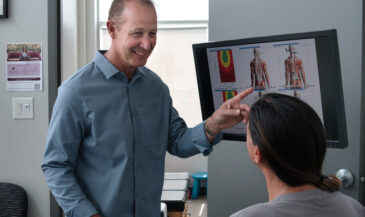
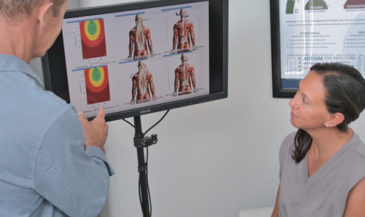
  • Enhancing Communication: Providing visual, objective data that patients can easily understand.

sEMG data also helps chiropractors refine their care plans, ensuring adjustments address the root causes of dysfunction.

Skin Temperature Differentials: Mapping Autonomic Imbalances

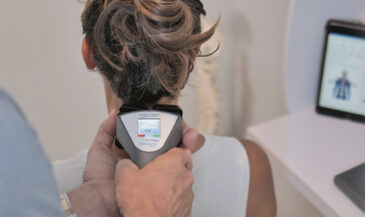
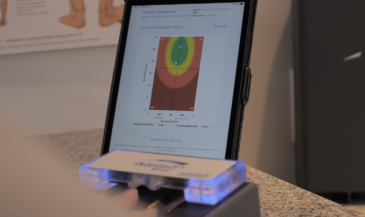
Skin temperature analysis uses paraspinal infrared technology to measure temperature differentials along the spine, reflecting autonomic nervous system activity. Kent’s research explains how subluxations disrupt autonomic function, leading to temperature asymmetries that signal nervous system imbalances.

Key Findings

  • Thermal Patterns: Healthy nervous systems exhibit dynamic, adaptable temperature patterns, while fixed patterns often indicate chronic issues. 
  • Reliability: Modern infrared thermography systems achieve reproducibility rates as high as 0.95, making them suitable for clinical use.
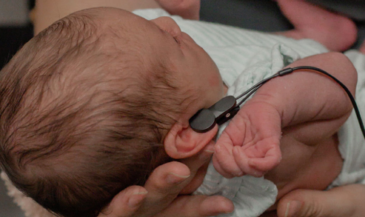
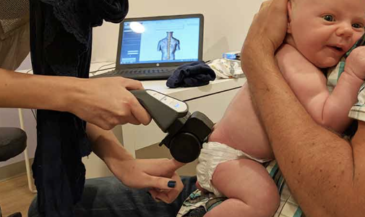
  • Practical Application: Chiropractors can use these scans to validate adjustments and monitor long-term patient progress. Thermal scanning is an excellent assessment approach for all ages, from newborns to seniors.

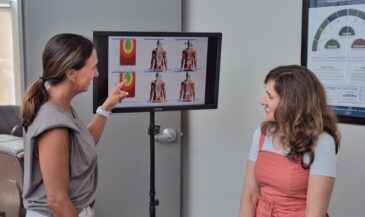
Kent underscores that thermal scanning is  not only valid and reliable  but also a powerful communication approach. They provide visual proof of autonomic changes, which helps patients grasp the importance of consistent care.

Heart Rate Variability (HRV): Gauging Stress and Adaptability

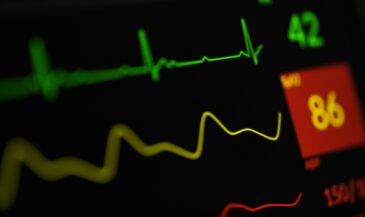
HRV measures the time intervals between heartbeats, offering insights into autonomic nervous system balance. A healthy nervous system shows high HRV, while stress or dysfunction leads to lower HRV.

Research Insights

Kent’s paper highlights HRV as a critical tool for:

HRV has applications beyond chiropractic, including stress management, cardiovascular health, and fitness tracking, but its integration into chiropractic care is especially impactful for showcasing functional improvements.

The Science of Reliable Measurements

Consistency is key when using neurological scans in practice. Kent’s paper provides extensive evidence of the reliability of these tools:

  • sEMG: Demonstrates excellent inter- and intra-examiner reliability, making it a cornerstone of chiropractic diagnostics.
  • Thermal Scans: Infrared systems provide highly reproducible data, ensuring consistency across visits.
  • HRV: Offers robust metrics through time-domain and frequency-domain analyses, enabling precise assessments of autonomic function.

These reliable measurements build patient trust by providing consistent results that validate the effectiveness of care.

The Practical Integration of Neurological Scans

Integrating these tools into everyday chiropractic practice is straightforward and impactful. Kent’s research suggests the following approaches:

  • Baseline Scans: Perform scans during initial consultations to establish a functional starting point.
  • Regular Monitoring: Schedule follow-up scans every 4-6 visits to track progress and refine care plans.
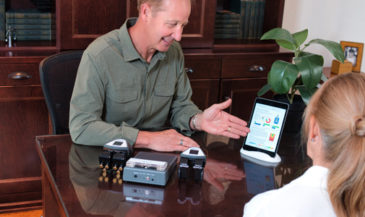
  • Patient Education: Use scan data to explain the significance of subluxations and the importance of ongoing care.

These strategies enhance diagnostic precision, improve patient engagement, and foster long-term trust.

The Function-First Chiropractic Paradigm

Kent’s research advocates for a shift from structure-focused to function-first chiropractic care. This approach prioritizes optimizing nervous system function to improve overall health, aligning chiropractic practices with modern scientific insights.

By addressing the root causes of dysfunction, chiropractors can move beyond symptom management to deliver comprehensive, life-changing care. This shift also positions chiropractic as an integral part of holistic health strategies.

The Scientific Future of Chiropractic Care

Neurological scans are reshaping chiropractic care by providing scientifically validated tools to assess and optimize nervous system function. Kent’s research highlights the profound impact of sEMG, skin temperature analysis, and HRV on improving diagnostic accuracy, patient communication, and care outcomes.

By embracing these tools, chiropractors can elevate their practice and deliver care that is not only measurable but also transformative. The science is clear: the future of chiropractic care lies in understanding and enhancing the nervous system.

Get Started with INSiGHT Scanning

Take our Free Practice Strategy Assessment. A Personalized Guide and Expert Strategy Call to Help Determine How Scanning will Help you Grow
ABOUT THE AUTHOR

Dr. David Fletcher is actively involved in all aspects of innovation teaching and research connected to the INSiGHT™ scanning technologies. He is widely recognized for his ability to share his expertise in compelling and easy to understand ways.

Dr David is a renowned chiropractor who practiced for many years with his associates in a scan-centric thriving principled family-based practice in Toronto. He is a sought-after teacher mentor and keynote speaker who takes every opportunity to share the wisdom and the power of chiropractic as it is meant to be.

https://insightcla.com/wp-content/uploads/2022/07/david-1.png
Dr. David Fletcher
DC FRCCSS(C) – Founder & CEO CLA Inc.
LIKE THIS ARTICLE? HELP US SPREAD THE WORD

Be Seen. Be Heard. Be Certain

In today’s saturated healthcare market, chiropractors face an ongoing challenge: being visible. Discover key marketing tactics to ensure you can BE SEEN, BE HEARD, and BE CERTAIN in your practice!

Read these Next…

Get Informed

Join 23,121 other Chiropractors and receive topics covering day to day challenges of running your practice.

When it comes to chiropractic care, you’ve probably heard the phrase, “The spine is the key to the nervous system.” But what does that really mean, and how do you track its health? How do you measure whether the spine is causing stress, tension, or dysfunction in the nervous system?

Neurological scanning technology is the answer. With the right tools, chiropractors can evaluate the function of the nervous system in real-time. By integrating neuroPULSE, neuroCORE, and neuroTHERMAL, you get data that shows exactly what’s going on inside the body. This is not just about making adjustments—it’s about creating personalized, data-backed care plans that deliver real results for your patients.

Let’s explore how neurological scanning technology is revolutionizing chiropractic diagnosis and care.

What is Neurological Scanning Technology?

Neurological scanning technology refers to a set of tools used to assess the function of the nervous system. These tools provide chiropractors with detailed, objective data that helps identify nerve interference, spinal stress, and overall nervous system function.

The INSiGHT neuroTECH suite is a perfect example of this. It combines several cutting-edge tools that work together to give chiropractors a complete picture of a patient’s health:

These scans allow chiropractors to move beyond guesswork and subjective symptoms, giving them reliable data that can be used to guide care decisions.

Why is Neurological Scanning Important for Chiropractic Diagnosis?

As a chiropractor, your goal is to improve the function of your patients’ nervous systems. But how do you know what’s happening beneath the surface? Neurological scanning technology gives you the ability to measure and track nervous system function in real-time.

Here’s how it can improve your diagnostic accuracy:

  • Objective Data: Rather than relying on a patient’s subjective complaints, scans give you measurable data that shows exactly how the nervous system is functioning.
  • Identify Nerve Interference: Surface EMG can show areas where nerves are being irritated, helping you target adjustments more effectively.
  • Track Progress: With the neuroPULSE (HRV) and neuroTHERMAL scans, you can show your patients how their nervous system is adapting and healing over time.

This technology takes chiropractic diagnosis to the next level, helping you deliver more personalized, effective care.

How Neurological Scanning Technology Improves Patient Outcomes

Neurological scanning isn’t just about collecting data—it’s about using that data to improve patient care. When you track nervous system function with tools like neuroPULSE, neuroCORE, and neuroTHERMAL, you get real-time insight into how adjustments are working.

Here’s why it leads to better outcomes:

  • Personalized Care Plans: Scans help you create tailored care plans based on how the nervous system is actually functioning, not just what the patient feels.
  • Faster Recovery: By identifying areas of interference early on, you can address them before they lead to bigger issues.
  • Better Communication: Patients appreciate seeing tangible proof that their chiropractic care is making a difference. Thermal scans and HRV readings give them a clear, visual way to understand their progress.

With these tools, chiropractic becomes more than just an adjustment—it becomes a comprehensive health strategy for improving nervous system function and overall wellness.

Why Is It Crucial to Assess Nervous System Health in Chiropractic Care?

The nervous system controls every function in the body—from heart rate to digestion to immune response. If the nervous system isn’t working properly, the entire body suffers.

Neurological scanning technology gives you the ability to assess how well the nervous system is functioning and whether it’s under stress. Thermal scans and HRV assessments give a clear picture of the body’s stress response and ability to recover. By addressing areas of dysfunction early, chiropractic care helps to optimize nervous system health and prevent future problems.

The best part? Scans make these invisible processes visible, so patients understand that their care isn’t just about relieving pain—it’s about improving the function of their body as a whole.

How to Integrate Neurological Scanning Technology Into Your Practice

Adding neurological scanning technology into your practice is easier than you think. Here’s how you can start:

  1. Invest in reliable tools: Get your hands on INSiGHT neuroTECH scanning tools like the neuroPULSE, neuroCORE, and neuroTHERMAL. These tools will provide you with comprehensive, reliable data.
  2. Integrate it into your exams: Use neurological scans during initial exams and progress checks to track how your patients’ nervous systems are responding to care.
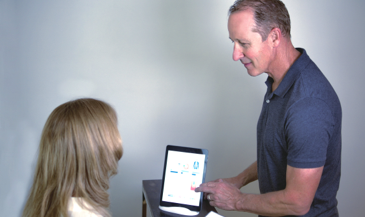
  3. Educate your patients: Show them the data. Explain how their nervous system is functioning and how chiropractic care is improving it. When patients see real results, they’ll stay engaged in their care.

By using neurological scanning technology, you’re not only improving your patients’ outcomes—you’re building a practice that’s grounded in science, trust, and measurable success.

FAQs About Neurological Scanning Technology

What is the role of neuroPULSE in chiropractic care?
The neuroPULSE measures heart rate variability (HRV) to assess the autonomic nervous system’s ability to handle stress. It’s used to track how well the nervous system is recovering and adapting to stress over time.

How does neuroCORE help in diagnosis?
The neuroCORE uses surface EMG to measure muscle activity along the spine, revealing areas of tension, fatigue, or imbalance caused by nerve interference. This helps chiropractors focus on the most critical areas during treatment.

What does neuroTHERMAL scan reveal?
The neuroTHERMAL scans detect temperature imbalances along the spine, which indicate stress or dysfunction in the nervous system. These scans help chiropractors find areas of deep nerve interference that could be affecting other systems in the body.

Are these scans safe for all patients?
Yes, neurological scanning technology is non-invasive, safe, and suitable for patients of all ages. There’s no radiation involved, and the process is quick and comfortable.

How often should neurological scans be used in chiropractic care?
It’s best to use neurological scans regularly—especially during progress visits or when tracking long-term care. This allows chiropractors to track improvements and adjust care plans as needed.

The Future of Chiropractic Diagnosis

Neurological scanning technology is the future of chiropractic care. By embracing tools like the neuroPULSE, neuroCORE, and neuroTHERMAL, you’re giving yourself the ability to provide more precise, effective care.

This technology allows you to measure what was once invisible and track the improvements in your patients’ nervous systems. It’s time to move beyond subjective symptoms and make data-driven decisions that improve patient outcomes and grow your practice.

Book a call with an INSiGHT Advisor today to learn how you can bring this transformative technology into your chiropractic clinic so you can lead your patients on a journey toward optimal health and wellness.

Get Started with INSiGHT Scanning

Take our Free Practice Strategy Assessment. A Personalized Guide and Expert Strategy Call to Help Determine How Scanning will Help you Grow
ABOUT THE AUTHOR

Dr. David Fletcher is actively involved in all aspects of innovation teaching and research connected to the INSiGHT™ scanning technologies. He is widely recognized for his ability to share his expertise in compelling and easy to understand ways.

Dr David is a renowned chiropractor who practiced for many years with his associates in a scan-centric thriving principled family-based practice in Toronto. He is a sought-after teacher mentor and keynote speaker who takes every opportunity to share the wisdom and the power of chiropractic as it is meant to be.

https://insightcla.com/wp-content/uploads/2022/07/david-1.png
Dr. David Fletcher
DC FRCCSS(C) – Founder & CEO CLA Inc.
LIKE THIS ARTICLE? HELP US SPREAD THE WORD

Be Seen. Be Heard. Be Certain

In today’s saturated healthcare market, chiropractors face an ongoing challenge: being visible. Discover key marketing tactics to ensure you can BE SEEN, BE HEARD, and BE CERTAIN in your practice!

Read these Next…

Get Informed

Join 23,121 other Chiropractors and receive topics covering day to day challenges of running your practice.

Chiropractic care is about much more than manipulating spines and alleviating pain, it’s about helping the body function at its peak. So how do you prove the effectiveness of your care beyond just anecdotal evidence? The answer: neurological scanning technology.

With the help of INSiGHT scanning technology, chiropractors can provide measurable, objective data that shows real improvement in patients’ nervous system health. This technology doesn’t just track symptoms—it reveals how the nervous system is adapting, healing, and responding to adjustments. Ready to see how neurological scanning can change the way you care for patients? Let’s get into it.

What is Neurological Scanning Technology in Chiropractic?

Neurological scanning technology involves using advanced tools to assess the nervous system’s function, efficiency, and adaptability. In chiropractic, this technology is primarily used to detect nerve interference, measure stress on the nervous system, and track how well the body is recovering.

With tools like neuroPULSE, neuroCORE, and neuroTHERMAL, chiropractic care moves beyond the subjective complaints of pain or discomfort. Instead, it focuses on the root cause: nervous system function.

These scans help chiropractors understand how stress, alignment, and suboptimal nerve function are affecting their patients’ health, allowing for more targeted and personalized care.

How INSiGHT Scanners Improve Diagnosis and Treatment

One of the biggest challenges in chiropractic is diagnosing issues that can’t be seen or felt. That’s where INSiGHT scanning technology steps in. Here’s how it works:

  • neuroPULSE measures heart rate variability (HRV) to assess how well the nervous system is managing stress and recovering.
  • neuroCORE uses surface EMG to measure muscle activity, helping to pinpoint areas of tension caused by nerve interference.
  • neuroTHERMAL detects temperature differences along the spine to reveal deeper nervous system stress, affecting not just muscles but organs and glands.

Together, these tools create a comprehensive view of a patient’s nervous system, allowing chiropractors to identify problem areas and track improvements over time. This results in better, more effective care plans.

Why Objective Data Leads to Better Patient Outcomes

Patients often come to chiropractors for relief from pain, but they don’t always understand the underlying causes. Neurological scanning bridges this gap by providing objective data that shows how their nervous system is functioning.

By using tools like the neuroPULSE, chiropractors can track HRV and assess how well the nervous system is recovering and adapting. The neuroCORE and neuroTHERMAL tools further help to identify areas of muscle tension and nerve stress. This real-time data can:

  • Pinpoint the root causes of dysfunction
  • Show how chiropractic care is improving nervous system health
  • Track progress in a way patients can visually see and understand

With clear, measurable data, patients are more likely to stick with their care plan and see real improvements over time.

How Neurological Scans Help Track Progress

One of the biggest advantages of neurological scanning technology is its ability to track changes in nervous system function over time. Instead of relying on subjective reports from patients, chiropractors can use scans to show exactly how the body is responding to adjustments.

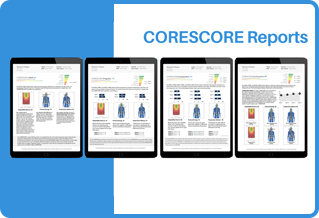
The CORESCORE™, which combines data from neuroPULSE, neuroCORE, and neuroTHERMAL, is a great example of how this works. It provides a simple, visual score that tracks nervous system health and performance.

When patients see their CORESCORE™ improving, they can directly associate the results with their care, building trust and confidence in chiropractic. This not only improves patient outcomes but also increases retention and referrals.

Why Patients Stay Engaged with Scans

Keeping patients engaged is one of the hardest parts of chiropractic care. As soon as their symptoms improve, they may stop coming in, not understanding that true wellness goes beyond symptom relief.

This is where neurological scans help you communicate the value of ongoing care.

  • Visible results: When patients see progress in their CORESCORE™, it reinforces the idea that chiropractic care isn’t just about getting rid of pain—it’s about improving nervous system function and long-term health.
  • Tracking progress: Scans give you the data to show improvements, which keeps patients motivated and committed.
  • Building trust: When patients see the changes in real-time, they understand that the adjustments are making a significant, measurable impact.

By showing patients how their nervous system is improving, you’re giving them a reason to stay committed to their care plan and share their positive experiences with others.

FAQs About Neurological Scanning Technology

What does a neurological scan measure?
A neurological scan assesses the function and health of the nervous system, measuring things like heart rate variability (HRV), muscle activity, and temperature imbalances along the spine to detect nerve interference.

How do HRV and the CORESCORE™ relate to each other?
The HRV scan measures the adaptability of the autonomic nervous system, while the CORESCORE™ is a comprehensive report that combines data from multiple scans, including HRV, surface EMG, and thermal scanning, to give an overall score of a patient’s nervous system health.

Is neurological scanning safe for patients?
Yes, neurological scans are completely non-invasive and safe for patients of all ages. They don’t involve radiation or discomfort, and they provide valuable insights into nervous system function.

Can chiropractic adjustments improve a patient’s CORESCORE™?
Yes, chiropractic adjustments are designed to improve the functioning of the nervous system, which can result in higher CORESCORE™ values over time. This shows the patient’s body is adapting and responding well to the care.

The Bottom Line: Why Neurological Scanning is a Must for Chiropractors

Neurological scanning technology is not just a luxury—it’s a necessity for modern chiropractic care. With tools like the neuroPULSE, neuroCORE, and neuroTHERMAL, you can provide real-time, objective data that shows how your adjustments are improving nervous system function and overall health.

This technology improves patient outcomes by giving you clear data to guide your care, tracking progress to keep patients engaged, and building trust with every visit.

Chiropractic isn’t just about fixing problems—it’s about optimizing the body’s ability to function at its best. And neurological scanning makes that process clearer and more effective than ever.

Discover the Future of Chiropractic Care

Are you ready to revolutionize your practice and provide unparalleled patient care? Integrate INSiGHT scanning technology and experience the difference it makes.

Book a call with an INSiGHT Advisor today to learn how you can bring this transformative technology into your chiropractic clinic so you can lead your patients on a journey toward optimal health and wellness.

Get Started with INSiGHT Scanning

Take our Free Practice Strategy Assessment. A Personalized Guide and Expert Strategy Call to Help Determine How Scanning will Help you Grow
ABOUT THE AUTHOR

Dr. David Fletcher is actively involved in all aspects of innovation teaching and research connected to the INSiGHT™ scanning technologies. He is widely recognized for his ability to share his expertise in compelling and easy to understand ways.

Dr David is a renowned chiropractor who practiced for many years with his associates in a scan-centric thriving principled family-based practice in Toronto. He is a sought-after teacher mentor and keynote speaker who takes every opportunity to share the wisdom and the power of chiropractic as it is meant to be.

https://insightcla.com/wp-content/uploads/2022/07/david-1.png
Dr. David Fletcher
DC FRCCSS(C) – Founder & CEO CLA Inc.
LIKE THIS ARTICLE? HELP US SPREAD THE WORD

Be Seen. Be Heard. Be Certain

In today’s saturated healthcare market, chiropractors face an ongoing challenge: being visible. Discover key marketing tactics to ensure you can BE SEEN, BE HEARD, and BE CERTAIN in your practice!

Read these Next…