
Let’s call it what it is—focusing on symptoms is short-sighted. Patients walk into your practice looking for relief, but relief is temporary unless you address the root cause: how their body adapts to stress.
Chiropractic care isn’t just about fixing what hurts; it’s about helping the nervous system adapt, recover, and thrive. When chiropractors shift the focus from symptom management to stress adaptation, patients don’t just feel better—they function better.
What Is Stress Adaptation in Chiropractic?
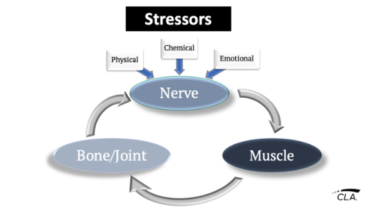
Stress adaptation is how well the nervous system adjusts to the challenges of everyday life. Whether it’s physical, emotional, or chemical stress, the nervous system is constantly working to maintain balance.
Here’s the problem: when stress overwhelms the system, it leads to nerve interference, reduced adaptability, and eventually symptoms. That’s why chiropractors need to assess and improve stress adaptation, not just treat symptoms as they appear.
The Problem with Symptom-Based Care
Symptom-based care is like putting a Band-Aid on a deeper problem. Sure, it might make patients feel better temporarily, but it doesn’t address the underlying issue.
Here’s why focusing on symptoms falls short:
- It’s reactive: You’re treating what’s already gone wrong instead of preventing future problems.
- It misses the bigger picture: Symptoms are often the last thing to show up when the nervous system is under stress.
- It doesn’t build long-term trust: Patients may feel better for a while, but when symptoms return, they’ll question whether the care worked.
When you shift the narrative to stress adaptation, you’re no longer chasing symptoms—you’re empowering patients to achieve lasting health.
Why Stress Adaptation Should Be Your Focus
When you focus on stress adaptation, you’re addressing the root of the problem: how well the nervous system is functioning.
Here’s why this approach is a game-changer:
- It improves nervous system performance: By removing nerve interference, you help patients adapt better to the stresses of daily life.
- It prevents future issues: A resilient nervous system is less likely to develop chronic problems or recurring symptoms.
- It shifts the conversation: Patients start seeing chiropractic care as essential for overall health, not just pain relief.
Focusing on stress adaptation isn’t just better for patients—it’s better for your practice.
How to Assess Stress Adaptation in Patients
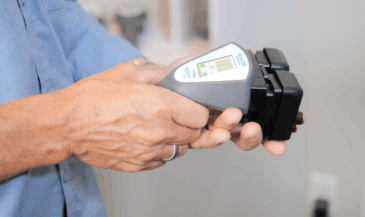
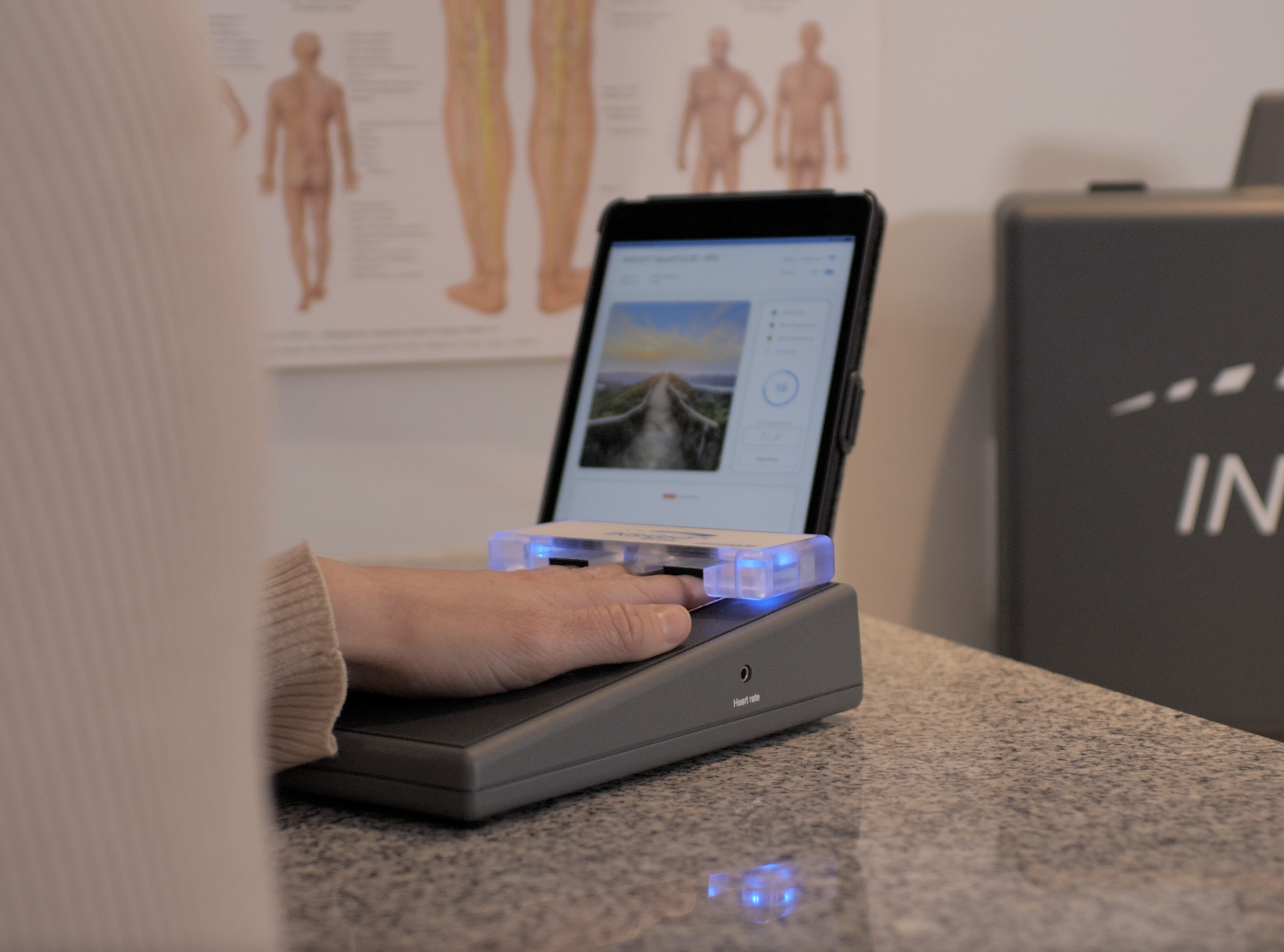
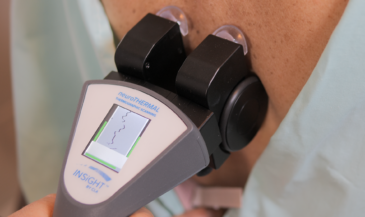
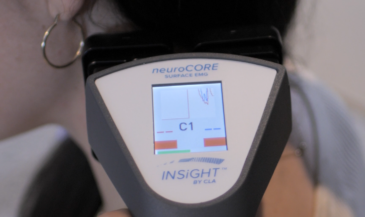
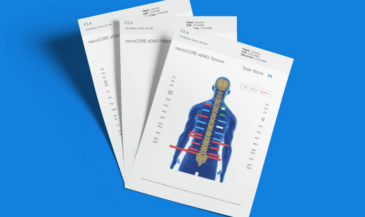
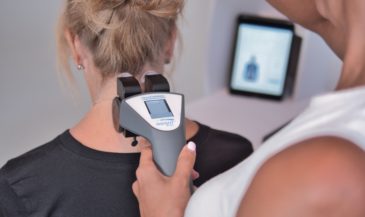
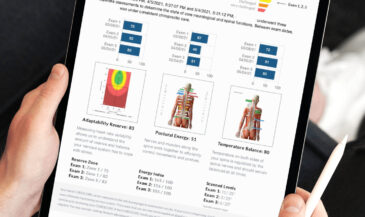
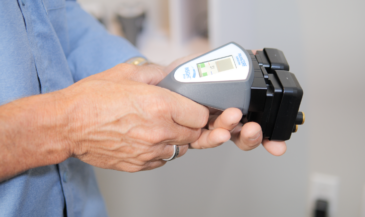
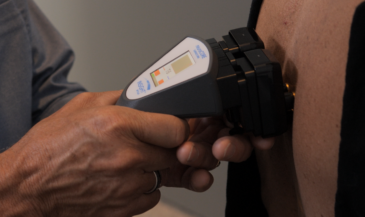
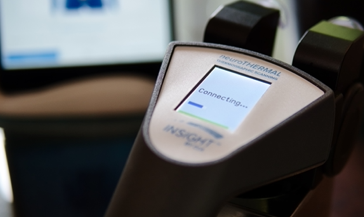
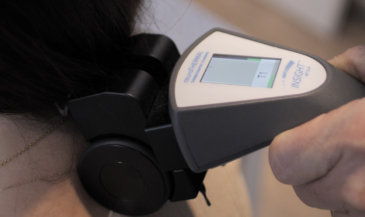
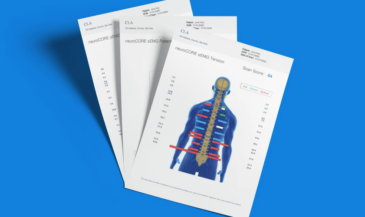
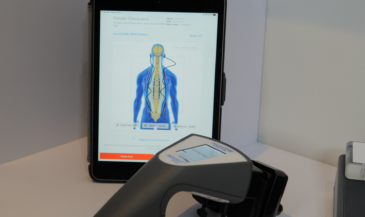
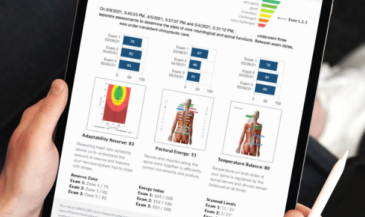
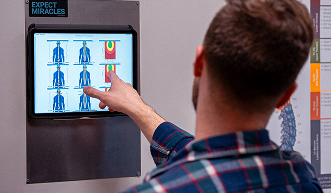
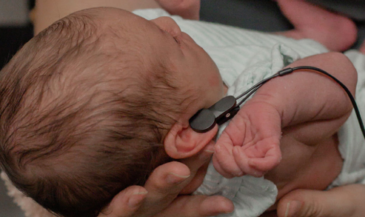
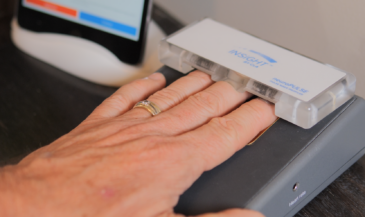
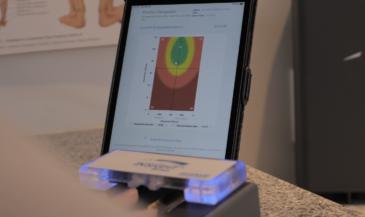
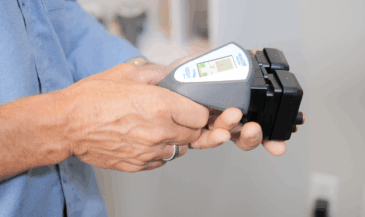
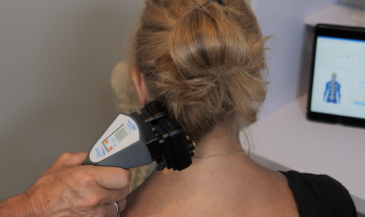
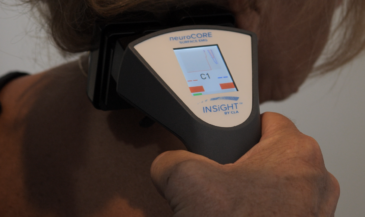
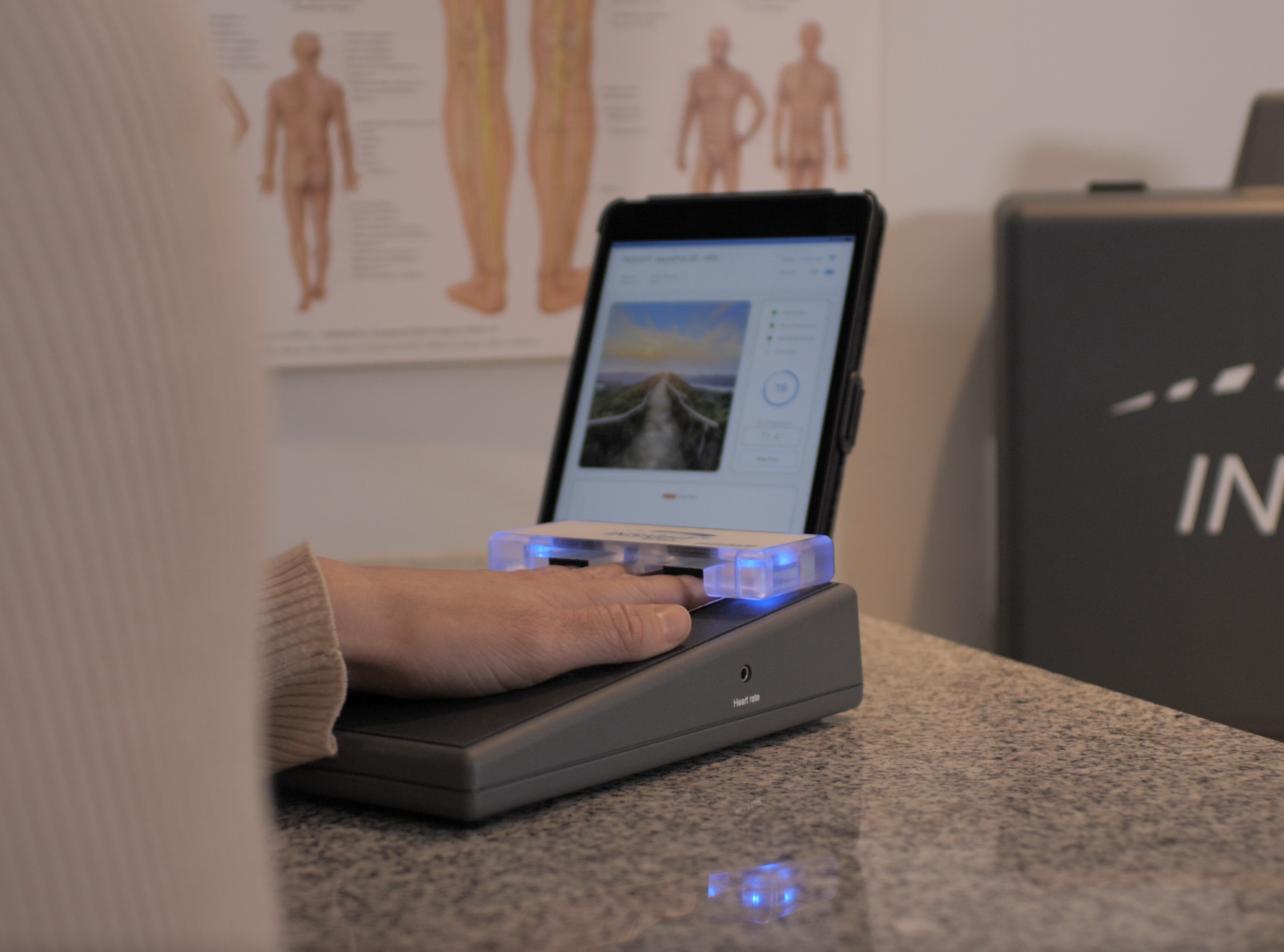
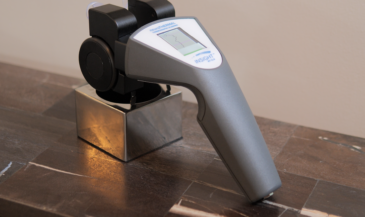
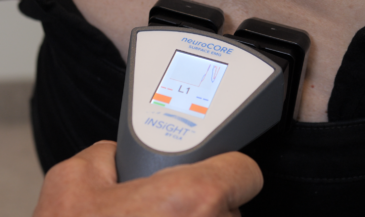
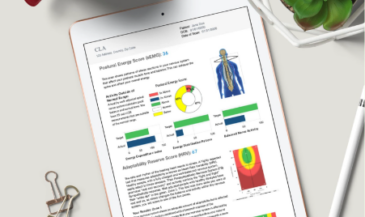
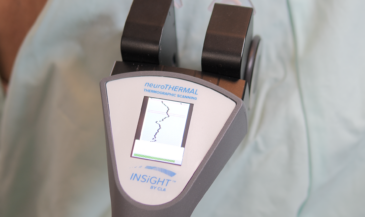
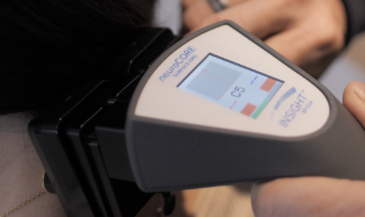
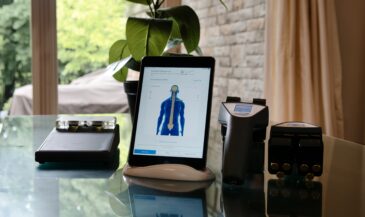
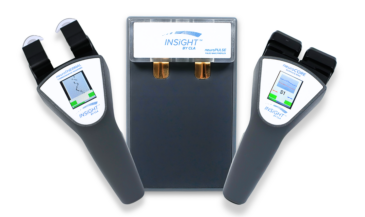
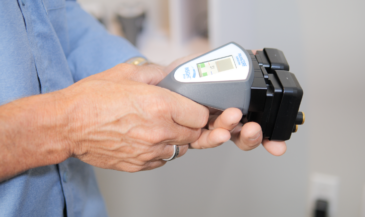
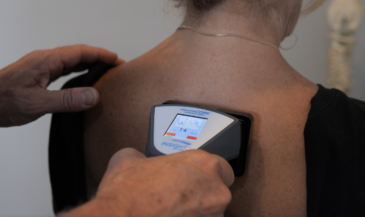
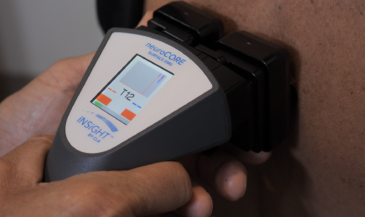
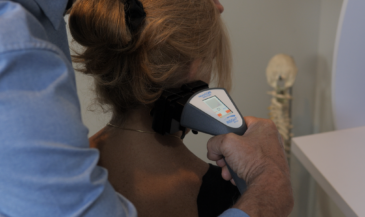
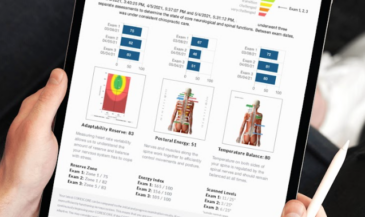
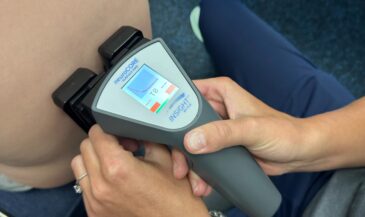
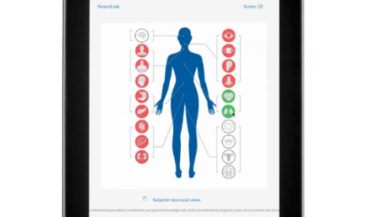
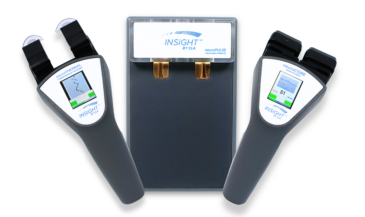
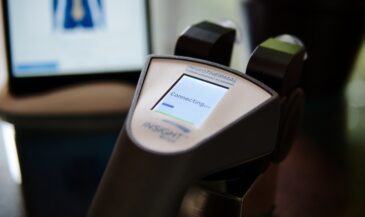
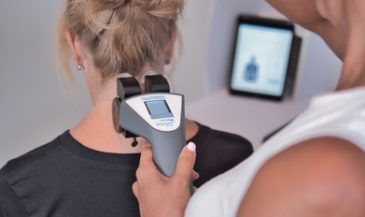
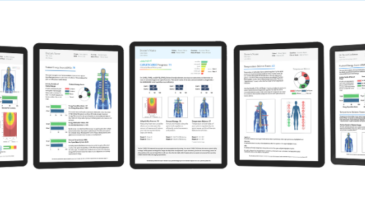
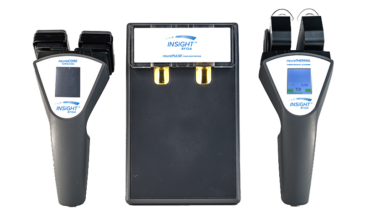
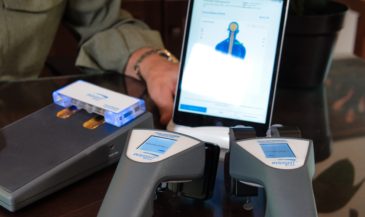
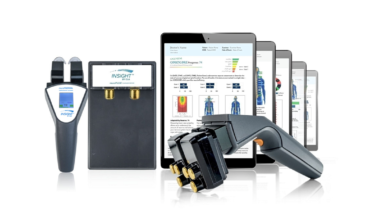
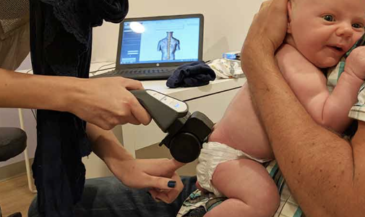
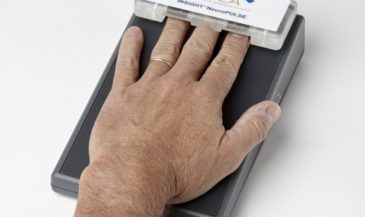
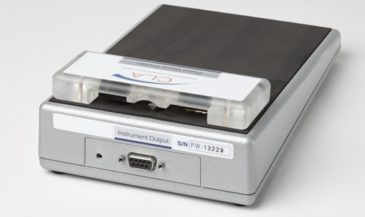
Measuring stress adaptation starts with objective data. That’s where tools like the neuroPULSE, neuroCORE, and neuroTHERMAL come in. These advanced scanning technologies give you a clear picture of how the nervous system is handling stress.
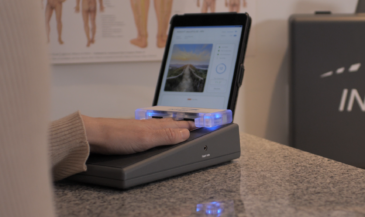
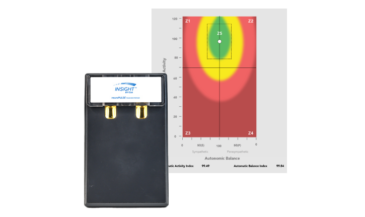
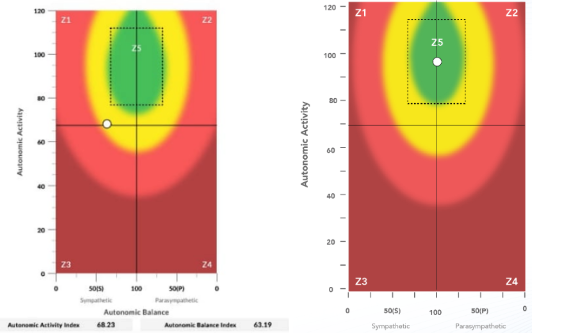
- neuroPULSE (HRV): Measures heart rate variability to assess the balance between the parasympathetic and sympathetic nervous systems.
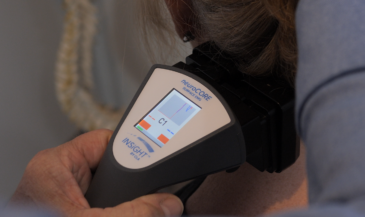
- neuroCORE (sEMG): Tracks muscle activity and tension caused by nerve interference, showing where the system is compensating.
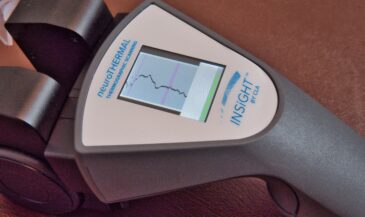
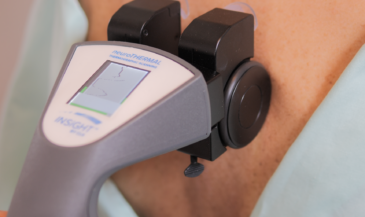
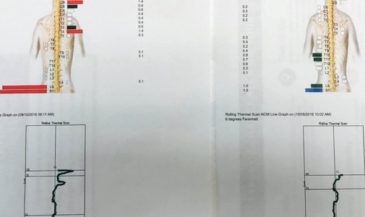
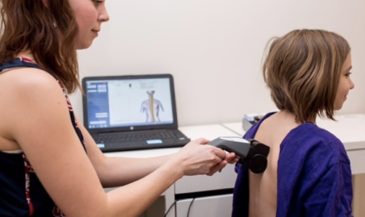
- neuroTHERMAL: Maps temperature variations along the spine, revealing areas of stress and inflammation.
By combining these tools, you get an in-depth look at how well the nervous system is adapting and where it needs support.
The Benefits of Prioritizing Stress Adaptation
When you focus on stress adaptation, the benefits go beyond just symptom relief. Here’s what it means for your patients and your practice:
- Better patient outcomes: Patients don’t just feel better; they perform better, sleep better, and recover faster.
- Improved retention: Patients are more likely to stick with care when they see measurable improvements in their nervous system function.
- More referrals: Satisfied patients who feel the long-term benefits of care are more likely to recommend your practice to friends and family.
This shift transforms the patient experience and positions you as a leader in whole-body health.
How to Shift from Symptom Management to Stress Adaptation
Making this shift doesn’t happen overnight, but it starts with reframing how you communicate with patients. Here’s how:
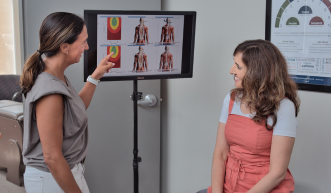
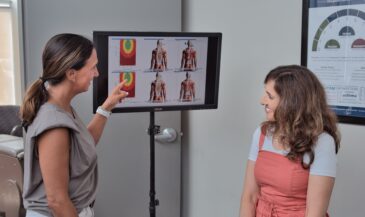
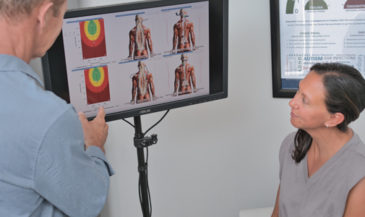
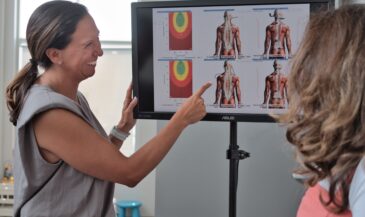
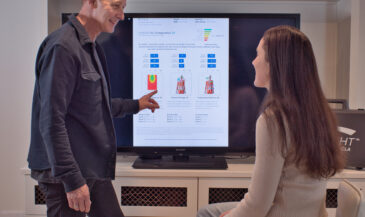
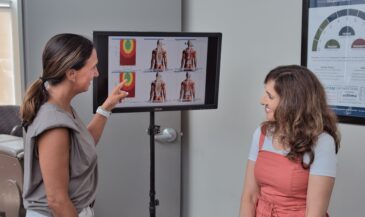
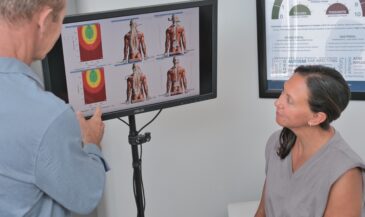
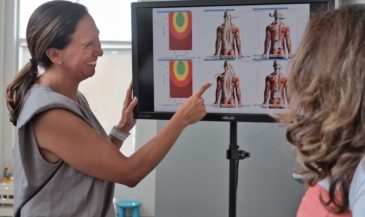
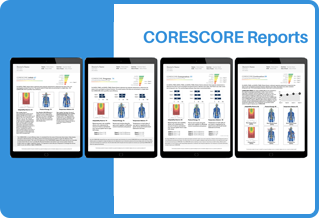
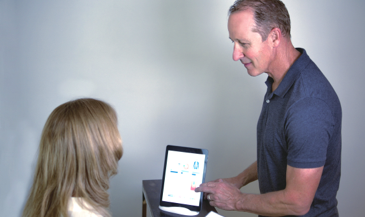
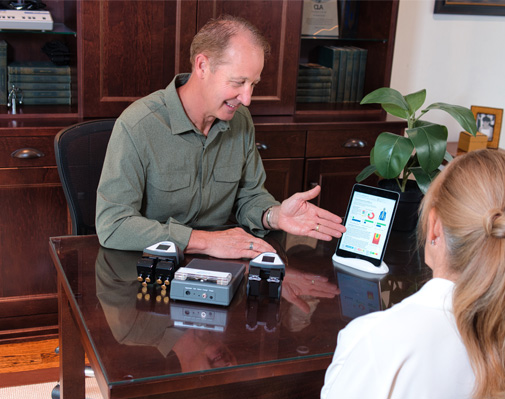
- Start with data: Use tools like the neuroPULSE and neuroCORE to show patients how their nervous system is handling stress.
- Educate patients: Explain that symptoms are just the tip of the iceberg. The real goal is improving how their body adapts to stress.
- Set care goals based on function: Focus care plans on improving nervous system performance, not just symptom relief.
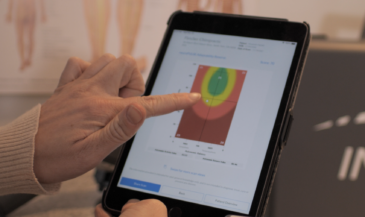
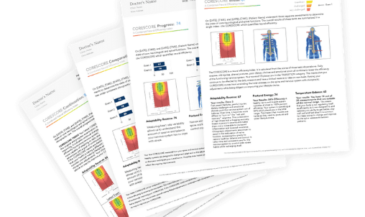
- Celebrate progress: Show patients how their scans improve over time, reinforcing the importance of ongoing care.
By shifting the narrative, you’re giving patients a deeper understanding of what chiropractic care can do for them.
FAQs About Stress Adaptation and Chiropractic
What is stress adaptation?
Stress adaptation is the nervous system’s ability to adjust and recover from physical, emotional, or chemical stress. A well-adapted system is less likely to develop chronic issues.
How do chiropractic adjustments improve stress adaptation?
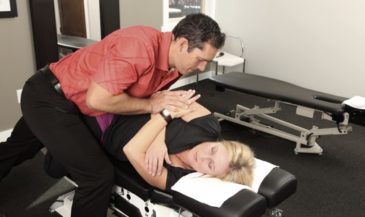
Adjustments remove nerve interference, allowing the nervous system to function more efficiently and adapt better to stressors.
Why are tools like HRV scans important for stress adaptation?
HRV scans provide measurable data on how well the autonomic nervous system is balancing stress and recovery, helping chiropractors guide care.
Can improving stress adaptation prevent future health problems?
Yes, a nervous system that adapts well is less likely to develop chronic pain, fatigue, or other stress-related conditions.
How do I explain stress adaptation to patients?
Use simple terms like “We’re helping your body handle stress better so you can stay healthy and recover faster.” Visual tools like scan results also make it easier to explain.
Why Stress Adaptation Is the Future of Chiropractic
Chiropractic care is about more than making pain go away. It’s about helping patients live healthier, more resilient lives. By focusing on stress adaptation, you’re addressing the root cause of dysfunction and setting patients up for long-term success.
With tools like the neuroPULSE, neuroCORE, and neuroTHERMAL, you can measure, track, and improve stress adaptation, delivering results that patients can see and feel. It’s time to shift the focus. Stop chasing symptoms—start building resilience! Book a call with an INSiGHT Advisor today to learn how you can bring this transformative technology into your chiropractic practice.