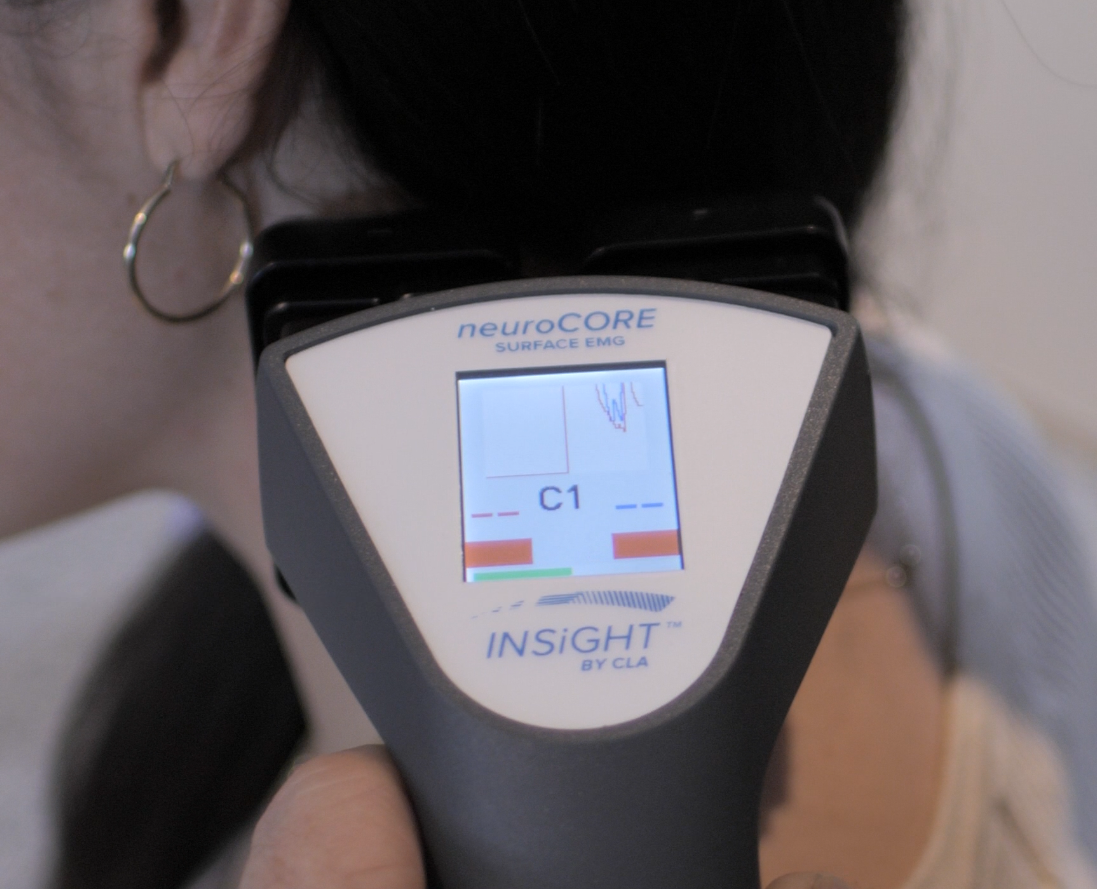
If you’ve ever checked your pulse and noticed it’s not always perfectly steady, you’ve observed a natural phenomenon known as heart rate variability (HRV). But what is a heart rate variability, and why does it matter for your health, your nervous system, and your ability to adapt?

Heart rate variability is the measure of the small but significant differences in time between each heart beat. Unlike your average heart rate—which tells you how many times your heart beats per minute—HRV looks at the beat-to-beat variability, the subtle shift from one beat to the next. Scientists and doctors have learned that these variations in heart rate reveal how well your autonomic nervous system is working to keep you resilient and adaptable, even as life’s stresses, joys, and demands shift from moment to moment.

With new technology and deeper research, we now understand that heart rate variability is much more than a fitness trend or a feature in your smartwatch. HRV may be one of the most meaningful indicators of your overall heart health, stress, and nervous system function—making it a key tool for planning care, measuring progress, and living well.

What Is Heart Rate Variability?

Heart rate variability (HRV) refers to the tiny, natural changes in the timing between each heart beat. When your heart rate is measured, you may be told that your pulse is, for example, 70 beats per minute. However, your heart doesn’t beat every 0.857 seconds with machine-like precision. Instead, each beat is separated by slightly different intervals—sometimes shorter, sometimes longer—based on the body’s ongoing internal regulation.

This “instantaneous heart rate” and interval variability are not signs of a problem; in fact, a healthy heart and a responsive nervous system produce variations in heart rate as the body adapts to its environment. The concept of “heart rate variability” is the foundation for understanding the body’s adaptability, emotional regulation, and physical recovery. Higher heart rate variability generally reflects better adaptability and greater nervous system balance, while lower heart rate variability can indicate stress or limited recovery capacity.

The study and analysis of heart rate variability has grown to include advanced clinical tools such as EKGs and spectral analysis of heart rate, helping doctors, researchers, and chiropractors better understand and support nervous system health in their patients.

How the Autonomic Nervous System Controls Heart Rate Variability

The autonomic nervous system (ANS) is the body’s automatic control system, overseeing everything from heart rate and blood pressure to breathing, digestion, and your ability to adapt to stress. It has two primary branches:

  • Sympathetic Nervous System: Activates the “fight or flight” response, increasing heart rates, redirecting blood flow, and boosting alertness when needed.
  • Parasympathetic Nervous System: Drives the “rest and digest” functions, promoting calm, recovery, and restoration.

Heart rate variability is the real-time record of how these two systems are interacting. When your body is in a calm, adaptive state, your parasympathetic system and vagal control of the heart predominate, leading to a wider range of intervals between heart beats (high HRV). When the sympathetic system is overactive—such as during chronic stress, pain, or illness—your HRV typically narrows (decreased heart rate variability).

The ANS communicates with the heart via the sinoatrial (SA) node, regulating the mean heart rate, and continually adjusting it based on needs and external demands. Researchers use frequency domain measures of heart and spectral analysis of heart rate to study these patterns and understand the deeper workings of the nervous system.

Why Heart Rate Variability Matters for Health and Adaptability

The more your heart rates are able to adapt—moment to moment—the healthier and more resilient your body tends to be. HRV may predict recovery from exercise, stress, and even major life events. In clinical research, decreased heart rate variability has been linked to an increased risk of conditions such as congestive heart failure, arrhythmias, and even sudden cardiac death.

reduced heart rate variability is often observed in patients with chronic stress, sleep disorders, or inflammatory illnesses. On the other hand, higher heart rate variability has been associated with improved recovery, emotional resilience, and lower overall mortality.

For patients recovering from cardiac procedures, like heart transplant or rate variability after acute myocardial infarction, HRV is used to track recovery progress. Some studies show that heart rate variability in patients after a heart attack or transplant can be a reliable rate variability as a predictor for future complications.

HRV may also play a crucial role in neurological care, where chiropractors and other providers use it as an index of adaptability, nervous system regulation, and progress over time.

What Affects Your Heart Rate Variability

Many factors can affect your heart rate variability, some of which are within your control and some that are not. The most important influences include:

Factors that Lower HRV

  • Chronic Stress: Emotional strain, overwork, and persistent anxiety
  • Sleep Disturbances: Poor quality or inconsistent sleep
  • Sedentary Lifestyle: Lack of regular movement
  • Poor Nutrition: Diets high in processed foods, sugar, and low in key nutrients
  • Alcohol or Drug Use: Excessive consumption reduces HRV
  • Illnesses: Inflammation, chronic pain, diabetes, and cardiovascular issues like chronic congestive heart failure
  • Certain Medications: Beta-blockers, antidepressants, and others
  • Aging: Natural declines in variability in healthy individuals over time

Factors that Improve HRV

  • Restorative Sleep: Regular, high-quality rest
  • Consistent Exercise: Aerobic activity and strength training
  • Healthy Nutrition: Emphasis on whole foods, healthy fats, lean proteins, and vegetables
  • Breathing Exercises: Slow, controlled breathing that regulates respiratory rate and the hf component
  • Mindfulness and Relaxation: Practices such as meditation, yoga, or relaxation techniques
  • Chiropractic Care: Evidence suggests adjustments can improve autonomic inputs to the heart, especially in patients with dysautonomia or nervous system imbalance

Over time, positive lifestyle habits can increase your average heart rate adaptability and strengthen your nervous system’s response to daily life.

How Is Heart Rate Variability Measured?

Measuring heart rate variability requires capturing the precise timing between each heart beat. The gold standard is an electrocardiogram (EKG), which tracks R–R intervals—the peaks between each beat on the heart’s electrical signal. EKGs are used in clinical and research settings to provide highly accurate, reliable HRV data.

However, technological advances have made heart rate variability measurement more accessible for everyday monitoring. Popular tools include:

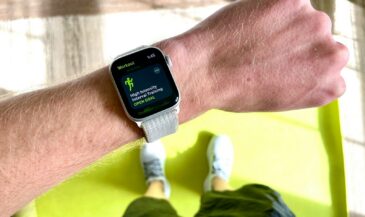
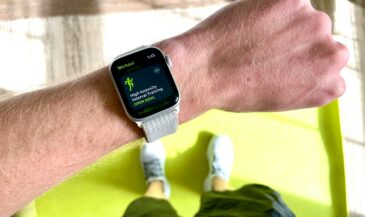
  • Smartwatches and Fitness Trackers: Devices like Apple Watch, Oura Ring, and WHOOP use photoplethysmography sensors to estimate HRV
  • Chest-Strap Heart Rate Monitors: Used by athletes for more detailed heart rate monitoring and data
  • HRV Biofeedback Devices: Tools and apps designed to provide real-time feedback and stress reduction

These devices often use domain measures of heart period and calculate measures of heart period variability to provide useful information for both individuals and clinicians. Some even allow for power spectral analysis of heart rate data, making advanced HRV analysis available to a wider audience.

It’s important to note that changes in HRV are most meaningful when tracked over time, rather than relying on a single measurement.

Heart Rate Variability to Plan Care and Recovery

One of the most promising uses for heart rate variability is its role in guiding personal health, athletic performance, and clinical care. Coaches, trainers, and clinicians use HRV to decide how hard to train or when to rest. Variability to plan your workouts is becoming a standard for elite athletes, but is just as valuable for everyday individuals looking to maximize their well-being.

By monitoring 24-h heart rate variability and tracking patterns like resting heart, individuals can make smarter decisions about exercise, stress management, and recovery. In patients recovering from patients with a recent heart event, HRV trends can help doctors and care teams make evidence-based decisions.

Because HRV reflects the delicate balance between stress and recovery, it is a measure known as heart rate that supports regulation of heart rate and helps personalize plans for both patients and practitioners.

INSiGHT CLA’s Role: Advanced Heart Rate Variability Analysis in Practice

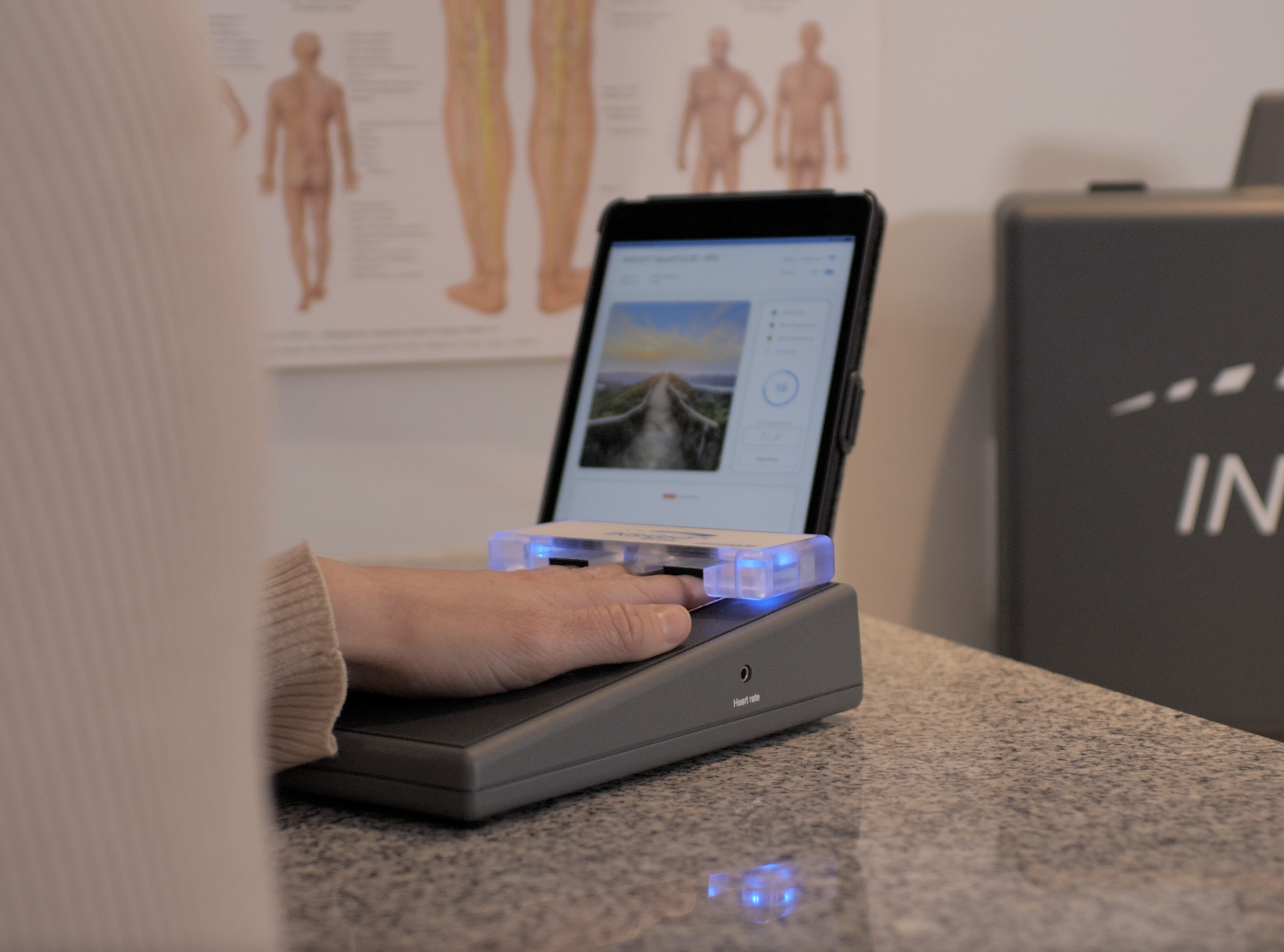
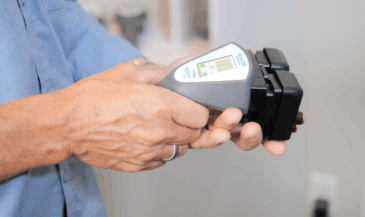
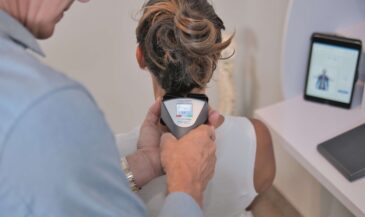
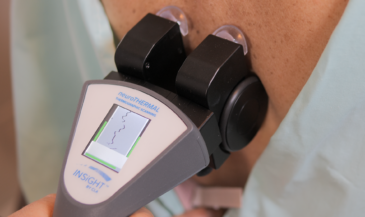
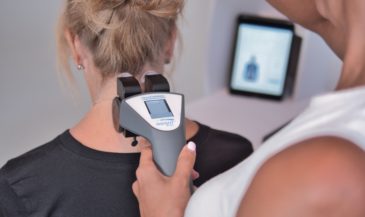
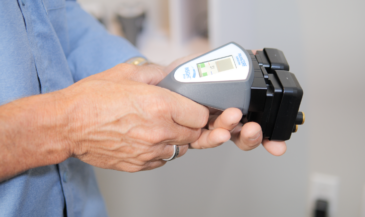
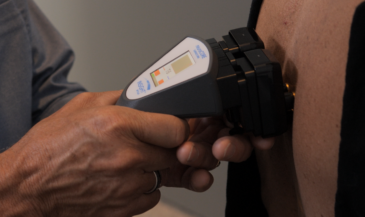
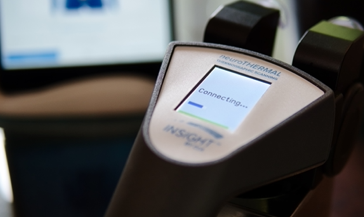
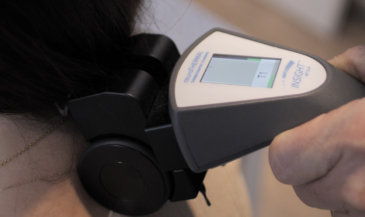
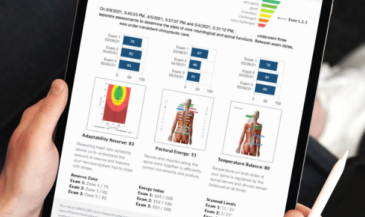
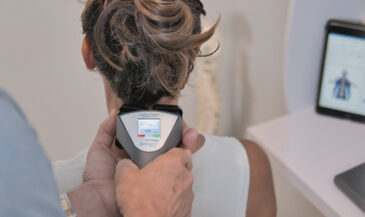
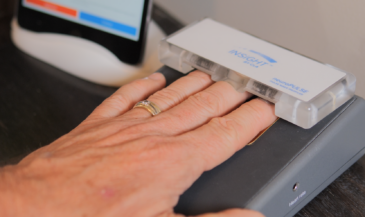
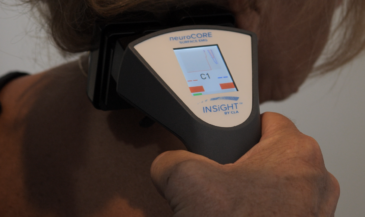
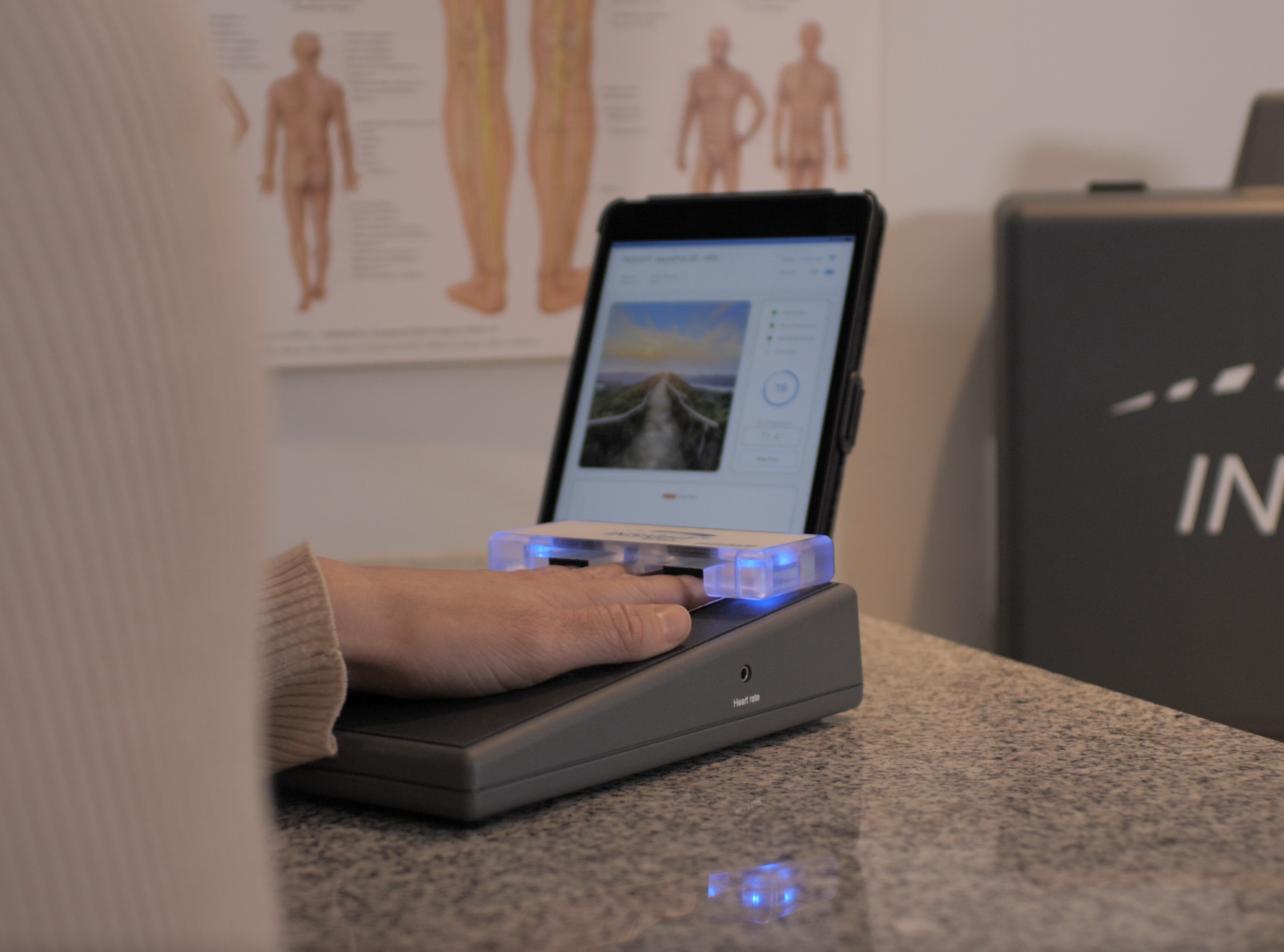
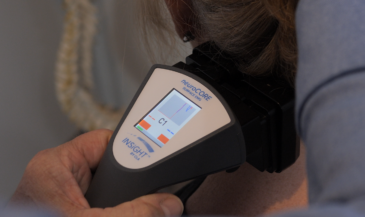
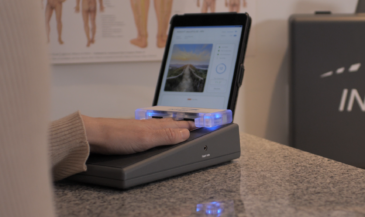
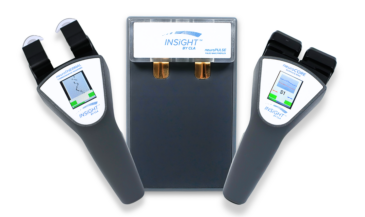
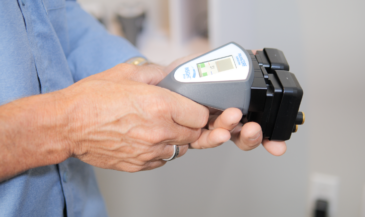
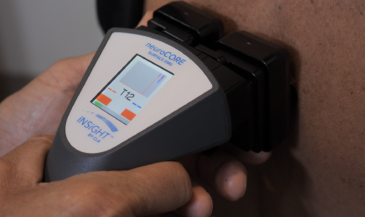
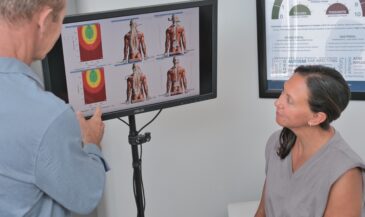
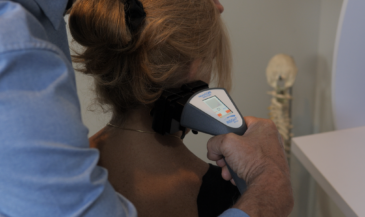
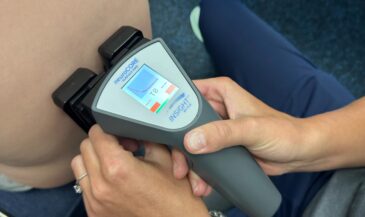
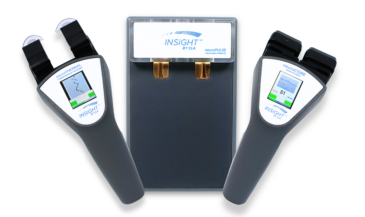
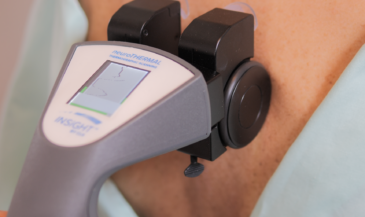
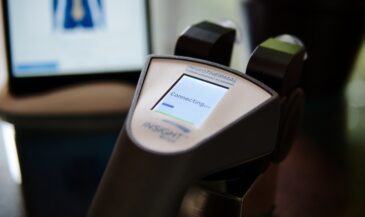
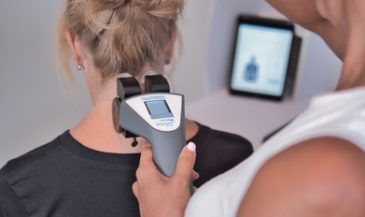
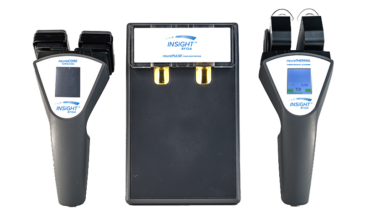
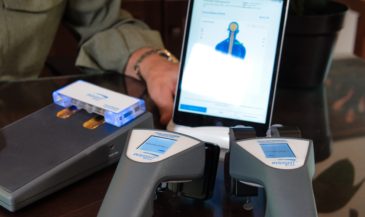
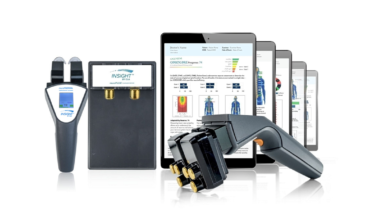
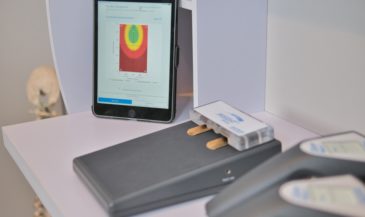
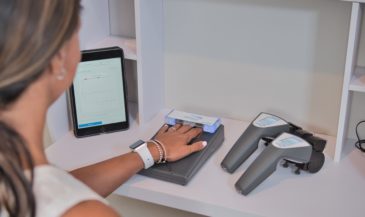
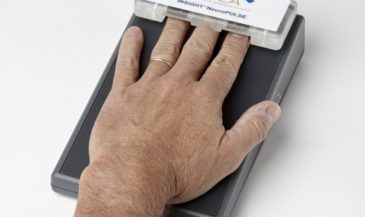
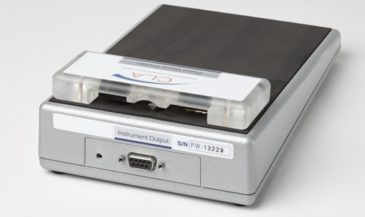
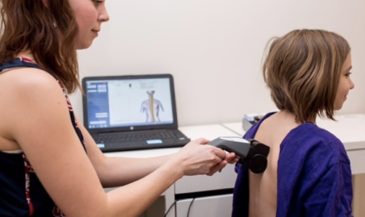
INSiGHT CLA’s NeuroPulse HRV scanning technology allows chiropractors to perform comprehensive heart rate variability analysis right in the clinic. Using non-invasive HRV scanning modules, providers can:

  • Obtain an objective analysis of heart rate variability and identify alterations of heart rate in patients over time
  • Track the effects of adjustments, lifestyle changes, and care plans using HRV as a rate variability as an index
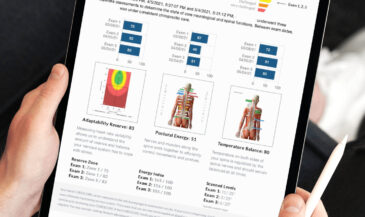
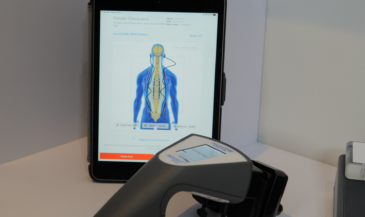
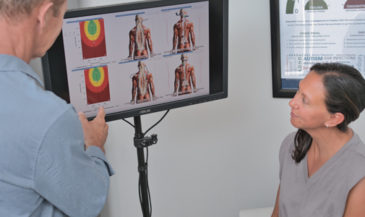
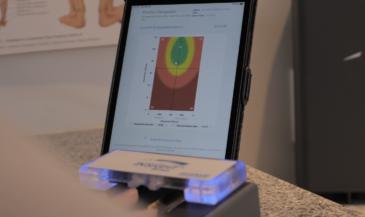
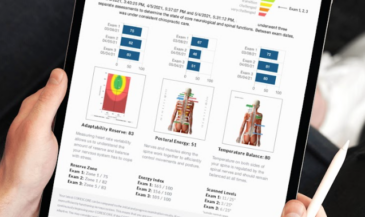
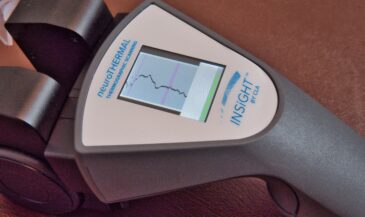
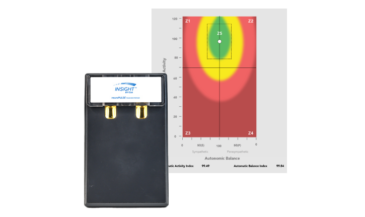
  • Visualize key metrics including component of heart rate variability, inputs to the heart rather than the mean, and variability in the power spectrum analysis of heart
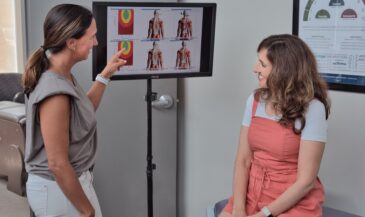
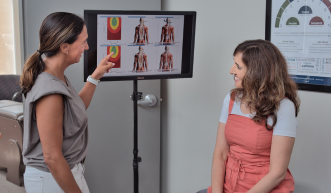
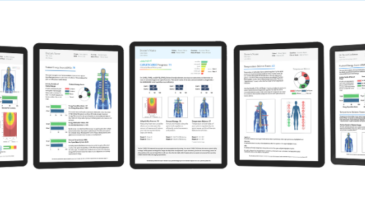
  • Provide patients with actionable data to guide care, improve resilience, and support better outcomes

INSiGHT CLA’s scans look beyond the mean, focusing on variations of heart intervals and overall nervous system adaptability. This not only guides chiropractic care, but also empowers patients to become more active participants in their wellness journey.

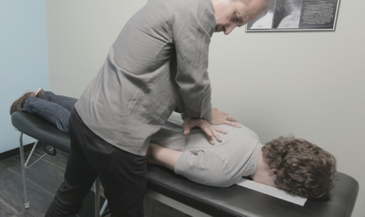
Chiropractic research leaders have shown that regular chiropractic adjustments can support autonomic regulation and healthy HRV.

Special Applications: Heart Rate Variability in Special Populations

Heart Rate Variability in Patients

HRV isn’t just for athletes or adults—it’s relevant across the lifespan. From fetal heart rate patterns preceding birth, to rate patterns preceding fetal death in critical care, to heart rate variability in chronic illness management, HRV is now used as an early warning and progress tool in many fields.

It is used to monitor variability on the basis of health status, indices of heart rate during rate and blood pressure variability, and even for assessment in those with a heart transplant. Research shows that heart rate variability after acute myocardial events and heart rate variability after myocardial infarction can predict both short- and long-term outcomes.

In healthy populations, heart rate variability in healthy individuals is often higher, but certain conditions—like chronic pain, depression, or cardiovascular issues—can reduce HRV.

Frequently Asked Questions About Heart Rate Variability

Q: How often should I check heart rate variability?
A: For most people, measuring HRV once daily—ideally in the morning—provides the most consistent results. Monitoring trends, rather than one-off readings, gives the best insight into nervous system adaptability.

Q: Can I improve low HRV?
A: Yes. By focusing on better sleep, more physical activity, healthy nutrition, stress reduction, and—when needed—neurologically focused chiropractic care, you can support higher HRV over time.

Q: What does a high HRV mean?
A: Generally, a high HRV reflects a robust, adaptable nervous system, but the ideal range varies from person to person. Always interpret HRV alongside other health factors and in consultation with a knowledgeable provider.

Q: Is HRV the same as heart rate?
A: No. Heart rate is how many times your heart beats per minute; heart rate variability is the subtle difference in timing between each beat. Both are important for assessing health.

Your Next Step: Using Heart Rate Variability for Lifelong Adaptability

Understanding and leveraging what is a heart rate variability can be transformative. HRV is more than a metric—it’s a reflection of your body’s ability to handle stress, recover from challenges, and maintain balance.

From daily life to clinical care, heart rate variability empowers you, your provider, and your care team to make data-driven decisions that promote well-being, resilience, and adaptability at any age. By regularly tracking HRV, applying science-backed lifestyle habits, and working with providers who use advanced tools like INSiGHT CLA, you can ensure your heart rates and nervous system stay strong for the road ahead.


 

SOURCES

Shaffer, F., & Ginsberg, J. P. (2017). An Overview of Heart Rate Variability Metrics and Norms. https://www.ncbi.nlm.nih.gov/pmc/articles/PMC5624990/ 

McCraty, R., & Shaffer, F. (2015). Heart Rate Variability: New Perspectives on Physiological Mechanisms, Assessment of Self-regulatory Capacity, and Health Risk. https://www.ncbi.nlm.nih.gov/pmc/articles/PMC4599622/ 

Task Force of the European Society of Cardiology and the North American Society of Pacing and Electrophysiology. (1996). Heart rate variability: Standards of measurement, physiological interpretation, and clinical use. https://pubmed.ncbi.nlm.nih.gov/8737210/ 

Jandackova, V. K., et al. (2016). Heart rate variability and sudden cardiac death. https://pubmed.ncbi.nlm.nih.gov/8822992/ 

Umetani, K., et al. (1998). Twenty-Four Hour Time Domain Heart Rate Variability and Heart Rate: Relations to Age and Gender Over Nine Decades. https://www.ncbi.nlm.nih.gov/pmc/articles/PMC5624990/ 

Goldberger, J.J., et al. (2006). Relationship of Heart Rate Variability to Parasympathetic Effect. https://pubmed.ncbi.nlm.nih.gov/23994477/ 

Camm, A.J., et al. (1996). Guidelines: Heart Rate Variability. https://www.ncbi.nlm.nih.gov/pmc/articles/PMC5624990/ 

American College of Cardiology. (2013). Heart Rate Variability in Health and Disease. https://pubmed.ncbi.nlm.nih.gov/19776734/ 

P. Ginsberg. (2017). Biofeedback in the Treatment of Heart Rate Variability. https://pubmed.ncbi.nlm.nih.gov/31506233/

    Kleiger, R. E., et al. (1991). Decreased heart rate variability and its association with increased mortality after acute myocardial infarction. https://pubmed.ncbi.nlm.nih.gov/8822992/ 

    King, R., et al. (2016). Wearable Devices for Monitoring of Heart Rate and Heart Rate Variability: Validation Studies. https://www.ncbi.nlm.nih.gov/pmc/articles/PMC6213340/ 

    Kent, C. (2017). Heart Rate Variability and Chiropractic Care: Clinical Applications. The Journal of Vertebral Subluxation Research. https://www.chiroindex.org/?search_page=article&article_id=13685 

    Kent, C. (2019). NeuroPulse HRV Module: A New Paradigm in Chiropractic Assessment. The Journal of Vertebral Subluxation Research. https://www.chiroindex.org/?search_page=article&article_id=15036 

    Get Started with INSiGHT Scanning

    Take our Free Practice Strategy Assessment. A Personalized Guide and Expert Strategy Call to Help Determine How Scanning will Help you Grow
    ABOUT THE AUTHOR

    Dr. David Fletcher is actively involved in all aspects of innovation teaching and research connected to the INSiGHT™ scanning technologies. He is widely recognized for his ability to share his expertise in compelling and easy to understand ways.

    Dr David is a renowned chiropractor who practiced for many years with his associates in a scan-centric thriving principled family-based practice in Toronto. He is a sought-after teacher mentor and keynote speaker who takes every opportunity to share the wisdom and the power of chiropractic as it is meant to be.

    https://insightcla.com/wp-content/uploads/2022/07/david-1.png
    Dr. David Fletcher
    DC FRCCSS(C) – Founder & CEO CLA Inc.
    LIKE THIS ARTICLE? HELP US SPREAD THE WORD

    Be Seen. Be Heard. Be Certain
    In today’s saturated healthcare market, chiropractors face an ongoing challenge: being visible. Discover key marketing tactics to ensure you can BE SEEN, BE HEARD, and BE CERTAIN in your practice!

    Read these Next…

    Get Informed

    Join 23,121 other Chiropractors and receive topics covering day to day challenges of running your practice.

    Let’s talk about posture. It’s not just about sitting up straight—it’s about how well your patient’s nervous system is functioning! Poor posture often points to deeper issues like nerve interference, muscle fatigue, or spinal misalignment. How do you measure all that?

    The answer is surface EMG (sEMG) scans. This technology gives chiropractors a precise look at how muscles are working along the spine, helping you track postural health and guide adjustments. The best part? It’s quick, non-invasive, and delivers results your patients can see and understand.

    What Are Surface EMG Scans?

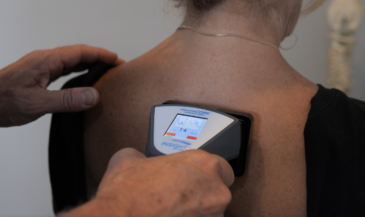
    Surface EMG scans measure the electrical activity of postural muscles along the spine. These muscles are controlled by the motor  nervous system, so when there’s nerve interference, it shows up as imbalances or excessive muscle activity.

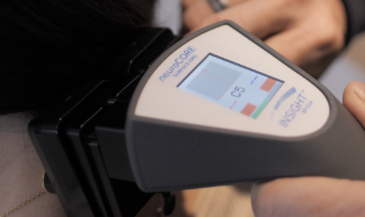
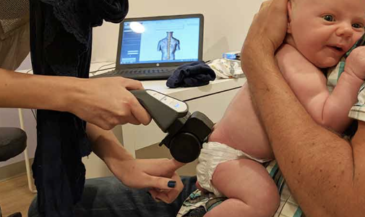
    The neuroCORE, part of the INSiGHT neuroTECH suite, is a state-of-the-art sEMG scanning device designed to assess muscle tension and fatigue caused by spinal misalignments. By mapping out how the spine and nervous system are functioning, it provides chiropractors with the data they need to improve postural health.

    surface emg scan

    The Science Behind sEMG Scans

    Surface Electromyography (SEMG) has become a valuable tool in chiropractic care, providing objective insights into how spinal dysfunction affects muscle activity. By measuring the electrical signals generated by muscles, SEMG helps chiropractors assess paraspinal muscle function, identify patterns of compensation, and track progress over time. Research continues to support its role in evaluating the impact of vertebral subluxations on neuromuscular health.

    A review by Christopher Kent, D.C., examined the principles of static and dynamic SEMG and its application in chiropractic assessments. The study highlighted that while both surface and needle electromyography can be used to evaluate muscle function, they are distinct procedures with different clinical applications. SEMG, in particular, is well-suited for non-invasive evaluation of paraspinal muscle activity, making it an essential tool for chiropractors seeking to assess changes in neuromuscular function associated with vertebral subluxation.

    One of the key findings in Dr. Kent’s review is the ability of SEMG to detect altered muscle activity linked to spinal misalignments. Changes in myoelectric signals provide measurable evidence of how subluxations influence muscle tone and function. This supports the chiropractic principle that nervous system interference impacts overall musculoskeletal health.

    The review also addressed the reliability and validity of SEMG, affirming its effectiveness as an objective method for tracking neuromuscular changes. Research has shown that consistent patterns of muscle imbalance correlate with areas of subluxation, reinforcing the importance of SEMG in both diagnosis and ongoing care. By integrating SEMG into clinical practice, chiropractors gain a clearer picture of how spinal adjustments influence muscle function over time.

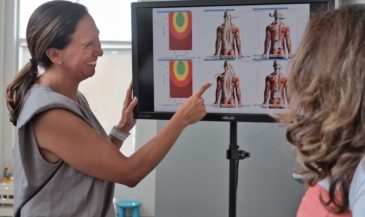
    Chiropractors using SEMG can offer patients visual and measurable proof of their progress, strengthening trust and compliance with care plans. The ability to see and track changes in real-time helps bridge the gap between subjective symptoms and objective data, making SEMG a powerful tool for education and engagement.

    As the evidence supporting SEMG grows, its role in chiropractic continues to expand. By providing a non-invasive, research-backed way to assess muscle activity and spinal health, SEMG ensures that chiropractors can deliver care that is both precise and data-driven.

    Why Postural Health Matters

    Posture isn’t just about aesthetics—it’s a key indicator of nervous system health. When posture is off, it’s often because the nervous system is compensating for deeper issues.

    Here’s why it’s crucial to track postural health:

    • Prevents chronic issues: Poor posture puts stress on the spine and nervous system, leading to pain, fatigue, and even long-term health problems.
    • Improves function: A healthy posture supports better movement, breathing, and overall nervous system function.
    • Builds patient awareness: Showing patients how their posture connects to their symptoms helps them understand why care is essential.

    Surface EMG scans make it easy to connect the dots between posture and nervous system health.

    How Surface EMG Scans Work

    The beauty of sEMG technology is its simplicity. Here’s how the process typically works in practice:

    1. Sensors Placement: Small sensors are placed along the patient’s spine to measure electrical activity in the muscles.
    2. Data Collection: The sEMG scan records muscle activity in real time, creating a detailed map of where the spine is under stress.
    3. Interpretation: Chiropractors analyze the data to identify areas of imbalance, tension, or exhaustion.

    This process takes just a few minutes, but the insights it provides are invaluable for tracking and improving postural health.

    The Role of sEMG in Posture Assessments

    So, how does sEMG scanning elevate your ability to assess and improve posture?

    • Identifies muscle imbalances: sEMG scans reveal where muscles are overworking to compensate for spinal misalignments, providing a clear starting point for care.
    • Tracks changes over time: By performing regular scans, you can show patients how their posture and nervous system are improving with care.
    • Guides adjustments: The data from sEMG scans helps chiropractors target the areas that need the most attention, leading to more effective adjustments.

    With sEMG scans, you’re not just assessing posture—you’re addressing the root causes of poor postural health.

    Why Surface EMG Scans Build Patient Trust

    Patients often come in with visible posture problems but don’t understand how they connect to their symptoms. Surface EMG scans bridge that gap by showing them exactly what’s happening in their nervous system.

    Here’s how this builds trust:

    • Visual proof: Patients can see the areas of muscle tension and imbalance for themselves, making the problem (and solution) crystal clear.
    • Objective data: Scans provide measurable, reproducible data that backs up your care recommendations.
    • Progress tracking: Regular scans show improvements over time, reinforcing the value of ongoing chiropractic care.

    When patients understand the connection between their posture and nervous system health, they’re more likely to stay committed to their care plans.

    How to Integrate sEMG Scans Into Your Practice

    If you’re ready to start using surface EMG scans, here’s how to make them a seamless part of your practice:

    1. Use sEMG during initial exams: Establish a baseline for each patient’s muscle activity and posture.
    2. Incorporate scans into progress exams: Show patients how their muscle tension and posture are improving over time.
    3. Educate patients with visuals: Use the scan data to explain how their posture affects their nervous system and overall health.
    4. Highlight sEMG in your marketing: Let prospective patients know you use advanced technology to assess and improve postural health.

    With tools like the neuroCORE, integrating sEMG scans into your workflow is simple and impactful.

    FAQs About Surface EMG Scans

    What does a surface EMG scan measure?
    A surface EMG scan measures the electrical activity in the postural muscles along the spine, highlighting areas of tension, fatigue, or imbalance.

    How do sEMG scans help with posture?
    sEMG scans reveal how muscles are compensating for spinal misalignments, providing chiropractors with the data needed to improve postural health and nervous system function.

    Are sEMG scans safe?
    Yes, sEMG scans are completely non-invasive and safe for patients of all ages.

    How often should patients get an sEMG scan?
    sEMG scans should be done during initial exams and progress checks to monitor changes in posture and nervous system health.

    Can sEMG scans show progress?
    Absolutely. sEMG scans provide objective data that tracks improvements in muscle tension, balance, and postural alignment over time.

    Why Surface EMG Scans Are Essential for Postural Health

    Postural health is about more than standing tall—it’s about supporting the nervous system and optimizing overall function. With surface EMG scans, chiropractors can go beyond manual assessments and deliver precise, measurable care.

    Tools like the neuroCORE empower you to identify muscle imbalances, track progress, and build trust with patients through objective data. By integrating sEMG scans into your practice, you’re not just improving posture—you’re improving lives.

    Book a call with an INSiGHT Advisor today to learn how you can bring this transformative technology into your chiropractic practice.

    Get Started with INSiGHT Scanning

    Take our Free Practice Strategy Assessment. A Personalized Guide and Expert Strategy Call to Help Determine How Scanning will Help you Grow
    ABOUT THE AUTHOR

    Dr. David Fletcher is actively involved in all aspects of innovation teaching and research connected to the INSiGHT™ scanning technologies. He is widely recognized for his ability to share his expertise in compelling and easy to understand ways.

    Dr David is a renowned chiropractor who practiced for many years with his associates in a scan-centric thriving principled family-based practice in Toronto. He is a sought-after teacher mentor and keynote speaker who takes every opportunity to share the wisdom and the power of chiropractic as it is meant to be.

    https://insightcla.com/wp-content/uploads/2022/07/david-1.png
    Dr. David Fletcher
    DC FRCCSS(C) – Founder & CEO CLA Inc.
    LIKE THIS ARTICLE? HELP US SPREAD THE WORD

    Be Seen. Be Heard. Be Certain

    In today’s saturated healthcare market, chiropractors face an ongoing challenge: being visible. Discover key marketing tactics to ensure you can BE SEEN, BE HEARD, and BE CERTAIN in your practice!

    Read these Next…

    Get Informed

    Join 23,121 other Chiropractors and receive topics covering day to day challenges of running your practice.

    Let’s talk about the future of chiropractic. Spoiler alert: it’s all about the nervous system. You know it’s the command center of the body, but how do you prove that to patients? They can’t see their nervous system, and they can’t feel stress creeping in until it’s already caused a problem.

    This is where HRV scans and the CORESCORE™ change everything. These aren’t just fancy tools—they’re how you make the invisible visible. They let you show patients exactly what’s happening inside their bodies, shifting the focus from pain relief to long-term performance.

    So, let’s break it down. What are HRV scans, what is the CORESCORE™, and how can these tools help you deliver next-level care?

    What is an HRV Scan in Chiropractic?

    An HRV scan (Heart Rate Variability) measures how well the autonomic nervous system (ANS) is adapting to stress and recovery. The ANS controls everything you don’t think about—your heart rate, digestion, immune system, and more.

    Here’s how it works. Using CLA’s neuroPULSE, chiropractors track subtle variations in the time between heartbeats. These fluctuations tell you how resilient the nervous system is.

    • High HRV: Your patient is adaptable, recovering well, and handling stress like a champ.

    • Low HRV: The nervous system is stuck in overdrive and struggling to keep up.

    Think of it like checking the nervous system’s fitness level. An HRV scan provides a real-time snapshot of how well the body is performing at its core, even if symptoms haven’t shown up yet.

    Why HRV Scans Matter for Nervous System Health

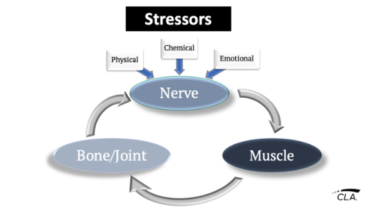
    The nervous system runs the whole show. When it’s under stress—whether from physical, emotional, or environmental factors—it can’t do its job effectively. But here’s the problem: most patients don’t even realize it’s happening.

    This is where an HRV scan makes the difference. It gives you objective data to show patients what’s going on beneath the surface.

    Here’s what it helps you do:

    • Uncover stress patterns and dysfunction before symptoms appear

    • Build care plans that target nervous system performance, not just pain relief

    • Show patients measurable progress over time

    It’s about helping patients understand that their nervous system isn’t just “there”—it’s the foundation of their health.

    What is the CORESCORE™ and How Does It Work?

    The CORESCORE™ is like a report card for the nervous system. It combines data from three advanced scanning technologies in CLA’s INSiGHT neuroTECH suite:

    • neuroPULSE (HRV): Measures adaptability and stress resilience through heart rate variability.

    • neuroCORE (sEMG): Tracks muscle activity and highlights tension caused by stress or subluxations.

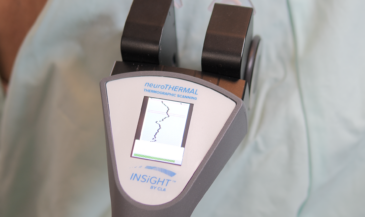
    • neuroTHERMAL: Detects temperature imbalances along the spine, showing deeper nerve stress affecting organs and glands.

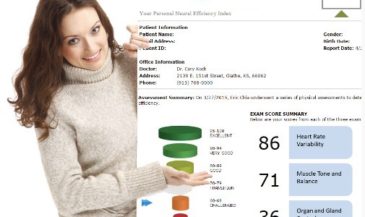
    These scans work together to generate a single score, ranging from 0 to 100. A higher score means the nervous system is efficient, resilient, and handling stress well. A lower score signals that something needs attention.

    This isn’t just for you—it’s for your patients. The CORESCORE™ takes complex data and simplifies it into a number they can understand. When they see that number climb closer to 100, it’s a lightbulb moment.

    Why the CORESCORE™ Keeps Patients Engaged

    Let’s be real. One of the biggest challenges in chiropractic is keeping patients engaged! They feel better after a few adjustments, and suddenly, they think they’re done. The CORESCORE™ solves that problem by showing them why it’s not just about feeling better—it’s about functioning better.

    Here’s why it works:

    • Progress is visible: Patients can see their score improve, which keeps them motivated.

    • The focus shifts: It’s not just about getting rid of pain. It’s about optimizing their nervous system for long-term health.

    • It builds trust: You’re not just saying care is working—you’re showing them the proof.

    When patients understand the bigger picture, they stick around. And when they stick around, they bring their families and friends with them.

    How Often Should Chiropractic Adjustments Be Scheduled?

    The answer depends on the patient and where they are in their journey.

    • Release Phase: Adjustments 2–3 times a week release locked in patterns and habits,help stabilize the nervous system and address major stress patterns.

    • Rebuilding Phase: As the nervous system begins to recover, weekly and even twice weekly  adjustments help build adaptability and resilience.

    • ReVitalization Phase: For long-term wellness, adjustments every week or every 2 weeks keep the nervous system functioning at its best.

    Here’s the kicker. Regular updates to the CORESCORE™, paired with follow-up HRV scans, help you fine-tune care frequency. It’s not about guessing—it’s about data-driven decisions.

    FAQs About HRV Scans and the CORESCORE™

    What’s the difference between an HRV scan and the CORESCORE™?
    An HRV scan focuses on heart rate variability, measuring how well the nervous system handles stress and recovery. The CORESCORE™ combines HRV data with neuro muscular and thermal insights from the neuroCORE and neuroTHERMAL to create a comprehensive report of nervous system health.

    How often should the CORESCORE™ be updated?
    Progress checks every 4–6 weeks are a great way to track improvements and keep patients engaged.

    Are HRV scans and the CORESCORE™ safe?
    Absolutely. These scanning instruments  are non-invasive and provide valuable insights into the nervous system without any discomfort for the patient.

    Can patients improve their CORESCORE™?
    Yes. Regular chiropractic care, combined with healthy habits like better sleep, stress management, and proper nutrition, can significantly improve nervous system adaptability and boost the CORESCORE™.

    Take Your Practice to the Next Level

    Here’s the bottom line: HRV scans and the CORESCORE™ are game-changers. They’re how you can prove the value of chiropractic care!

    With CLA’s neuroPULSE, neuroCORE, and neuroTHERMAL, you can help your patients see measurable progress. You’re turning invisible stress into visible results, building trust, and creating lifelong advocates for your care.

    This is where chiropractic becomes more than adjustments. This is where you change lives.

    Book a call with an INSiGHT Advisor today to learn how you can bring this transformative technology into your chiropractic clinic so you can lead your patients on a journey toward optimal health and wellness.

    Get Started with INSiGHT Scanning

    Take our Free Practice Strategy Assessment. A Personalized Guide and Expert Strategy Call to Help Determine How Scanning will Help you Grow
    ABOUT THE AUTHOR

    Dr. David Fletcher is actively involved in all aspects of innovation teaching and research connected to the INSiGHT™ scanning technologies. He is widely recognized for his ability to share his expertise in compelling and easy to understand ways.

    Dr David is a renowned chiropractor who practiced for many years with his associates in a scan-centric thriving principled family-based practice in Toronto. He is a sought-after teacher mentor and keynote speaker who takes every opportunity to share the wisdom and the power of chiropractic as it is meant to be.

    https://insightcla.com/wp-content/uploads/2022/07/david-1.png
    Dr. David Fletcher
    DC FRCCSS(C) – Founder & CEO CLA Inc.
    LIKE THIS ARTICLE? HELP US SPREAD THE WORD

    Be Seen. Be Heard. Be Certain

    In today’s saturated healthcare market, chiropractors face an ongoing challenge: being visible. Discover key marketing tactics to ensure you can BE SEEN, BE HEARD, and BE CERTAIN in your practice!

    Read these Next…

    Get Informed

    Join 23,121 other Chiropractors and receive topics covering day to day challenges of running your practice.
    +