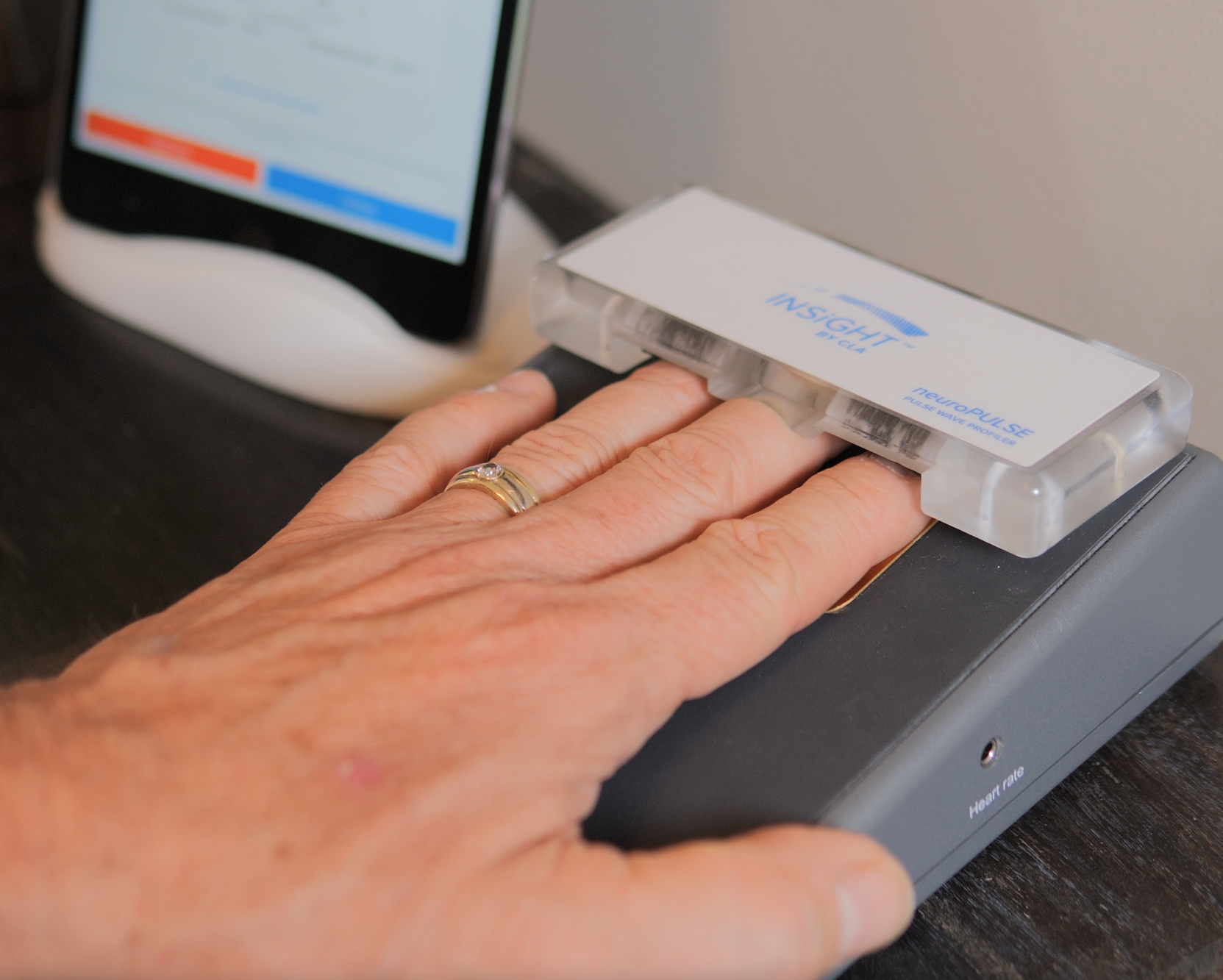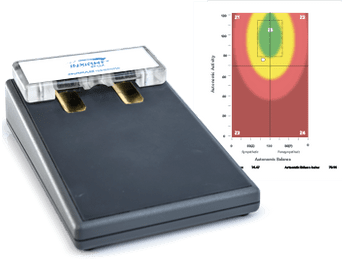
Let’s talk about posture. It’s not just about sitting up straight—it’s about how well your patient’s nervous system is functioning! Poor posture often points to deeper issues like nerve interference, muscle fatigue, or spinal misalignment. How do you measure all that?

The answer is surface EMG (sEMG) scans. This technology gives chiropractors a precise look at how muscles are working along the spine, helping you track postural health and guide adjustments. The best part? It’s quick, non-invasive, and delivers results your patients can see and understand.

What Are Surface EMG Scans?

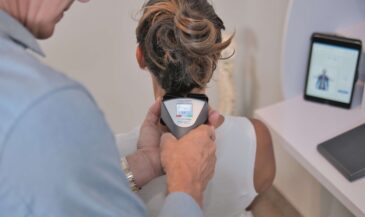
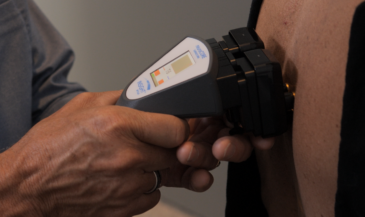
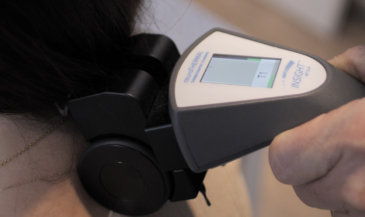
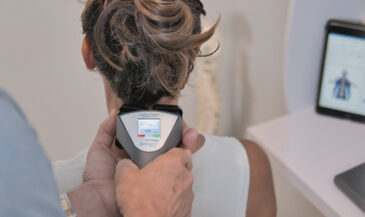
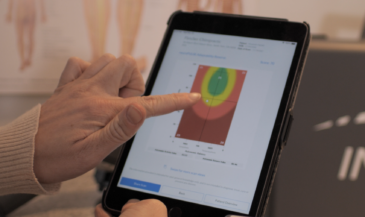
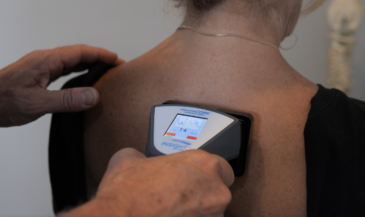
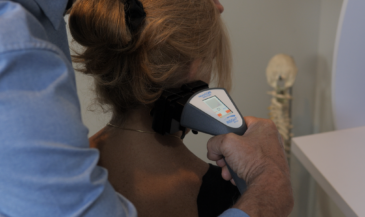
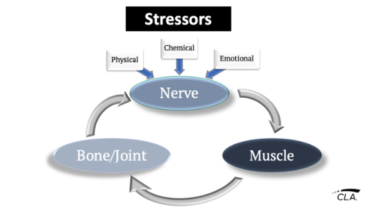
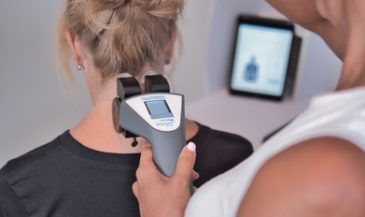
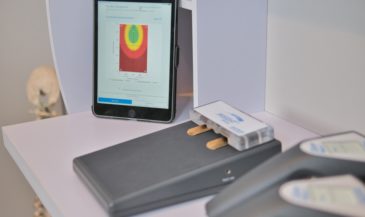
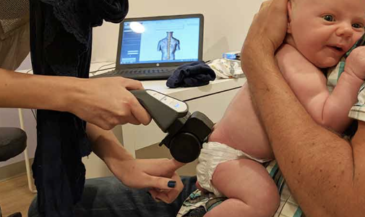
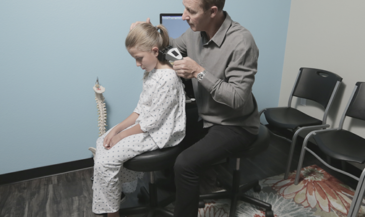
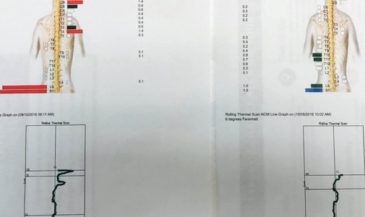
Surface EMG scans measure the electrical activity of postural muscles along the spine. These muscles are controlled by the motor  nervous system, so when there’s nerve interference, it shows up as imbalances or excessive muscle activity.

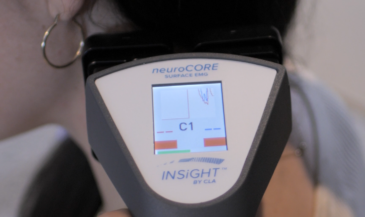
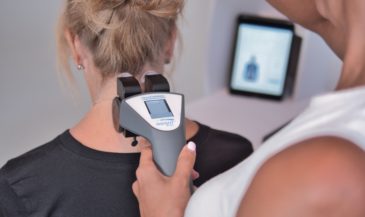
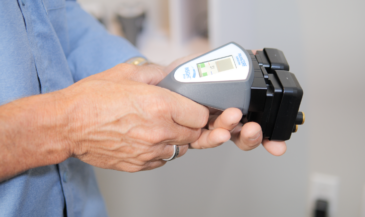
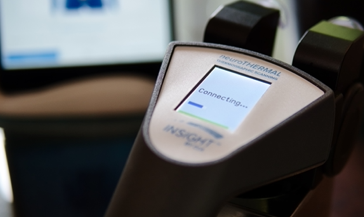
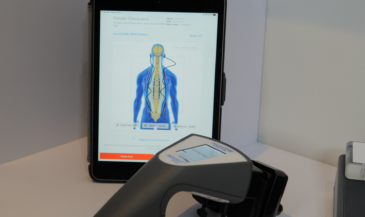
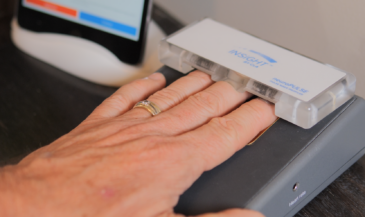
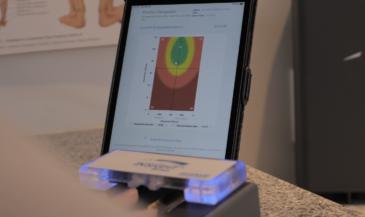
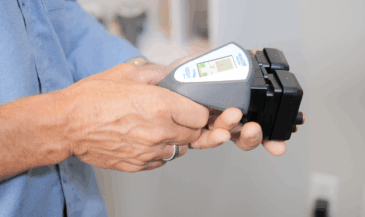
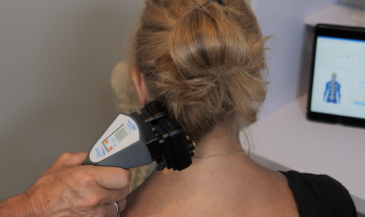
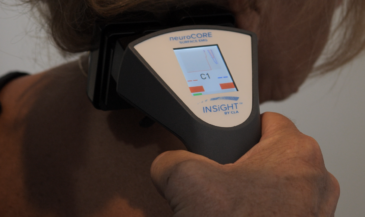
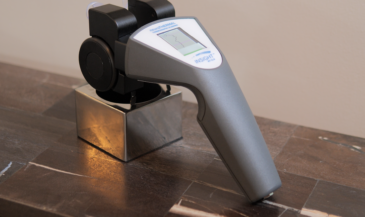
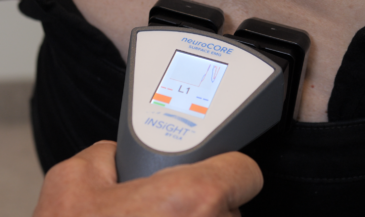
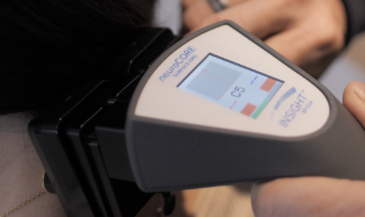
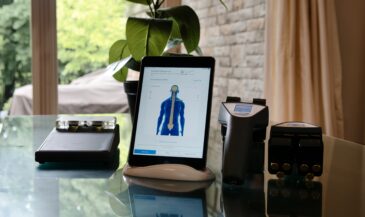
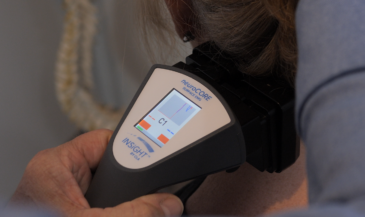
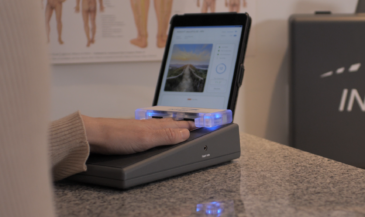
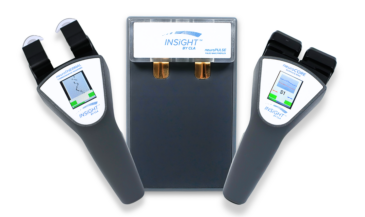
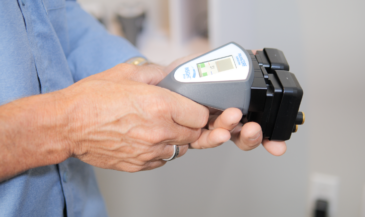
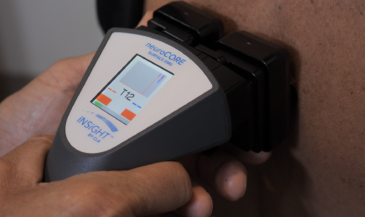
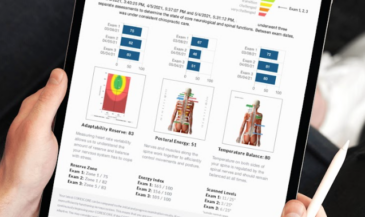
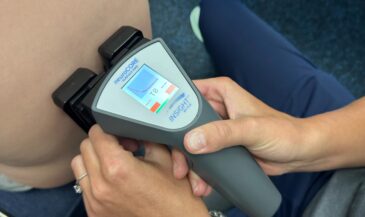
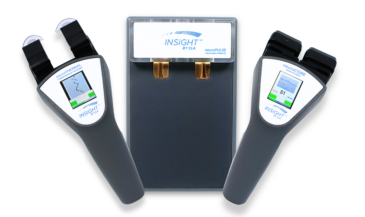
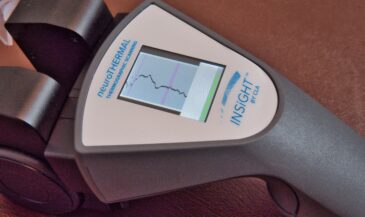
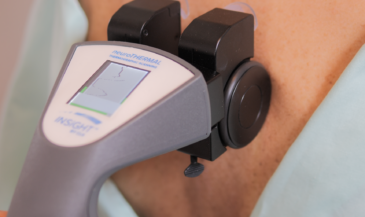
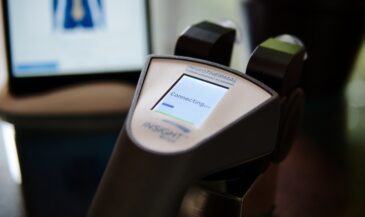
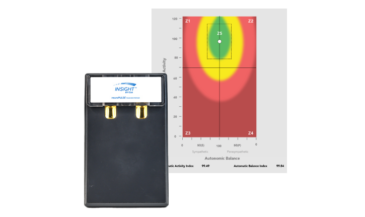
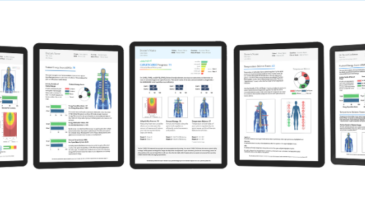
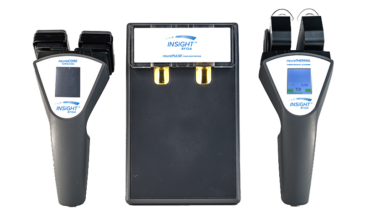
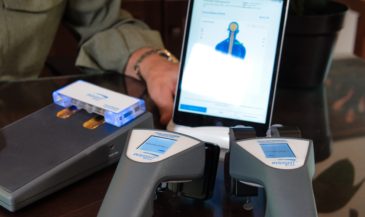
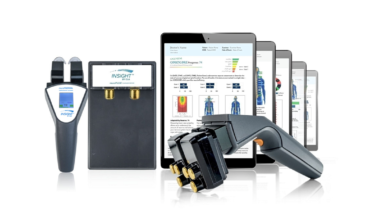
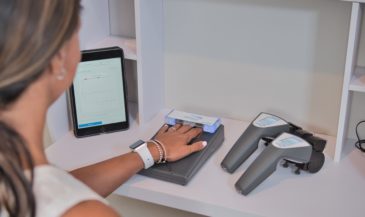
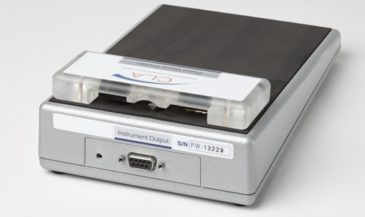
The neuroCORE, part of the INSiGHT neuroTECH suite, is a state-of-the-art sEMG scanning device designed to assess muscle tension and fatigue caused by spinal misalignments. By mapping out how the spine and nervous system are functioning, it provides chiropractors with the data they need to improve postural health.
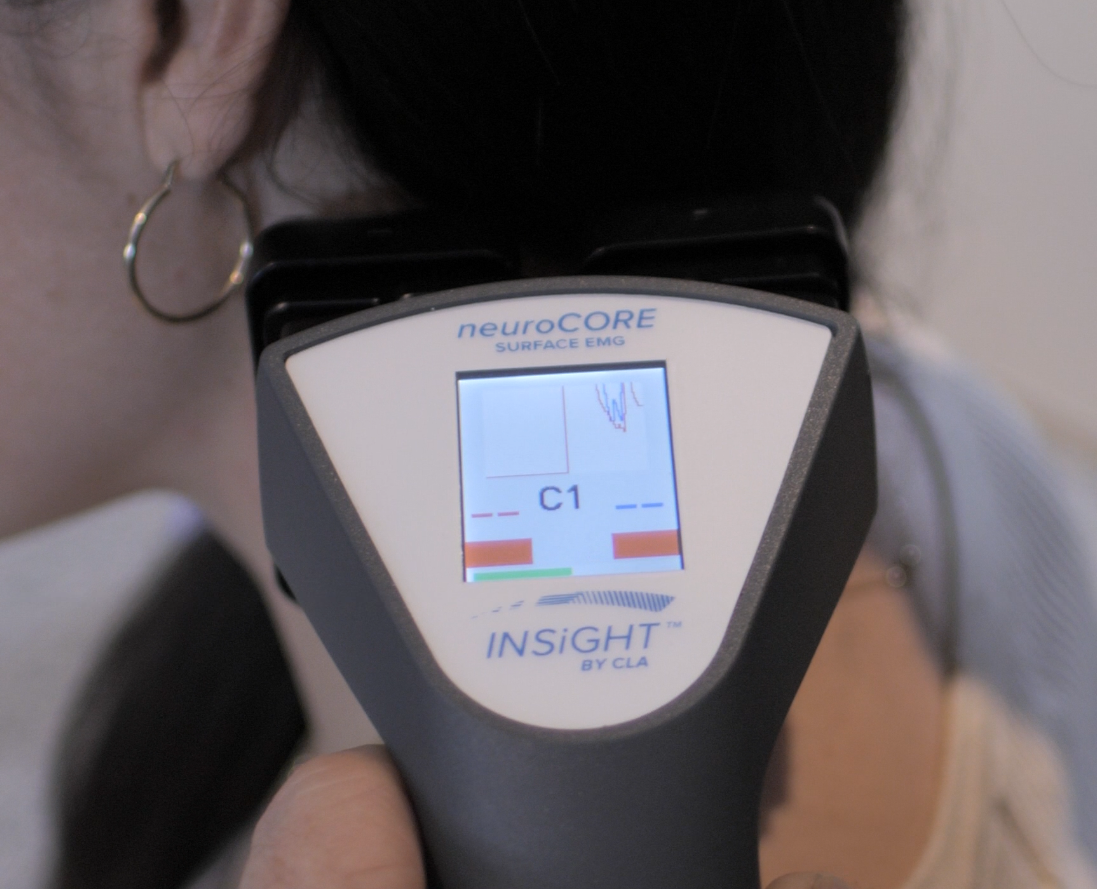
surface emg scan

The Science Behind sEMG Scans

Surface Electromyography (SEMG) has become a valuable tool in chiropractic care, providing objective insights into how spinal dysfunction affects muscle activity. By measuring the electrical signals generated by muscles, SEMG helps chiropractors assess paraspinal muscle function, identify patterns of compensation, and track progress over time. Research continues to support its role in evaluating the impact of vertebral subluxations on neuromuscular health.

A review by Christopher Kent, D.C., examined the principles of static and dynamic SEMG and its application in chiropractic assessments. The study highlighted that while both surface and needle electromyography can be used to evaluate muscle function, they are distinct procedures with different clinical applications. SEMG, in particular, is well-suited for non-invasive evaluation of paraspinal muscle activity, making it an essential tool for chiropractors seeking to assess changes in neuromuscular function associated with vertebral subluxation.

One of the key findings in Dr. Kent’s review is the ability of SEMG to detect altered muscle activity linked to spinal misalignments. Changes in myoelectric signals provide measurable evidence of how subluxations influence muscle tone and function. This supports the chiropractic principle that nervous system interference impacts overall musculoskeletal health.

The review also addressed the reliability and validity of SEMG, affirming its effectiveness as an objective method for tracking neuromuscular changes. Research has shown that consistent patterns of muscle imbalance correlate with areas of subluxation, reinforcing the importance of SEMG in both diagnosis and ongoing care. By integrating SEMG into clinical practice, chiropractors gain a clearer picture of how spinal adjustments influence muscle function over time.

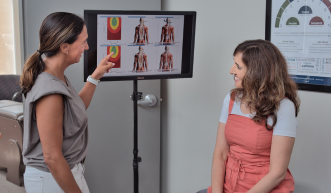
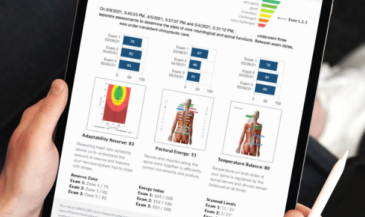
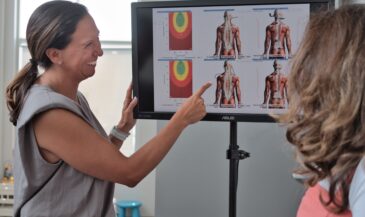
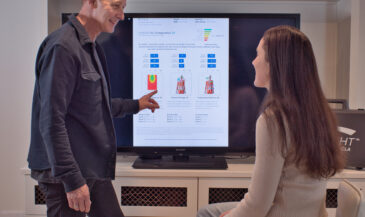
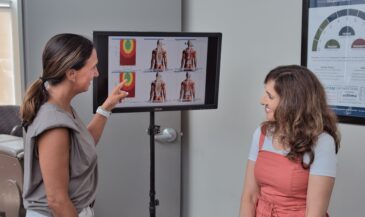
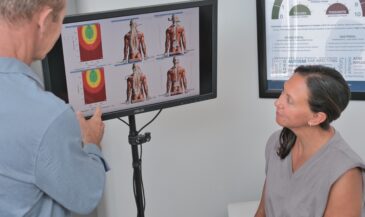
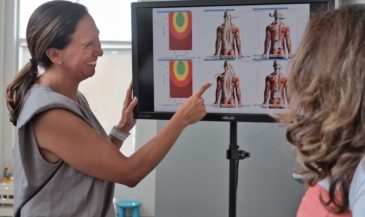
Chiropractors using SEMG can offer patients visual and measurable proof of their progress, strengthening trust and compliance with care plans. The ability to see and track changes in real-time helps bridge the gap between subjective symptoms and objective data, making SEMG a powerful tool for education and engagement.

As the evidence supporting SEMG grows, its role in chiropractic continues to expand. By providing a non-invasive, research-backed way to assess muscle activity and spinal health, SEMG ensures that chiropractors can deliver care that is both precise and data-driven.

Why Postural Health Matters

Posture isn’t just about aesthetics—it’s a key indicator of nervous system health. When posture is off, it’s often because the nervous system is compensating for deeper issues.

Here’s why it’s crucial to track postural health:

  • Prevents chronic issues: Poor posture puts stress on the spine and nervous system, leading to pain, fatigue, and even long-term health problems.
  • Improves function: A healthy posture supports better movement, breathing, and overall nervous system function.
  • Builds patient awareness: Showing patients how their posture connects to their symptoms helps them understand why care is essential.

Surface EMG scans make it easy to connect the dots between posture and nervous system health.

How Surface EMG Scans Work

The beauty of sEMG technology is its simplicity. Here’s how the process typically works in practice:

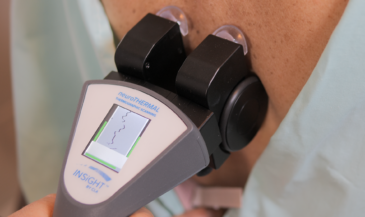
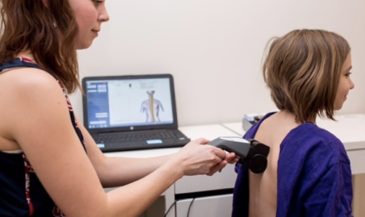
  1. Sensors Placement: Small sensors are placed along the patient’s spine to measure electrical activity in the muscles.
  2. Data Collection: The sEMG scan records muscle activity in real time, creating a detailed map of where the spine is under stress.
  3. Interpretation: Chiropractors analyze the data to identify areas of imbalance, tension, or exhaustion.

This process takes just a few minutes, but the insights it provides are invaluable for tracking and improving postural health.

The Role of sEMG in Posture Assessments

So, how does sEMG scanning elevate your ability to assess and improve posture?

  • Identifies muscle imbalances: sEMG scans reveal where muscles are overworking to compensate for spinal misalignments, providing a clear starting point for care.
  • Tracks changes over time: By performing regular scans, you can show patients how their posture and nervous system are improving with care.
  • Guides adjustments: The data from sEMG scans helps chiropractors target the areas that need the most attention, leading to more effective adjustments.

With sEMG scans, you’re not just assessing posture—you’re addressing the root causes of poor postural health.

Why Surface EMG Scans Build Patient Trust

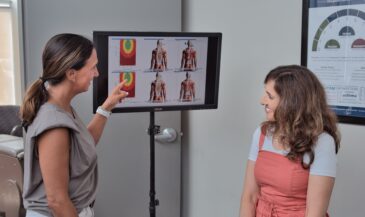
Patients often come in with visible posture problems but don’t understand how they connect to their symptoms. Surface EMG scans bridge that gap by showing them exactly what’s happening in their nervous system.

Here’s how this builds trust:

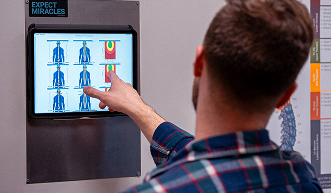
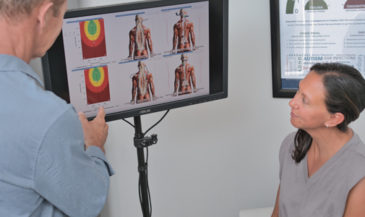
  • Visual proof: Patients can see the areas of muscle tension and imbalance for themselves, making the problem (and solution) crystal clear.
  • Objective data: Scans provide measurable, reproducible data that backs up your care recommendations.
  • Progress tracking: Regular scans show improvements over time, reinforcing the value of ongoing chiropractic care.

When patients understand the connection between their posture and nervous system health, they’re more likely to stay committed to their care plans.

How to Integrate sEMG Scans Into Your Practice

If you’re ready to start using surface EMG scans, here’s how to make them a seamless part of your practice:

  1. Use sEMG during initial exams: Establish a baseline for each patient’s muscle activity and posture.
  2. Incorporate scans into progress exams: Show patients how their muscle tension and posture are improving over time.
  3. Educate patients with visuals: Use the scan data to explain how their posture affects their nervous system and overall health.
  4. Highlight sEMG in your marketing: Let prospective patients know you use advanced technology to assess and improve postural health.

With tools like the neuroCORE, integrating sEMG scans into your workflow is simple and impactful.

FAQs About Surface EMG Scans

What does a surface EMG scan measure?
A surface EMG scan measures the electrical activity in the postural muscles along the spine, highlighting areas of tension, fatigue, or imbalance.

How do sEMG scans help with posture?
sEMG scans reveal how muscles are compensating for spinal misalignments, providing chiropractors with the data needed to improve postural health and nervous system function.

Are sEMG scans safe?
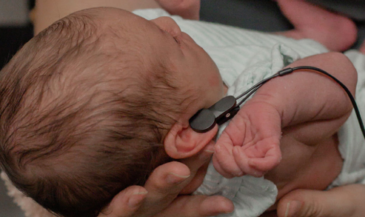
Yes, sEMG scans are completely non-invasive and safe for patients of all ages.

How often should patients get an sEMG scan?
sEMG scans should be done during initial exams and progress checks to monitor changes in posture and nervous system health.

Can sEMG scans show progress?
Absolutely. sEMG scans provide objective data that tracks improvements in muscle tension, balance, and postural alignment over time.

Why Surface EMG Scans Are Essential for Postural Health

Postural health is about more than standing tall—it’s about supporting the nervous system and optimizing overall function. With surface EMG scans, chiropractors can go beyond manual assessments and deliver precise, measurable care.

Tools like the neuroCORE empower you to identify muscle imbalances, track progress, and build trust with patients through objective data. By integrating sEMG scans into your practice, you’re not just improving posture—you’re improving lives.

Book a call with an INSiGHT Advisor today to learn how you can bring this transformative technology into your chiropractic practice.


Get Started with INSiGHT Scanning

Take our Free Practice Strategy Assessment. A Personalized Guide and Expert Strategy Call to Help Determine How Scanning will Help you Grow
ABOUT THE AUTHOR

Dr. David Fletcher is actively involved in all aspects of innovation teaching and research connected to the INSiGHT™ scanning technologies. He is widely recognized for his ability to share his expertise in compelling and easy to understand ways.

Dr David is a renowned chiropractor who practiced for many years with his associates in a scan-centric thriving principled family-based practice in Toronto. He is a sought-after teacher mentor and keynote speaker who takes every opportunity to share the wisdom and the power of chiropractic as it is meant to be.

https://insightcla.com/wp-content/uploads/2022/07/david-1.png
Dr. David Fletcher
DC FRCCSS(C) – Founder & CEO CLA Inc.
LIKE THIS ARTICLE? HELP US SPREAD THE WORD

Be Seen. Be Heard. Be Certain

In today’s saturated healthcare market, chiropractors face an ongoing challenge: being visible. Discover key marketing tactics to ensure you can BE SEEN, BE HEARD, and BE CERTAIN in your practice!

Read these Next…

Get Informed

Join 23,121 other Chiropractors and receive topics covering day to day challenges of running your practice.

Let’s talk about HRV (Heart Rate Variability). It’s no longer just a buzzword—it’s the gold standard for measuring nervous system health. If you’re a chiropractor and you’re not paying attention to HRV trends, you’re leaving valuable insights on the table.

HRV scans give you data on how well your patient’s nervous system is adapting to stress and recovering. And the trends? They’re the real game-changer. Tracking HRV over time tells a story about your patient’s health, resilience, and even their long-term outcomes.

Why HRV Data Matters in Chiropractic

HRV isn’t just another metric. It’s a window into how the autonomic nervous system is functioning. High HRV means adaptability, resilience, and better health. Low HRV? That’s a red flag for stress overload and poor recovery.

Here’s why HRV data is critical:

  • It measures stress adaptation: HRV shows how well a patient’s nervous system is balancing between fight-or-flight and rest-and-recovery.
  • It predicts outcomes: Consistently low HRV trends can signal long-term health risks, while improving HRV trends indicate progress.
  • It engages patients: Visualizing HRV data helps patients understand why care is important and how it’s working.

HRV trends aren’t just numbers—they’re a roadmap for better chiropractic care.

How to Measure HRV in Your Practice

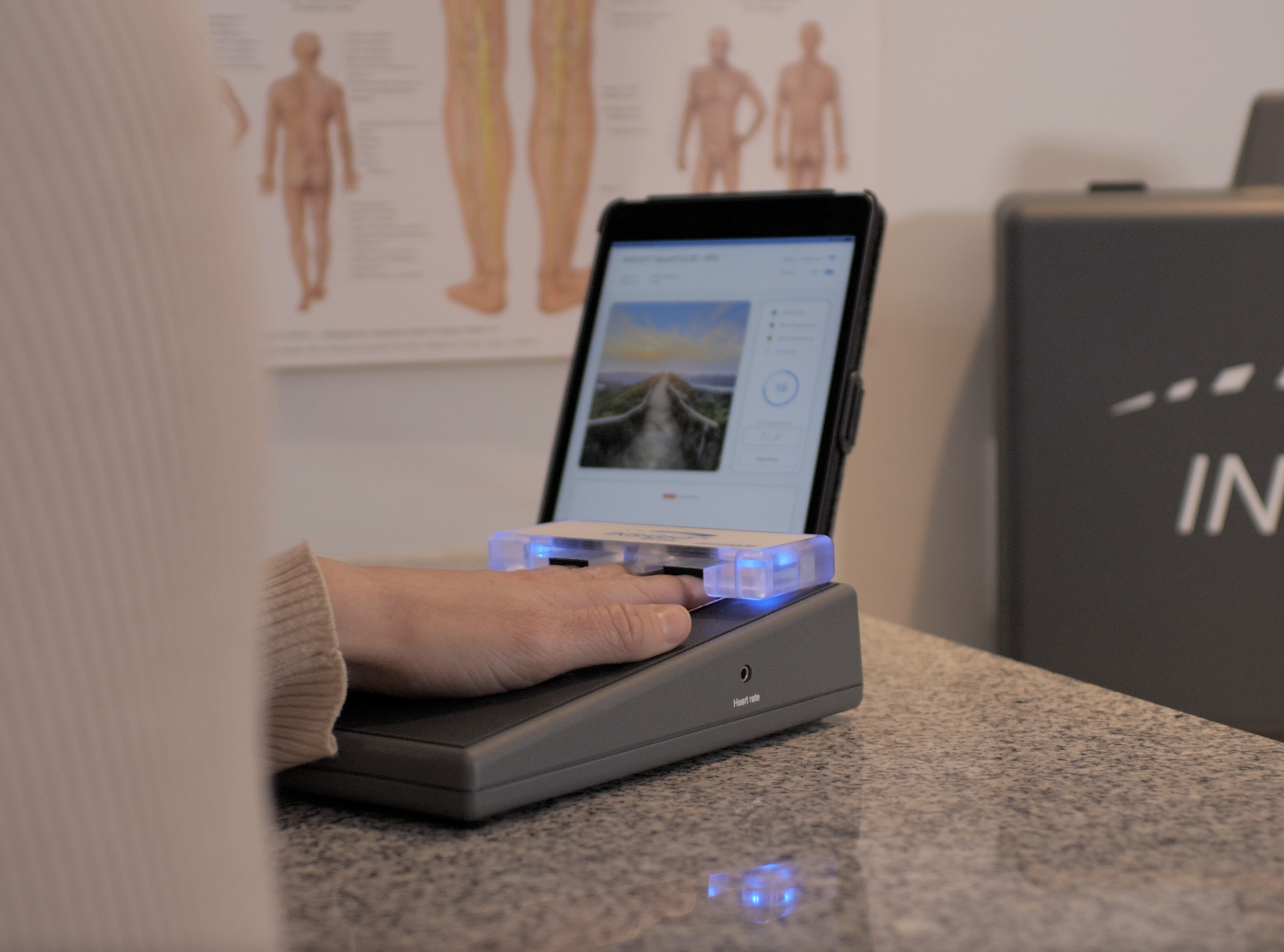
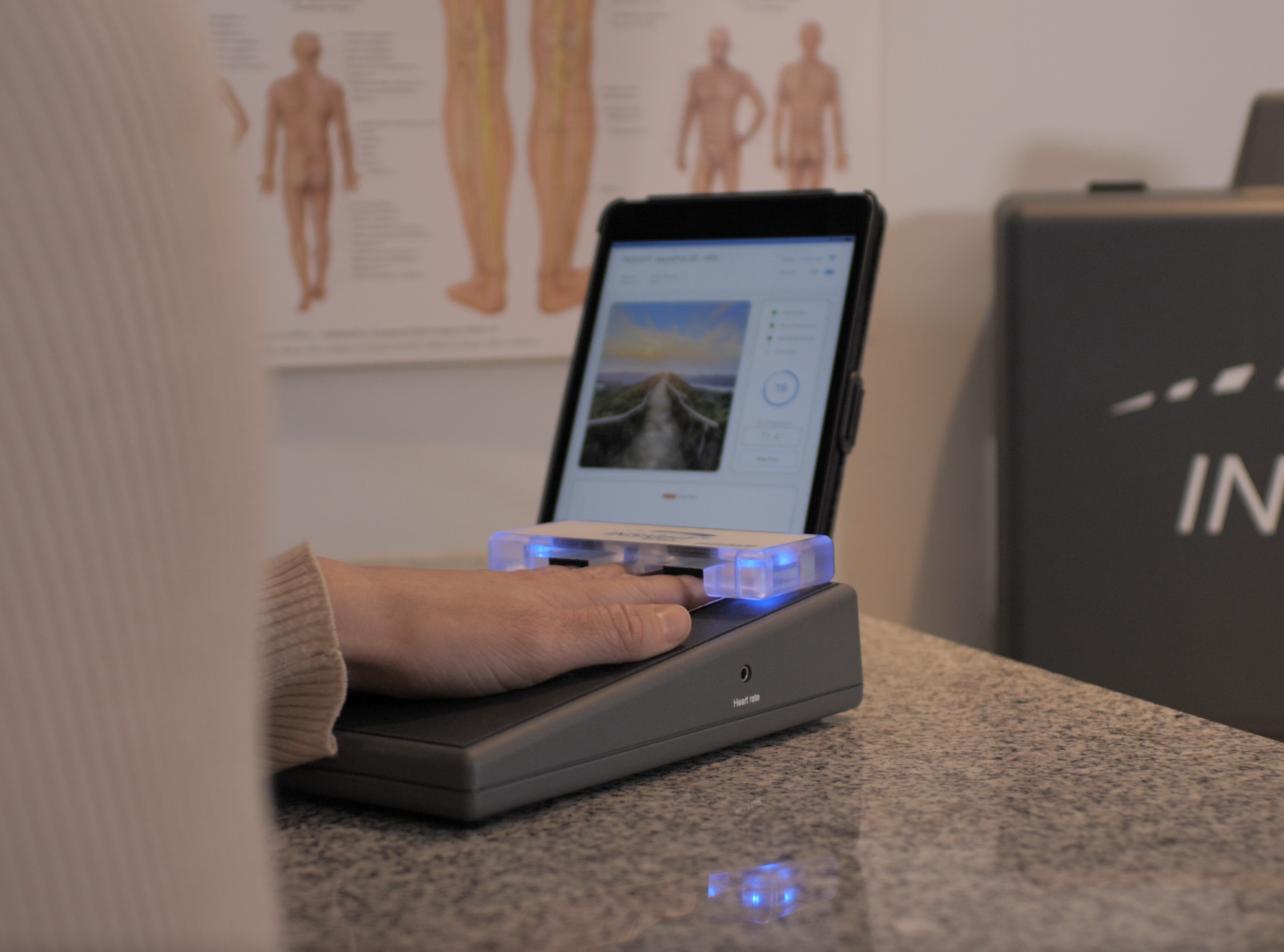
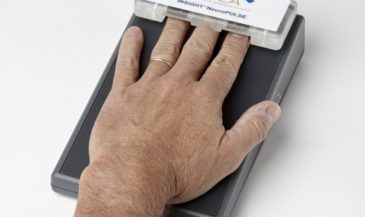
The easiest and most effective way to measure HRV is with the neuroPULSE, part of the INSiGHT neuroTECH suite. This tool captures precise HRV data in just a few minutes, giving you real-time insights into nervous system health.

Here’s how it works:

  1. Non-invasive sensors: The neuroPULSE uses simple, comfortable sensors to measure heart rate variability.
  2. Real-time data: The scan calculates HRV and displays it in an easy-to-understand format.
  3. Actionable insights: The data helps you assess how well the autonomic nervous system is adapting and guide care plans accordingly.

HRV scans aren’t just about taking a snapshot—they’re about tracking changes and trends over time.

What HRV Trends Can Tell You

When you start tracking HRV regularly, patterns emerge that can guide your care and help patients see the bigger picture.

Here’s what the trends can reveal:

  • Stress resilience: Improving HRV trends indicate the nervous system is becoming more adaptable to stress.
  • Care effectiveness: When HRV improves under your care, it’s tangible proof that your adjustments are making an impact.
  • Recovery needs: Fluctuations in HRV trends can show when patients need more support or recovery-focused care.

The key is to look at the trajectory, not just individual readings. Trends tell the full story.

How HRV Trends Build Patient Trust

Patients want proof that your care is working, and HRV trends provide exactly that.

Here’s how they build trust:

  • Visual progress: When patients see their HRV improving over time, it reinforces the value of sticking with their care plan.
  • Connection to outcomes: Patients understand that better HRV means better health, making the results more meaningful.
  • Education and engagement: Regular HRV check-ins keep patients involved and invested in their progress.

Trust isn’t just about what you say—it’s about what you can show. HRV data makes that trust tangible.

The Future of HRV in Chiropractic

As HRV technology becomes more accessible, it’s poised to become a cornerstone of chiropractic care. Here’s what’s on the horizon:

  • Personalized care plans: HRV trends will allow chiropractors to tailor care to each patient’s unique needs and stress levels.
  • Predictive analytics: Advanced HRV tools will help predict potential health risks, enabling preventative care.
  • Integration with wellness tech: HRV data will sync with wearable devices, giving patients a more comprehensive view of their health.

Staying ahead of these trends means embracing HRV as a core part of your practice today.

FAQs About HRV in Chiropractic

What is HRV?
HRV (Heart Rate Variability) measures the variation in time between heartbeats. It’s an indicator of how well the autonomic nervous system is functioning.

Why does HRV matter in chiropractic care?
HRV reveals how well a patient’s nervous system is adapting to stress and recovering. It’s a critical metric for understanding overall nervous system health.

How do chiropractors measure HRV?
Tools like the neuroPULSE provide precise HRV data by measuring heart rate variability through non-invasive sensors.

Can HRV improve with chiropractic care?
Yes, regular adjustments can help reduce nerve interference, leading to better autonomic nervous system balance and improved HRV trends.

How often should HRV scans be performed?
HRV scans are most effective when done regularly, such as during initial exams, progress checks, and wellness visits.

Why HRV Trends Are a Must for Modern Chiropractic

HRV trends give you the power to move beyond symptom management and focus on true nervous system health. With tools like the neuroPULSE, you can measure, track, and improve HRV, showing patients exactly how your care is making a difference.

Book a call with an INSiGHT Advisor today to learn how you can bring this transformative technology into your chiropractic practice.

Get Started with INSiGHT Scanning

Take our Free Practice Strategy Assessment. A Personalized Guide and Expert Strategy Call to Help Determine How Scanning will Help you Grow
ABOUT THE AUTHOR

Dr. David Fletcher is actively involved in all aspects of innovation teaching and research connected to the INSiGHT™ scanning technologies. He is widely recognized for his ability to share his expertise in compelling and easy to understand ways.

Dr David is a renowned chiropractor who practiced for many years with his associates in a scan-centric thriving principled family-based practice in Toronto. He is a sought-after teacher mentor and keynote speaker who takes every opportunity to share the wisdom and the power of chiropractic as it is meant to be.

https://insightcla.com/wp-content/uploads/2022/07/david-1.png
Dr. David Fletcher
DC FRCCSS(C) – Founder & CEO CLA Inc.
LIKE THIS ARTICLE? HELP US SPREAD THE WORD

Be Seen. Be Heard. Be Certain

In today’s saturated healthcare market, chiropractors face an ongoing challenge: being visible. Discover key marketing tactics to ensure you can BE SEEN, BE HEARD, and BE CERTAIN in your practice!

Read these Next…

Get Informed

Join 23,121 other Chiropractors and receive topics covering day to day challenges of running your practice.

Let’s talk about stress. Everyone feels it, but not everyone knows how well their body is handling it. That’s where chiropractors come in. If you’re not measuring stress resilience with HRV scans, you’re missing out on one of the most powerful tools in chiropractic care.

HRV (Heart Rate Variability) scans offer a window into how well the autonomic nervous system is adapting to daily stressors. For patients struggling with fatigue, anxiety, or chronic health issues, this data is a game-changer. Let’s dive into how HRV scans can help you transform patient outcomes and boost your practice.

What Is an HRV Scan?

An HRV scan measures the variation in time between heartbeats. Why is this important? Because those tiny variations reveal how well the nervous system is balancing the parasympathetic (rest and recovery) and sympathetic (fight or flight) states.

The neuroPULSE, part of the INSiGHT neuroTECH suite, is designed to capture this critical data. It provides chiropractors with real-time insights into how stress is affecting a patient’s nervous system and whether their body is adapting or breaking down.

Why HRV Scans Matter in Chiropractic

Chiropractic care is all about helping the nervous system function better. HRV scans take this to the next level by showing exactly how well the nervous system is handling life’s challenges.

Here’s why HRV scans are a must-have in your practice:

  • They reveal hidden stress: Many patients feel “fine” but have underlying nervous system stress that could lead to bigger issues later. HRV scans catch these early warning signs.
  • They guide care plans: By measuring resilience, you can tailor care plans to help patients improve their ability to adapt.
  • They boost patient engagement: Patients love seeing data that connects their chiropractic care to better health outcomes.

In short, HRV scans take the guesswork out of assessing stress resilience and give you a clear roadmap for improving patient health.

The Science Behind HRV

Heart Rate Variability (HRV) is emerging as one of the most powerful tools for assessing nervous system function in chiropractic care. It provides an objective, non-invasive measure of autonomic nervous system balance, offering chiropractors a window into how the body responds to stress, adapts to environmental demands, and recovers over time. Recent studies have demonstrated the significant role HRV plays in tracking and validating the effects of chiropractic adjustments.

A retrospective study by Daniel Knowles, D.C., and colleagues examined 46 patients receiving care with Network Spinal Analysis (NSA). HRV was used to measure autonomic nervous system function over a 90-day period. Results showed substantial improvements in HRV scores, particularly in patients with below-average initial HRV readings and in male participants. This suggests that chiropractic care targeting vertebral subluxations and reorganizing spinal tension patterns can significantly enhance autonomic function and reduce physiological stress. The study emphasizes the potential of chiropractic care to promote overall nervous system health through measurable improvements in HRV.

Christopher Kent, D.C., explored the relationship between vertebral subluxations and HRV in his review of the literature. Vertebral subluxations, which interfere with nerve function, are shown to disrupt the balance between sympathetic and parasympathetic nervous system activity. HRV provides a reliable method to assess these disruptions. Dr. Kent’s analysis highlights HRV as a vital tool in monitoring how spinal adjustments improve autonomic function, restore balance, and reduce nerve interference. This underscores the clinical significance of HRV in delivering care that is both evidence-based and results-driven.

In a multiclinic study led by John Zhang, D.C., the effects of chiropractic care on HRV and pain were analyzed across 96 patients. The study reported immediate improvements in HRV metrics after a single chiropractic adjustment, including increases in the high- and low-frequency components and total power—key indicators of autonomic balance. Pain levels also decreased significantly after adjustments, as measured by a Visual Analog Scale (VAS). Over a four-week period, consistent improvements in HRV components such as total power and low-frequency measures were observed, reinforcing the connection between chiropractic care and autonomic regulation.

These findings demonstrate the dynamic impact of chiropractic adjustments on both HRV and patient outcomes. HRV measures, such as total power and frequency components, provide a quantifiable way to track the nervous system’s response to care. Improvements in these metrics correlate with reduced physiological stress and enhanced resilience, allowing chiropractors to build greater trust with patients through measurable progress.

As research continues to validate the importance of HRV, it becomes clear that this tool is essential in modern chiropractic care. It bridges the gap between subjective patient reports and objective outcomes, reinforcing the vital role of chiropractic in optimizing autonomic nervous system health. Chiropractors using HRV are not only providing cutting-edge care but also contributing to a growing body of evidence that supports the profound impact of chiropractic on well-being.

Click here to download our compilation of all publications supporting neurological scanning technology!

How HRV Scans Measure Resilience

Resilience is the body’s ability to adapt to and recover from stress. An HRV scan measures this by analyzing the balance between the sympathetic and parasympathetic nervous systems.

Here’s what the data tells you:

  • High HRV: A high heart rate variability score indicates a flexible, adaptable nervous system that handles stress well.
  • Low HRV: A low score suggests the nervous system is stuck in overdrive, struggling to recover from daily demands.

The neuroPULSE makes this data easy to understand, displaying results in a clear, visual format that both chiropractors and patients can grasp.

The Role of HRV Scans in Chronic Stress and Fatigue

Many patients come to chiropractors because they’re exhausted, anxious, or unable to perform at their best. Often, these issues are tied to chronic nervous system stress.

Here’s how HRV scans help:

  • Identifying nervous system burnout: A low HRV score often signals that the body is stuck in a sympathetic (fight or flight) state, unable to shift into recovery mode.
  • Tracking recovery progress: Regular HRV scans show whether care is helping the nervous system regain balance and improve resilience.
  • Targeting care effectively: By pinpointing the areas where the nervous system needs the most help, you can provide more personalized adjustments and advice.

For patients dealing with chronic stress, seeing their HRV improve over time can be incredibly motivating.

HRV and the Mind-Body Connection

Stress doesn’t just affect the body—it impacts the mind, too. HRV scans provide insights into the mind-body connection, showing how emotional and mental stress is affecting physical health.

Here’s what HRV data can reveal:

  • Anxiety and emotional stress: Low HRV scores are often linked to heightened emotional stress, anxiety, or even depression.
  • Physical recovery: Whether it’s healing from an injury or recovering from illness, HRV shows how well the body is bouncing back.
  • Lifestyle impact: Factors like poor sleep, bad posture, and even diet can show up in HRV data, making it easier to guide patients toward healthier habits.

By connecting HRV data to their overall health, chiropractors can offer a more holistic approach to care.

Integrating HRV Scans into Your Practice

Ready to start using HRV scans in your practice? Here’s how to integrate this powerful tool:

  1. Start with the neuroPULSE: Invest in this advanced HRV scanning technology to get accurate, real-time data.
  2. Include HRV scans in every initial exam: Establish a baseline for every patient’s stress resilience.
  3. Use HRV data to guide care plans: Tailor adjustments and lifestyle advice based on the patient’s HRV score.
  4. Track progress over time: Regular HRV scans show how care is improving the nervous system’s ability to adapt.

By making HRV scans a standard part of your practice, you’ll elevate the care you provide and build stronger relationships with your patients.

FAQs About HRV Scans in Chiropractic

What does an HRV scan measure?
An HRV scan measures the variation in time between heartbeats, which reflects how well the autonomic nervous system is balancing stress and recovery.

How can HRV scans improve chiropractic care?
HRV scans provide objective data about the nervous system’s resilience, helping chiropractors tailor care plans and track progress over time.

Are HRV scans safe?
Yes, HRV scans are completely safe and non-invasive, making them suitable for patients of all ages.

How often should HRV scans be performed?
HRV scans are most effective when used regularly, such as during initial exams and progress checks, to monitor how the nervous system is adapting.

What do high and low HRV scores mean?
A high HRV score indicates a flexible and adaptable nervous system, while a low score suggests the nervous system is under chronic stress.

Why HRV Scans Are the Future of Chiropractic Care

Stress is unavoidable, but resilience is something we can build—and HRV scans are the key to understanding and improving it. By incorporating HRV scanning technology like the neuroPULSE into your practice, you’re not just treating symptoms—you’re addressing the root of the problem.

When patients see their HRV improve, they’re more motivated to stay committed to their care plans. And as a chiropractor, you’ll have the data you need to provide truly personalized, effective care.

It’s time to move from stress to strength. HRV scans are how you get there! Book a call with an INSiGHT Advisor today to learn how you can bring this transformative technology into your chiropractic practice.

Get Started with INSiGHT Scanning

Take our Free Practice Strategy Assessment. A Personalized Guide and Expert Strategy Call to Help Determine How Scanning will Help you Grow
ABOUT THE AUTHOR

Dr. David Fletcher is actively involved in all aspects of innovation teaching and research connected to the INSiGHT™ scanning technologies. He is widely recognized for his ability to share his expertise in compelling and easy to understand ways.

Dr David is a renowned chiropractor who practiced for many years with his associates in a scan-centric thriving principled family-based practice in Toronto. He is a sought-after teacher mentor and keynote speaker who takes every opportunity to share the wisdom and the power of chiropractic as it is meant to be.

https://insightcla.com/wp-content/uploads/2022/07/david-1.png
Dr. David Fletcher
DC FRCCSS(C) – Founder & CEO CLA Inc.
LIKE THIS ARTICLE? HELP US SPREAD THE WORD

Be Seen. Be Heard. Be Certain

In today’s saturated healthcare market, chiropractors face an ongoing challenge: being visible. Discover key marketing tactics to ensure you can BE SEEN, BE HEARD, and BE CERTAIN in your practice!

Read these Next…

Get Informed

Join 23,121 other Chiropractors and receive topics covering day to day challenges of running your practice.

Let’s talk about the future of chiropractic. Spoiler alert: it’s all about the nervous system. You know it’s the command center of the body, but how do you prove that to patients? They can’t see their nervous system, and they can’t feel stress creeping in until it’s already caused a problem.

This is where HRV scans and the CORESCORE™ change everything. These aren’t just fancy tools—they’re how you make the invisible visible. They let you show patients exactly what’s happening inside their bodies, shifting the focus from pain relief to long-term performance.

So, let’s break it down. What are HRV scans, what is the CORESCORE™, and how can these tools help you deliver next-level care?

What is an HRV Scan in Chiropractic?

An HRV scan (Heart Rate Variability) measures how well the autonomic nervous system (ANS) is adapting to stress and recovery. The ANS controls everything you don’t think about—your heart rate, digestion, immune system, and more.

Here’s how it works. Using CLA’s neuroPULSE, chiropractors track subtle variations in the time between heartbeats. These fluctuations tell you how resilient the nervous system is.

  • High HRV: Your patient is adaptable, recovering well, and handling stress like a champ.

  • Low HRV: The nervous system is stuck in overdrive and struggling to keep up.

Think of it like checking the nervous system’s fitness level. An HRV scan provides a real-time snapshot of how well the body is performing at its core, even if symptoms haven’t shown up yet.

Why HRV Scans Matter for Nervous System Health

The nervous system runs the whole show. When it’s under stress—whether from physical, emotional, or environmental factors—it can’t do its job effectively. But here’s the problem: most patients don’t even realize it’s happening.

This is where an HRV scan makes the difference. It gives you objective data to show patients what’s going on beneath the surface.

Here’s what it helps you do:

  • Uncover stress patterns and dysfunction before symptoms appear

  • Build care plans that target nervous system performance, not just pain relief

  • Show patients measurable progress over time

It’s about helping patients understand that their nervous system isn’t just “there”—it’s the foundation of their health.

What is the CORESCORE™ and How Does It Work?

The CORESCORE™ is like a report card for the nervous system. It combines data from three advanced scanning technologies in CLA’s INSiGHT neuroTECH suite:

  • neuroPULSE (HRV): Measures adaptability and stress resilience through heart rate variability.

  • neuroCORE (sEMG): Tracks muscle activity and highlights tension caused by stress or subluxations.

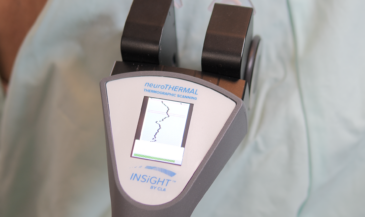
  • neuroTHERMAL: Detects temperature imbalances along the spine, showing deeper nerve stress affecting organs and glands.

These scans work together to generate a single score, ranging from 0 to 100. A higher score means the nervous system is efficient, resilient, and handling stress well. A lower score signals that something needs attention.

This isn’t just for you—it’s for your patients. The CORESCORE™ takes complex data and simplifies it into a number they can understand. When they see that number climb closer to 100, it’s a lightbulb moment.

Why the CORESCORE™ Keeps Patients Engaged

Let’s be real. One of the biggest challenges in chiropractic is keeping patients engaged! They feel better after a few adjustments, and suddenly, they think they’re done. The CORESCORE™ solves that problem by showing them why it’s not just about feeling better—it’s about functioning better.

Here’s why it works:

  • Progress is visible: Patients can see their score improve, which keeps them motivated.

  • The focus shifts: It’s not just about getting rid of pain. It’s about optimizing their nervous system for long-term health.

  • It builds trust: You’re not just saying care is working—you’re showing them the proof.

When patients understand the bigger picture, they stick around. And when they stick around, they bring their families and friends with them.

How Often Should Chiropractic Adjustments Be Scheduled?

The answer depends on the patient and where they are in their journey.

  • Release Phase: Adjustments 2–3 times a week release locked in patterns and habits,help stabilize the nervous system and address major stress patterns.

  • Rebuilding Phase: As the nervous system begins to recover, weekly and even twice weekly  adjustments help build adaptability and resilience.

  • ReVitalization Phase: For long-term wellness, adjustments every week or every 2 weeks keep the nervous system functioning at its best.

Here’s the kicker. Regular updates to the CORESCORE™, paired with follow-up HRV scans, help you fine-tune care frequency. It’s not about guessing—it’s about data-driven decisions.

FAQs About HRV Scans and the CORESCORE™

What’s the difference between an HRV scan and the CORESCORE™?
An HRV scan focuses on heart rate variability, measuring how well the nervous system handles stress and recovery. The CORESCORE™ combines HRV data with neuro muscular and thermal insights from the neuroCORE and neuroTHERMAL to create a comprehensive report of nervous system health.

How often should the CORESCORE™ be updated?
Progress checks every 4–6 weeks are a great way to track improvements and keep patients engaged.

Are HRV scans and the CORESCORE™ safe?
Absolutely. These scanning instruments  are non-invasive and provide valuable insights into the nervous system without any discomfort for the patient.

Can patients improve their CORESCORE™?
Yes. Regular chiropractic care, combined with healthy habits like better sleep, stress management, and proper nutrition, can significantly improve nervous system adaptability and boost the CORESCORE™.

Take Your Practice to the Next Level

Here’s the bottom line: HRV scans and the CORESCORE™ are game-changers. They’re how you can prove the value of chiropractic care!

With CLA’s neuroPULSE, neuroCORE, and neuroTHERMAL, you can help your patients see measurable progress. You’re turning invisible stress into visible results, building trust, and creating lifelong advocates for your care.

This is where chiropractic becomes more than adjustments. This is where you change lives.

Book a call with an INSiGHT Advisor today to learn how you can bring this transformative technology into your chiropractic clinic so you can lead your patients on a journey toward optimal health and wellness.

Get Started with INSiGHT Scanning

Take our Free Practice Strategy Assessment. A Personalized Guide and Expert Strategy Call to Help Determine How Scanning will Help you Grow
ABOUT THE AUTHOR

Dr. David Fletcher is actively involved in all aspects of innovation teaching and research connected to the INSiGHT™ scanning technologies. He is widely recognized for his ability to share his expertise in compelling and easy to understand ways.

Dr David is a renowned chiropractor who practiced for many years with his associates in a scan-centric thriving principled family-based practice in Toronto. He is a sought-after teacher mentor and keynote speaker who takes every opportunity to share the wisdom and the power of chiropractic as it is meant to be.

https://insightcla.com/wp-content/uploads/2022/07/david-1.png
Dr. David Fletcher
DC FRCCSS(C) – Founder & CEO CLA Inc.
LIKE THIS ARTICLE? HELP US SPREAD THE WORD

Be Seen. Be Heard. Be Certain

In today’s saturated healthcare market, chiropractors face an ongoing challenge: being visible. Discover key marketing tactics to ensure you can BE SEEN, BE HEARD, and BE CERTAIN in your practice!

Read these Next…

Get Informed

Join 23,121 other Chiropractors and receive topics covering day to day challenges of running your practice.
+